The Spectrum of Recreational Target Sports
Target shooting encompasses a wide variety of disciplines, ranging from casual weekend plinking to structured competitive matches. First-time shooters often assume that visiting a range requires high-powered centerfire firearms, but recreational shooting actually spans air-powered rifles, dedicated rimfire handguns, reactive steel targets, and fast-moving clay pigeons launched into open skies. Each discipline demands its own specific mechanics, gear setup, and safety protocols. Whether you want to refine your personal marksmanship or enjoy a social afternoon breaking clays, understanding the differences between these sports helps you choose the right venue and equipment before investing money.
Most beginners start with static paper targets at indoor or outdoor facilities because paper provides immediate visual feedback on shot grouping and trigger control. As your comfort increases, moving toward reactive targets like steel plates or clays adds dynamic timing and depth perception to your practice routines. Different sports also impose distinct physical demands; shooting trap requires smooth upper-body rotation and consistent shotgun mounting, whereas precision bullseye pistol shooting relies on stillness, breath control, and muscle endurance. Knowing where your interests lie keeps your training focused and prevents buying gear that ends up gathering dust on a shelf.
Range accessibility plays a significant role in which sport you pursue regularly. Clay disciplines generally require expansive outdoor spaces found in agricultural zones or suburban gun clubs, while handguns and air rifles can be enjoyed in closer proximity to metropolitan centers. Reviewing the nationwide directory at GunStoreAtlas helps identify local facilities that support your preferred discipline, whether you need a fifty-yard outdoor bench rest, an automated trap field, or a climate-controlled pistol lane. Taking time to inspect facility rules regarding calibers, target types, and hours ensures smooth visits from day one.
Precision Marksmanship with Air Rifles
Air-powered rifles have evolved far beyond basic backyard toys, becoming serious precision tools used for training, Olympic competition, and inexpensive marksmanship development. Target shooting with an air rifle allows marksmen to master breathing, sight alignment, and trigger follow-through without the loud report or heavy recoil of powder-burning cartridges. Because match-grade air pellets travel at subsonic speeds and are sensitive to subtle barrel movement during the shot cycle, shooting an air gun highlights subtle flaws in your fundamental technique that heavier centerfire recoil might otherwise mask.
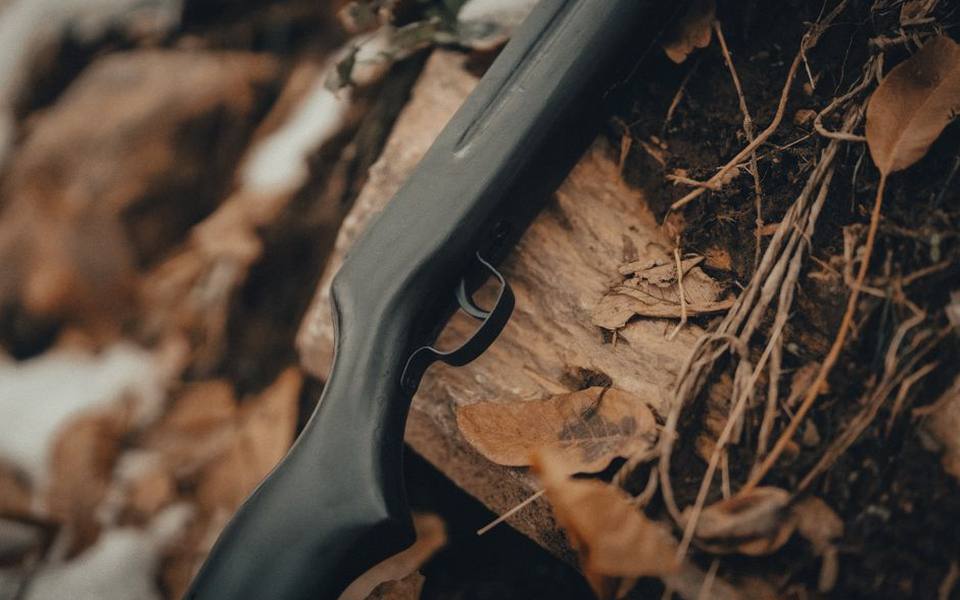
When shopping for air rifles for target shooting, shooters generally choose between three primary power plants: spring-piston break-barrels, pre-charged pneumatics (PCP), and regulated CO2 systems. Spring-piston models are self-contained and require only a tin of pellets, making them convenient and budget-friendly, though their unique two-stage recoil requires a loose, consistent hold. Pre-charged pneumatic rifles, while typically requiring a high-pressure hand pump or charging tank, deliver virtually recoil-free precision capable of placing pellet after pellet through the exact same hole at ten to fifty meters.
Backyard practice with an air rifle requires the same strict mindset toward backstops and safety as any firearm range. Lead or non-lead pellets easily penetrate thin plywood or cardboard, meaning a dedicated pellet trap packed with heavy duct seal or angled steel plates is essential to avoid stray projectiles or ricochets. Furthermore, municipal ordinances in many suburban townships classify air guns under strict discharge bans, so confirming local residential rules before setting up a basement or garden range saves potential legal complications with neighbors.
Dedicated Handguns for Paper and Plate Shooting
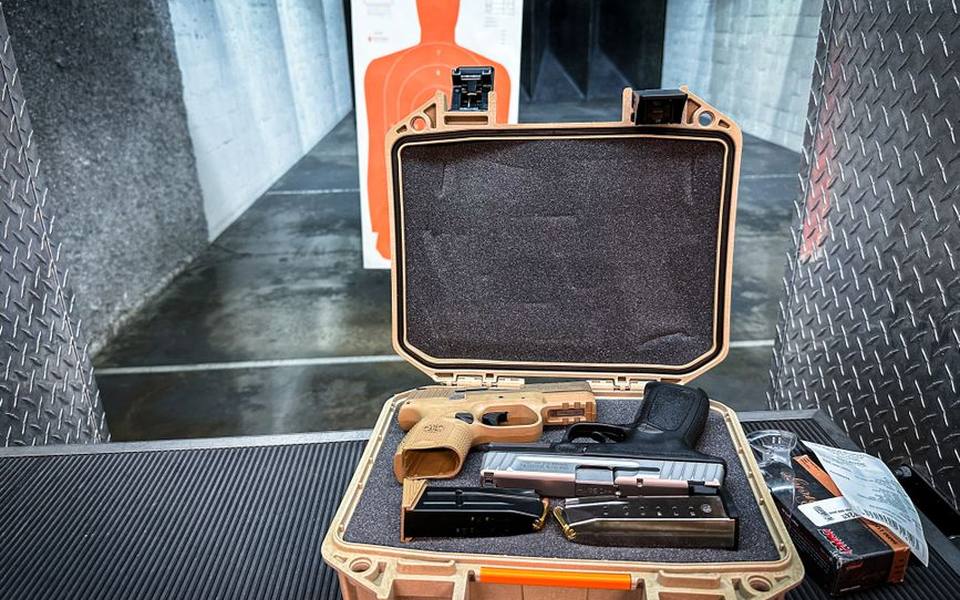
Handgun target shooting rewards patience, consistent grip geometry, and fine motor control. While modern compact handguns excel for concealed carry, their short sight radiuses and heavy defensive triggers make learning refined marksmanship challenging. Dedicated target shooting pistols generally feature longer barrels, crisp single-action triggers, ergonomic grips with supportive thumb rests, and fully adjustable rear sights that let you dial in windage and elevation for specific target distances.
For most marksmen, a rimfire .22 Long Rifle pistol represents the ultimate learning tool. The negligible recoil lets you shoot hundreds of rounds during a single range session without developing an involuntary flinch, while the low cost per shot keeps weekly training economical. Full-size centerfire target pistols chambered in 9mm or .45 ACP also have their place, especially in formal bullseye leagues, but starting with rimfire builds proper neuromuscular pathways faster. Browsing local counters for inspected used guns is a practical way to find classic target pistols at accessible prices.
Upgrading and maintaining a target handgun demands careful attention to cleanliness and sight alignment. Rimfire ammunition tends to run dirty due to wax lubricants and lead buildup, which means frequent scrubbing of feed ramps, extractors, and chambers is necessary to avoid extraction failures. If your sights drift or your trigger requires professional stoning to remove creep, working with qualified professionals at licensed gunsmithing services ensures precision adjustments without compromising internal safety mechanisms.
Fundamentals of Trap and Skeet Clay Sports
Clay target sports simulate the flight patterns of upland game birds, testing a shooter's reflexes, target lead calculation, and hand-eye coordination. In trap shooting, clays are launched from a single underground bunker or trap house situated sixteen or more yards in front of five shooting stations, with targets flying away at unpredictable lateral angles. Shooters take turns firing one shot per bird, relying on consistent shoulder mounting and steady visual tracking to shatter the orange discs before they descend.
Skeet shooting, in contrast, uses two target houses positioned at opposite ends of a semicircular field: a high house launching clays from ten feet above the ground and a low house launching from near ground level. Targets cross across the field in predetermined paths, presenting true crossing shots, incoming angles, and challenging double targets launched simultaneously. Mastering skeet requires learning specific forward lead distances at each station, as crossing clay pigeons move rapidly across your field of view compared to departing trap birds.
Shotgun selection for clay sports generally centers on 12-gauge or 20-gauge over-and-under or semi-automatic models fitted with appropriate chokes. Modified or improved cylinder chokes produce the ideal shot spread for sporting clays and skeet, while tighter chokes like improved modified or full are preferred for the longer engagement distances in trap. Ammunition is typically limited to light target loads containing small shot sizes like number 7.5, 8, or 9, which create dense pellet patterns without generating punishing recoil over a hundred-target course.
Finding Clay Ranges in Dense and Suburban Regions
Locating open shotgun fields can be challenging for enthusiasts living in densely populated coastal regions or heavy suburban corridors. For instance, shooters pursuing skeet shooting on Long Island must navigate limited public access, municipal zoning constraints, and strict environmental buffer zones designed to manage lead accumulation and noise impact. Despite these hurdles, established conservation clubs, county-operated parks, and private sporting associations continue to provide structured clay facilities across the region for registered members and occasional public visitors.
Most suburban clay facilities operate on set schedules rather than allowing unscheduled walk-in shooting. Trap and skeet fields often designate specific evening or weekend hours where squads rotate through rounds under the supervision of a range safety officer or field puller. Arriving early lets you review local house rules, such as maximum shot size limits, mandatory shell-catcher requirements on semi-automatic shotguns to prevent spent hulls from striking adjacent shooters, and chamber flag protocols when walking between stations.
If your local public options are sparse, joining an organized sporting club often unlocks access to automated clay traps, wobble fields, and five-stand layouts. Memberships in metropolitan areas typically carry waiting lists or require member sponsorship, but the access to well-maintained facilities and regular league competitions makes the investment worthwhile. For shooters traveling across state lines or exploring neighboring counties, verifying club policies on guest passes and day rates ensures an enjoyable outing without unexpected administrative delays.
Engaging Steel Targets at Dedicated Venues
Shooting on a dedicated steel target range provides an instant auditory reward that paper targets cannot match. The distinct ringing sound of lead striking hardened steel plates allows you to confirm hits without squinting through a spotting scope or waiting for a range cease-fire. This instant feedback has made steel shooting extraordinarily popular for action shooting disciplines, tactical training drills, and casual weekend plinking with rimfire and centerfire calibers alike.
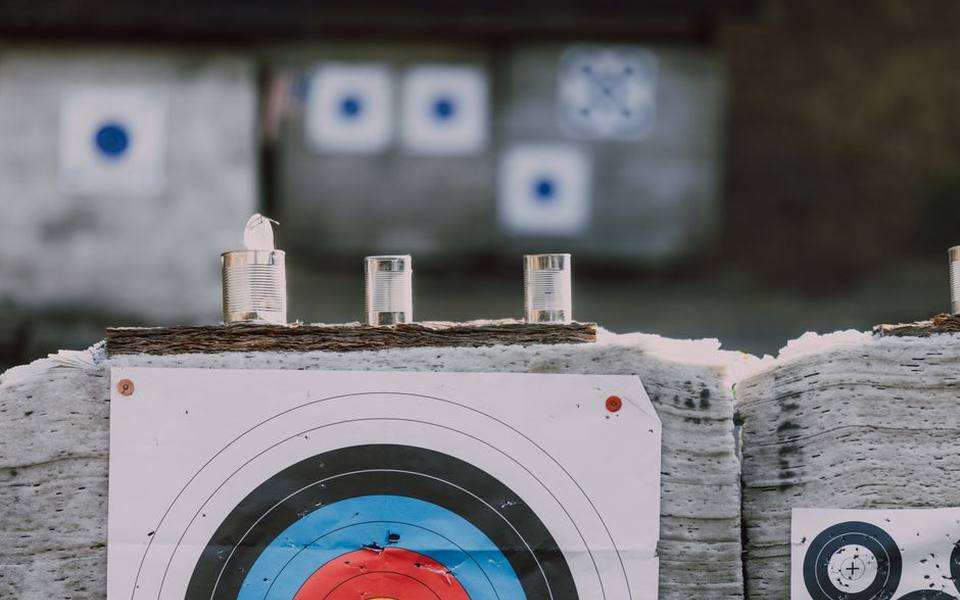
Safety on a steel range hinges on understanding splatter dynamics and target metallurgy. Quality targets are fabricated from abrasion-resistant AR500 or AR550 hardened steel, which resists pitting and cratering from bullet impacts. Smooth target faces ensure that bullet fragments disintegrate and deflect downward into the dirt at forty-five-degree angles. Pitted or cratered steel, caused by shooting low-grade metal or using magnum calibers at close range, can bounce dangerous copper jacket fragments straight back toward the firing line.
Safe distance minimums are strictly enforced at every professional steel facility. Handgun calibers typically require a minimum standoff distance of ten to twelve yards, while high-velocity centerfire rifle ammunition generally requires one hundred yards or more to prevent target damage and hazardous backsplash. Ammunition choices are equally critical: steel targets should never be engaged with steel-core, armor-piercing, or bimetal jacketed ammunition, as these rounds accelerate plate wear and present a serious spark hazard in dry brush environments.
Selecting Indoor Shooting Facilities in South Florida
Finding a reliable indoor range is a priority for shooters residing in urban environments where year-round heat, humidity, and afternoon thunderstorms make outdoor shooting uncomfortable. South Florida features numerous specialized indoor centers catering to defensive practitioners and recreational shooters alike. Whether searching for a shooting range in Doral near the airport industrial zones or a shooting range in Davie closer to western Broward County, knowing what each venue offers helps you plan an effective practice session.
Urban indoor facilities in the region generally feature modern ventilation systems designed to push lead particulates and unburnt powder smoke downrange and away from shooters. Facilities throughout Broward and Miami-Dade counties vary from family-oriented storefront lanes with extensive rental walls to specialized tactical training bays supporting dynamic movement. Checking with regional directories like gun stores in Florida allows you to review lane lengths, caliber ratings, and booking availability before loading your range bag.
Before visiting any metropolitan indoor facility, verify their policy regarding outside ammunition and target types. Many indoor ranges require shooters firing rental firearms to purchase range-approved clean-fire ammunition on site, and nearly all facilities inspect brass to prohibit steel-cased or aluminum-cased ammunition that cannot be easily recycled. Knowing these local operational nuances prevents surprises at the check-in desk and ensures a smooth, uninterrupted hour on the firing line.
Eye Protection Standards and Ballistic Eyewear Selection
Protecting your vision is the single most critical safety requirement on any shooting range. The human eye has no natural defense against flying brass casings, gunpowder residue, target fragments, or catastrophic mechanical failures. While standard everyday sunglasses or fashion eyewear may look stylish, their brittle plastic or glass lenses can shatter upon impact, causing severe lacerations and ocular trauma rather than shielding your eyes from harm.
When evaluating ballistic eye protection, look for official safety certification stamps. Industrial eye protection complies with ANSI Z87.1 high-mass and high-velocity standards, ensuring lenses resist direct impact from small steel balls fired at high speeds. Military ballistic specifications, such as MIL-PRF-32432, subject eyewear to significantly higher impact energies. Premium shooting glasses from established optical brands like Oakley feature advanced Plutonite lenses that meet or exceed these rigorous military standards while delivering pristine optical clarity without distortion along the edges.
Lens tint also plays an essential role in visual acuity across different shooting environments. Clear lenses remain the universal baseline for indoor ranges and low-light sessions, while amber, yellow, or bronze tints enhance contrast on overcast days and make bright orange clay targets pop against cloudy skies. High-end polarized or dark gray lenses reduce blinding glare on sunny outdoor ranges, though excessive polarization can occasionally interfere with reading digital red dot sight reticles or holographic displays.
Prescription Solutions and Budget Eye Protection
Shooters who wear corrective daily lenses face a common dilemma when selecting eye protection: how to shield their eyes without losing clear vision downrange. While some invest in custom prescription ballistic lenses, many prefer shooting glasses designed to fit comfortably over eyeglasses. These over-the-glasses (OTG) models feature enlarged brow guards, deep temple channels, and wide side shields that envelope standard corrective frames, ensuring complete ballistic coverage from flying ejecta without pressing your daily glasses into your nose bridge.

If you are searching for the cheapest safety glasses available at a local hardware store or safety glasses shop, always verify the ANSI Z87+ imprint stamped into the frame and lens corner. Basic certified clear safety spectacles often cost less than ten dollars and offer genuine impact resistance. However, bargain glasses typically cut corners on anti-fog coatings, optical clarity, and temple ergonomics, which can lead to headaches, optical distortion, and fogged lenses during intense summer sessions.
Balance budget considerations against the frequency and conditions of your shooting routines. For occasional visits to an indoor stall, affordable ANSI-rated safety glasses offer adequate baseline protection. But if you spend multi-hour sessions running sporting clay courses under direct sunlight or transitioning between hot outdoor stages and air-conditioned clubhouses, investing in dedicated ballistic eyewear featuring anti-scratch treatments and swappable lens inserts pays dividends in comfort and situational awareness.
Range Preparation, Maintenance, and Ammunition Management
Consistent target shooting performance depends heavily on proper maintenance of your firearms and careful ammunition selection. High-volume clay busting and rapid steel plate transitions generate significant carbon fouling and barrel heat, which can quickly degrade accuracy and cycling reliability if neglected. Establishing a thorough post-range cleaning routine—cleaning bores, inspecting gas pistons, and lightly lubricating slide rails—keeps shotguns and handguns running smoothly through thousands of rounds.
For dedicated clay shooters and precision pistol competitors, ammunition cost can quickly become a significant ongoing expense. Many enthusiasts choose to manage their shooting budgets by visiting specialty retailers stocked with reloading supplies, where they can purchase shotshell wads, lead shot, primers, and powder to handload custom low-recoil target shells. Handloading allows you to tailor velocities and shot payloads precisely to your shotgun's choke patterns and recoil tolerance.
Finally, maintaining a well-stocked range bag prevents ruined range outings. Essential items include spare earplugs, lens cleaning cloths that will not strip anti-fog coatings, chamber safety flags, a multitool with hex bits for loose sight screws, and adhesive target pasters. Being prepared with the right accessories and safety gear lets you focus entirely on your shooting technique, target acquisition, and the pure enjoyment of marksmanship.
Published 2026-09-21 · reviewed with each rebuild, last September 2026.
Find gun stores near you
The directory lists 12,328 gun stores by state and city — pick your state or use the “Near me” button in the header.
More guides
-
 Buying
Night Vision, Caliber Choices, and Hearing Protection: The Practical Buyer Guide
-
 Owning
Muzzle Brakes vs Pistol Compensators: Mechanics, Tuning, and Ownership Costs
-
 Owning
Where to Get Fingerprints for Gun Permits, Hearing Gear, and Range Prep
-
 Owning
How to Remove Rust from a Gun Safely Without Damaging the Finish
-
 Buying
Choosing a Skeet Shotgun: Balance, Gauges, and Barrel Specs
-
 Safety
Stun Guns, Tasers, and Protective Range Gear: Practical Buyer's Guide
-
 Buying
Choosing Practical Firearms for Home Defense and Daily Carry
-
 Buying
FFL Transfer Fees and Process Explained: What to Expect at the Counter
-
 Service
Fingerprinting Services, IdentoGO, and FBI Background Checks: The Complete Guide
-
 Safety
Indoor and Outdoor Shooting Ranges: Etiquette, Rules, and Memberships
-
 Storage
Gun Safes and Fireproof Storage: Biometric Safes, Cabinets, and Dehumidifiers
-
 Safety
Body Armor and Ballistic Plates: Threat Levels, Plate Materials, and Carrier Sizing
-
 Safety
Shooting Hearing Protection: Electronic Earmuffs, Custom Earplugs, and Noise Reduction
-
 Owning
Shooting Targets, Clay Throwers, and Range Rests Guide
-
 Owning
Concealed Carry Holsters: Kydex, Leather, IWB, OWB, and Specialized Rigs
-
 Owning
Rifle and Shotgun Slings: Single-Point, Two-Point, and Mounting Hardware
-
 Owning
Everyday Carry and Tactical Accessories: Range Bags, Gun Locks, and Practical Gear
-
 Owning
Gun Cleaning Kits and Maintenance: Cleaners, Oils, and Solvents
-
Safety
Everyday and Noise Reduction Earplugs: A Practical Comparison Guide
-
 Safety
Firearm Safety Rules, Concealed Carry Courses, and Tactical Shooter Training
-
 Service
Rifle Customization, Caliber Selection, and Bench Work: A Guide to Practical Gunsmithing and Reloading
-
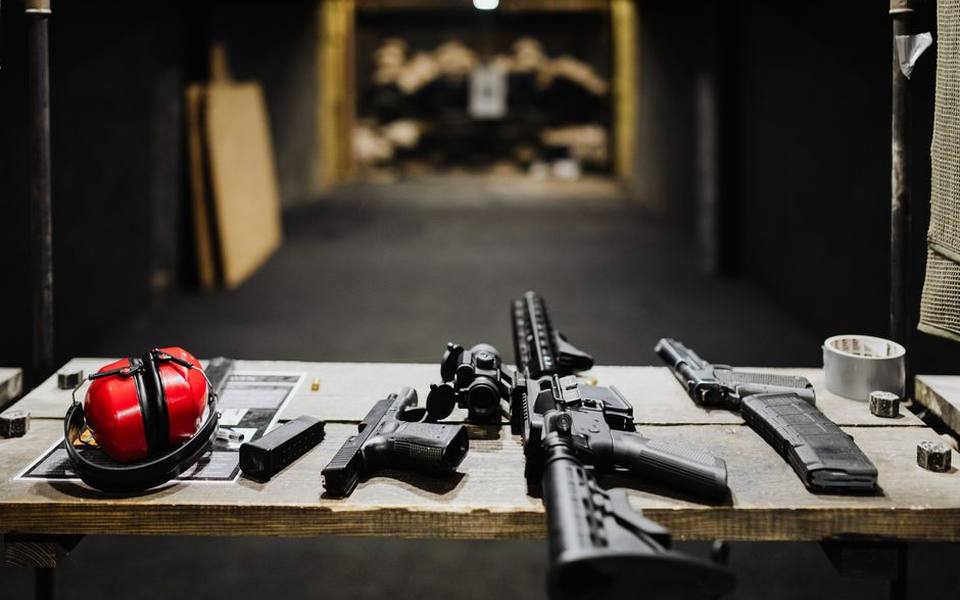 Safety
Shooting and Hearing Protection: Guide to Earmuffs, Plugs, and Electronic Defenders
-
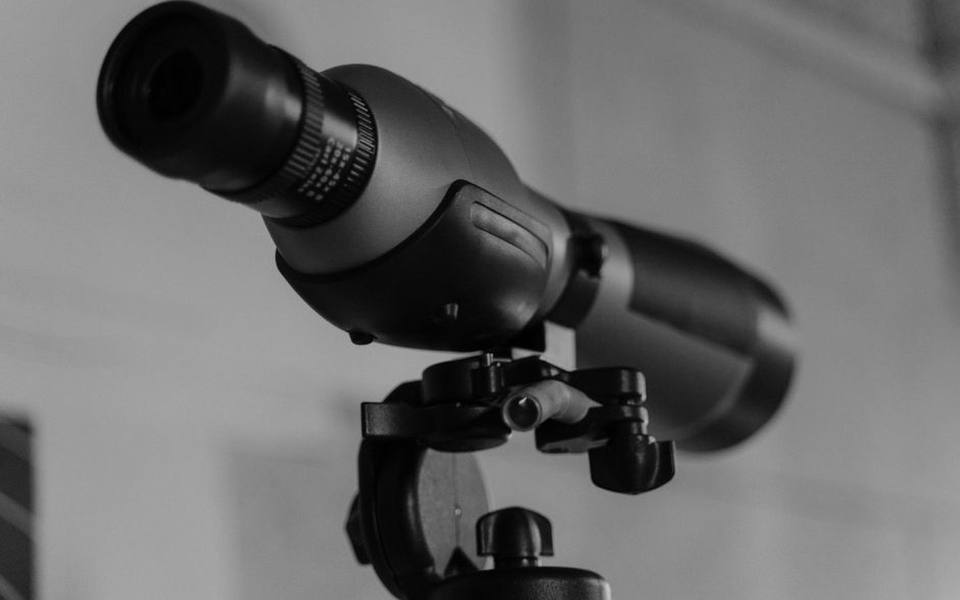 Buying
Choosing Spotting Scopes, Binoculars, and Specialized Night Optics
-
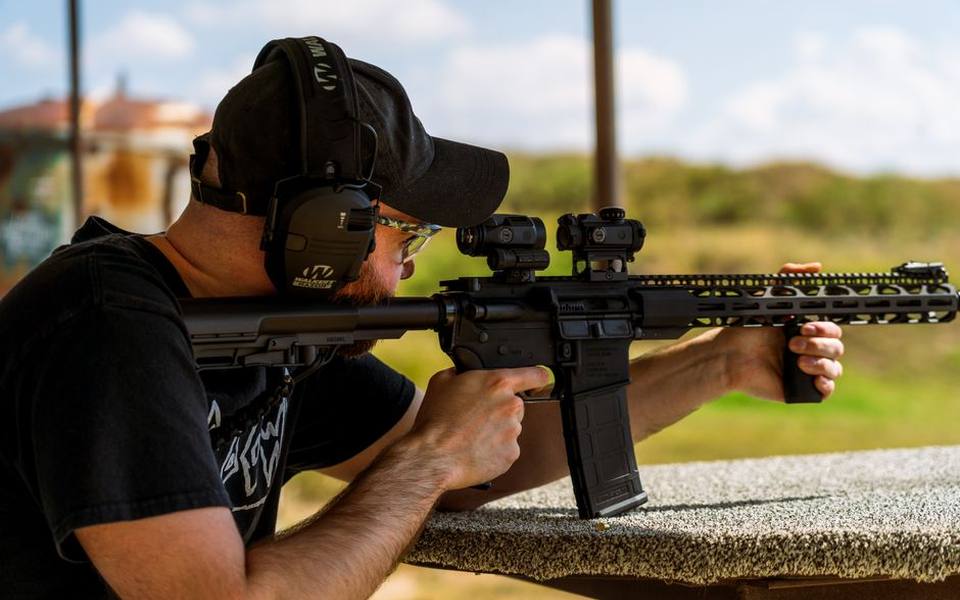 Safety
Active Shooter Response, Tactical Handgun Courses, and Firearm Safety Training Guide
-
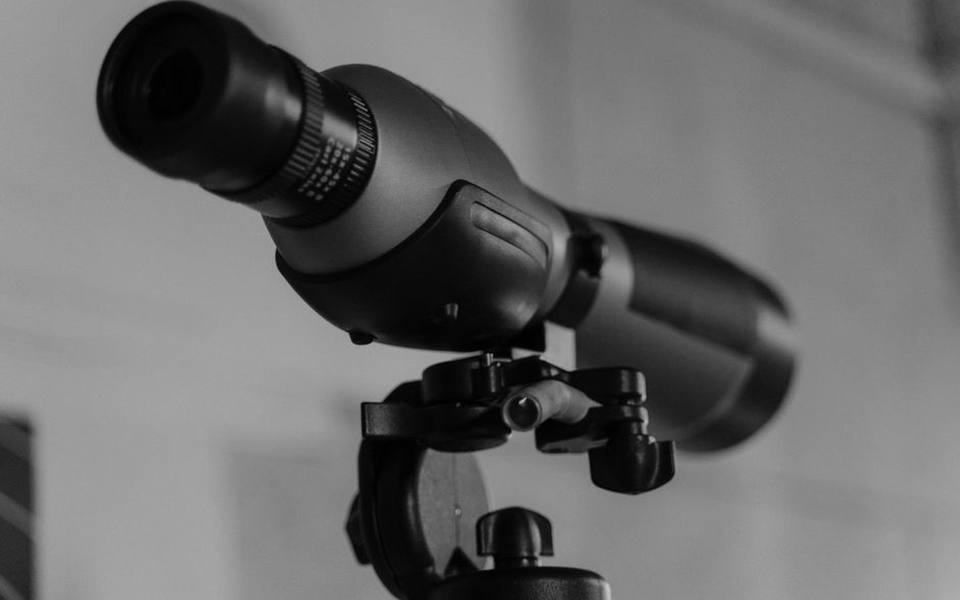 Buying
Night Vision Optics and Spotting Scopes Buyer's Guide
-
 Buying
Firearm Valuation, Appraisal, and Used Buying Guide
-
Safety
Layering Personal Defense: Less-Lethal Tools, Purpose-Built Firearms, and Medical Gear
-
 Buying
Hunting Ammunition, Calibers & Reloading Supplies Guide
-
 Owning
Concealed Carry Reciprocity, Licensing Basics, and Buying Regulations Explained
-
 Service
Custom Gunsmithing, Barrel Modifications, and AR-15 Upgrades Guide
-
Storage
Essential Firearm Storage, Cases, Recoil Pads, and Rig Systems
-
 Safety
The Ultimate Guide to Shooting Hearing Protection and Electronic Earmuffs
-
 Owning
Dry Fire Training Systems, Timers, and At-Home Practice Routines
-
 Owning
State Firearm Rules, Training Courses, and Range Guidelines
-
Owning
Essential Tactical Gear, EDC Equipment, Shooting Gloves, and Range Bags
-
 Owning
Everyday Carry Holsters and Wearable Gear: A Practical Selection Guide
-
 Owning
Firearm Upgrades and Tuning: Gas Blocks, Sights, and Mounts
-
 Owning
CCW Permits, Licensing Laws, and Background Check Fingerprinting Guide
-
 Storage
Firearm Safes and Secure Storage: Humidity Control, Security Standards, and Storage Solutions