Barrel Construction and Cold Hammer Forged Rifling
Upgrading an existing rifle or commissioning a custom build begins with selecting how the bore itself is made. When shooters evaluate accuracy potential and barrel longevity, cold hammer forged barrel options frequently surface as the benchmark for hard-use firearms. The process involves inserting a hardened mandrel with negative rifling grooves into an oversized barrel blank, which is then pounded by hydraulic hammers under tremendous pressure. This work-hardens the steel and creates a mirror-smooth inner finish that resists thermal erosion over high firing schedules.
Button rifling and cut rifling offer distinct alternatives depending on your shooting disciplines. Cut rifling introduces virtually no internal stress to the barrel blank, making it a favorite for custom benchrest rifles where supreme bench-rest consistency is the single goal. Button rifling swages the grooves using an internal plug, creating an accurate and economical profile common in factory rifles. For duty carbines and general-purpose builds, hammer-forged blanks provide unmatched durability against heat stress, particularly when paired with chrome lining.
Choosing between these profiles typically comes down to your expected volume of fire and precision standards. A competitive long-range shooter might prefer single-point cut steel because it delivers repeatable thermal expansion across long strings of fire. Conversely, a carbine owner running drills or defensive courses will benefit more from the impact resistance and bore life of hammer-forged alloy steel. Discussing your primary ammunition choice and realistic round counts with experienced gunsmiths ensures you select an appropriate blank before machine work begins.
Machining Flutes for Weight Reduction and Cooling
Carrying a heavy-contour rifle across rough country quickly demonstrates the trade-off between barrel rigidity and overall pack weight. Machining lengthwise or spiral grooves into the exterior contour creates a fluted gun barrel, removing excess metal from low-stress zones without sacrificing the structural integrity of the bore. Because the outer diameter remains larger than a standard pencil barrel, fluting preserves greater stiffness than simply turning the entire profile down on a lathe to an ultra-thin diameter.
Beyond trimming ounces, fluting alters how the barrel manages heat during extended range sessions. By cutting distinct valleys into the steel, the surface area exposed to ambient air increases, which can accelerate convective cooling between shot strings. However, if a fluted contour is machined after the bore has already been rifled without proper stress-relieving cycles, uneven internal stresses can release when the barrel heats up. This internal tension may cause point-of-impact shift as temperatures rise during rapid shooting.
When planning a custom fluting project, selecting an experienced machine shop is critical to preserve accuracy. Radial symmetry must be maintained perfectly, ensuring each flute matches its counterpart in depth and radius around the circumference. Gunsmiths often recommend straight flutes for classic bench setups, while twisted or diamond patterns add aesthetic appeal and omnidirectional rigidity for lightweight backcountry rifles. Proper machine setup keeps the barrel concentric and prevents wall-thickness variations that could ruin mechanical accuracy.
Recoil Control Through Barrel Porting and Muzzle Tuning
Managing muzzle rise and felt recoil often involves redirecting expanding combustion gases before the projectile clears the firearm. Factory and custom barrel porting involves drilling precise, angled holes through the top or sides of the barrel near the muzzle end. As burning powder gases chase the bullet down the bore, a portion of the high-pressure gas vents upward, generating downward thrust that actively combats muzzle climb during rapid follow-up shots.
Shotguns and large-bore handguns frequently feature integral porting to make heavy field loads manageable for sporting clays or hunting. In shotguns, ports vent gas upward to stabilize the swing and soften shoulder impact without adding threaded devices to the muzzle. For handguns, porting helps keep red-dot sights tracking flat, allowing the shooter to re-acquire the target instantly. However, the trade-off is an increase in perceived muzzle blast, flash in low-light environments, and slightly reduced projectile velocity depending on where the ports sit along the bore.
If you are assessing options on used guns that have already been modified, inspect ported barrels carefully for lead buildup or carbon fouling in the vent channels. Cleaning ported barrels requires dedicated brass picks and solvents to clear carbon crusting that can alter gas dynamics over time. Proper factory or custom EDM wire-drilled ports will show clean, chamfered internal edges that avoid shaving the bullet jacket or shotgun shot cup as it passes.
Chamber Reaming and Headspace Tolerances
The chamber forms the critical pressure vessel where the cartridge sits during ignition, making its dimensions vital for both safety and precision. Gunsmiths use a dedicated chamber reamer to cut the final dimensions into a newly threaded barrel tenon, shaping the neck, shoulder, and freebore throat. Specialized chamber reaming tools remove microscopic amounts of metal under steady lubrication to produce a concentric chamber aligned precisely with the central axis of the bore.
Controlling headspace during this process determines how reliably the firearm feeds, fires, and extracts ammunition. If headspace is too tight, the bolt will not fully lock into battery, leading to dangerous out-of-battery conditions or jammed rounds. If the chamber is cut too long, the cartridge case stretches excessively upon firing, which can cause case-head separation, gas leakage into the action, and rapid brass fatigue. Precision gauges check these tight tolerances before test-firing.
Precision shooters often request custom throat dimensions matched to their specific handloaded bullet profiles. Reloaders who tune overall cartridge length seek a freebore length that positions the bullet ogive a few thousandths of an inch off the rifling lands. If you plan to load custom ammunition, sourcing components from shops with dedicated reloading supplies gives your gunsmith the exact dummy rounds needed to cut a tailored throat profile.
Pin and Weld Techniques for Compliance and Utility
Under federal regulations, rifles must maintain a minimum barrel length of sixteen inches to avoid classification under the National Firearms Act. Many carbine owners prefer a fourteen-and-a-half-inch barrel for maneuverability while avoiding the registration requirements of a short-barreled rifle. To bridge this legal gap, a gunsmith uses a pin and weld installation to permanently attach an extended muzzle device, bringing the combined barrel assembly over the legal sixteen-inch threshold.
The process requires drilling a blind hole through the collar of the muzzle brake or flash hider down into the barrel threads without piercing the inner bore. The gunsmith inserts a hardened steel pin through the hole to lock the device onto the threads, then covers the pinhead with a solid weld bead that cannot be removed with ordinary hand tools. The outer weld is subsequently ground smooth and refinished, satisfying regulatory requirements that the attachment is permanent.
Before committing to this service, choose your muzzle device carefully, as removing it later requires lathe work or destructive milling that may damage the muzzle threads. If you intend to mount a suppressor, ensure the muzzle device features the correct mounting interface for your target can. For owners exploring shorter configurations without permanent attachment, consulting registered Class 3 / NFA dealers clarifies the paperwork and tax requirements for configuring dedicated short-barreled uppers.
AR-15 Lower Receiver Parts and Ambidextrous Controls
Building or upgrading an AR-15 lower receiver requires understanding how internal components interact under mechanical stress. A complete kit of lower receiver parts contains the fire control group, takedown pins, bolt catch assembly, magazine catch, and springs that govern the mechanical operation of the rifle. Selecting quality pins and detents manufactured from heat-treated steel prevents premature wear and ensures crisp engagement every time you drop the bolt or release a magazine.
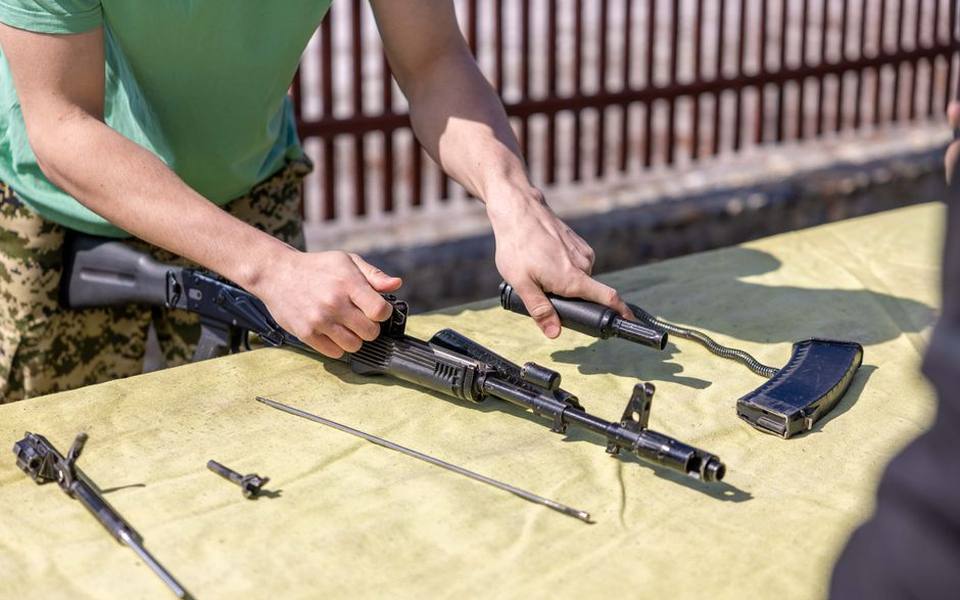
Upgrading standard controls significantly improves weapon handling for both right-handed and left-handed operators. Installing an ambi safety selector ar15 allows the shooter to manipulate the safety lever effortlessly from either side of the lower receiver using either thumb or trigger finger. Many modern selectors allow users to swap between standard ninety-degree throws and short forty-five-degree short throws, expediting manipulation during dynamic drills while keeping the firing hand seated on the pistol grip.
When assembling the fire control group, proper lubrication and careful alignment of the hammer and trigger pins prevent egging out the pin holes in aluminum receivers. Aftermarket drop-in trigger modules eliminate the need to align separate springs and sears, offering consistent break weights and clean resets in a self-contained cassette. Whichever path you choose, cycling the safety through functional checks with an unloaded firearm confirms the disconnector and safety bar catch correctly in all positions.
Tuning the Cycling Action with Buffer Tube Kits
The rear extension of the AR receiver houses the mechanical heart of the rifle's cycling cycle. A complete buffer tube kit consists of the receiver extension tube, a calibrated recoil buffer weight, an action spring, an end plate, and a castle nut. The interior length and diameter must match whether you are running a carbine collapsible stock, a fixed rifle stock, or a pistol receiver extension, as mixing mismatched components can cause severe cycling stoppages.
Fine-tuning the buffer weight dictates how smoothly the bolt carrier group moves during firing and how much gas energy transfers into the shooter's shoulder. Standard carbine buffers contain three lightweight steel weights, while heavier configurations substitute tungsten weights to delay bolt unlocking. Increasing buffer mass can slow down bolt velocity on over-gassed carbines, reducing felt recoil, softening brass ejection patterns, and mitigating the risk of premature bolt bounce during rapid firing cycles.
Proper installation of the buffer tube requires torquing the castle nut to manufacturer specifications and staking the receiver end plate. Staking involves using an automatic center punch to displace metal from the end plate directly into the notches cut on the castle nut. This mechanical lock prevents the tube from backing out under prolonged recoil or vibration, ensuring that the buffer detent and rear takedown spring remain secured inside the receiver.
Free Float Handguards and Barrel Harmonics
Traditional handguards mount between the receiver and a front handguard cap attached directly to the barrel, which transfers external forces onto the barrel itself. Resting a rifle with a standard handguard on a shooting rest, tree branch, or tight sling places uneven mechanical tension on the barrel, deflecting the bore slightly and shifting the point of impact. Replacing that assembly with a modern free float handguard secures the rail entirely to a proprietary barrel nut mounted to the upper receiver.
By leaving the barrel untouched from the barrel nut forward to the muzzle, the barrel vibrates naturally and consistently during every single shot cycle. This harmonic freedom directly correlates to tighter shot groupings, particularly at extended distances where minor external deflections produce noticeable misses downrange. Modern free-floating rails also offer standardized mounting slots around the circumference, allowing users to mount bipods, lights, and weapon sights without contacting the barrel steel.
Installing a free-floating rail typically requires removing the standard pinned front sight base in favor of a low-profile gas block. The gas block must be aligned precisely over the gas port to ensure reliable cycling without leaking combustion pressure into the handguard interior. Checking the clearance between the inner diameter of the handguard and your gas block ensures they never make contact under barrel whip during rapid fire.
Traditional Metal Finishes and Color Case Hardening
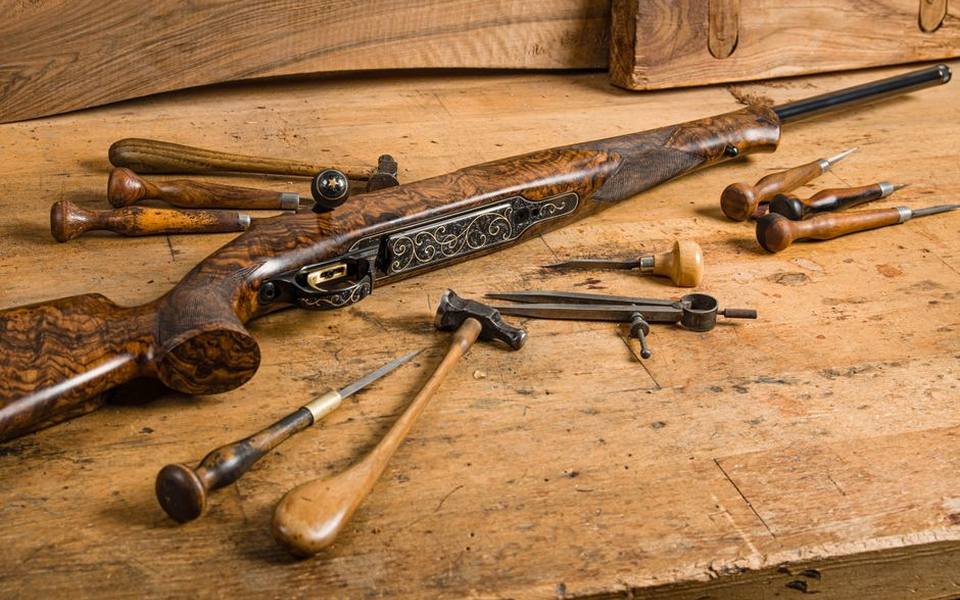
While modern defensive firearms rely heavily on matte nitride or phosphate finishes, classic shotguns, lever-action rifles, and custom revolvers showcase time-honored metallurgical arts. Traditional color case hardening serves both a practical and aesthetic purpose, combining a wear-resistant, high-carbon outer skin with a ductile, shock-absorbing low-carbon core. The process historically involved packing finished steel parts into a sealed crucible filled with charred bone, leather, and wood charcoal before baking them in a furnace.
Once heated to critical temperatures, the parts are quenched in an aerated water bath, which freezes vibrant swirls of blues, ambers, and purples directly into the hardened surface. These colors are the result of light interference through varying microscopic oxide layers formed during the quench. Because the underlying steel remains tough rather than brittle, case-hardened receivers handle internal bolt impacts without fracturing under recoil stress across generations of field use.
Maintaining a color-case-hardened firearm requires avoiding aggressive chemical solvents or abrasive metal polishes, which can strip away the delicate oxide layer and expose the bare gray metal underneath. Gunsmiths often seal these finished receivers with clear protective lacquers or microcrystalline waxes to shield the brilliant color patterns from ultraviolet fading and finger oils. When done correctly, case hardening transforms functional steel receivers into heirloom display pieces.
Modern Aesthetics: Hydro Dipping and Engraving Services
Customizing a firearm's exterior allows owners to blend functionality with personal style, whether camouflaging a hunting rig or personalizing a presentation firearm. The application of hydrographic gun dipping involves floating a specialized water-soluble film containing printed camouflage, carbon fiber, or custom graphics onto the surface of a dipping tank. An activator chemical dissolves the base film, leaving the pigmented ink floating on the water's surface tension, ready to wrap around complex firearm contours.
When the prepped, base-coated stock or receiver is dipped through the floating ink, the pattern transfers seamlessly into every checkering crevice, screw recess, and contoured contour. After rinsing away residual chemicals, the component receives automotive-grade clear coats in matte, satin, or gloss finishes to protect the pattern from solvent exposure and brush abrasion. This process provides complete camouflage coverage on synthetic stocks and aluminum parts where traditional bluing cannot bond.
For metal components, investing in a custom gun engraving service adds tactile relief, scrolls, family crests, or regulatory markings to the firearm. Modern gunsmithing combines hand-chisel craftsmanship with high-precision fiber laser engraving to cut deep serial markings, logos, or delicate Victorian scrollwork into hardened steel and anodized aluminum. Laser systems allow for microscopic detail on small parts, while traditional hand engraving lends a one-of-a-kind, handcrafted texture that machine cutting cannot duplicate.
Published 2026-09-21 · reviewed with each rebuild, last September 2026.
Find gun stores near you
The directory lists 12,328 gun stores by state and city — pick your state or use the “Near me” button in the header.
More guides
-
 Buying
Night Vision, Caliber Choices, and Hearing Protection: The Practical Buyer Guide
-
 Owning
Muzzle Brakes vs Pistol Compensators: Mechanics, Tuning, and Ownership Costs
-
 Owning
Where to Get Fingerprints for Gun Permits, Hearing Gear, and Range Prep
-
 Owning
How to Remove Rust from a Gun Safely Without Damaging the Finish
-
 Buying
Choosing a Skeet Shotgun: Balance, Gauges, and Barrel Specs
-
 Safety
Stun Guns, Tasers, and Protective Range Gear: Practical Buyer's Guide
-
 Buying
Choosing Practical Firearms for Home Defense and Daily Carry
-
 Buying
FFL Transfer Fees and Process Explained: What to Expect at the Counter
-
 Service
Fingerprinting Services, IdentoGO, and FBI Background Checks: The Complete Guide
-
 Safety
Indoor and Outdoor Shooting Ranges: Etiquette, Rules, and Memberships
-
 Storage
Gun Safes and Fireproof Storage: Biometric Safes, Cabinets, and Dehumidifiers
-
 Safety
Body Armor and Ballistic Plates: Threat Levels, Plate Materials, and Carrier Sizing
-
 Safety
Shooting Hearing Protection: Electronic Earmuffs, Custom Earplugs, and Noise Reduction
-
 Owning
Shooting Targets, Clay Throwers, and Range Rests Guide
-
 Owning
Concealed Carry Holsters: Kydex, Leather, IWB, OWB, and Specialized Rigs
-
 Owning
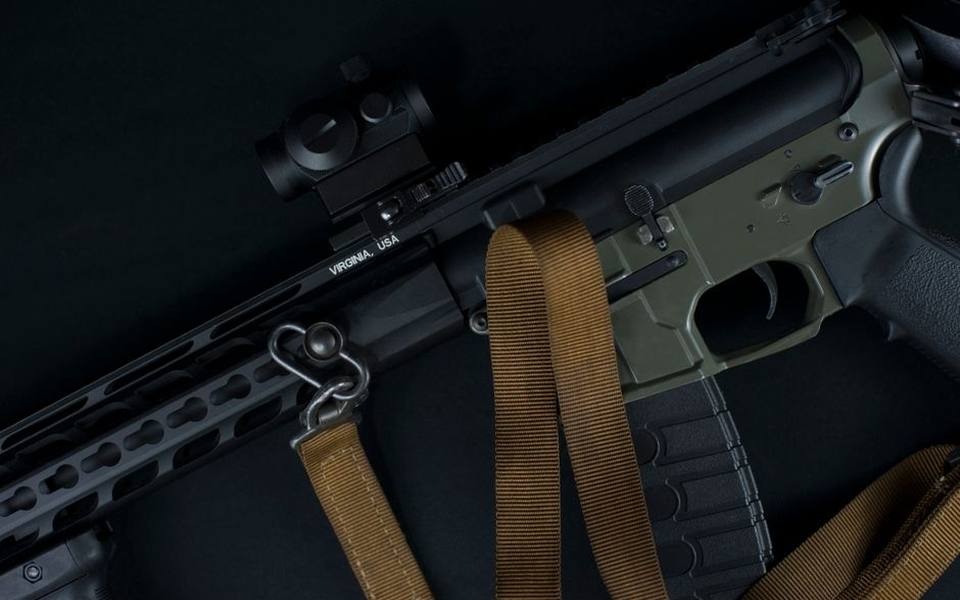
Rifle and Shotgun Slings: Single-Point, Two-Point, and Mounting Hardware
-
 Owning
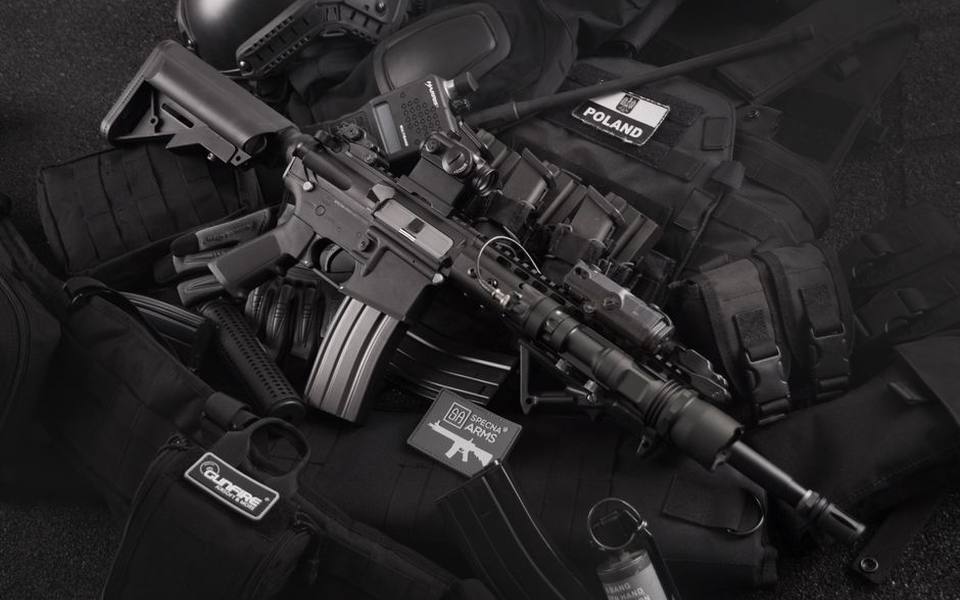
Everyday Carry and Tactical Accessories: Range Bags, Gun Locks, and Practical Gear
-
 Owning
Gun Cleaning Kits and Maintenance: Cleaners, Oils, and Solvents
-
Safety
Everyday and Noise Reduction Earplugs: A Practical Comparison Guide
-
 Safety
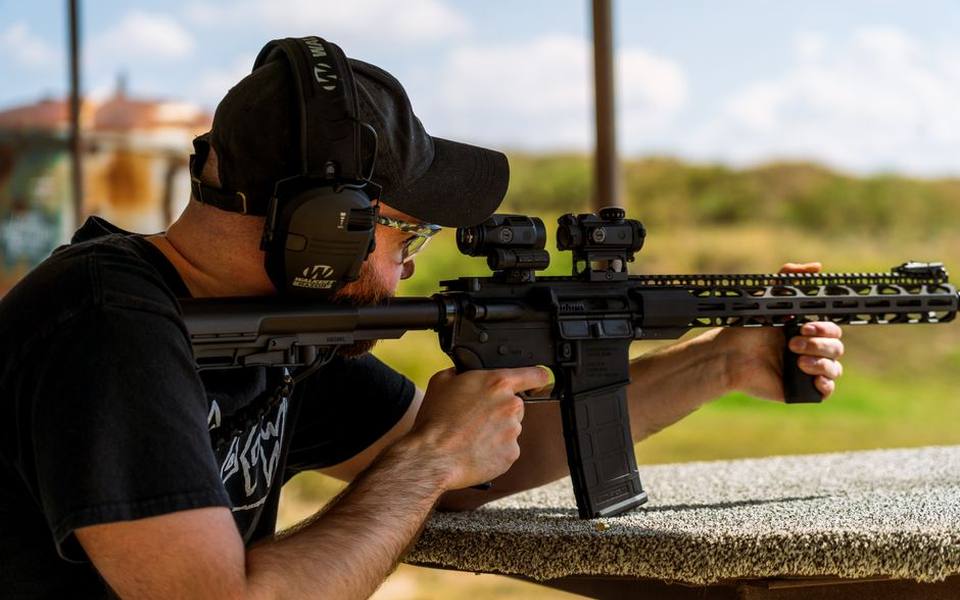
Firearm Safety Rules, Concealed Carry Courses, and Tactical Shooter Training
-
 Service
Rifle Customization, Caliber Selection, and Bench Work: A Guide to Practical Gunsmithing and Reloading
-
 Safety
Shooting and Hearing Protection: Guide to Earmuffs, Plugs, and Electronic Defenders
-
 Buying
Choosing Spotting Scopes, Binoculars, and Specialized Night Optics
-
 Safety
Active Shooter Response, Tactical Handgun Courses, and Firearm Safety Training Guide
-
 Buying
Night Vision Optics and Spotting Scopes Buyer's Guide
-
 Buying
Firearm Valuation, Appraisal, and Used Buying Guide
-
Safety
Layering Personal Defense: Less-Lethal Tools, Purpose-Built Firearms, and Medical Gear
-
 Buying
Hunting Ammunition, Calibers & Reloading Supplies Guide
-
 Owning
Concealed Carry Reciprocity, Licensing Basics, and Buying Regulations Explained
-
 Owning
Target Shooting & Clay Sports Guide: Air Rifles, Ranges & Eye Protection
-
Storage
Essential Firearm Storage, Cases, Recoil Pads, and Rig Systems
-
 Safety
The Ultimate Guide to Shooting Hearing Protection and Electronic Earmuffs
-
 Owning
Dry Fire Training Systems, Timers, and At-Home Practice Routines
-
 Owning
State Firearm Rules, Training Courses, and Range Guidelines
-
Owning
Essential Tactical Gear, EDC Equipment, Shooting Gloves, and Range Bags
-
 Owning
Everyday Carry Holsters and Wearable Gear: A Practical Selection Guide
-
 Owning
Firearm Upgrades and Tuning: Gas Blocks, Sights, and Mounts
-
 Owning
CCW Permits, Licensing Laws, and Background Check Fingerprinting Guide
-
 Storage
Firearm Safes and Secure Storage: Humidity Control, Security Standards, and Storage Solutions