Understanding How Muzzle Brakes Tame Heavy Rifle Recoil
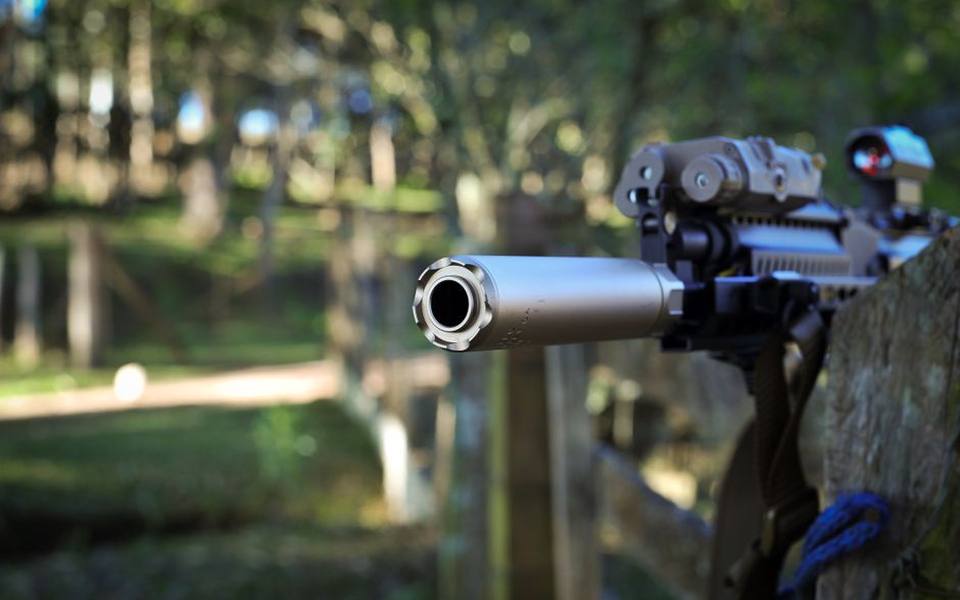
A muzzle brake is an engineered barrel attachment designed primarily to counteract rearward recoil momentum. When a cartridge ignites, high-pressure expanding propellant gases trail immediately behind the exiting bullet. A muzzle brake intercepts these energetic gases through angled internal baffles and lateral expansion ports, redirecting them sideways and slightly rearward. As that high-velocity gas slams into the forward-facing baffle walls inside the brake, it literally pulls the firearm forward, neutralizing a substantial percentage of the sharp kick you feel against your shoulder.
Rifle shooters utilize brakes on everything from precision bolt-action rigs to lightweight carbines to stay on target through the optic. Without that gas redirection, heavy calibers produce substantial shoulder fatigue and sight displacement, preventing you from spotting your own bullet impacts downrange. In competitive precision disciplines or long hunting practice sessions, that reduction in felt recoil allows for immediate follow-up shots and consistent shooting fundamentals without developing a flinch.
That mechanical advantage comes with real trade-offs that every shooter notices immediately. Diverting high-pressure gas laterally creates an intense concussive blast and elevated sound pressure to the left and right of the muzzle. While the person directly behind the rifle enjoys a much softer push, anyone standing beside the bench gets hit with a sharp acoustic shockwave. Brakes also kick up loose dust and gravel when fired prone close to dry ground.
Choosing between different brake styles usually involves balancing recoil reduction against overall length and concussive blast. Radial brakes feature ports drilled evenly around the entire circumference, which helps soften kick but pushes debris into your line of sight when shooting from ground level. Side-baffled designs keep the bottom solid to prevent dust signatures, venting strictly horizontally. If you plan to install one on an unthreaded hunting rifle, consulting experienced gunsmiths ensures your barrel is threaded concentric to the actual bore centerline.
How Pistol Compensators Keep Handgun Sights on Target
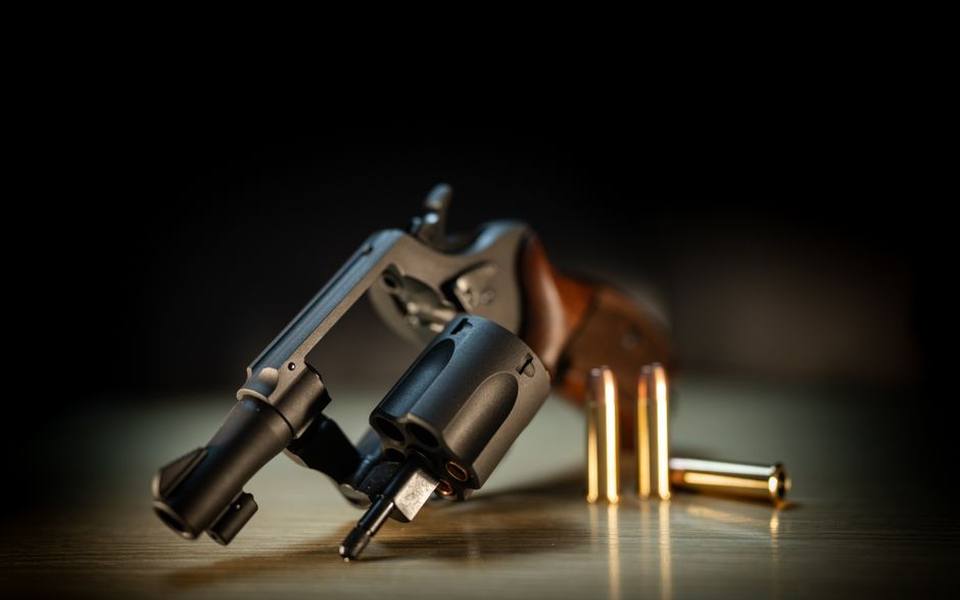
While a rifle brake focuses primarily on pushing forward to blunt heavy backward recoil, a pistol compensator serves a distinct geometric purpose: counteracting muzzle flip. When a handgun fires, the bore axis sits noticeably higher than the natural pivot point of your wrist and grip. That offset causes the pistol slide and muzzle to violently torque upward during cycling. A handgun compensator channels expanding combustion gases directly upward through vertical exhaust ports, exerting instantaneous downward leverage right at the tip of the barrel.
By fighting upward muzzle rise, the compensator keeps your iron sights or red-dot optic centered within your visual window. On standard duty calibers like 9mm, the actual backward thrust into your palm is already quite manageable, so horizontal recoil reduction is secondary. The true mechanical benefit is sight recovery speed, enabling shooters to run rapid, accurate shot strings with minimal sight drift between trigger presses.
Modern handguns utilize compensators mounted either directly to an extended threaded barrel or integrated straight into the slide assembly via barrel porting. Thread-on compensators offer larger expansion chambers and superior gas manipulation, but they increase overall slide length and holster clearance requirements. Machined barrel and slide ports keep the firearm compact for everyday carry, though they slightly diminish projectile velocity by venting gas before the bullet leaves the muzzle crown.
Whether browsing factory-ported handguns or assessing aftermarket parts across used guns at your local counter, remember that a compensator relies entirely on gas volume. High-pressure self-defense ammunition with lightweight, fast-burning projectiles generates immense port pressure, making the compensator work exceptionally well. Conversely, light target ammunition loaded with slow-burning powders produces far less downward thrust, delivering a less noticeable mechanical benefit.
Tuning Recoil Springs and Balancing Handgun Cycling
Adding a compensator fundamentally changes how a semi-automatic handgun cycles. Factory semi-autos are engineered around a delicate balance between bullet mass, powder charge, slide weight, and recoil spring tension. When a compensator vents gas upward and forward, it robs energy from the backward momentum that pushes the slide rearward. If the firearm retains its stiff factory recoil spring, the slide may not travel far enough to fully eject spent brass or strip a fresh round from the magazine.
This dynamic often leads to cycling failures like stovepipes or failure-to-feed malfunctions, especially during initial break-in periods. Handgun owners running compensators regularly need to tune their setups by testing reduced-power recoil springs. Dropping the guide rod spring weight down by just a few pounds allows the lightened slide impulse to cycle completely, restoring smooth extraction and reliable feeding across diverse shooting cadences.
Ammunition selection plays an equally vital role in compensator tuning. Standard low-pressure range ammunition often lacks the propellant volume needed to cycle a heavily braked handgun reliably with stock internals. Many shooters who run compensators on match pistols turn to handloading or choose hotter factory factory-loaded rounds to generate sufficient chamber pressure. Visiting shops stocked with reloading supplies provides the powders and bullet profiles necessary to tailor custom cartridges specifically tuned to port volume.
Maintenance frequency also increases once a compensator enters the equation. The interior baffles, expansion ports, and barrel threads collect heavy carbon fouling and vaporized lead deposits far faster than bare muzzles. If left uncleaned over hundreds of rounds, carbon buildup can physically choke the ports, degrade accuracy by contacting the bullet flight path, or seize the compensator threads permanently onto the barrel shoulder.
Budgeting for Range Sessions and Facility Fees
Testing tuned compensators and zeroing muzzle-braked rifles demands consistent range time, which represents an ongoing ownership expense. Indoor shooting facilities offer controlled conditions, automated target carriers, and climate control, but lane fees accumulate over months of practice. When considering an indoor gun range cost, shooters typically encounter hourly lane rentals ranging from fifteen to thirty dollars, though some venues charge flat daily admission rates depending on lane demand and geographical location.
Many public and private indoor facilities require customers to use specific calibers or purchase their target ammunition on-site to reduce backstop wear. High-velocity rifle cartridges paired with aggressive muzzle brakes may be restricted on shorter indoor lanes due to the acoustic concussive blast rattling adjoining shooting bays. Always confirm whether a facility permits magnum calibers or ported high-pressure handguns before packing your gear bag.
Frequent visitors often find that annual or monthly range memberships soften the ongoing cost per session. Facilities typically offer tiered passes covering unlimited lane time, guest privileges, and discounts on target supplies or firearm rentals. If you visit a shooting bay multiple times each month to confirm optic zeros or function-test new muzzle hardware, an annual pass generally pays for itself within three to four months.
Remember to budget for consumable supplies that accompany every visit. Paper targets, cardboard backers, chamber flags, and adequate ear protection add small but constant expenses. Because muzzle devices substantially elevate sound pressure levels in enclosed concrete spaces, investing in quality double ear protection—combining soft foam plugs with high-grade active electronic muffs—is practically mandatory for your personal hearing safety.
Everyday Maintenance and Solvents for Ported Barrels
Keeping a braked rifle or compensated handgun running smoothly requires regular cleaning, sparking the common question of whether an all-in-one CLP formula is good for gun cleaning. Traditional CLP solutions—designed to clean, lubricate, and protect simultaneously—are well-suited for general field maintenance, light slide rail wipedowns, and wiping exterior metal surfaces to prevent environmental oxidation. For basic daily upkeep after a modest practice session, a reliable CLP effectively lifts unburned powder grains and leaves a protective barrier.
However, dedicated muzzle devices generate specialized maintenance hurdles that multi-purpose fluids struggle to solve alone. Compensator ports and brake baffles experience extreme heat and direct flame contact, resulting in rock-hard carbon crusts and vaporized lead bake-on. An all-in-one spray rarely contains the chemical strength needed to break down severe carbon deposits without extensive mechanical scrubbing with bronze brushes or brass dental picks.
For serious carbon removal on muzzle ports, dedicated carbon-dissolving solvents or ultrasonic cleaning tanks deliver vastly superior results. Soaking a detached compensator in a specialized solvent bath softens stubborn baked-on rings around the exit aperture, preserving clean gas flow channels without gouging the underlying metal surface finish. Once clean, reapplying a dedicated synthetic lubricant keeps sliding contact surfaces protected against heat breakdown.
Pay special attention to the thread interface when remounting muzzle devices after a thorough scrub. Many shooters secure threaded compensators with high-strength thread lockers or heat-resistant retaining compounds to keep them clocked squarely against dynamic recoil vibrations. Using an oil-heavy product like CLP directly on bare threads prior to applying thread locker will compromise chemical adhesion, causing the attachment to loosen unpredictably mid-string.
Navigating Fingerprinting and Identity Screening Costs
Owning and legally carrying compensated concealed handguns or obtaining regulated specialty hardware often requires formal fingerprinting and identity verification. Many state licensing boards, security clearances, and municipal permitting departments mandate electronic biometric submissions through certified scanning vendors. When calculating your total paperwork expenses, prospective permit holders regularly ask about standard Live Scan price schedules and private service rates.
The overall fee for digital fingerprinting consists of two separate components: the private vendor rolling fee and the state or federal processing surcharge. When researching Live Scan costs near your neighborhood, private vendor rolling fees typically run between twenty and forty dollars for capturing your digital prints. Meanwhile, state justice departments and the FBI add administrative processing fees that can bump the total tally to between sixty and one hundred dollars depending on jurisdiction.
Major national verification vendors handle large portions of these background appointments for state carry licenses and professional certifications. Exploring an IdentoGO price structure reveals standard state-negotiated rates that fluctuate depending on the specific agency requesting the file. In most states, booking an appointment through an authorized enrollment center requires paying the combined state agency fee and rolling fee directly through their online portal prior to arriving.
Arriving prepared ensures you do not waste time or money on rejected digital prints. Bring two valid forms of government identification, ensure any municipal ORI forms or agency routing codes are filled out without errors, and avoid handling heavy abrasives or chemical solvents on the day of your appointment. Clean, uninjured fingertips produce crisp ridge impressions that clear administrative scanning thresholds on the first attempt.
Background Check Expenses and Licensing Budgets
Acquiring firearms, lower receivers, or specialized frames intended for custom compensator builds invariably involves an official background check. At the federal level, dealers utilize the National Instant Criminal Background Check System (NICS), which does not charge a direct fee to the individual consumer. However, the overall criminal background check cost is shaped heavily by state-level point-of-contact laws and individual dealer administrative overhead.
In states that maintain their own internal point-of-contact systems, state police or justice agencies levy mandatory screening fees that typically range from two to thirty-five dollars per transaction. These state checks query regional databases, mental health records, and municipal protective orders alongside the federal NICS records. These statutory fees are collected directly at the retail register before the dealer transmits your personal identification paperwork.
Beyond state-mandated fees, processing a firearm shipped from an out-of-state retailer or private party incurs dealer service charges. Independent gun shops set their own handling rates to cover staff time, insurance, and federal record-keeping compliance. Arranging intake through verified FFL transfer dealers usually costs twenty to fifty dollars per serialized item, with regional variations depending on local commercial overhead and store volume.
Factor these administrative line items into any custom build budget early on. When you total up background processing fees, local dealer transfer charges, and applicable sales tax, administrative expenses can add fifty to a hundred dollars to your initial purchase before buying a single box of target ammunition or a replacement threaded barrel.
Hunter Safety Education and Practical Certification
Rifle owners who install muzzle brakes on hunting setups must also navigate mandatory education credentials before heading into game lands. Every state mandates completion of an approved hunter safety curriculum for new hunters or individuals born after specific statutory cut-off dates. When reviewing requirements, the typical hunter safety course cost remains one of the most affordable investments in practical firearm training.
Many state wildlife agencies provide standard classroom courses taught by volunteer conservation officers completely free of charge or for a nominal administrative materials fee around five to ten dollars. These interactive classroom environments cover firearm mechanisms, safe carry positions, field dressing, ethics, and basic ballistics. They also demonstrate how muzzle blast and loud muzzle devices affect surrounding hunters during field maneuvers.
For hunters seeking scheduling flexibility, official online certification courses offer self-paced modules from home. Commercial online educational platforms partner directly with state wildlife divisions, typically charging between twenty and thirty-five dollars for the digital curriculum. In some jurisdictions, completing the online classroom portion must be followed by an in-person field day to demonstrate safe muzzle handling and basic marksmanship before earning your permanent card.
Once completed, your hunter education certification is recognized across state lines through universal interstate reciprocity agreements. Keeping that credential in your range wallet alongside your carry paperwork ensures you remain compliant whenever traveling for out-of-state big game hunts or booking guided trips across public wilderness regions.
Evaluating Legal Defense Plans and Concealed Carry Policies
Carrying a compensated handgun for personal defense prompts vital questions regarding legal aftermath and financial exposure. If you ever discharge a firearm in self-defense, the legal system immediately initiates complex criminal investigations and potential civil liability proceedings. This reality leads many carriers to wonder whether concealed carry insurance is worth the recurring cost, or if alternative savings methods make better financial sense.
Dedicated self-defense legal plans—technically structured either as insurance-backed indemnity policies or prepaid legal service memberships—are designed to fund your legal defense team. Securing experienced criminal defense counsel, forensic accident reconstructionists, expert witnesses, and bail bond financing can easily exceed tens of thousands of dollars out-of-pocket within days of an incident. For individuals without substantial liquid emergency reserves, these monthly or annual memberships provide critical peace of mind.
However, evaluating these plans requires reading the detailed terms and conditions carefully. Certain states restrict or prohibit the sale of indemnity policies for intentional acts, requiring residents to rely on legal defense trusts instead. Furthermore, coverage policies vary dramatically regarding recoupment clauses, which could theoretically demand reimbursement of legal fees if a court determines your actions were criminally reckless or outside statutory self-defense boundaries.
Choosing whether to enroll depends entirely on your daily risk profile, financial cushion, and regional legal climate. If you carry daily across crowded urban spaces, a reputable defense membership protects your household against catastrophic civil suits and retainers. If your firearm remains exclusively at home or locked inside an indoor range lane, those premium dollars might be better invested in professional defensive training courses and quality gear.
Workshop Refinishing and Applying Paint to Brass Components
Whether customizing vintage sight beads, brass grip panels, or decorative hardware around your gunsmithing bench, firearm owners often ask if you can paint over brass surfaces effectively. The answer is yes, but brass presents unique metallurgical challenges compared to porous steel or textured polymers. Brass naturally forms a microscopic oxide layer and has an exceptionally slick, non-ferrous surface that causes standard spray paints to peel or bubble quickly if applied without meticulous prep work.
Achieving a durable paint bond on brass begins with mechanical abrasion. You must thoroughly scuff the bright, polished metal using fine steel wool, scotch-brite pads, or medium-grit wet sandpaper. This scuffing creates microscopic mechanical tooth for primers to grip. Immediately following abrasion, clean the component aggressively with pure acetone, isopropyl alcohol, or mineral spirits to strip every trace of finger oils, buffing waxes, and metal dust.
The secret to long-term coating adhesion on non-ferrous metals lies in applying a specialized self-etching primer or an epoxy-based bonding primer. Self-etching primers contain mild acid compounds that physically bite into the brass substrate, creating a rock-solid chemical bridge between the metal and your decorative topcoat. Standard automotive primers or multipurpose hardware store rattle cans will invariably flake away under recoil shock or holster abrasion.
Once your etching base coat cures fully, apply thin, uniform coats of high-durability enamel, ceramic coating, or specialized firearm lacquer. If you are refinishing brass hardware that experiences frequent handling or heat exposure, finishing the piece with a heat-cured bake-on clear coat seals the pigment against cleaning solvents like bore cleaners and lubricating oils, preventing premature tarnishing underneath the paint film.
Published 2026-09-20 · reviewed with each rebuild, last September 2026.
Find gun stores near you
The directory lists 12,328 gun stores by state and city — pick your state or use the “Near me” button in the header.
More guides
-
 Buying
Night Vision, Caliber Choices, and Hearing Protection: The Practical Buyer Guide
-
 Owning
Where to Get Fingerprints for Gun Permits, Hearing Gear, and Range Prep
-
 Owning
How to Remove Rust from a Gun Safely Without Damaging the Finish
-
 Buying
Choosing a Skeet Shotgun: Balance, Gauges, and Barrel Specs
-
 Safety
Stun Guns, Tasers, and Protective Range Gear: Practical Buyer's Guide
-
 Buying
Choosing Practical Firearms for Home Defense and Daily Carry
-
 Buying
FFL Transfer Fees and Process Explained: What to Expect at the Counter
-
 Service
Fingerprinting Services, IdentoGO, and FBI Background Checks: The Complete Guide
-
 Safety
Indoor and Outdoor Shooting Ranges: Etiquette, Rules, and Memberships
-
 Storage
Gun Safes and Fireproof Storage: Biometric Safes, Cabinets, and Dehumidifiers
-
 Safety
Body Armor and Ballistic Plates: Threat Levels, Plate Materials, and Carrier Sizing
-
 Safety
Shooting Hearing Protection: Electronic Earmuffs, Custom Earplugs, and Noise Reduction
-
 Owning
Shooting Targets, Clay Throwers, and Range Rests Guide
-
 Owning
Concealed Carry Holsters: Kydex, Leather, IWB, OWB, and Specialized Rigs
-
 Owning
Rifle and Shotgun Slings: Single-Point, Two-Point, and Mounting Hardware
-
 Owning
Everyday Carry and Tactical Accessories: Range Bags, Gun Locks, and Practical Gear
-
 Owning
Gun Cleaning Kits and Maintenance: Cleaners, Oils, and Solvents
-
Safety
Everyday and Noise Reduction Earplugs: A Practical Comparison Guide
-
 Safety
Firearm Safety Rules, Concealed Carry Courses, and Tactical Shooter Training
-
 Service
Rifle Customization, Caliber Selection, and Bench Work: A Guide to Practical Gunsmithing and Reloading
-
 Safety
Shooting and Hearing Protection: Guide to Earmuffs, Plugs, and Electronic Defenders
-
 Buying
Choosing Spotting Scopes, Binoculars, and Specialized Night Optics
-
 Safety
Active Shooter Response, Tactical Handgun Courses, and Firearm Safety Training Guide
-
 Buying
Night Vision Optics and Spotting Scopes Buyer's Guide
-
 Buying
Firearm Valuation, Appraisal, and Used Buying Guide
-
Safety
Layering Personal Defense: Less-Lethal Tools, Purpose-Built Firearms, and Medical Gear
-
 Buying
Hunting Ammunition, Calibers & Reloading Supplies Guide
-
 Owning
Concealed Carry Reciprocity, Licensing Basics, and Buying Regulations Explained
-
 Service
Custom Gunsmithing, Barrel Modifications, and AR-15 Upgrades Guide
-
 Owning
Target Shooting & Clay Sports Guide: Air Rifles, Ranges & Eye Protection
-
Storage
Essential Firearm Storage, Cases, Recoil Pads, and Rig Systems
-
 Safety
The Ultimate Guide to Shooting Hearing Protection and Electronic Earmuffs
-
 Owning
Dry Fire Training Systems, Timers, and At-Home Practice Routines
-
 Owning
State Firearm Rules, Training Courses, and Range Guidelines
-
Owning
Essential Tactical Gear, EDC Equipment, Shooting Gloves, and Range Bags
-
 Owning
Everyday Carry Holsters and Wearable Gear: A Practical Selection Guide
-
 Owning
Firearm Upgrades and Tuning: Gas Blocks, Sights, and Mounts
-
 Owning
CCW Permits, Licensing Laws, and Background Check Fingerprinting Guide
-
 Storage
Firearm Safes and Secure Storage: Humidity Control, Security Standards, and Storage Solutions