Building a Practical Everyday Carry and Range Setup
A well-planned gear setup focuses on everyday utility, safe storage, and dependable range transport rather than accumulating unnecessary novelty items. Many new shooters assume tactical accessories are only intended for specialized training or duty work, but practical gear simply helps you transport, maintain, and access your equipment safely. Whether you are packing for an afternoon of target practice or selecting items to carry daily, prioritizing durable stitching, proven retention, and reliable safety locks keeps your investments secure and organized.
Visiting a local tactical gear store allows you to physically test how holsters, belts, and packs feel against your body before making a purchase. Quality equipment should feel intuitive to handle, withstand rough handling in outdoor weather, and protect sensitive firearm surfaces from unnecessary friction. Many modern gear outlets carry a broad spectrum of hardware ranging from basic transport cases to advanced training timers, giving owners an opportunity to inspect construction details firsthand.
Developing a reliable system requires understanding the distinct boundary between daily carry necessities and range day transport equipment. Trying to make a single compact bag handle both concealed carry errands and full-day range drills usually results in disorganized pockets and overloaded seams. By separating your transport bags, personal utility tools, and range training hardware into dedicated categories, you ensure each item fulfills its specific purpose efficiently and without unnecessary clutter.
Choosing a Dependable Gun Range Bag
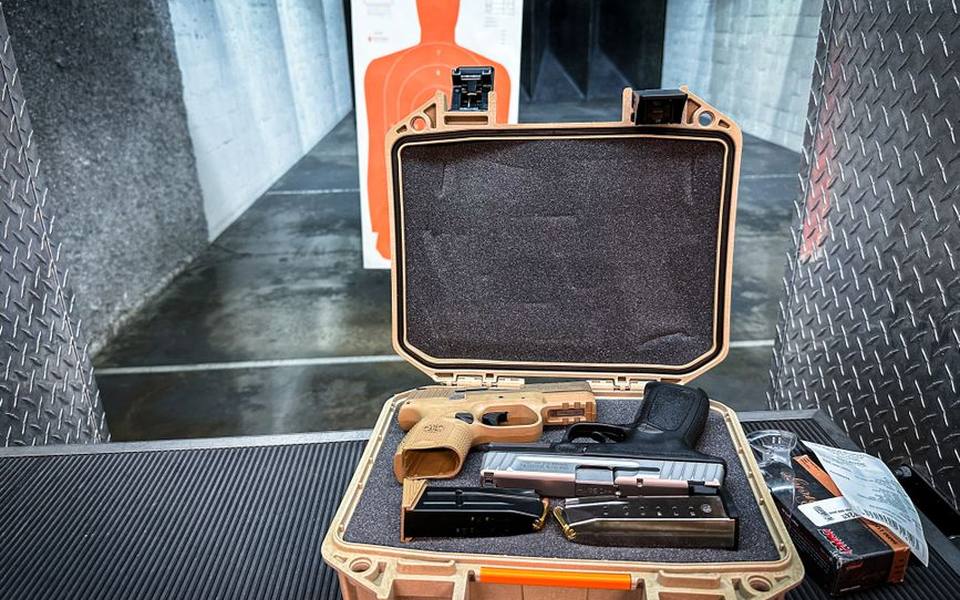
Finding a good gun range bag comes down to structural integrity, sensible pocket architecture, and weight distribution. A typical range bag must support heavy loads, often carrying several hundred rounds of ammunition, cleaning solvents, ear and eye protection, and multiple handguns. Look for bags fabricated from high-denier nylon, reinforced with cross-stitched webbing, and equipped with heavy-duty metal or thick composite zippers that will not bind or split under mechanical stress.
Interior organization prevents sensitive gear from banging together while in transit across rough parking lots or dirt firing lanes. Look for padded internal dividers that can be rearranged or removed entirely to accommodate bulky earmuffs, staple guns, and target rolls. Dedicated pistol sleeves lined with soft fabric are essential for keeping handgun finishes pristine, while separate zippered exterior compartments isolate lead-contaminated items from your clean personal belongings.
A dependable bag also protects your gear from unexpected weather shifts and wet range benches. Premium models typically feature water-resistant rubberized bases or integrated rain covers that keep moisture from seeping upward into cardboard ammunition boxes. Wide, padded shoulder straps with metal swivel clips make carrying heavy bags significantly more comfortable, ensuring that a full loadout does not dig into your collarbone during long walks between parking stalls and distant firing bays.
Protecting Long Guns with a Double Rifle Case
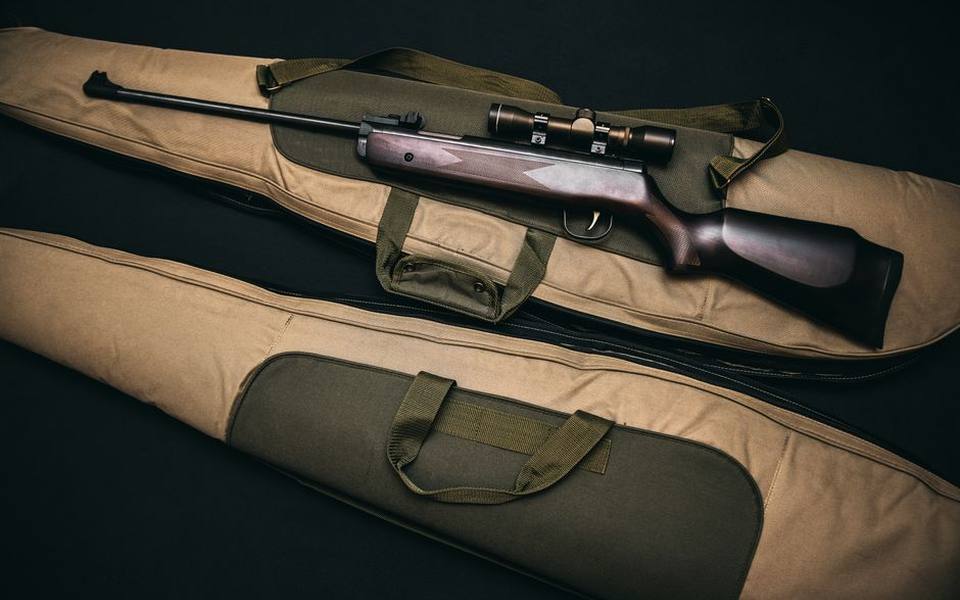
Transporting more than one long gun safely requires a purpose-built rifle case double that prevents optics, barrels, and stocks from colliding. Transporting rifles loose or squeezed into an undersized single sleeve frequently leads to shifted zero points on precision optics, scratched receivers, and bent accessory mounts. A high-grade double case separates both firearms with a thick, closed-cell foam divider that stays rigid even when the bag is hoisted vertically.
Internal retention straps are crucial inside any multi-gun case to secure each rifle firmly against the internal frame. Adjustable hook-and-loop straps or quick-release buckles keep modern sporting rifles, bolt guns, or shotguns from sliding around when you turn corners in a vehicle. Many double cases also incorporate integrated muzzle and stock pockets that cradle the ends of each rifle, preventing forward and backward motion during rapid stops or extended trail walks.
Outer utility storage on long gun cases adds significant functionality for range visits by holding cleaning rods, spotting scopes, and tools. Exterior MOLLE webbing allows shooters to attach auxiliary pouches as needed, keeping everything necessary for a zeroing session in one organized package. When traveling through jurisdictions with strict vehicle transport regulations, ensure your double case features lockable zipper sliders that accept standard padlocks to satisfy legal transport mandates.
Magazine Holders and Pistol Mag Pouches
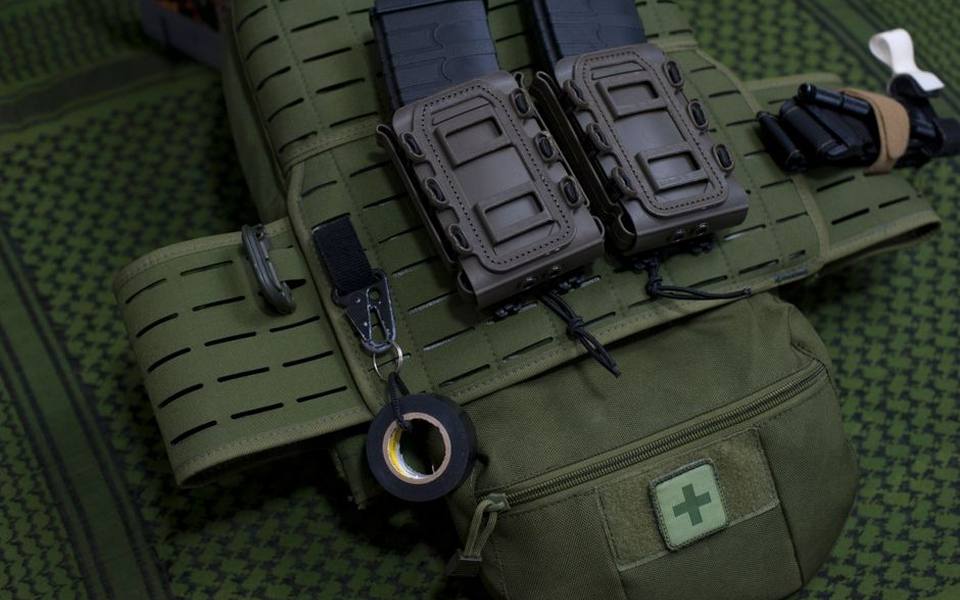
Carrying extra ammunition on your waistline or inside a bag requires a secure pistol mag pouches setup tailored to your specific application. On a range belt, open-top pouches manufactured from molded Kydex or durable polymer allow for rapid, smooth magazine extraction during reloading drills. The friction retention on these rigid carriers can typically be adjusted with tension screws, letting you customize how firmly the magazine is gripped during active movement.
For concealed carry, low-profile pouches designed to ride inside or close to the waistband reduce printing beneath light clothing. A compact gun magazine holder made from flexible nylon or leather molds comfortably against your hip, distributing the weight of dense ammunition evenly across a sturdy gun belt. Choosing a carrier with a reliable steel or heavy-duty polymer clip ensures the entire pouch remains anchored to your belt when you draw the magazine.
Organizing spare magazines inside your primary transport pack requires a different approach than belt-worn carriers. Multi-slot magazine inserts with elastic retention bands hold loaded magazines flat against the interior walls of your bag, preventing them from tumbling to the bottom. Keeping your magazines organized prevents dirt and loose debris from entering feed lips, which is one of the most common causes of feeding malfunctions during structured target sessions.
Practical Everyday Carry Knives for Daily Utility
Quality everyday carry knives serve as versatile utility tools designed to handle hundreds of daily cutting tasks rather than specialized combative roles. From opening cardboard ammunition cases and trimming targets to cutting cordage and performing basic maintenance, a dependable pocket knife is a core component of daily preparedness. Choosing the right folding knife involves balancing blade geometry, locking reliability, pocket footprint, and overall steel performance against your typical routine.
Blade steel selection typically dictates how long an edge lasts before requiring maintenance on a sharpening stone. Modern stainless steels offer exceptional rust resistance and edge stability for daily pocket wear, where humidity and body sweat can quickly corrode cheaper carbon alloys. Practical blade shapes like the drop point or modified sheepsfoot provide strong tips and versatile belly curves suitable for controlled slicing without risking accidental punctures during utility work.
Locking mechanisms must remain secure under varied hand pressure without demanding two hands to close safely. Frame locks, liner locks, and crossbar-style locks are popular because they provide positive mechanical lockup while keeping your fingers clear of the blade path during closing. Always verify blade length restrictions in your municipality, as legal limits for concealed pocket knives vary significantly across municipal boundaries and state lines.
Handgun Upgrades and Glock Accessories
Upgrading a defensive handgun requires a measured approach that prioritizes mechanical reliability and sight visibility over flashy cosmetic alterations. The massive aftermarket for Glock accessories often tempts owners to replace internal springs, trigger bars, and strikers right out of the box. However, altering factory firing systems with unproven competition parts can introduce light primer strikes or reset failures that compromise defensive reliability.
The most practical first upgrade for modern striker-fired handguns is replacing standard polymer sights with durable steel alternatives. Steel night sights or high-visibility fiber-optic front posts withstand the rigors of one-handed slide manipulations and rough handling far better than soft factory sights. Many shooters also benefit from subtle ergonomic enhancements, such as extended slide stop levers or textured grip sleeves, which improve weapon manipulation without interfering with the internal action.
When installing mechanical upgrades or aftermarket optic cuts, consulting certified professionals ensures critical tolerances remain within manufacturer safety specifications. A quick trip to local gunsmithing services can save hours of frustration, especially when pressing stubborn dovetail sights or fitting aftermarket barrels. Maintaining factory tolerances protects your pistol's operational longevity and preserves internal safety safeties that prevent discharges if the handgun is dropped.
Training Feedback with a Shot Timer for Shooting
A dedicated shot timer for shooting is one of the most objective tools an owner can buy to improve marksmanship and handling efficiency. While paper targets show where your bullets land, they tell you nothing about how long it took to acquire your sights, draw from a holster, or clear a stoppage. By introducing an audible start signal and measuring splits between subsequent shots, a timer strips away subjective guesswork from practice sessions.
Working with a timer allows shooters to break complex marksmanship tasks down into measurable components known as split times. You can isolate your draw-to-first-shot presentation, measure how long magazine reloads take, and analyze your cadence during rapid-fire strings. Setting par times—an initial beep followed by a closing beep—creates structured micro-drills that challenge you to complete specific handling tasks within realistic, repeatable time limits.
Modern timers feature adjustable microphone sensitivity settings, allowing them to register quiet dry-fire trigger clicks indoors or distinguish loud centerfire reports on crowded outdoor ranges. Many models also include delayed start buzzers for solo practice, large backlit screens for direct sunlight visibility, and Bluetooth connectivity to export drill data to mobile tracking apps. Regular use of a timer quickly reveals whether new equipment upgrades actually improve your functional shooting speed.
Securing Firearms with Reliable Gun Locks
Responsible ownership depends entirely on keeping firearms inaccessible to unauthorized persons, making durable gun locks a fundamental safety accessory. Standard cable locks, which thread through the open ejection port and magazine well of an unloaded firearm, provide a basic mechanical barrier against accidental loading. These locks are typically supplied with new firearms by manufacturers and are an effective minimum standard for baseline household safety.
Trigger locks clamp around the trigger guard to physically obstruct the shoe, but they must be applied with extreme caution. A trigger lock should never be installed on a loaded firearm, as the internal locking pins or clamping surfaces can depress the trigger mechanism during installation. For rapid yet restricted access, small steel lockboxes featuring mechanical push-button simplex locks or biometric scanners provide far superior security while keeping defensive handguns accessible to authorized adults.
When transporting firearms in vehicles, many state statutes mandate that firearms remain locked inside a dedicated case separate from ammunition. Cable-locking your transport cases directly to the structural seat frame of your automobile provides an extra layer of theft deterrence during brief stops. Always review applicable safe-storage regulations in your destination area, as statutory storage standards vary widely from one state to another.
Sourcing from Tactical Gear Companies and Local Retailers
Knowing where to source your range equipment and tactical gear supply ensures you receive authentic, durable hardware backed by standard manufacturer warranties. The marketplace contains countless counterfeit nylon bags, low-grade imported optics, and fragile holster clips that fail under moderate range use. Established tactical gear companies build products using Mil-Spec nylon stitching, genuine Cordura fabrics, and rugged composite hardware designed to survive years of severe abrasion.
Shopping locally gives you the distinct benefit of testing product fit, checking zipper smoothness, and verifying holster retention directly with your unloaded firearm. Across the country, finding reputable retailers is straightforward when exploring gun stores on GunStoreAtlas, which catalogues more than 6,500 active stores across leading states. Whether you are browsing premier gun stores in Texas with extensive accessory showrooms or checking regional outlets for used guns and pre-owned gear, brick-and-mortar storefronts offer invaluable hands-on evaluation.
Retail store staff can also help you navigate compatibility nuances between different accessory mounting standards like M-LOK, Picatinny rails, and proprietary holster patterns. They can recommend duty belts stiff enough to support loaded magazine pouches without twisting, and help you select range cases that meet commercial airline travel criteria. Investing in proven equipment from reputable shops saves you money over time by avoiding disposable gear that requires frequent replacement.
Published 2026-09-21 · reviewed with each rebuild, last September 2026.
Find gun stores near you
The directory lists 12,328 gun stores by state and city — pick your state or use the “Near me” button in the header.
More guides
-
 Buying
Night Vision, Caliber Choices, and Hearing Protection: The Practical Buyer Guide
-
 Owning
Muzzle Brakes vs Pistol Compensators: Mechanics, Tuning, and Ownership Costs
-
 Owning
Where to Get Fingerprints for Gun Permits, Hearing Gear, and Range Prep
-
 Owning
How to Remove Rust from a Gun Safely Without Damaging the Finish
-
 Buying
Choosing a Skeet Shotgun: Balance, Gauges, and Barrel Specs
-
 Safety
Stun Guns, Tasers, and Protective Range Gear: Practical Buyer's Guide
-
 Buying
Choosing Practical Firearms for Home Defense and Daily Carry
-
 Buying
FFL Transfer Fees and Process Explained: What to Expect at the Counter
-
 Service
Fingerprinting Services, IdentoGO, and FBI Background Checks: The Complete Guide
-
 Safety
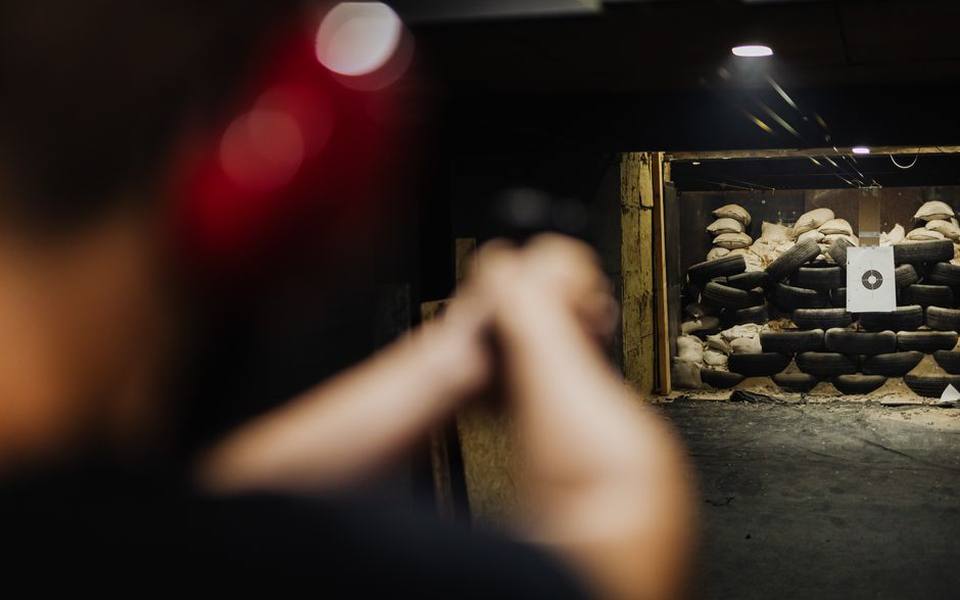
Indoor and Outdoor Shooting Ranges: Etiquette, Rules, and Memberships
-
 Storage
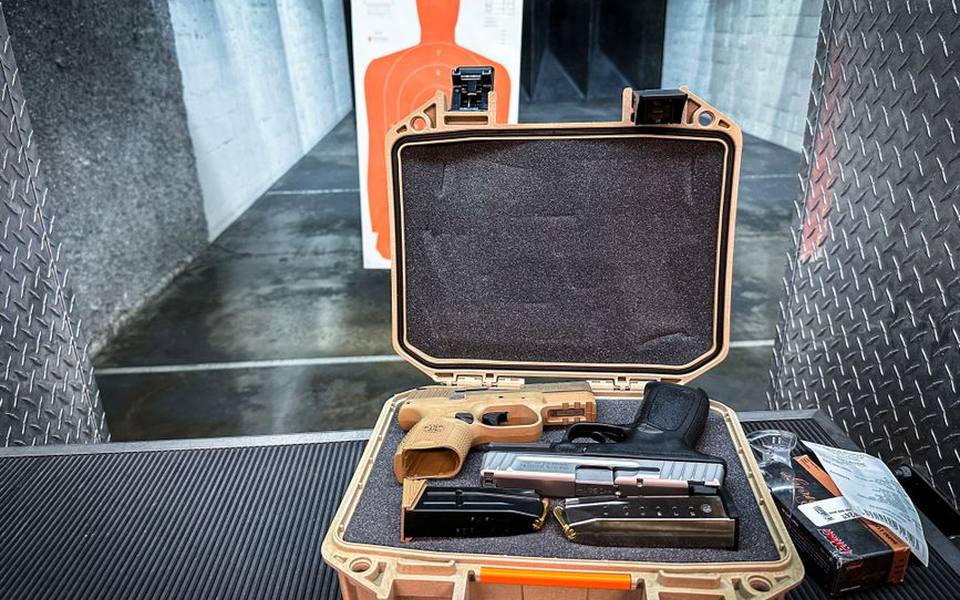
Gun Safes and Fireproof Storage: Biometric Safes, Cabinets, and Dehumidifiers
-
 Safety
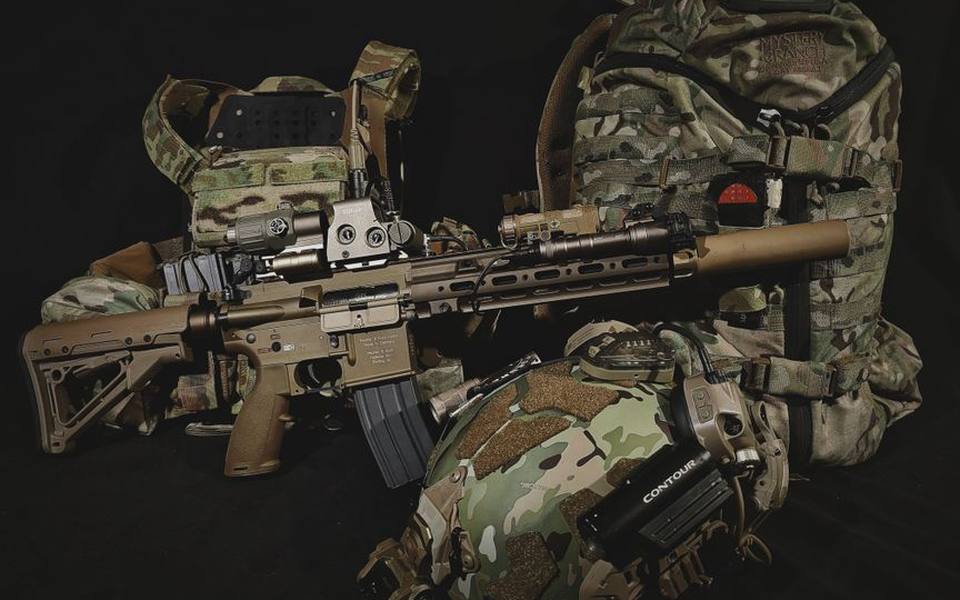
Body Armor and Ballistic Plates: Threat Levels, Plate Materials, and Carrier Sizing
-
 Safety
Shooting Hearing Protection: Electronic Earmuffs, Custom Earplugs, and Noise Reduction
-
 Owning
Shooting Targets, Clay Throwers, and Range Rests Guide
-
 Owning
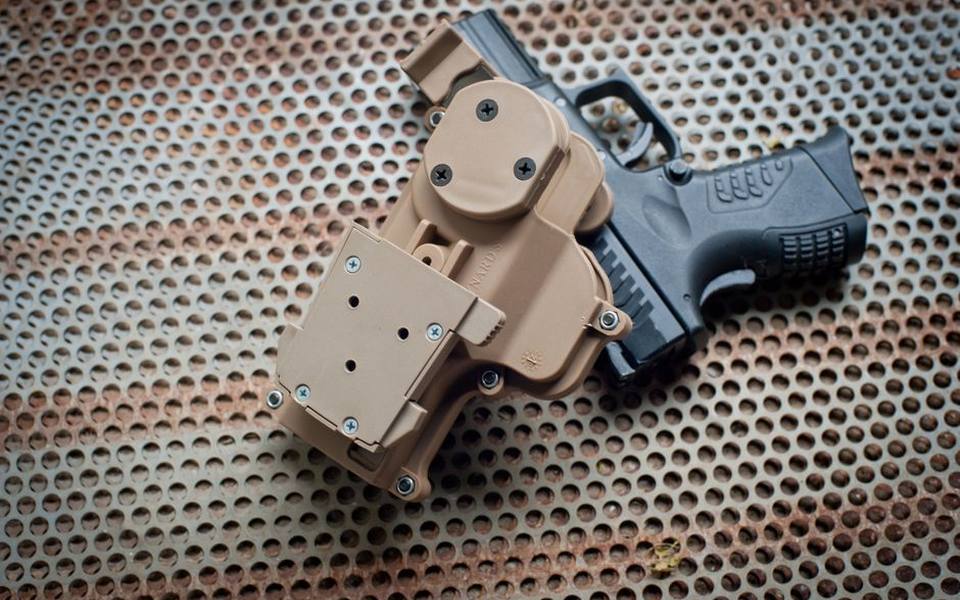
Concealed Carry Holsters: Kydex, Leather, IWB, OWB, and Specialized Rigs
-
 Owning
Rifle and Shotgun Slings: Single-Point, Two-Point, and Mounting Hardware
-
 Owning
Gun Cleaning Kits and Maintenance: Cleaners, Oils, and Solvents
-
Safety
Everyday and Noise Reduction Earplugs: A Practical Comparison Guide
-
 Safety
Firearm Safety Rules, Concealed Carry Courses, and Tactical Shooter Training
-
 Service
Rifle Customization, Caliber Selection, and Bench Work: A Guide to Practical Gunsmithing and Reloading
-
 Safety
Shooting and Hearing Protection: Guide to Earmuffs, Plugs, and Electronic Defenders
-
 Buying
Choosing Spotting Scopes, Binoculars, and Specialized Night Optics
-
 Safety
Active Shooter Response, Tactical Handgun Courses, and Firearm Safety Training Guide
-
 Buying
Night Vision Optics and Spotting Scopes Buyer's Guide
-
 Buying
Firearm Valuation, Appraisal, and Used Buying Guide
-
Safety
Layering Personal Defense: Less-Lethal Tools, Purpose-Built Firearms, and Medical Gear
-
 Buying
Hunting Ammunition, Calibers & Reloading Supplies Guide
-
 Owning
Concealed Carry Reciprocity, Licensing Basics, and Buying Regulations Explained
-
 Service
Custom Gunsmithing, Barrel Modifications, and AR-15 Upgrades Guide
-
 Owning
Target Shooting & Clay Sports Guide: Air Rifles, Ranges & Eye Protection
-
Storage
Essential Firearm Storage, Cases, Recoil Pads, and Rig Systems
-
 Safety
The Ultimate Guide to Shooting Hearing Protection and Electronic Earmuffs
-
 Owning
Dry Fire Training Systems, Timers, and At-Home Practice Routines
-
 Owning
State Firearm Rules, Training Courses, and Range Guidelines
-
Owning
Essential Tactical Gear, EDC Equipment, Shooting Gloves, and Range Bags
-
 Owning
Everyday Carry Holsters and Wearable Gear: A Practical Selection Guide
-
 Owning
Firearm Upgrades and Tuning: Gas Blocks, Sights, and Mounts
-
 Owning
CCW Permits, Licensing Laws, and Background Check Fingerprinting Guide
-
 Storage
Firearm Safes and Secure Storage: Humidity Control, Security Standards, and Storage Solutions