Understanding Modern Night Vision Technology and Core Systems
Choosing low-light and darkness-capable glass requires understanding how different electro-optical systems gather and process light. Traditional night vision optics rely on image intensifier tubes that collect ambient photons from the moon or stars, multiplying them across a photocathode plate into a visible green or phosphor image. In contrast, digital systems use sensitive camera sensors and internal microdisplays to project a rendered picture. Both formats serve distinct roles depending on whether you prioritize instant analog motion clarity or daytime versatility alongside video capture capability.
Thermal imaging represents another distinct branch often grouped within darkness observation. Rather than amplifying available ambient light, thermal devices detect minute temperature differentials between living subjects and their background environment. While thermal units make locating warm-blooded game across hundreds of yards exceptionally fast, they lack the fine environmental detail and optical depth needed to navigate thick brush or identify specific target antlers. Many experienced trackers pair amplified analog tubes with thermal scanners to cover both detection and positive identification without exhausting eye relief in the field.
Budget constraints usually dictate whether a buyer pursues commercial digital setups or dedicated analog units. Digital optics typically enter the market at a fraction of the cost of intensifier tubes, making them attractive for casual property surveillance and seasonal predator hunting. However, analog systems typically offer far longer battery runtimes, superior refresh latency, and zero screen lag during movement. Knowing the limits of battery consumption in freezing temperatures and the necessity of external infrared illuminators helps prevent unpleasant surprises when operating deep off the grid.
Binoculars and Dual-Tube Formats for Depth Perception
Single-tube monoculars remain popular due to their compact footprint and budget-friendly accessibility, but dedicated binoculars for night vision solve the issue of navigational disorientation. When moving through rough timber, across rocky terrain, or operating around stationary machinery in total darkness, a two-tube optical setup restores genuine stereoscopic vision. Depth perception enables the human brain to process subtle shifts in trail elevation, branch obstacles, and ground hazards that appear flattened or misleading through a single monocular lens.
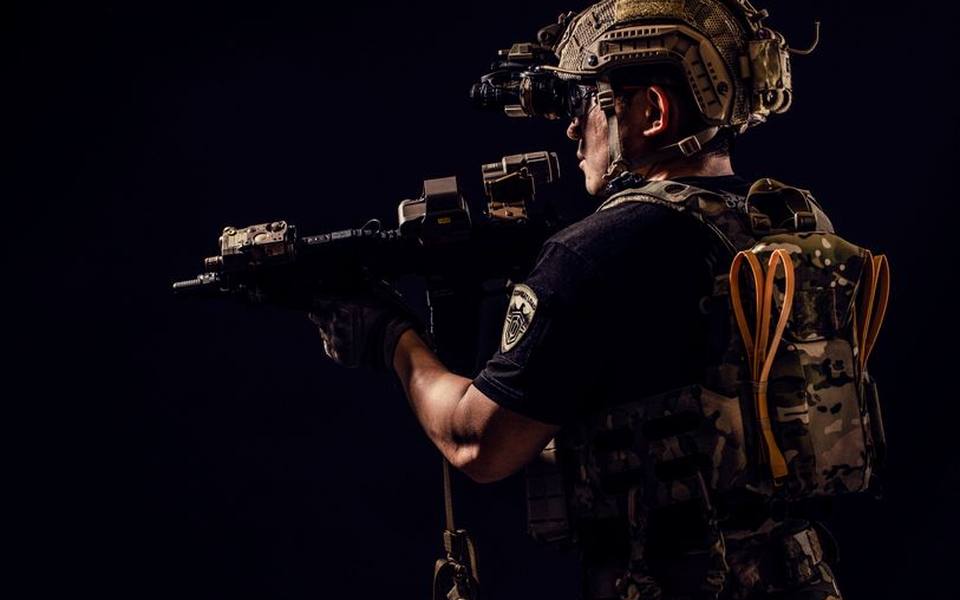
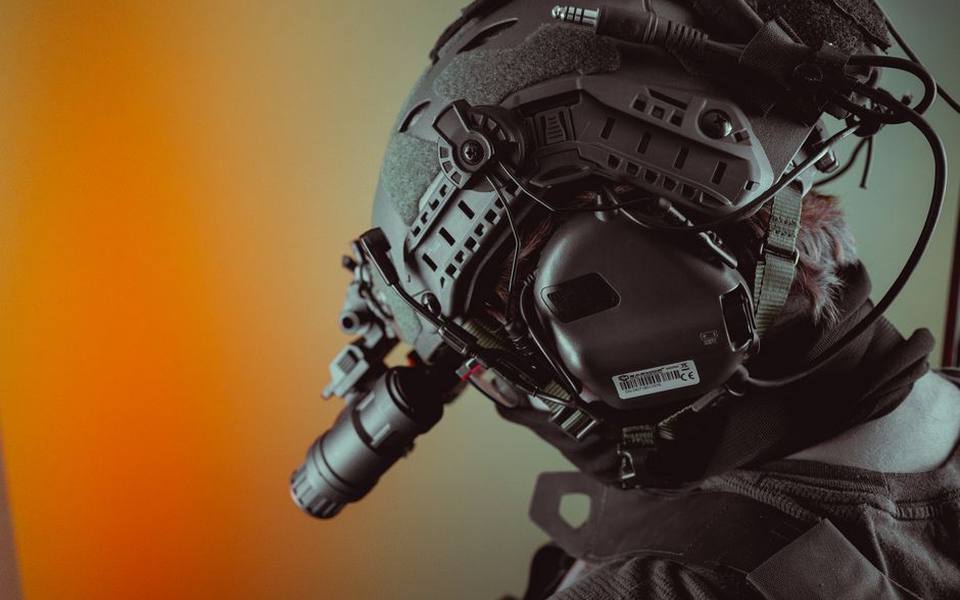
Dual-lens systems fall into two distinct structural categories: true dual-tube goggles featuring independent intensifiers for each eye, and bi-ocular units that split a single optical tube across two eyepieces. While bi-oculars reduce eye strain over extended observation watches, they do not provide authentic optical depth since both eyes receive the identical two-dimensional image. True dual-tube systems remain heavier and require reliable head-harness rigging or helmet counterweights, but they excel in dynamic ground navigation and mobile tactical tracking.
When browsing options at specialty retailers or consulting through licensed Class 3 / NFA Dealers that carry military-adjacent tactical gear, pay attention to weight distribution and peripheral vision. Prolonged use of heavy front-mounted glass causes neck fatigue if not balanced with rear counterweights or lightweight polymer housings. You should also verify whether your target system includes autogated power supplies to prevent sudden tube burnout if headlights or porch lamps illuminate nearby unexpectedly.
Evaluating Optical Clarity and Glass Quality in Spotting Scopes
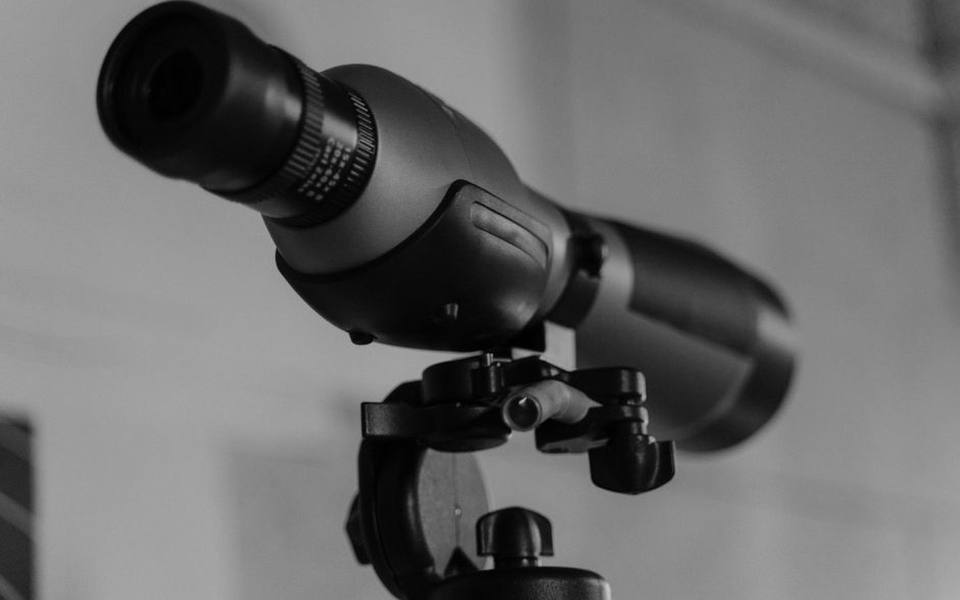
A spotting scope is essentially an ultra-high-magnification monocular designed to resolve fine details at distances where standard binoculars run out of resolving power. What separates the best spotting scopes on the market from budget alternatives rarely boils down to high magnification numbers alone. In reality, excessively high magnification paired with poor glass merely magnifies optical distortions, chromatic aberration, and atmospheric mirage into a blurry, unusable image that strains the viewer's eyes within minutes.
Glass formulation forms the bedrock of optical clarity, with extra-low dispersion (ED) and high-density fluorite elements significantly reducing color fringing along bright edges. Multi-coated lens surfaces maximize light transmission through the prism housing, which proves critical during dawn, dusk, or heavy overcast skies. When evaluating glass, look for flat edge-to-edge sharpness across the entire field of view rather than clarity confined strictly to the dead center of the objective lens.
Objective lens size directly determines how much usable light enters the scope body, with 65mm models prioritizing packable mobility and 80mm to 85mm models delivering brighter pictures at dawn or long range. Angled spotting scopes generally offer more comfort for stationary group viewing, high-angle glassing, and shooting from prone mats. Straight-barrel bodies make target acquisition noticeably quicker when pointing directly at moving targets or tracking downrange impacts from behind a flat shooting bench.
Observation in the Wild: Target Ranges Versus Field Birding
The requirements for spotting scopes used in birding differ noticeably from the priorities of stationary target shooters. Enthusiasts who track migratory songbirds, raptors, and waterfowl demand superior color fidelity, razor-sharp edge contrast, and rapid fine-focus controls to distinguish subtle plumage variations. A scope that introduces a warm yellow tint or optical blurring around feathers fails in the field, even if its overall magnification rating appears impressive on the manufacturer's retail box.
Close-focus capability is another crucial factor that differentiates birdwatching optics from target range gear. Field naturalists frequently glass songbirds nested in tree canopies only fifteen to twenty feet away, requiring internal focus wheels capable of locking onto subjects at short distances. Target shooters, by contrast, rarely require their glass to focus on objects closer than twenty-five or fifty yards, prioritizing reticle compatibility, ruggedized rubber armor, and windage holds over close-proximity macro viewing.
Field mobility also demands careful consideration of total kit weight, including the stability of your field tripod and fluid head. Serious birders spend hours trekking across tidal marshes, rocky ridge trails, and river bottoms, making ultra-heavy 95mm glass a physical liability over a long day. Pairing a lightweight magnesium-body 60mm or 65mm spotting scope with carbon-fiber tripod legs ensures steady viewing without forcing you to abandon vital survival gear or extra water.
Military Reticles and Tactical Spotting Glass Configurations
Spotters working in long-range precision shooting often choose a spotting scope with military reticles rather than standard clean-aperture glass. Integrating an etched milliradian or minute-of-angle grid within the eyepiece allows spotters to measure downrange bullet splash, calculate accurate range corrections, and communicate precise wind holds to a shooter. These reticles mirror the focal graduations found in tactical rifle scopes, creating a unified communication protocol between spotting partners on precision rifle courses.
First focal plane configurations ensure that reticle hash marks remain proportionally accurate across every magnification setting, preventing mathematical conversion errors under match pressure. High-end tactical spotters also incorporate external accessory rails mounted directly to the aluminum chassis, allowing operators to attach compact red-dot sights for fast target indexing, or laser rangefinder modules for direct target distances without unmounting their eye from the optic.
If you plan to incorporate specialized tactical glass or integrate weapon-mounted spotting hardware, consulting established Gunsmiths can prevent alignment errors and rail stress. Proper torque values on optic rails and tripod shoe mounts prevent optical shifts caused by sudden recoil concussions from nearby muzzle brakes. A solidly braced tactical scope turns long-distance spotting into an exact science instead of an exhausting guessing game.
Prism Optics Solutions for Shooters with Astigmatism
Shooters dealing with natural ocular astigmatism often struggle with standard illuminated red dot sights. The uncorrected light emitted from a simple LED diode bounces across an imperfectly curved cornea, creating a starburst, blurry smear, or deformed cluster instead of a crisp central dot. For individuals experiencing this visual distortion, prism scopes for astigmatism offer an immediate and dramatic optical improvement, restoring crisp target resolution without requiring corrective shooting lenses.
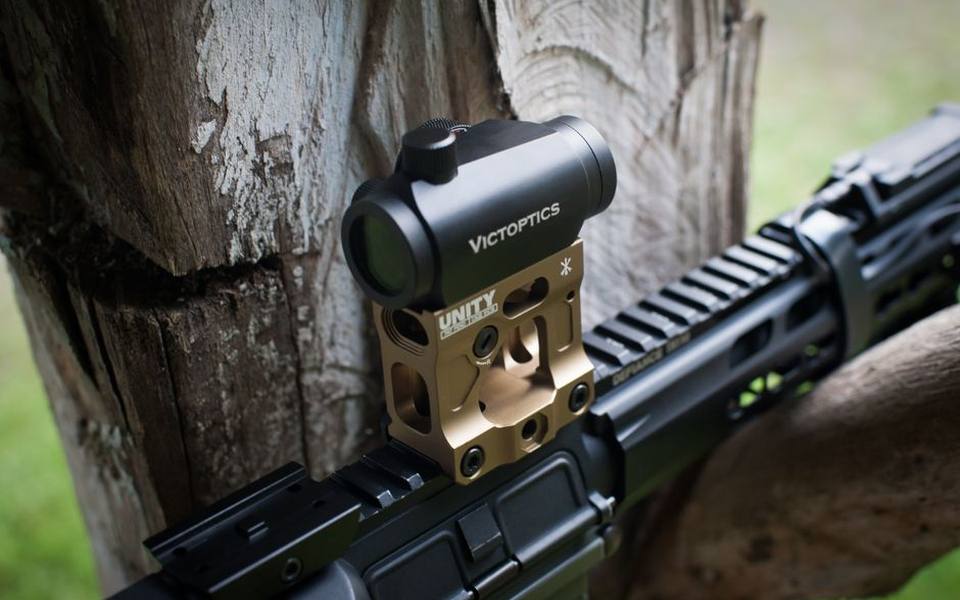
Unlike reflex dots that project an open beam onto an angled lens, prism scopes utilize a solid glass prism cluster similar to the internal construction of marine binoculars. The aiming reticle is etched physically into the glass element itself, meaning the shooter sees an ultra-sharp, precise black reticle regardless of eye irregularities or dead illumination batteries. An adjustable diopter ring on the eyepiece lets users fine-tune optical focus directly to their individual visual prescription.
Prism designs offer exceptional durability and a compact form factor, though they present shorter eye relief compared to traditional infinite-eye-relief reflex units. This means you must mount them consistently along your rifle's upper receiver to maintain a full optical picture. For shooters who value ruggedness, sharp etched reticles, and clear target identification across varied lighting, modern compact prism scopes bridge the gap between heavy variable magnification tubes and unreliable open dots.
Capturing What You See Through Smartphone Digiscoping Adapters
Modern mobile phone cameras carry exceptional sensors capable of recording high-resolution photo and 4K video streams downrange. Using a dedicated spotting scope adapter for iPhone or Android platforms transforms your observation glass into an ultra-telephoto recording rig. Digiscoping allows long-range hunters, target shooters, and wildlife observers to document distant subjects without carrying bulky digital single-lens reflex cameras and multiple pounds of telephoto lenses.
The primary challenge when selecting an optics adapter lies in maintaining structural rigidity and repeatable optical centering. Inexpensive universal plastic clamps with sliding thumbscrews frequently shift when tapping phone screens, leading to darkened vignetting around the edges or complete optical misalignment. Custom molded cases paired with precision threaded collar rings lock your smartphone's primary camera lens flush against the scope eyepiece, eliminating rotational drift and light leaks.
When filming at extreme optical zoom, optical mirage, thermal shimmer, and manual shutter tapping can ruin footage clarity. Using a hands-free Bluetooth shutter remote or an internal timer prevents finger-tap vibrations from shaking the scope barrel during image capture. It is equally important to adjust your phone's camera settings to lock exposure and manual focus, preventing the phone's autofocus algorithm from hunting continuously against the scope's internal exit pupil.
Evaluating Mid-Tier Heritage Brands and Consumer Glass Lines
For many practical shooters, investing multiple thousands of dollars into premium European glass is simply impractical. Consumer brands with decades of optical manufacturing heritage, such as spotting scopes from Bushnell and comparable established manufacturers, provide dependable optical quality at manageable price points. These mid-tier models often incorporate multi-coated glass elements, nitrogen-purged waterproof chassis, and rubberized armor suitable for seasonal hunting and weekly range visits.
The key to getting solid performance out of mid-priced glass is understanding where manufacturers make functional design compromises. Budget-friendly lines often exhibit slight optical falloff along the extreme edges of the field, reduced light transmission during the last ten minutes of legal shooting light, and coarser focus adjustment dials. However, within moderate operating distances between one hundred and four hundred yards, high-quality mid-tier glass easily resolves bullet holes on paper and distinct animal antlers.
Before making a commitment, consider how often you will transport your optic through punishing weather and extreme environments. Mid-tier optics typically hold up well against normal rain showers and temperature fluctuations, provided the internal seals and O-rings remain intact. Checking manufacturer warranty coverage and replacement policies ensures that if internal lens fogging or stripped tripod mount threads ever occur, you have access to direct factory repair services without purchasing a new unit.
Navigating Retail Showrooms and Big-Box Sporting Outfitters
Browsing spotting scopes at Cabela's, Bass Pro Shops, or regional outfitters offers an irreplaceable benefit that online shopping cannot match: hands-on optical testing. Looking through an optic under bright indoor showroom lights will not reveal full dawn-to-dusk low-light performance, but it immediately demonstrates eye relief, eye box forgivingness, turret click firmness, and focus ring smoothness. You can also evaluate physical balance and verify how comfortably the eyepiece fits against your brow bones.
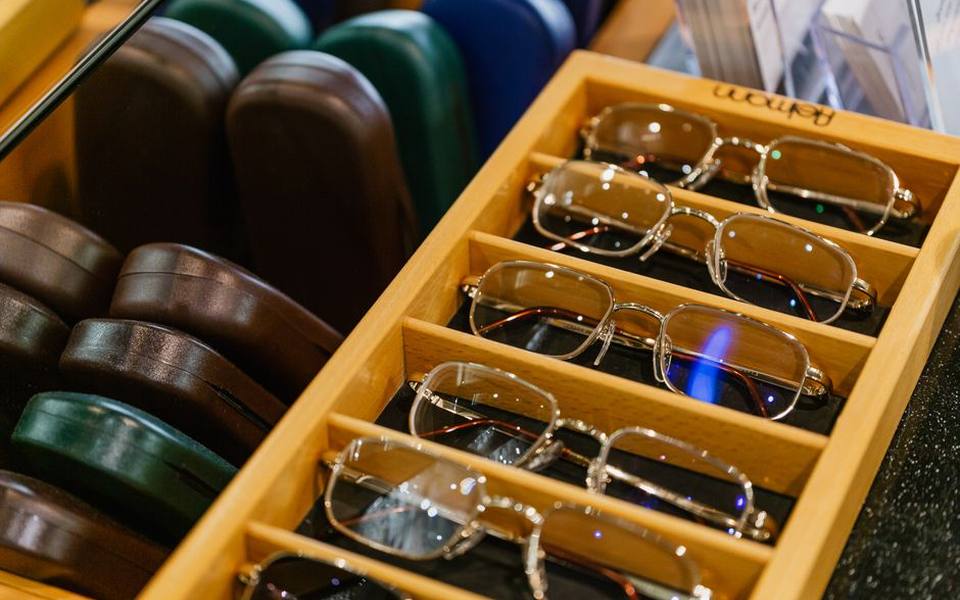
Showroom sales counters also allow you to test matching tripods and mounting window clamps firsthand. An optic is only as good as the foundation beneath it, and mounting a premium 85mm spotting scope onto a spindly, wobbling plastic tripod will completely negate optical advantages. Knowledgeable counter staff at independent regional stores—including the busy retail counters across Gun Stores in Texas—can demonstrate how different mounting plates prevent rotational drift under windy outdoor conditions.
Conversely, encountering spotting scopes at Walmart or standard departmental discount stores generally means viewing entry-level polycarbonate units meant for casual backyard observation. These budget-oriented offerings feature plastic internal lenses and basic prism configurations that lack nitrogen purging or fogproof seals. While they may work for checking fifty-yard rimfire paper targets on sunny afternoons, serious field hunters and long-range shooters quickly outgrow their optical limitations and fragile construction.
Sourcing Optics Online and Mitigating Marketplace Purchase Risks
Digital convenience makes purchasing spotting scopes on Amazon attractive due to rapid shipping and extensive buyer review sections. However, online storefronts require extra scrutiny to avoid grey-market imports or unauthorized third-party resellers. Optics purchased from non-authorized distributors may lack domestic factory warranties, leaving you unprotected if the internal prism shifts during shipping or an internal seal fails during a sudden mountain downpour.
Navigating listings for spotting scopes on eBay requires equal caution, particularly when shopping for pre-owned high-magnification glass. Scratches on front objective lenses, stripped ocular threads, fungus blooms inside unsealed bodies, and counterfeit brand badges are genuine risks on open marketplaces. When hunting for used high-end glass, requesting clear photos of lens coatings held up against direct light helps identify hidden scratches or cleaning abrasions caused by rough field cloth wipe-downs.
A safer alternative to navigating anonymous web listings is visiting vetted brick-and-mortar storefronts or browsing established Used Gun Stores that accept trade-in optics. Local gun counters inspect pre-owned scopes for mechanical tracking, tube dents, and optical alignment before placing them into display cases. Shopping locally across the nationwide directory at GunStoreAtlas lets you inspect the glass in person, negotiate fair values, and support your regional shooting sports community.
Published 2026-09-21 · reviewed with each rebuild, last September 2026.
Find gun stores near you
The directory lists 12,328 gun stores by state and city — pick your state or use the “Near me” button in the header.
More guides
-
 Buying
Night Vision, Caliber Choices, and Hearing Protection: The Practical Buyer Guide
-
 Owning
Muzzle Brakes vs Pistol Compensators: Mechanics, Tuning, and Ownership Costs
-
 Owning
Where to Get Fingerprints for Gun Permits, Hearing Gear, and Range Prep
-
 Owning
How to Remove Rust from a Gun Safely Without Damaging the Finish
-
 Buying
Choosing a Skeet Shotgun: Balance, Gauges, and Barrel Specs
-
 Safety
Stun Guns, Tasers, and Protective Range Gear: Practical Buyer's Guide
-
 Buying
Choosing Practical Firearms for Home Defense and Daily Carry
-
 Buying
FFL Transfer Fees and Process Explained: What to Expect at the Counter
-
 Service
Fingerprinting Services, IdentoGO, and FBI Background Checks: The Complete Guide
-
 Safety
Indoor and Outdoor Shooting Ranges: Etiquette, Rules, and Memberships
-
 Storage
Gun Safes and Fireproof Storage: Biometric Safes, Cabinets, and Dehumidifiers
-
 Safety
Body Armor and Ballistic Plates: Threat Levels, Plate Materials, and Carrier Sizing
-
 Safety
Shooting Hearing Protection: Electronic Earmuffs, Custom Earplugs, and Noise Reduction
-
 Owning
Shooting Targets, Clay Throwers, and Range Rests Guide
-
 Owning
Concealed Carry Holsters: Kydex, Leather, IWB, OWB, and Specialized Rigs
-
 Owning
Rifle and Shotgun Slings: Single-Point, Two-Point, and Mounting Hardware
-
 Owning
Everyday Carry and Tactical Accessories: Range Bags, Gun Locks, and Practical Gear
-
 Owning
Gun Cleaning Kits and Maintenance: Cleaners, Oils, and Solvents
-
Safety
Everyday and Noise Reduction Earplugs: A Practical Comparison Guide
-
 Safety
Firearm Safety Rules, Concealed Carry Courses, and Tactical Shooter Training
-
 Service
Rifle Customization, Caliber Selection, and Bench Work: A Guide to Practical Gunsmithing and Reloading
-
 Safety
Shooting and Hearing Protection: Guide to Earmuffs, Plugs, and Electronic Defenders
-
 Buying
Choosing Spotting Scopes, Binoculars, and Specialized Night Optics
-
 Safety
Active Shooter Response, Tactical Handgun Courses, and Firearm Safety Training Guide
-
 Buying
Firearm Valuation, Appraisal, and Used Buying Guide
-
Safety
Layering Personal Defense: Less-Lethal Tools, Purpose-Built Firearms, and Medical Gear
-
 Buying
Hunting Ammunition, Calibers & Reloading Supplies Guide
-
 Owning
Concealed Carry Reciprocity, Licensing Basics, and Buying Regulations Explained
-
 Service
Custom Gunsmithing, Barrel Modifications, and AR-15 Upgrades Guide
-
 Owning
Target Shooting & Clay Sports Guide: Air Rifles, Ranges & Eye Protection
-
Storage
Essential Firearm Storage, Cases, Recoil Pads, and Rig Systems
-
 Safety
The Ultimate Guide to Shooting Hearing Protection and Electronic Earmuffs
-
 Owning
Dry Fire Training Systems, Timers, and At-Home Practice Routines
-
 Owning
State Firearm Rules, Training Courses, and Range Guidelines
-
Owning
Essential Tactical Gear, EDC Equipment, Shooting Gloves, and Range Bags
-
 Owning
Everyday Carry Holsters and Wearable Gear: A Practical Selection Guide
-
 Owning
Firearm Upgrades and Tuning: Gas Blocks, Sights, and Mounts
-
 Owning
CCW Permits, Licensing Laws, and Background Check Fingerprinting Guide
-
 Storage
Firearm Safes and Secure Storage: Humidity Control, Security Standards, and Storage Solutions