Navigating State Ownership Rules and Background Checks
Buying a firearm across state lines or even in your home county involves navigating layers of federal, state, and municipal statutes. While federal law sets the baseline through Form 4473 and the National Instant Criminal Background Check System, individual states interpret purchase procedures quite differently. In some jurisdictions, you can walk out of a licensed shop the same afternoon once the background check clears, whereas other states mandate multi-day waiting periods, permit-to-purchase cards, or safety certificates before a transfer can occur.
Private party sales also face varying standards across the country. Many states allow private transfers without state intervention if both parties reside locally, but an increasing number require all sales to run through a licensed counter using an FFL transfer service. This process verifies that the buyer is legally eligible to own the firearm, log the serial number, and satisfy state-mandated cooling-off periods. Understanding whether your state requires private party transfers to route through an FFL helps keep every private transaction fully compliant.
Local firearm ownership laws also influence transportation methods, storage requirements, and registration lists. Keeping handguns locked separately from ammunition while driving through certain regions is mandatory, while other states recognize constitutional carry and permit loaded glove-box storage. Because neighboring states often maintain completely conflicting rules, traveling with a firearm requires looking ahead at every jurisdiction along your route rather than assuming your home state permit carries reciprocity everywhere.
Magazine Capacity Limits and Retail Promotions
A frequent point of confusion for gun owners centers on magazine capacity restrictions enacted by individual state legislatures. In a large portion of the country, handguns and rifles ship with standard-capacity magazines holding fifteen, seventeen, or thirty rounds without any regulatory hurdles. However, roughly a dozen states impose hard caps, typically restricting detachable feeding devices to ten rounds, or in some cases fifteen rounds, regardless of whether the platform is intended for target shooting or home defense.
Shoppers living in states like New Jersey, New York, or Gun Stores in California must purchase compliant models equipped with factory-pinned or reduced-capacity magazines. Retailers in non-restricted states frequently run manufacturer promotions offering free extra magazines when you register a newly purchased handgun or modern sporting rifle. Unfortunately, these bonus mail-in offers usually cannot be fulfilled with standard magazines in restricted states unless the manufacturer offers a compliant ten-round alternative that matches the promotional terms.
If you relocate between states, magazine grandfathering rules require careful review. Some states allow residents to keep previously owned standard-capacity magazines if they were possessed before a specific cutoff date, while others require complete removal, destruction, or permanent mechanical alteration. Modifying an existing magazine with epoxy blocks or rivet kits to meet regional compliance is sometimes acceptable, but gun owners generally prefer purchasing dedicated factory-built low-capacity magazines to avoid legal ambiguity during routine range inspections.
First Responder and Law Enforcement Purchasing Programs
Major firearm manufacturers run dedicated discount programs for active duty law enforcement, corrections officers, private security teams, and military service personnel. Commonly referred to by program names like Blue Label or First Responder pricing, these initiatives offer specialized inventory at reduced wholesale-tier prices. The discount typically applies to duty-ready handguns, tactical long guns, and authorized duty accessories, providing savings that make outfitting personal defense gear more manageable on public service salaries.
Qualifying for these discounts requires presenting verifiable credentials at participating retail counters or master distributors. Accepted documents generally include an active agency badge, departmental identification card, official letterhead authorization, or proof of military service. Retired personnel often qualify as well, provided they have honorably separated credentials or retirement identification. The sales counter logs the agency affiliation and submits the required paperwork directly to the manufacturer to validate the discounted allocation.
While pricing is set substantially below standard retail MSRP, inventory allocated to professional discount channels is maintained separately from general retail stock. This means an item out of stock in the general civilian showcase might still have designated units sitting in the agency program safe, or vice versa. Additionally, these programs often bundle the firearm with three full-capacity magazines rather than the usual two, though magazine capacity limits in restrictive states still apply unless agency-issued duty exemptions clearly override commercial sale limits.
Selecting Home Defense Platforms for Smaller Frames
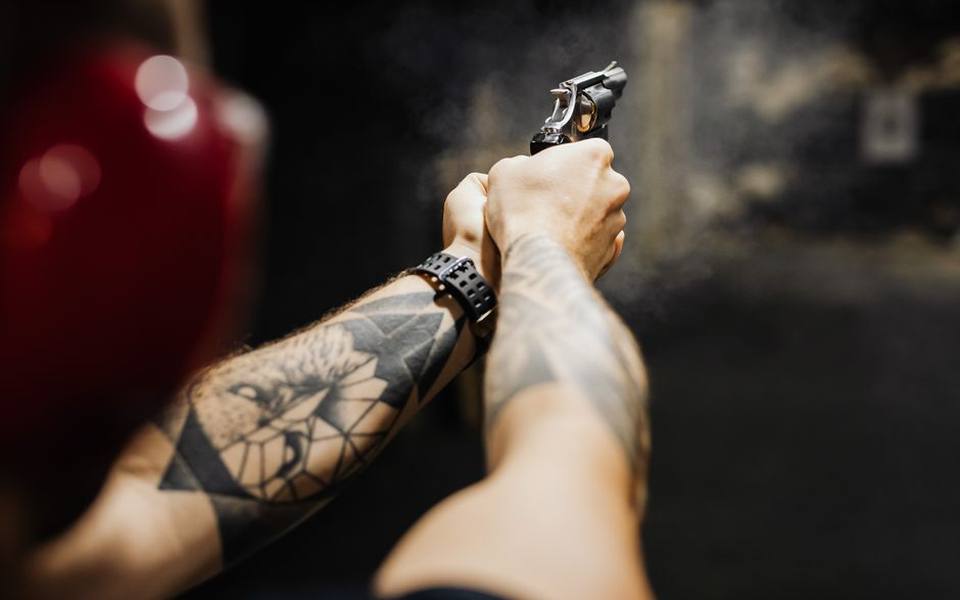
Selecting a firearm for personal protection inside the home involves evaluating ergonomics, recoil tolerance, and mechanical accessibility. For years, conventional advice pushed smaller-framed shooters, including many women, toward ultra-lightweight snub-nosed revolvers. In reality, short-barrel compact revolvers deliver sharp felt recoil and have heavy double-action trigger pulls that can make consistent, accurate shot placement difficult under extreme stress. Modern personal defense instructors generally advise looking at platforms with more surface area and manageable recoil impulse.
Mid-size semi-automatic handguns chambered in nine millimeter have become the primary choice for shooters seeking balanced control. Handguns with interchangeable backstraps, reduced reach to the trigger, and slide serrations designed for easy racking allow individuals with lower grip strength to operate the slide reliably. Examining well-maintained used guns at your local shop can be a budget-friendly way to test different grip contours and see how different frame widths feel in your hand before committing to a purchase.
For stationary home defense, lightweight pistol-caliber carbines or compact shotguns equipped with youth or adjustable stocks offer superior stability compared to handguns. Shoulder-mounted platforms provide three points of bodily contact, significantly mitigating perceived recoil and dramatically improving accuracy in low-light environments. Adding a dedicated weapon-mounted light allows the user to positively identify threats in dark hallways while maintaining a firm two-handed grip on the firearm.
Tactical Rifle Courses and Modern Defensive Drills
Moving beyond basic bench rest shooting requires structured instruction through tactical carbine and defensive rifle training. While static ranges are excellent for zeroing optics and learning trigger reset, tactical courses teach gun handling under simulated physical strain and dynamic conditions. Students learn essential carbine mechanics, including workspace management, rapid emergency reloads, tactical reloads between engagements, and immediate clearing of common malfunctions like stovepipes and double feeds.
Practical movement forms the core of modern rifle curricula. Instructors walk students through engaging targets while advancing, retreating, and working around simulated barricades that replicate doorway corners or vehicle profiles. You learn how to stabilize the rifle against non-traditional supports without allowing your muzzle or optics to make direct contact with hard surfaces, which could deflect your point of impact. Understanding height-over-bore mechanical offset at close ranges is another critical skill emphasized during carbine coursework.
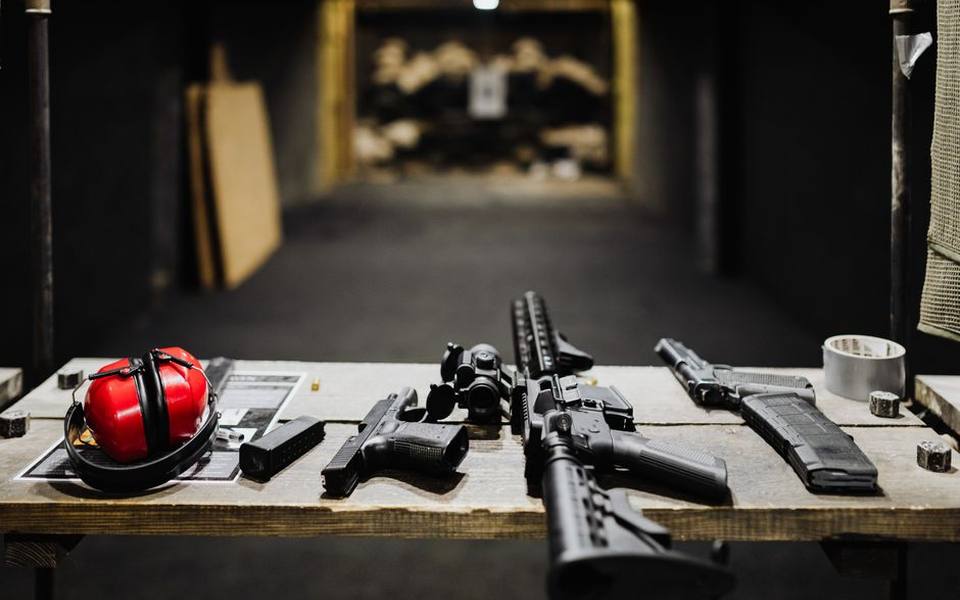
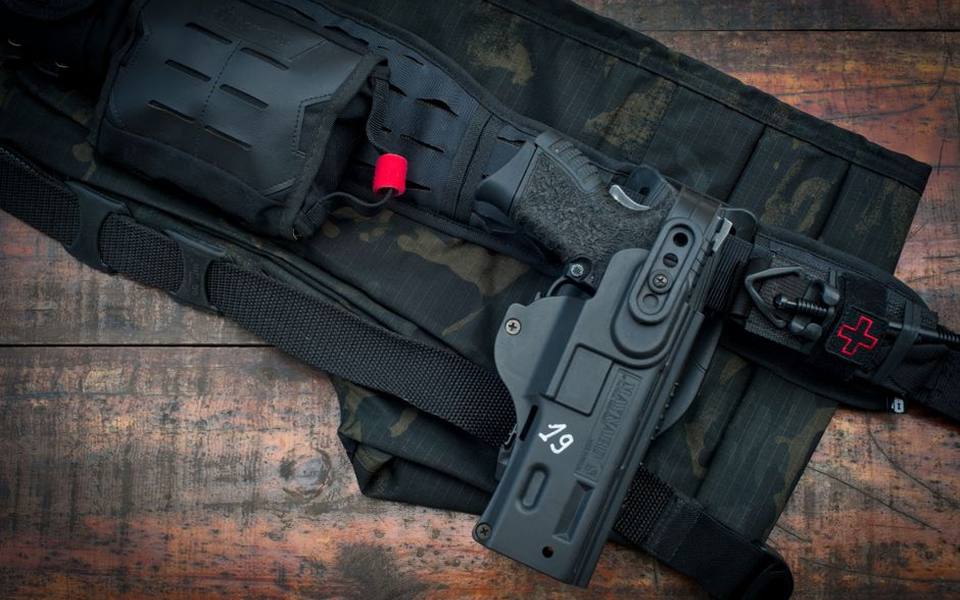
Before enrolling in an advanced rifle class, verify your equipment matches the course syllabus. Most academies require a sturdy two-point sling, a rigid battle belt or chest rig capable of carrying at least three spare magazines, reliable eye and ear protection, and roughly three to five hundred rounds of factory ammunition. Attending with a properly zeroed red dot or low-power variable optic saves valuable class time and lets you focus on movement fundamentals rather than basic sighting mechanics.
Active Threat Response and Defensive Preparedness
Active threat training programs bridge the gap between marksmanship and real-world survivability in public spaces. Unlike standard target practice, these courses emphasize spatial awareness, rapid decision-making, and navigating chaotic environments where innocent bystanders are present. Training scenarios push students to recognize early warning signs of predatory violence, identify viable avenues of retreat, and understand when deploying a defensive firearm is legally justified and tactically sound.
A critical component of any threat response course is the integration of trauma medicine. Modern curriculum frequently pairs firearm handling with immediate casualty care, teaching participants how to apply commercial tourniquets, pack junctional wounds with hemostatic gauze, and maintain open airways until paramedics arrive. Instructors emphasize that stopping severe bleeding within the first two minutes after an engagement is just as vital to saving lives as neutralizing the active danger.
Mental conditioning and de-escalation are equally vital pillars of threat training. Students participate in scenario-based roleplaying exercises using non-lethal training munitions or laser simulators to practice verbal commands, distance management, and threat assessment under elevated heart rates. Learning how to interact with arriving law enforcement after an incident—keeping hands visible, obeying commands instantly, and articulating status as a defensive victim—ensures personal safety after the threat has been stopped.
Shotgun Marksmanship and Practical Target Drills
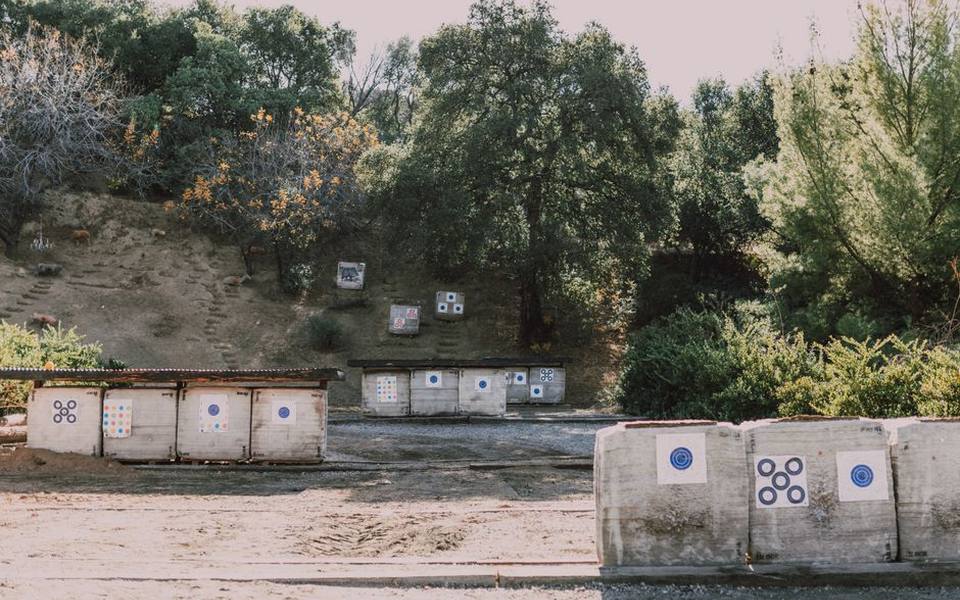
Target practice with a shotgun involves fundamentally different mechanics than shooting precision rifles or centerfire handguns. While handguns require aligning static sights with a fixed bullseye, shotgun target shooting centers on dynamic tracking, consistent swing-through, and understanding your barrel's pellet pattern at varying distances. Patterning your defensive shotgun on a paper target board reveals exactly how different loads—from birdshot to standard buckshot—expand out of your specific barrel and choke combination.
Running target drills on static paper helps shooters evaluate recoil management and cycling speed. Pump-action operators practice working the slide forcefully while bringing the front bead back onto the target, avoiding common short-stroke malfunctions that occur when rushing shots. Semi-automatic shotgun owners use target sessions to confirm that their chosen ammunition generates enough gas pressure or inertia to cycle the action cleanly without hanging up on ejection.
Steel plate racks and reactive knockdown targets provide immediate auditory and visual feedback during shotgun practice. Shooting frangible targets or steel plates with low-recoil target birdshot allows you to practice transitions between multiple targets efficiently. Maintaining a consistent cheek weld along the comb of the stock is essential; lifting your head to watch the target fall almost always causes the shot string to sail high, missing the target entirely.
Clay Target Sports and Midwest Trap Traditions
Clay target shooting represents one of the most accessible and social shooting disciplines in the country. Disciplines like trap, skeet, and sporting clays simulate the unpredictable flight path of game birds using biodegradable clay disks launched from automated throwing houses. Trap shooting involves shooting clays moving away from the shooter at varied angles from five distinct stations, demanding focus, consistent foot placement, and smooth visual tracking across the horizon.
In Midwestern shooting hubs around Omaha and across the Missouri River valley, trap shooting boasts deep cultural roots and lively amateur leagues. Community gun clubs and conservation preserves maintain well-lit trap fields where novice shooters shoot alongside seasoned competitors using dedicated single-barrel trap guns or over-under configurations. Local ranges often host open youth development leagues, corporate trap nights, and regional charity shoots throughout the spring and summer months.
Participating in clay sports requires observing strict field etiquette to keep the squad safe and the rhythm unbroken. Shooters keep their actions open and unloaded while walking between stations, loading only a single shell once it is their designated turn to shoot. Eye protection and sound-suppressing earmuffs are mandatory on all active clay lines, and shooters must pick up their empty hulls at the end of each round to keep the trap pads clear of tripping hazards.
Legal Shooting Hours and Public Land Range Rules
Recreational target shooting on public land, wildlife management areas, and state forests is governed by strict local operating hours and environmental guidelines. In states with vast public timberlands, such as Wisconsin or Michigan, state conservation departments enforce explicit shooting tables tied directly to solar time. Generally, legal shooting hours commence thirty minutes before official sunrise and conclude exactly at sunset, though these hours vary slightly depending on hunting seasons and local municipal zoning.
Disregarding established shooting hours on public property can lead to steep conservation citations or forfeiture of shooting privileges. State department of natural resources wardens actively patrol public ranges and sand pits to enforce dawn-to-dusk boundaries, primarily to prevent poaching and preserve neighborhood quiet hours near residential fringes. Even in states known for expansive shooting rights like Gun Stores in Texas, outdoor facilities enforce defined range operating schedules to maintain neighborly relations and comply with county sound ordinances.
Beyond timing, public land target shooters are required to practice strict environmental stewardship. Shooters must bring their own engineered backstops or shoot against solid earthen berms free of rocks and dry timber that could ignite brushfires. Leaving behind damaged appliances, electronic monitors, glass bottles, or shredded cardboard on public property is classified as illegal dumping, and many states now require that only biodegradable paper targets or authorized self-healing targets be placed downrange.
Crafting Projects and Sustainable Hull Upcycling
After an afternoon on the trap field or at the sporting clays course, shooters are often left with five-gallon buckets overflowing with spent plastic hulls. While dedicated handloaders sweep up once-fired high-brass hulls to reload custom shells with reloading supplies, low-brass promotional hulls frequently end up discarded in range trash bins. Rather than sending these plastic hulls directly to local landfills, creative shooters repurpose them into rustic household crafts and holiday decorations.
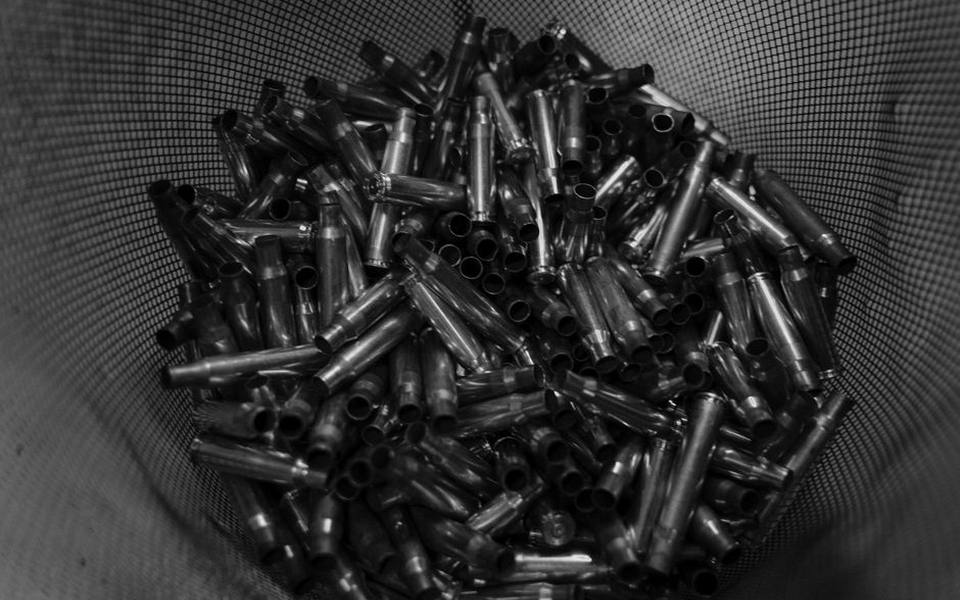
One enduring DIY project involves turning colorful twelve-gauge and twenty-gauge shells into decorative string lights. Crafters carefully slice a cross-slit into the plastic primer pocket of a spent, de-primed hull, then slip the brass end over individual LED bulbs on a standard string of holiday lights. The translucent plastic casing catches the light, glowing brightly in vibrant red, green, or gold hues. These custom light strands are common centerpieces in deer hunting cabins, range clubhouses, and rustic holiday mantels.
Safety is paramount whenever you bring fired range materials into the workshop. Before crafting, hulls must be thoroughly cleaned to remove residual carbon fouling, primer residue, and lead dust. Soaking hulls in warm soapy water, wiping the brass bases dry, and ensuring every single hull is fully spent and inert ensures that your holiday crafts are completely safe to handle, assemble, and store inside living spaces year after year.
Published 2026-09-21 · reviewed with each rebuild, last September 2026.
Find gun stores near you
The directory lists 12,328 gun stores by state and city — pick your state or use the “Near me” button in the header.
More guides
-
 Buying
Night Vision, Caliber Choices, and Hearing Protection: The Practical Buyer Guide
-
 Owning
Muzzle Brakes vs Pistol Compensators: Mechanics, Tuning, and Ownership Costs
-
 Owning
Where to Get Fingerprints for Gun Permits, Hearing Gear, and Range Prep
-
 Owning
How to Remove Rust from a Gun Safely Without Damaging the Finish
-
 Buying
Choosing a Skeet Shotgun: Balance, Gauges, and Barrel Specs
-
 Safety
Stun Guns, Tasers, and Protective Range Gear: Practical Buyer's Guide
-
 Buying
Choosing Practical Firearms for Home Defense and Daily Carry
-
 Buying
FFL Transfer Fees and Process Explained: What to Expect at the Counter
-
 Service
Fingerprinting Services, IdentoGO, and FBI Background Checks: The Complete Guide
-
 Safety
Indoor and Outdoor Shooting Ranges: Etiquette, Rules, and Memberships
-
 Storage
Gun Safes and Fireproof Storage: Biometric Safes, Cabinets, and Dehumidifiers
-
 Safety
Body Armor and Ballistic Plates: Threat Levels, Plate Materials, and Carrier Sizing
-
 Safety
Shooting Hearing Protection: Electronic Earmuffs, Custom Earplugs, and Noise Reduction
-
 Owning
Shooting Targets, Clay Throwers, and Range Rests Guide
-
 Owning
Concealed Carry Holsters: Kydex, Leather, IWB, OWB, and Specialized Rigs
-
 Owning
Rifle and Shotgun Slings: Single-Point, Two-Point, and Mounting Hardware
-
 Owning
Everyday Carry and Tactical Accessories: Range Bags, Gun Locks, and Practical Gear
-
 Owning
Gun Cleaning Kits and Maintenance: Cleaners, Oils, and Solvents
-
Safety
Everyday and Noise Reduction Earplugs: A Practical Comparison Guide
-
 Safety
Firearm Safety Rules, Concealed Carry Courses, and Tactical Shooter Training
-
 Service
Rifle Customization, Caliber Selection, and Bench Work: A Guide to Practical Gunsmithing and Reloading
-
 Safety
Shooting and Hearing Protection: Guide to Earmuffs, Plugs, and Electronic Defenders
-
 Buying
Choosing Spotting Scopes, Binoculars, and Specialized Night Optics
-
 Safety
Active Shooter Response, Tactical Handgun Courses, and Firearm Safety Training Guide
-
 Buying
Night Vision Optics and Spotting Scopes Buyer's Guide
-
 Buying
Firearm Valuation, Appraisal, and Used Buying Guide
-
Safety
Layering Personal Defense: Less-Lethal Tools, Purpose-Built Firearms, and Medical Gear
-
 Buying
Hunting Ammunition, Calibers & Reloading Supplies Guide
-
 Owning
Concealed Carry Reciprocity, Licensing Basics, and Buying Regulations Explained
-
 Service
Custom Gunsmithing, Barrel Modifications, and AR-15 Upgrades Guide
-
 Owning
Target Shooting & Clay Sports Guide: Air Rifles, Ranges & Eye Protection
-
Storage
Essential Firearm Storage, Cases, Recoil Pads, and Rig Systems
-
 Safety
The Ultimate Guide to Shooting Hearing Protection and Electronic Earmuffs
-
 Owning
Dry Fire Training Systems, Timers, and At-Home Practice Routines
-
Owning
Essential Tactical Gear, EDC Equipment, Shooting Gloves, and Range Bags
-
 Owning
Everyday Carry Holsters and Wearable Gear: A Practical Selection Guide
-
 Owning
Firearm Upgrades and Tuning: Gas Blocks, Sights, and Mounts
-
 Owning
CCW Permits, Licensing Laws, and Background Check Fingerprinting Guide
-
 Storage
Firearm Safes and Secure Storage: Humidity Control, Security Standards, and Storage Solutions