The Core Principles of Safe Concealed Carry Gear
Carrying a firearm responsibly begins with a stable, reliable platform rather than the firearm alone. A proper concealed carry holster serves three mandatory duties: completely covering the trigger guard to prevent accidental discharges, maintaining enough retention so the gun never falls out during movement, and keeping the grip oriented in the exact same spot whenever you reach for it. Flimsy fabric sleeves or universal clip-on pouches that collapse when the firearm is drawn fail to deliver these baseline protections, creating unnecessary hazards during regular daily activities.
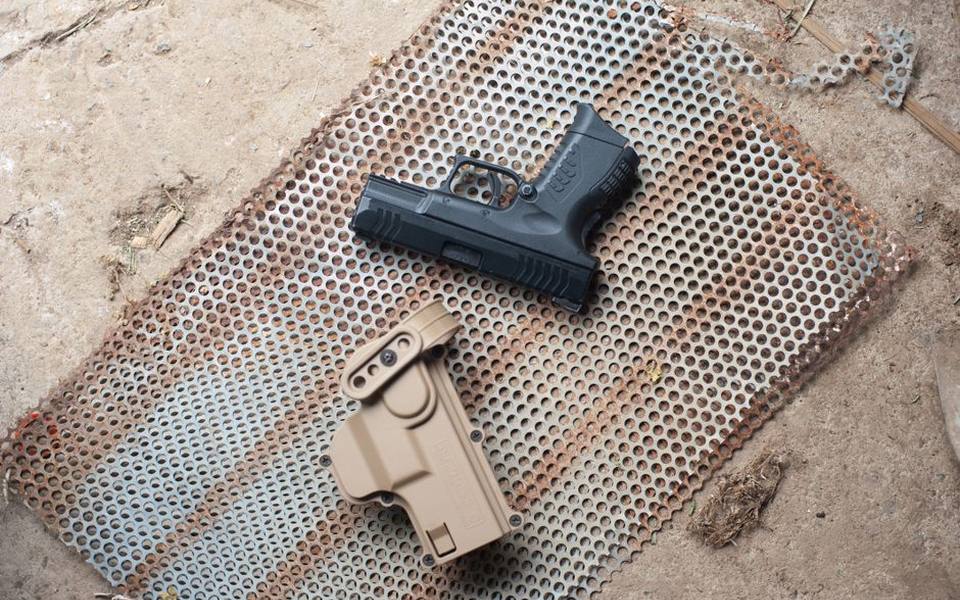
Retention depends on both the material and the physical engineering of the shell. Modern thermoformed polymers provide a distinct mechanical click when the firearm seats properly, whereas thick vegetable-tanned leather relies on friction and precise molding along the contours of the frame. When shopping for accessories, whether alongside new gear or when inspecting holsters for used guns at a local counter, you should ensure the mouth of the shell stays rigid under belt tension. A holster that collapses shut makes one-handed reholstering nearly impossible without pointing the muzzle at yourself.
Your carry platform must also integrate seamlessly with a dedicated belt designed specifically to support weapon weight. Ordinary dress belts tend to sag, twist outward, and pull the grip away from the torso, which causes visible printing through shirts. A reinforced gun belt features an internal polymer or steel stiffener that spreads the mass of the loaded handgun across the entire waistline, keeping your setup secure, snug against your frame, and stable throughout hours of standing, sitting, and walking.
Primary Everyday Carry Holster Designs
Inside-the-waistband models remain the benchmark standard for deep concealment across most seasons. Worn between the undergarment and the trousers, these rigs tuck the bulk of the slide and frame beneath your belt line, leaving only the upper grip exposed. Most shooters place them on the strong-side hip or slightly behind it at roughly the four o'clock position. This orientation allows natural arm mechanics during the draw stroke while keeping the outline hidden under an untucked shirt or casual polo.
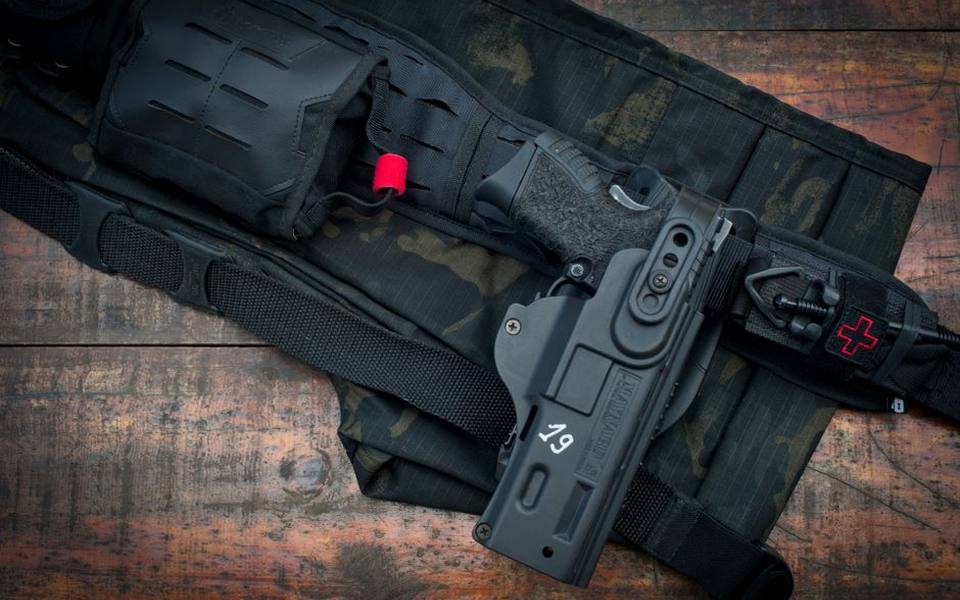
Appendix inside-the-waistband carry positions the handgun directly in front of the body, between the belly button and hip bone. This configuration provides lightning-fast access with either hand, superior weapon retention in crowded environments, and easy concealment under lightweight clothing. However, appendix positioning demands strict discipline during reholstering because the muzzle remains pointed directly toward vital femoral arteries while seated. Adding a foam wedge or rigid claw to the holster shell helps rotate the grip flat against the abdomen, minimizing muzzle hot-spots.
Outside-the-waistband options mount on the exterior of the belt, maximizing all-day comfort by eliminating waistband pinching. While traditional leather pancake models tuck close against the torso, they typically require a cover garment such as a loose jacket, vest, or untucked flannel to prevent exposure. Alternative methods like ankle bands, shoulder rigs, and pocket sleeves serve specific niche roles, particularly for secondary backup pieces or desk workers who remain seated for long stretches and cannot access a standard belt line.
Dialing in Fit and Mechanics for Men
Men selecting everyday carry setups generally contend with flat or straight waistlines that make hip placement straightforward but occasionally prone to printing when leaning forward. The key to resolving this rests in cant adjustment and ride height. An aggressive forward cant of roughly fifteen to twenty degrees tilts the magazine baseplate upward along the curve of the ribs, preventing the back of the slide from tenting outward against your shirt fabric during normal torso bending.
Belt attachment hardware dictates how well the assembly moves with you. Dual-clip hybrid rigs spread the weapon weight across several inches of the belt, which reduces fatigue if you carry a steel-frame compact or mid-sized duty piece all day. Meanwhile, single wide clips provide faster on-and-off convenience when entering locations where carrying is restricted, though they may allow the holster to rock back and forth if the clip width fails to match your belt dimension exactly.
Layering habits also play a substantial role in day-to-day success. Men who wear fitted shirts often struggle with traditional three o'clock hip placement, making appendix setups or tuckable clips far more practical. Tuckable brackets create a thin gap between the holster shell and the exterior clip, letting you dress in a formal tucked-in button-down shirt while the gun stays completely hidden inside the waistband beneath the fabric blousing.
Anatomical Considerations and Gear for Women
Female anatomy presents distinct carry challenges that generic setups rarely accommodate straight out of the box. Women typically have shorter torsos, higher natural waistlines, and broader hip flares compared to men, meaning a standard holster positioned at the hip often drives the grip directly into the ribs while canting the muzzle uncomfortably against the pelvis. Achieving comfort requires gear that accommodates these curves rather than fighting them.
Drop-offset brackets and specialized high-ride clips help position the grip above or below the widest point of the hip. Many women find great success with dedicated belly band systems fabricated from moisture-wicking elastic and medical-grade materials, provided the unit contains a rigid polymer trigger guard insert inside the pocket. These bands allow carry without relying on sturdy belt loops, making them functional with leggings, business slacks, skirts, and athletic clothing.
Corset-style garments, under-bust holsters, and deep-concealment clips designed for flexible waistbands expand wardrobe versatility even further. The primary consideration with any non-traditional woman's setup remains consistent safety: soft elastic sleeves alone should never house a loaded striker-fired handgun without a rigid surrounding barrier. Ensuring firm trigger coverage guarantees that everyday movement, bending, and seated postures never compromise mechanical safety.
Practical Solutions for Larger Body Types
Carrying comfortably with a larger waistline or softer midsection requires thoughtful adjustments to geometry rather than abandoning concealment altogether. When carrying appendix with a fuller abdomen, the natural roll of the stomach can force the grip of the handgun downward and outward, causing the muzzle to dig sharply into the groin while sitting. Switching to a deeper ride height allows the firearm to nest comfortably beneath the stomach contour rather than fighting it.
Many larger shooters find the sweet spot just behind the hip, between the four and five o'clock positions. In this location, the natural hollow below the flank accommodates the bulk of a compact frame easily. Choosing a holster with an extended sweat shield keeps the rear slide serrations, hammer, and optic body from rubbing against bare skin throughout the day, effectively eliminating painful chafing during humid summer months.
Pad attachments and soft teardrop-shaped foam wedges placed at the base of the holster body can revolutionize comfort for bigger frames. These cushions gently tilt the top of the gun back toward the torso while pushing the hard lower edges away from sensitive pelvic bones. Combining these ergonomic pads with suspenders worn beneath a casual overshirt can also relieve belt tension on the lower back without sacrificing draw stability.
Configuring Gear for Mid-Sized Semi-Automatics and Modern Striker Pistols
Mid-sized double-stack polymer handguns, epitomized by compact workhorses like the classic compact duty models, represent the most popular carry pieces in America. While these firearms offer ideal capacity and shootability, their slide thickness and grip length demand rigid, precision-molded polymer shells. A vacuum-formed or CNC-machined kydex holster built specifically for your exact model ensures complete, consistent retention without relying on sloppy universal retention screws.
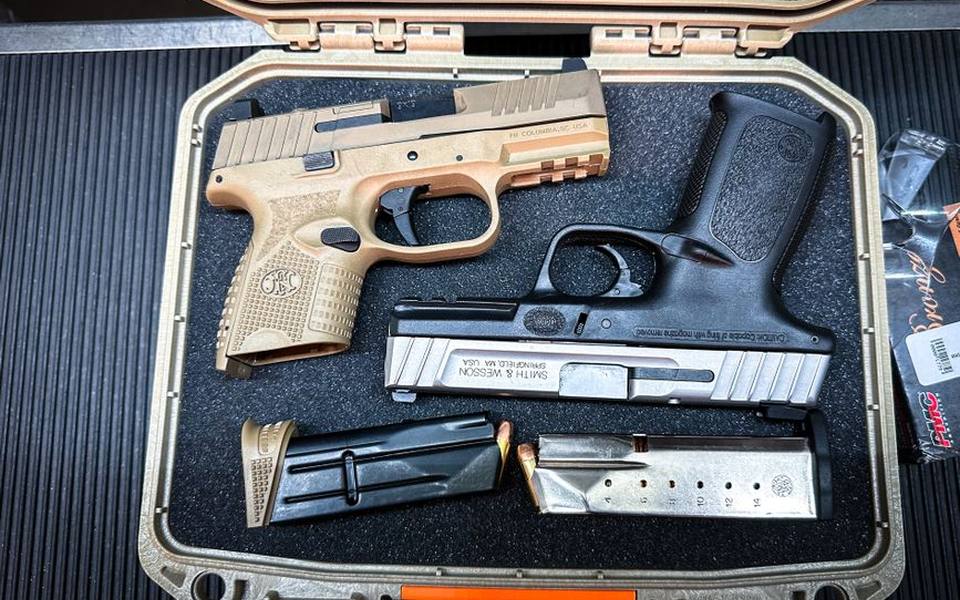
Modern handgun modifications require holsters designed with specific cutouts. If your slide features aftermarket slide cuts, raised suppressor-height iron sights, or a miniature slide-mounted red dot sight, the holster mold must include an extended sight channel and an optic clearance pocket. Shooters seeking customized work or sight installations often consult professional gunsmithing services to verify proper sight alignment before settling on a custom kydex shell with matching clearances.
To conceal a four-inch barrel and fifteen-round grip under a simple T-shirt, modular accessories make an enormous difference. Adding a concealment wing or claw near the trigger guard pushes firmly against the inner face of the belt, levering the tall butt of the magazine tightly into the body's natural rib contour. This mechanical torque flattens the profile of a wider handgun, making a mid-sized pistol carry just as cleanly as a subcompact single-stack.
Carrying Small-Frame Revolvers Comfortably
Small-frame revolvers and snub-nose wheelguns provide distinct geometric advantages for concealed carry. Unlike the angular, blocky corners of semi-automatic slides, the smooth rounded lines of a five-shot cylinder blend naturally into body curves. However, the widest point of a revolver sits directly at the cylinder, requiring a holster design that manages this localized bulge without creating pressure points on the hip bone.
Quality leather remains a traditional favorite for wheelgun rigs because it molds over time to the unique curves of the cylinder and barrel. Reinforced leather pancakes distribute the weight broadly across the belt, while inside-the-waistband models keep the profile slim. When carrying a revolver with an exposed hammer spur, ensure the holster incorporates a tall body shield to prevent the knurled hammer from chewing through shirt linings or poking your ribcage when leaning back.
Pocket carry represents another highly practical application for small wheelguns. A dedicated pocket holster featuring a tacky exterior texture or an integrated polymer hook grabs the inside seam of your pocket liner during a draw. This ensures the firearm emerges cleanly in your hand while the holster shell stays anchored inside the pocket, covering the long double-action trigger pull right up until the weapon is presented.
Wearable Apparel and Integrated Carry Clothing
Purpose-built concealed carry apparel has progressed far beyond tactical-looking utility vests and cargo pants. Modern manufacturers produce everyday denim, moisture-wicking undershirts, tailored button-downs, and jackets that look indistinguishable from casual retail clothing while offering reinforced features designed specifically to support heavy loads without displaying telltale bulges.
Holster shirts featuring integrated compression pockets under the armpit serve as excellent deep-concealment platforms for lightweight subcompacts, especially when wearing suits or formal business attire where belt holsters are impractical. These garments typically position the gun against the torso, secured by hook-and-loop retention straps. While the draw stroke is slower than pulling from a belt, they provide an unmatched concealment profile beneath a tailored dress shirt.
Exterior garments like jackets and overshirts often incorporate hidden internal break-away pockets, reinforced pocket liners, and faux-button snap fronts. Snap closures allow you to rip the bottom hem upward instantly with a single clearing motion, granting rapid two-handed access to your belt holster without fumbling over stiff plastic buttons. When evaluating clothing, always inspect pocket stitching to ensure it will handle loaded magazines and heavy compact frames without tearing.
Off-Body Options and Dedicated Concealment Purses
Off-body carry in dedicated bags, packs, and purses represents a viable option when your wardrobe, physical activity, or work environment makes on-body waistband carry genuinely impossible. However, tossing a loose handgun into an ordinary handbag alongside keys, makeup, and pens is profoundly dangerous. A proper concealment purse features a dedicated, separate zippered compartment equipped with an internal rigid holster that isolates the firearm completely from general contents.
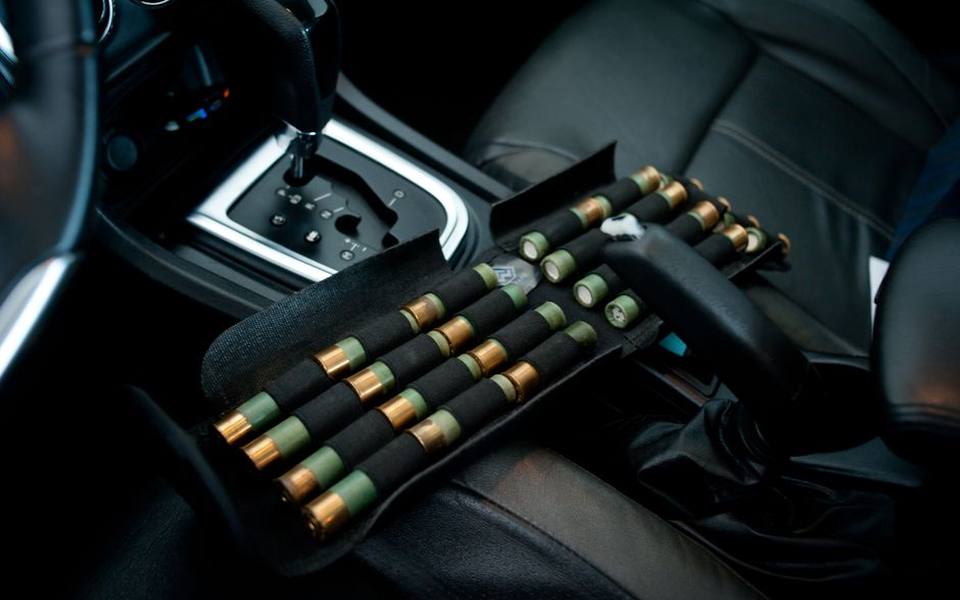
Retention, access, and bag security must remain top priorities whenever carrying off-body. Dedicated carry bags generally include steel wire-reinforced slash-resistant shoulder straps, heavy-duty locking zippers, and ambidextrous zipper tracks that let you slip your hand directly onto the grip without unzipping the main cargo area. Cross-body wear is practically mandatory to keep the bag tethered firmly to your frame, preventing purse-snatchers from stripping your firearm away in public.
The fundamental trade-off with off-body carry is control: you must commit to maintaining immediate, physical contact with the bag at all times. Leaving a carry purse sitting unattended in an office chair, dangling over a restaurant seat back, or resting in a grocery cart introduces severe legal and safety liabilities. If you cannot keep the bag strapped across your torso, the firearm should be locked in a secure container rather than left accessible to strangers.
Vehicle Mounts and Transport Considerations
Vehicle-mounted holsters offer convenient firearm staging during extended highway drives, relieving waistline pressure and eliminating awkward draw angles caused by tight bucket seats and safety belt buckles. These units typically mount to the center console, steering column bracket, or inside a lockable glove compartment. A secure vehicle rig must hold the gun firmly in place during sudden braking maneuvers or sharp turns, preventing it from turning into a loose projectile.
Transitioning between your vehicle rig and your personal belt demands extreme care and discretion. Drawing a loaded firearm in a parking lot to reholster inside your waistband can alarm nearby pedestrians and create legal complications if interpreted as brandishing. Practicing smooth, subtle transitions while remaining seated inside the vehicle—keeping the muzzle pointed in a safe downward direction—ensures your weapon stays concealed from casual observers through the car windows.
Legal standards governing vehicle transport vary widely across regional borders. For example, drivers visiting gun stores in Texas will encounter different vehicle carry allowances compared to travelers stopping at gun stores in Florida, particularly regarding whether firearms must remain concealed from plain view or secured inside latched compartments. Always research regional transportation statutes before attaching a visible mount to your lower dashboard.
Published 2026-09-21 · reviewed with each rebuild, last September 2026.
Find gun stores near you
The directory lists 12,328 gun stores by state and city — pick your state or use the “Near me” button in the header.
More guides
-
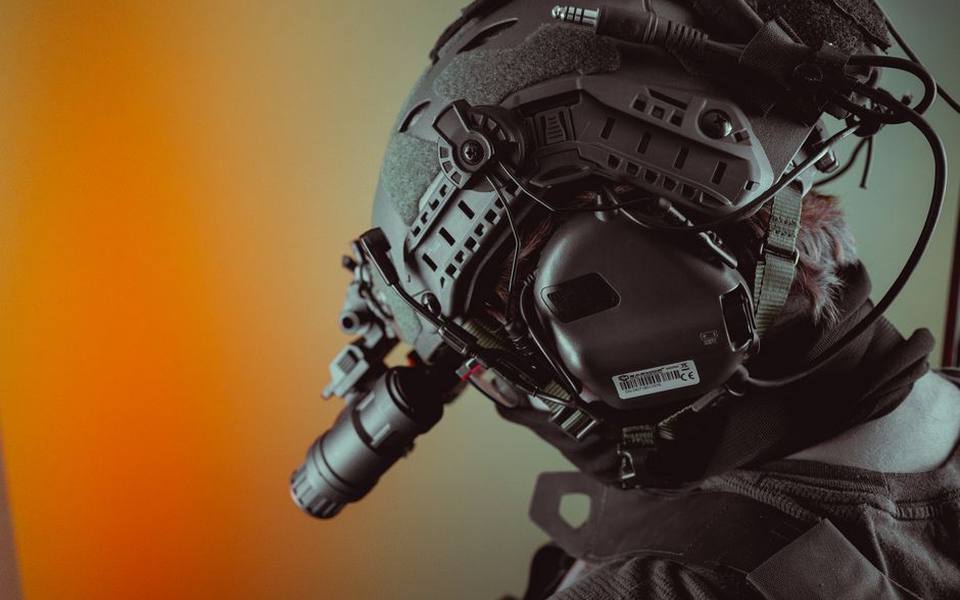 Buying
Night Vision, Caliber Choices, and Hearing Protection: The Practical Buyer Guide
-
 Owning
Muzzle Brakes vs Pistol Compensators: Mechanics, Tuning, and Ownership Costs
-
 Owning
Where to Get Fingerprints for Gun Permits, Hearing Gear, and Range Prep
-
 Owning
How to Remove Rust from a Gun Safely Without Damaging the Finish
-
 Buying
Choosing a Skeet Shotgun: Balance, Gauges, and Barrel Specs
-
 Safety
Stun Guns, Tasers, and Protective Range Gear: Practical Buyer's Guide
-
 Buying
Choosing Practical Firearms for Home Defense and Daily Carry
-
 Buying
FFL Transfer Fees and Process Explained: What to Expect at the Counter
-
 Service
Fingerprinting Services, IdentoGO, and FBI Background Checks: The Complete Guide
-
 Safety
Indoor and Outdoor Shooting Ranges: Etiquette, Rules, and Memberships
-
 Storage
Gun Safes and Fireproof Storage: Biometric Safes, Cabinets, and Dehumidifiers
-
 Safety
Body Armor and Ballistic Plates: Threat Levels, Plate Materials, and Carrier Sizing
-
 Safety
Shooting Hearing Protection: Electronic Earmuffs, Custom Earplugs, and Noise Reduction
-
 Owning
Shooting Targets, Clay Throwers, and Range Rests Guide
-
 Owning
Concealed Carry Holsters: Kydex, Leather, IWB, OWB, and Specialized Rigs
-
 Owning
Rifle and Shotgun Slings: Single-Point, Two-Point, and Mounting Hardware
-
 Owning
Everyday Carry and Tactical Accessories: Range Bags, Gun Locks, and Practical Gear
-
 Owning
Gun Cleaning Kits and Maintenance: Cleaners, Oils, and Solvents
-
Safety
Everyday and Noise Reduction Earplugs: A Practical Comparison Guide
-
 Safety
Firearm Safety Rules, Concealed Carry Courses, and Tactical Shooter Training
-
 Service
Rifle Customization, Caliber Selection, and Bench Work: A Guide to Practical Gunsmithing and Reloading
-
 Safety
Shooting and Hearing Protection: Guide to Earmuffs, Plugs, and Electronic Defenders
-
 Buying
Choosing Spotting Scopes, Binoculars, and Specialized Night Optics
-
 Safety
Active Shooter Response, Tactical Handgun Courses, and Firearm Safety Training Guide
-
 Buying
Night Vision Optics and Spotting Scopes Buyer's Guide
-
 Buying
Firearm Valuation, Appraisal, and Used Buying Guide
-
Safety
Layering Personal Defense: Less-Lethal Tools, Purpose-Built Firearms, and Medical Gear
-
 Buying
Hunting Ammunition, Calibers & Reloading Supplies Guide
-
 Owning
Concealed Carry Reciprocity, Licensing Basics, and Buying Regulations Explained
-
 Service
Custom Gunsmithing, Barrel Modifications, and AR-15 Upgrades Guide
-
 Owning
Target Shooting & Clay Sports Guide: Air Rifles, Ranges & Eye Protection
-
Storage
Essential Firearm Storage, Cases, Recoil Pads, and Rig Systems
-
 Safety
The Ultimate Guide to Shooting Hearing Protection and Electronic Earmuffs
-
 Owning
Dry Fire Training Systems, Timers, and At-Home Practice Routines
-
 Owning
State Firearm Rules, Training Courses, and Range Guidelines
-
Owning
Essential Tactical Gear, EDC Equipment, Shooting Gloves, and Range Bags
-
 Owning
Firearm Upgrades and Tuning: Gas Blocks, Sights, and Mounts
-
 Owning
CCW Permits, Licensing Laws, and Background Check Fingerprinting Guide
-
 Storage
Firearm Safes and Secure Storage: Humidity Control, Security Standards, and Storage Solutions