The Core Fundamentals of Routine Firearm Cleaning
Regular cleaning protects firearm reliability, preserves mechanical accuracy, and prevents corrosion caused by combustion residue and ambient moisture. Every time a cartridge discharges, burning powder leaves behind carbon fouling, while the projectile deposits trace amounts of copper or lead inside the barrel rifling. Over hundreds of rounds, this buildup attracts humidity and increases cycling friction, eventually causing extraction or feed failures. Establishing a systematic cleaning routine keeps your equipment running smoothly and lets you inspect internal parts for unusual wear or fatigue before minor issues cause a stoppage at the range.
A standard cleaning session does not require completely tearing a firearm down to individual pins and springs. Basic field stripping—separating the slide, barrel, and recoil assembly on a handgun, or splitting the upper and lower receivers on a rifle—exposes virtually all surfaces requiring routine care. You typically only need to brush away loose carbon, scrub the chamber and bore, wipe down reciprocating bearing surfaces, and apply a fresh barrier of lubricant. Deep detail stripping is rarely needed more than once or twice a year unless the firearm is subjected to heavy competitive volume or submerged in water.
Always prioritize absolute physical safety before gathering cleaning gear. Remove the magazine, retract the bolt or slide, visually and physically inspect the chamber, and verify that no live ammunition remains in your workspace. Keep live ammunition stored in an entirely separate room during maintenance sessions to eliminate any risk of accidental loading. Once the firearm is completely clear, point the muzzle in a safe direction and begin disassembly strictly according to the manufacturer guidelines.
Selecting the Right Cleaning Kit and Essential Hardware
Finding reliable gun cleaning kits often begins by deciding between caliber-specific packs and universal boxed assortments. Universal boxed sets usually include multi-piece brass or aluminum rods, slotted tips, wire brushes, and mops spanning multiple calibers from small rimfire barrels up to twelve-gauge shotguns. These comprehensive sets work well for owners who maintain diverse firearm collections, though the multi-piece rods can bend under heavy pressure. In contrast, dedicated single-caliber kits provide sturdier one-piece rods or compact pull-through tools specifically tailored to your primary carry gun or hunting rifle.
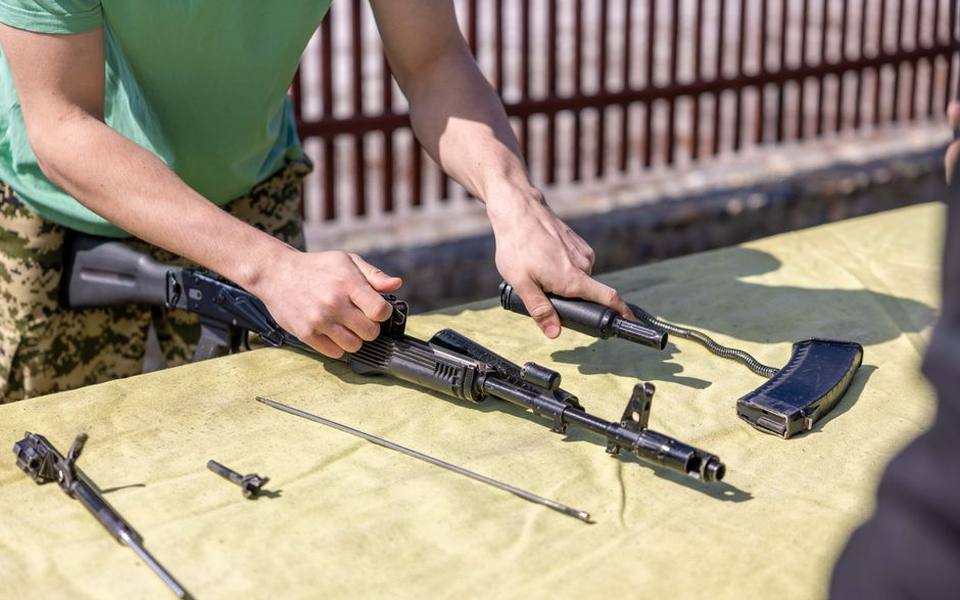
Shoppers frequently evaluate entry-level boxed gun cleaning kits at walmart or mass merchandise stores alongside broad online selections. These big-box retail kits provide great value for beginners because they bundle bronze brushes, cotton patches, and solvent bottles into a single package at a reasonable price point. However, seasoned shooters often upgrade individual tools over time, replacing flimsy plastic jags with machined brass and swapping hollow plastic handles for ball-bearing aluminum handles that let the brush spin freely with the rifling.
When purchasing gun cleaning kits amazon listings and online marketplaces offer thousands of imported options, but quality varies considerably across manufacturers. Look closely at component materials before buying; soft brass or nylon brushes prevent bore scratching, while stainless steel brushes can abrade rifling if used carelessly. Whether you buy an all-in-one starter box from a department store or source specialty components through local gun shops nationwide, prioritize kits that provide durable brass hardware and plenty of caliber-matched cotton patches.
Setting Up Your Workspace with a Quality Cleaning Mat
A dedicated gun cleaning mat is one of the most practical investments you can make for home maintenance. Standard workbenches, dining tables, and desks are vulnerable to aggressive solvents, penetrating oils, and lead residue that can permanently stain or dissolve wood varnishes and counter finishes. A proper maintenance mat features a thick, oil-resistant neoprene or vulcanized rubber backing that prevents spilled chemicals from soaking through to the furniture below, while providing a soft top layer that cushions delicate metal finishes from scratches.
Beyond surface protection, modern maintenance pads frequently incorporate printed exploded diagrams, parts schematics, and lubrication guides for specific firearm platforms. These visual references make reassembly straightforward, especially when working through unfamiliar takedown steps on an unfamiliar action. Many modern pads also integrate shallow recessed trays or embedded magnetic strips along the border. These magnetic zones capture small detent pins, extractor springs, and action screws that might otherwise roll off the edge and disappear onto the floor.
Keep your cleaning area well ventilated, ideally near an open window or in a garage with steady airflow. Aerosol degreasers and strong ammonia-based bore cleaners emit volatile vapors that cause headaches in confined spaces. Lay your mat flat, arrange your dirty components systematically from left to right in the order of disassembly, and keep a stash of paper towels or lint-free rags immediately adjacent to your work surface.
Bore Snakes Versus Traditional Cleaning Rods
Debating bore snakes against rigid cleaning rods is common among new and experienced shooters alike. A bore snake is a weighted, flexible fabric cord with integrated bronze wire bristles and an expanded cotton tail that pulls through the barrel in a single motion. Because it rolls up into a tiny pocket, it is exceptionally convenient for quick field wipe-downs right after a shooting session at the range. Pulling a snake through a warm barrel loosens fresh carbon before it hardens, making subsequent bench cleaning much faster.
Despite their convenience, bore cords do not replace a solid cleaning rod when addressing severe copper fouling or stubborn lead accumulation. A rigid one-piece coated rod paired with a fitted brass jag lets you apply sustained forward-and-back mechanical scrubbing force that a flexible cord cannot replicate. Rods also allow you to inspect individual patches after every pass, giving you a clear visual indicator of whether the bore is truly clean or still expelling black carbon residue.
When using cleaning rods, always insert them from the chamber end toward the muzzle whenever the firearm action allows it. Pushing brushes through the crown from the muzzle end risks nicking the delicate edge of the rifling, which degrades bullet stabilization and downrange accuracy over time. If your action requires cleaning from the muzzle, such as on certain lever-action rifles or revolvers, always use a brass muzzle guard to center the rod.
Navigating Solvents, Degreasers, and Carbon Cutters
Firearm chemicals broadly fall into three categories: dedicated carbon solvents, specialized bore cleaners for metal fouling, and quick-drying action degreasers. Carbon solvents target the black soot left behind by burned propellant and primer compound, softening crusty deposits inside chambers and bolt faces. High-volume target shooters and those handling ammunition assembled from reloading supplies often encounter heavy carbon build-up that requires soaking parts for fifteen to thirty minutes before brushing.
Specialized copper solvents contain mild chemical agents, such as ammonia compounds, designed to dissolve the copper jacket material that jackets leave behind along rifle rifling lands. When a patch emerges from the barrel with a distinct blue or greenish tint, the chemical is actively reacting with copper fouling. While effective, strong copper solvents should not be left sitting in a bore indefinitely, as excessive contact time can etch steel over prolonged periods.
Aerosol action degreasers flush out grease, metal shavings, and dirty residue from inaccessible trigger assemblies without requiring full mechanical teardown. These sprays evaporate rapidly and leave zero residue, preparing the metal for fresh lubrication. However, powerful degreasers also strip away protective oils entirely, leaving bare metal vulnerable to flash rust if you do not promptly follow up with a protective oil or light lubricant.
Lubrication Breakdown: Gun Oils Versus Heavy Grease
Understanding where to apply light fluid oil versus thick gun grease is essential for long-term mechanical reliability. Gun oils are low-viscosity fluids designed to penetrate tight clearances, lubricate pivoting pins, and provide a thin protective barrier against environmental humidity. In contrast, heavy grease is formulated to stay in place on sliding surfaces exposed to heavy mechanical pressure, preventing boundary friction where thin oils might otherwise squeeze out or burn off during rapid firing cycles.
As a general rule of thumb, use light oil on rotating points, trigger linkages, springs, and detents, while applying high-quality grease to parts that slide across one another under spring tension. Frame slide rails on semi-automatic pistols, bolt carrier rails on modern sporting rifles, and hinge pins on break-action shotguns benefit noticeably from a very light film of synthetic grease. A dab no larger than a grain of rice is typically sufficient for an entire rail assembly.
The most common maintenance mistake is over-lubricating the firearm. Excessive oil pools inside the firing pin channel, attracts unburned powder grit, and acts like liquid sandpaper that accelerates internal component wear. In freezing climates, heavy oil can also thicken into a sticky sludge that slows hammer or striker movement, causing light primer strikes. Apply lubricants sparingly, and always wipe away running drops with a clean rag.
Removing Surface Rust and Preserving Exterior Finishes
Even well-made firearms can develop surface corrosion if exposed to rain, sweat, or humid storage conditions without a protective oil barrier. Tackling gun rust removal requires a measured approach that lifts iron oxide without stripping away the surrounding bluing, Parkerizing, or nitrided finish. Traditional bluing is essentially a controlled form of black iron oxide, meaning aggressive chemical rust converters will dissolve the original bluing right alongside the unwanted red rust.
For light freckling, apply a generous layer of quality gun oil for rust removal and let it penetrate the affected metal for several hours. Once softened, gently rub the surface using a piece of ultrafine 0000 bronze wool or copper mesh wrapped around a wooden dowel. Copper and bronze are softer than barrel steel and bluing, allowing you to lift surface oxidation without scratching the underlying metal. Avoid coarse steel wool or abrasive sandpaper, which instantly ruin collectible value and factory coatings.
After addressing oxidation, wipe down all exterior steel surfaces with a treated silicone gun cloth. These soft cloths deposit an ultra-thin layer of silicone polymer across the steel, filling microscopic pores and sealing the metal against ambient humidity and acidic finger oils. Keeping a cloth inside your range bag makes it easy to wipe down touchpoints before placing a firearm back into its transport case.
Essential Takedown Tools and Armorers Equipment
Routine field cleaning rarely demands specialized tools, but minor maintenance, deep cleaning, and part replacements require dedicated armorers hardware. Standard carpenter punches often taper toward the tip, which can flare or crush delicate hollow roll pins found inside modern firearms. Investing in a set of dedicated roll pin punches—which feature a tiny raised dimple on the tip to center inside the pin hollow—prevents slips that gouge receivers and damage pins during disassembly.
Rifle owners who shoot modular semi-automatic platforms should consider keeping a dedicated armorers wrench on hand. This multi-tool incorporates cutouts for barrel nuts, castle nuts, flash hiders, and receiver extension tubes, giving you secure mechanical leverage without rounding off flat fastener edges. Paired with a non-marring bench block made from dense polymer, these tools allow you to tap out pins and service components safely without marring finished surfaces.
Always use the correct hollow-ground screwdriver bits when servicing vintage firearms, revolvers, or sporting shotguns. Standard wedge-shaped household screwdrivers climb out of narrow screw slots under torque, distorting the screw head and scratching adjacent metal. Hollow-ground bits feature parallel sides that seat squarely into the slot bottom, transferring torque evenly and keeping vintage fasteners in pristine condition.
When to Choose Professional Gun Cleaning Services
While home maintenance handles regular range use, there are situations where paying for a professional gun cleaning service is the safest and most efficient choice. Professional gun shops and certified gunsmithing services utilize heated ultrasonic wash tanks filled with specialized enzymatic degreasers. These ultrasonic sound waves create microscopic cavitation bubbles that scrub away baked-on carbon, hardened cosmoline, and internal crud from deep inside assemblies that cannot be cleaned by hand.

Professional service is particularly valuable when you acquire neglected firearms from the secondary market. If you pick up vintage hardware from shops that sell used guns, a professional inspection and detail strip ensures the action is free of hidden internal rust, seized springs, or dried grease that could impede safe functioning. Technicians also gauge headspace, inspect the bore with a digital borescope, and replace tired recoil springs before you ever fire a shot.
Deep cleaning costs at local shops typically remain modest, often ranging between forty and one hundred dollars depending on the complexity of the action and the degree of fouling. If you drop a firearm into mud during a hunt, experience an overpressure cartridge rupture, or bring an antique out of decades of damp basement storage, having a certified professional perform a full teardown provides complete peace of mind.
Long-Term Firearm Storage and Moisture Defense
Proper cleaning is only half the battle; maintaining rust-free equipment depends heavily on storage conditions between range outings. Storing a freshly cleaned firearm inside a closed foam-lined soft case is a frequent mistake. Open-cell foam acts like a sponge, pulling moisture out of the air and holding it directly against steel surfaces, which can produce severe surface pitting within weeks. Soft cases are intended exclusively for transport, not long-term storage.
Keep your firearms in a secure steel cabinet or gun safe equipped with active humidity management. A low-wattage electric dehumidifier rod or rechargeable silica gel canisters will keep relative humidity levels around forty to fifty percent, which prevents corrosion without drying out natural wood stocks. Before locking the safe, give each metal component a final wipe with a clean silicone rag to remove perspiration transferred during handling.
Establish a routine inspection schedule, checking firearms in your collection every few months even if they have not been fired. Temperature fluctuations in homes cause condensation cycles that can slowly deteriorate protective oil barriers over time. A quick five-minute visual check ensures your protective oils remain intact, guaranteeing your firearms remain in pristine condition whenever you need them.
Published 2026-09-21 · reviewed with each rebuild, last September 2026.
Find gun stores near you
The directory lists 12,328 gun stores by state and city — pick your state or use the “Near me” button in the header.
More guides
-
 Buying
Night Vision, Caliber Choices, and Hearing Protection: The Practical Buyer Guide
-
 Owning
Muzzle Brakes vs Pistol Compensators: Mechanics, Tuning, and Ownership Costs
-
 Owning
Where to Get Fingerprints for Gun Permits, Hearing Gear, and Range Prep
-
 Owning
How to Remove Rust from a Gun Safely Without Damaging the Finish
-
 Buying
Choosing a Skeet Shotgun: Balance, Gauges, and Barrel Specs
-
 Safety
Stun Guns, Tasers, and Protective Range Gear: Practical Buyer's Guide
-
 Buying
Choosing Practical Firearms for Home Defense and Daily Carry
-
 Buying
FFL Transfer Fees and Process Explained: What to Expect at the Counter
-
 Service
Fingerprinting Services, IdentoGO, and FBI Background Checks: The Complete Guide
-
 Safety
Indoor and Outdoor Shooting Ranges: Etiquette, Rules, and Memberships
-
 Storage
Gun Safes and Fireproof Storage: Biometric Safes, Cabinets, and Dehumidifiers
-
 Safety
Body Armor and Ballistic Plates: Threat Levels, Plate Materials, and Carrier Sizing
-
 Safety
Shooting Hearing Protection: Electronic Earmuffs, Custom Earplugs, and Noise Reduction
-
 Owning
Shooting Targets, Clay Throwers, and Range Rests Guide
-
 Owning
Concealed Carry Holsters: Kydex, Leather, IWB, OWB, and Specialized Rigs
-
 Owning
Rifle and Shotgun Slings: Single-Point, Two-Point, and Mounting Hardware
-
 Owning
Everyday Carry and Tactical Accessories: Range Bags, Gun Locks, and Practical Gear
-
Safety
Everyday and Noise Reduction Earplugs: A Practical Comparison Guide
-
 Safety
Firearm Safety Rules, Concealed Carry Courses, and Tactical Shooter Training
-
 Service
Rifle Customization, Caliber Selection, and Bench Work: A Guide to Practical Gunsmithing and Reloading
-
 Safety
Shooting and Hearing Protection: Guide to Earmuffs, Plugs, and Electronic Defenders
-
 Buying
Choosing Spotting Scopes, Binoculars, and Specialized Night Optics
-
 Safety
Active Shooter Response, Tactical Handgun Courses, and Firearm Safety Training Guide
-
 Buying
Night Vision Optics and Spotting Scopes Buyer's Guide
-
 Buying
Firearm Valuation, Appraisal, and Used Buying Guide
-
Safety
Layering Personal Defense: Less-Lethal Tools, Purpose-Built Firearms, and Medical Gear
-
 Buying
Hunting Ammunition, Calibers & Reloading Supplies Guide
-
 Owning
Concealed Carry Reciprocity, Licensing Basics, and Buying Regulations Explained
-
 Service
Custom Gunsmithing, Barrel Modifications, and AR-15 Upgrades Guide
-
 Owning
Target Shooting & Clay Sports Guide: Air Rifles, Ranges & Eye Protection
-
Storage
Essential Firearm Storage, Cases, Recoil Pads, and Rig Systems
-
 Safety
The Ultimate Guide to Shooting Hearing Protection and Electronic Earmuffs
-
 Owning
Dry Fire Training Systems, Timers, and At-Home Practice Routines
-
 Owning
State Firearm Rules, Training Courses, and Range Guidelines
-
Owning
Essential Tactical Gear, EDC Equipment, Shooting Gloves, and Range Bags
-
 Owning
Everyday Carry Holsters and Wearable Gear: A Practical Selection Guide
-
 Owning
Firearm Upgrades and Tuning: Gas Blocks, Sights, and Mounts
-
 Owning
CCW Permits, Licensing Laws, and Background Check Fingerprinting Guide
-
 Storage
Firearm Safes and Secure Storage: Humidity Control, Security Standards, and Storage Solutions