Choosing the Right Targets for Every Shooting Discipline
Every successful range trip begins with selecting the right target for your specific training goals. The primary target categories include basic paper sheets, self-healing reactive polymers, hardened steel plates, and breakable clay discs. Each style serves an entirely distinct purpose, whether you want to evaluate tight mechanical groupings, drill defensive draw strokes, or practice tracking fast aerial trajectory. Understanding what each target medium accomplishes allows you to structure range time with clear, measurable feedback rather than merely burning through ammunition without a diagnostic plan.
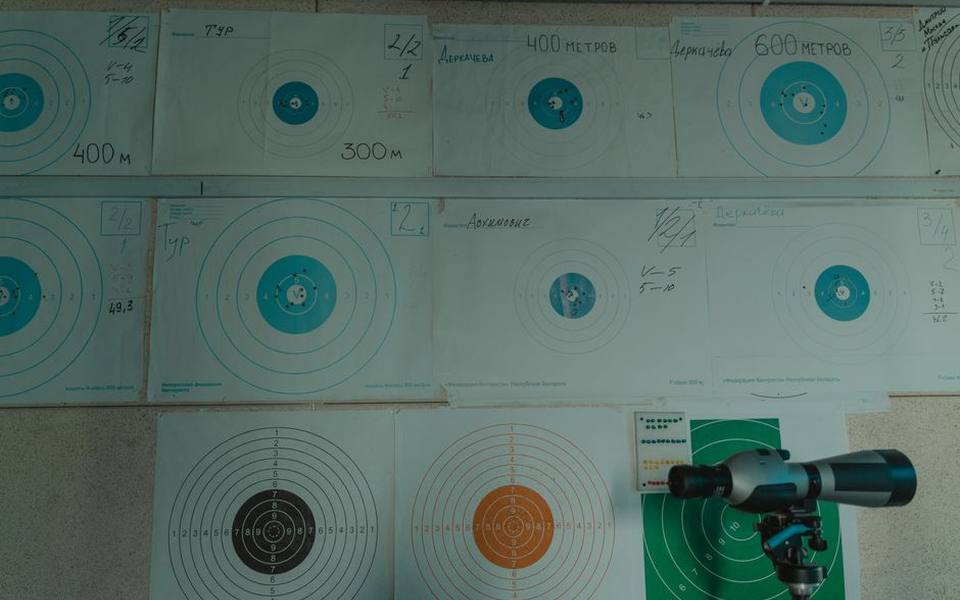
Paper remains the industry baseline for fundamental marksmanship because it preserves a permanent physical record of every hit. Standard grid targets allow you to quantify your grouping size in minutes of angle, measure point of impact shift, and make precise windage or elevation adjustments on your optics. Defensive silhouette prints feature high-contrast anatomical zones that train rapid shot placement under simulated stress. For high-volume plinking or competitive action shooting, reactive steel and clay birds introduce instant auditory and visual cues that help build speed and trigger rhythm.
Selecting between static targets and dynamic setups often depends on the constraints of your shooting location. Indoor facilities generally mandate paper or thin cardboard suspended from automated ceiling tracks to prevent dangerous bullet splatter. Outdoor ranges and dispersed public land, by contrast, offer the physical space necessary to deploy hardened steel gongs, portable ground throwers, and variable-distance target frames. Balancing precision evaluation on paper with dynamic confirmation on reactive materials produces a well-rounded skillset across both handguns and long guns.
Paper Targets and Reliable Field Stands
Paper targets are the most economical option for routine shooting drills, but keeping them upright in unpredictable outdoor winds requires a solid frame. Many shooters rely on simple H-base metal stands paired with replaceable wooden furring strips and a sheet of corrugated cardboard backing. When using a stable stand, you can staple fresh bullseye sheets or diagnostic grids repeatedly without needing to rebuild the underlying structural frame. Lightweight commercial stands fold flat into a trunk, making them convenient for shooters who frequently travel to undeveloped range sites.
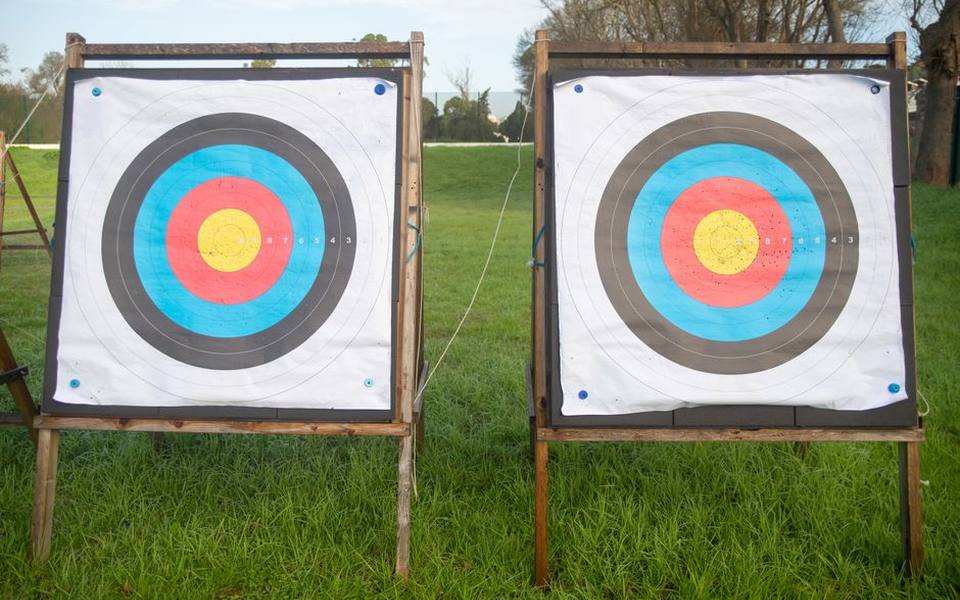
Wind resistance is the primary engineering challenge for portable target frames. A mild breeze can easily blow over an unweighted paper stand, disrupting a sight-in session or potentially creating safety hazards downrange. Experienced shooters typically anchor the legs of steel ground frames with heavy-duty tent stakes, sandbags, or cinder blocks found at the range. Using stiff cardboard backers rather than flimsy poster paper also minimizes fluttering, ensuring that your bullet holes remain clean circles rather than ragged tears that make grouping measurements difficult to read accurately.
Setting your target height properly prevents unintended ricochets and ensures rounds impact squarely into the primary berm. The bullseye should ideally sit roughly level with your rifle bore or handgun eye-line to maintain a horizontal bullet trajectory toward the backstop. If you are developing precise handloads or zeroing a fresh hunting rifle, pairing clean grid paper with a well-anchored stand is the most reliable way to evaluate bullet performance without confusing target movement with shooter error.
Hardened Steel Plates and Instant Auditory Feedback
Hardened steel plates offer an unmistakable metallic ring and instant visual swing when struck, eliminating the need to walk downrange to verify hits. Most modern range plates are manufactured from AR500 or AR550 abrasion-resistant alloy steel, which is engineered to absorb bullet impacts without pitting, dimpling, or cracking. Using mild construction steel is hazardous because bullets will crater the soft surface, causing erratic and dangerous shrapnel bounce-back toward the firing line. AR500 steel maintains a flat, hardened face that safely pulverizes copper jackets and lead cores into fine dust upon contact.
Mounting geometry is just as important as steel hardness when engineering a safe shooting station. Quality steel hangers suspend gongs from chains, heavy rubber straps, or spring-loaded brackets that tilt the plate face downward at a slight ten to twenty-degree angle. This downward deflection directs bullet splatter safely into the dirt beneath the gong rather than dispersing fragments outward. Free-hanging gongs also absorb kinetic energy through movement, which reduces mechanical stress on the mounting welds and prolongs the service life of both the hardware and the plate.
Shooting steel requires strict adherence to minimum safe engagement distances based on caliber and velocity. Handguns firing standard copper-jacketed ammunition are typically engaged no closer than ten to twelve yards, while high-velocity centerfire rifle rounds generally require at least one hundred yards of separation. If projectile velocity exceeds approximately 2,800 feet per second at the point of impact, surface pitting can occur even on quality AR500 steel. Inspecting plates periodically for surface craters or edge chips ensures the steel remains entirely safe for continued range use.
Clay Pigeons and Shotgun Ballistics
Clay targets, commonly known as clay pigeons, provide dynamic training for shotgun enthusiasts, bird hunters, and action competitors alike. Despite their traditional name, modern clays are typically made from a mixture of petroleum pitch and finely ground limestone, molded into an aerodynamic saucer shape. The disc is designed to withstand the rapid rotational acceleration of a mechanical throwing arm while shattering readily when struck by lead or steel pellets. When a cloud of shot connects with a flying clay, the visual burst of dust provides immediate confirmation of proper lead and swing.
Environmental considerations have driven significant advancements in clay target formulations over recent decades. Traditional petroleum pitch targets can persist in the soil for years and may pose toxicity risks if ingested by livestock. As a result, many modern shooting clubs and outdoor public ranges mandate biodegradable clays made with non-toxic plant resins and sulfur binders. These eco-friendly targets naturally dissolve into harmless organic components after exposure to rain, moisture, and soil microbes, keeping field pastures cleaner and ecologically sound.
Evaluating your shotgun's choke constrictions and pellet patterns is closely linked to how clays break in mid-air. A centered hit with an appropriate modified or full choke usually pulverizes the target into a fine black cloud of powder, indicating ideal aim and dense pellet coverage. In contrast, chipping off only a single outer edge suggests your shot column was trailing or leading the target slightly. Observing these break patterns helps shotgunners adjust their stance, mounting consistency, and forward swing velocity before heading into competitive clay matches or autumn waterfowl blinds.
Understanding Trap, Skeet, and Sporting Clays
Shotgun clay sports are broadly divided into three major recognized disciplines: American Trap, Skeet, and Sporting Clays. In traditional trap shooting, targets are launched from a single central underground bunker, known as the trap house, moving away from five shooting stations arranged in a shallow arc. The oscillating thrower flings clays at unpredictable horizontal angles, forcing shooters to quickly calculate elevation, quartering angles, and rapid outgoing flight paths. Trap shooting heavily emphasizes fast target acquisition and consistent gun mount before the clay gains excessive yardage.
Skeet shooting features two fixed trap houses positioned on opposite sides of a semicircular field with eight designated shooting stations. The high house throws targets from a raised window, while the low house launches clays from near ground level, creating crossing trajectories that intersect over the center station. Shooters encounter crossing targets, quartering birds, and simultaneous doubles from changing geometric perspectives as they move from station to station. Skeet develops exceptional lateral swing mechanics, consistent follow-through, and precise calculation of forward target lead.
Sporting clays is often referred to as golf with a shotgun because competitors walk through an outdoor course featuring ten to fifteen distinct shooting stations. Each station presents unique target presentations that simulate real-world game scenarios, including bouncing ground rabbits, towering overhead teal, and distant quartering pheasants. Target sizes also vary, incorporating smaller midi or mini discs alongside standard birds. Shooters planning to compete often browse used guns to find specialized over-under or semi-automatic shotguns tailored specifically for the ergonomics of these dynamic clay disciplines.
Manual Throwers and Automated Traps for Any Budget
Launching clay targets can range from an informal afternoon activity with basic handheld equipment to an automated club-level training session. Handheld plastic throwers cost very little, slip easily into a gear bag, and rely entirely on the thrower’s wrist snap and arm velocity to fling birds. While hand throwers require some physical coordination and produce variable flight paths, they remain a staple for casual open-field practice. They are lightweight, require zero mechanical maintenance, and allow shooters to quickly practice irregular bird trajectories on open farmland.
Step-up mechanical ground throwers use a heavy steel frame anchored into the turf with three or four ground stakes. These devices feature a spring-loaded throwing arm cocked manually by a lever and triggered via a simple string release or foot pedal. Ground traps offer far more speed, consistency, and throwing distance than plastic handheld tools. Many mechanical ground models accommodate stacked pairs for simultaneous double launches, allowing shooters to practice quick second-barrel transitions without needing an assistant standing directly beside them swinging an arm thrower.
Electric automated traps powered by deep-cycle twelve-volt marine batteries represent the peak of training convenience for private land owners and shooting groups. Automated traps feature hoppers holding fifty to several hundred clays, feeding targets onto a motorized throwing arm automatically after every cycle. Most electric traps can be operated using extended foot pedals or wireless remote controls, allowing a solo shooter to call for birds from various angles. Some advanced units also feature motorized wobbler bases that randomize target direction and trajectory continuously, replicating the unpredictability of formal clay tournaments.
Skeet Shooting Lessons and Building Sound Technique
Consistent clay shooting relies heavily on fundamentals that are difficult to diagnose without trained external feedback. Many shooters struggle with crossing targets because they instinctively aim directly at the bird rather than shooting where the target will be when the pellet shot-string arrives. Enrolling in structured skeet or sporting clay lessons with an experienced instructor provides immediate correction for common errors such as lifting your cheek off the comb, stopping the shotgun swing upon trigger pull, or misidentifying ocular eye dominance.
Proper gun fit is another critical factor addressed during professional clay instruction. Unlike rifles, where eye alignment relies on metallic or optical sights, a shotgun points where your dominant eye looks along the rib. If the stock length of pull, drop at comb, or cast is mismatched to your body dimensions, your shot pattern will consistently land off-center regardless of aim. An instructor can determine whether your shotgun needs stock spacers, comb adjustments, or mechanical tuning from professional gunsmithing services to achieve a natural, consistent point of impact.
Instruction also teaches the mechanics of sustained lead, pull-away, and swing-through shooting methods. In sustained lead, the shooter matches target speed ahead of the clay and fires while maintaining that constant visual gap. In the swing-through method, the muzzle starts behind the bird, accelerates through the target body, and fires the instant the barrel clears the leading edge. Mastering these classic techniques under formal coaching builds muscle memory, allowing you to react intuitively to fast crossing targets rather than overthinking lead calculations during competition.
Bench Shooting Rests: Bags Versus Mechanical Sleds
Precision rifle shooting and optics zeroing demand absolute rifle stability, which has led to two distinct gear philosophies: traditional rest bags and rigid mechanical cradles. Traditional shooting bags filled with sand, heavy synthetic polymers, or crushed walnut hulls offer versatile, modular support. A wide front wedge rest paired with a rear bunny-ear bag cradles the rifle stock naturally while allowing the barrel to float freely. Squeezing the rear bag with your non-firing hand permits microscopic crosshair adjustments across distant target grids without inducing mechanical binding or barrel deflection.
Heavy mechanical shooting rests, commonly known as sled rests, feature a rigid steel frame that holds both the forend and buttstock securely in a single aligned assembly. These systems incorporate adjustable elevation gears, fine windage knobs, and integrated trays designed to carry heavy barbell weights or lead shot bags. By adding twenty to fifty pounds of ballast to the sled frame, the rig absorbs the violent recoil impulse of heavy magnum cartridges, protecting the shooter from physical fatigue and flinching during long sight-in sessions.
While mechanical sled rests excel at taming punishing magnum recoil, they can alter the natural harmonic recoil impulse of lighter sporting rifles. If a rifle is clamped too rigidly into a weighted frame, the upward barrel jump and stock flex behave differently than when fired from human shoulders, occasionally shifting the point of impact. For testing pure mechanical accuracy, many long-range marksmen prefer rugged sandbags or specialized bipods paired with rear squeeze bags, reserving weighted mechanical sleds primarily for high-volume zeroing of large hunting calibers and slug guns.
Portable Shooting Benches for Field and Range Precision
A rock-solid shooting bench is essential for long-range precision, yet many dispersed shooting areas and backcountry hunting properties lack permanent concrete firing points. Portable shooting benches solve this problem by providing a rigid shooting platform that packs down for vehicle transport. Typical designs feature three or four folding steel legs paired with an engineered polymer, marine plywood, or aluminum tabletop. A well-designed bench remains completely rigid under the recoil of heavy rifles, eliminating the wobbles that can ruin load development testing.
Tripod-style three-legged benches are generally superior to four-legged platforms on uneven natural terrain. A four-legged table easily rocks when placed on rocky ground, gravel, or grassy fields unless fitted with complex independent leg adjusters. A three-legged bench, by contrast, naturally eliminates table wobble on uneven ground because three points define a single flat plane. Many portable benches also incorporate an integrated 360-degree swivel seat, allowing varmint shooters and long-range hunters to sweep across wide fields without physically repositioning their shooting platform.
Weight balance is the primary consideration when purchasing or constructing a portable shooting bench. Ultra-lightweight folding tables may seem attractive for transport, but excess lightness can allow the table to flex or shift whenever the shooter leans into a rifle rest or manages heavy rifle recoil. Heavy-duty benches weighing between thirty and fifty pounds offer the necessary mass to anchor shooting bags solidly. Choosing a bench with comfortable padded seating and ambidextrous tabletop cutouts ensures long, fatigue-free shooting sessions regardless of where you set up your mobile firing line.
Managing Spent Shells and Range Etiquette with Brass Catchers
Modern semi-automatic firearms eject spent cartridge cases with significant force, scattering brass several yards across range bays or adjacent shooting stations. For shooters who harvest their own empty casings to support cost-effective reloading supplies, chasing scattered brass through gravel or tall weeds is both tedious and time-consuming. Uncollected cases can also be stepped on, denting valuable brass mouths and rendering casings unreloadable. Using an effective brass capture system streamlines cleanup while preserving high-grade cartridge cases in pristine condition.
Brass catchers generally fall into two categories: weapon-mounted mesh bags and freestanding tabletop collection nets. Weapon-mounted models clamp directly to the rifle receiver or handguard via Picatinny rail brackets or hook-and-loop straps, positioning a heat-resistant wire frame directly over the ejection port. As rounds are fired, empty casings drop straight into a zippered nylon mesh bag capable of holding thirty to sixty empty shells. High-quality models feature quick-detach release buttons, allowing shooters to clear rare firearm malfunctions without removing the entire mounting bracket.
Freestanding brass traps sit on the bench next to your firearm, utilizing a large mesh net basket to intercept ejected brass mid-flight. These tabletop nets are especially popular among benchrest shooters because they eliminate any physical attachment to the rifle that might interfere with rifle balance, optics clearance, or free-floating barrel movement. Incorporating a brass catcher not only saves time and money for reloaders, but also maintains clean firing bays, showing courtesy toward range neighbors who appreciate not being struck by hot deflected brass during rapid strings.
Published 2026-09-21 · reviewed with each rebuild, last September 2026.
Find gun stores near you
The directory lists 12,328 gun stores by state and city — pick your state or use the “Near me” button in the header.
More guides
-
 Buying
Night Vision, Caliber Choices, and Hearing Protection: The Practical Buyer Guide
-
 Owning
Muzzle Brakes vs Pistol Compensators: Mechanics, Tuning, and Ownership Costs
-
 Owning
Where to Get Fingerprints for Gun Permits, Hearing Gear, and Range Prep
-
 Owning
How to Remove Rust from a Gun Safely Without Damaging the Finish
-
 Buying
Choosing a Skeet Shotgun: Balance, Gauges, and Barrel Specs
-
 Safety
Stun Guns, Tasers, and Protective Range Gear: Practical Buyer's Guide
-
 Buying
Choosing Practical Firearms for Home Defense and Daily Carry
-
 Buying
FFL Transfer Fees and Process Explained: What to Expect at the Counter
-
 Service
Fingerprinting Services, IdentoGO, and FBI Background Checks: The Complete Guide
-
 Safety
Indoor and Outdoor Shooting Ranges: Etiquette, Rules, and Memberships
-
 Storage
Gun Safes and Fireproof Storage: Biometric Safes, Cabinets, and Dehumidifiers
-
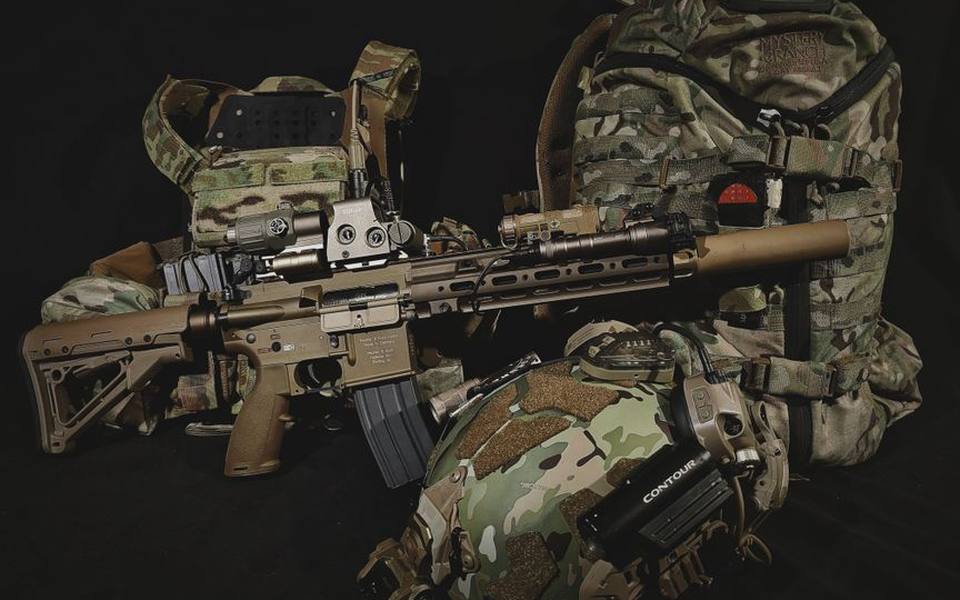 Safety
Body Armor and Ballistic Plates: Threat Levels, Plate Materials, and Carrier Sizing
-
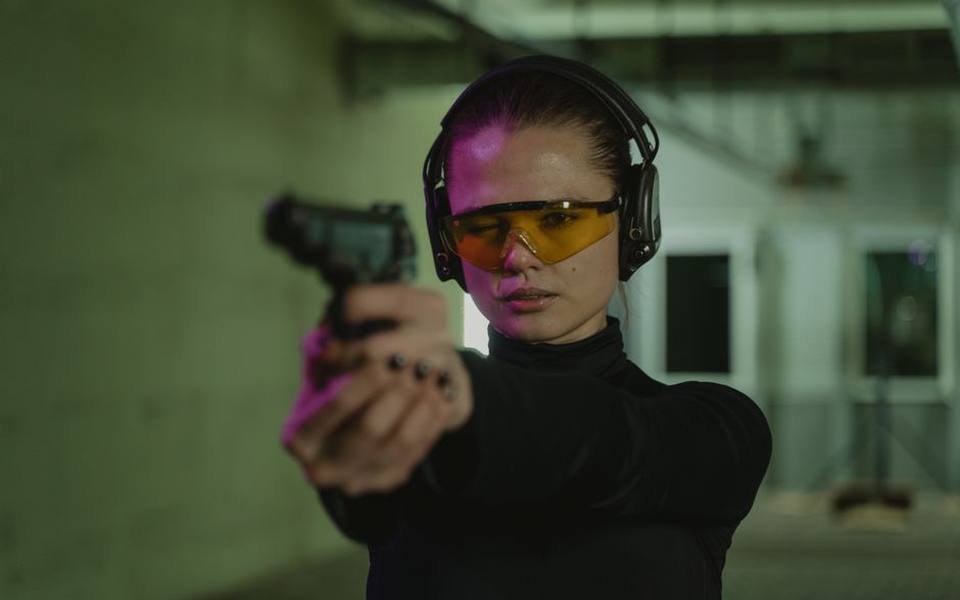 Safety
Shooting Hearing Protection: Electronic Earmuffs, Custom Earplugs, and Noise Reduction
-
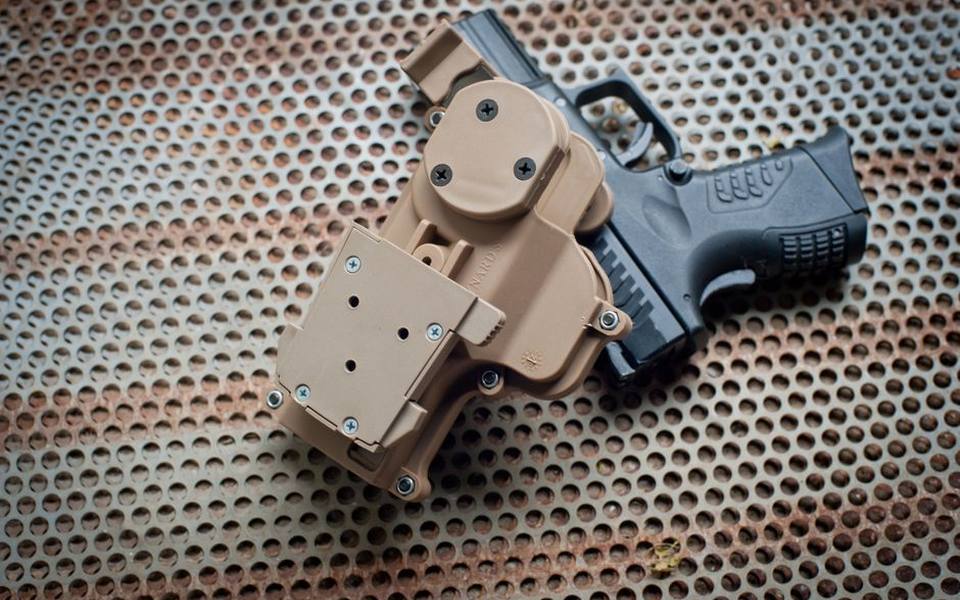 Owning
Concealed Carry Holsters: Kydex, Leather, IWB, OWB, and Specialized Rigs
-
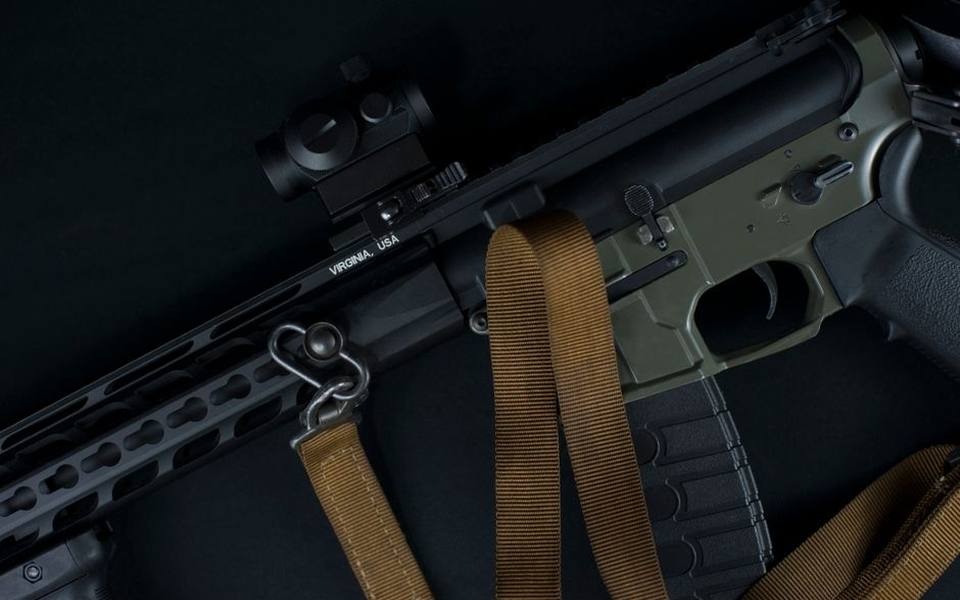 Owning
Rifle and Shotgun Slings: Single-Point, Two-Point, and Mounting Hardware
-
 Owning
Everyday Carry and Tactical Accessories: Range Bags, Gun Locks, and Practical Gear
-
 Owning
Gun Cleaning Kits and Maintenance: Cleaners, Oils, and Solvents
-
Safety
Everyday and Noise Reduction Earplugs: A Practical Comparison Guide
-
 Safety
Firearm Safety Rules, Concealed Carry Courses, and Tactical Shooter Training
-
 Service
Rifle Customization, Caliber Selection, and Bench Work: A Guide to Practical Gunsmithing and Reloading
-
 Safety
Shooting and Hearing Protection: Guide to Earmuffs, Plugs, and Electronic Defenders
-
 Buying
Choosing Spotting Scopes, Binoculars, and Specialized Night Optics
-
 Safety
Active Shooter Response, Tactical Handgun Courses, and Firearm Safety Training Guide
-
 Buying
Night Vision Optics and Spotting Scopes Buyer's Guide
-
 Buying
Firearm Valuation, Appraisal, and Used Buying Guide
-
Safety
Layering Personal Defense: Less-Lethal Tools, Purpose-Built Firearms, and Medical Gear
-
 Buying
Hunting Ammunition, Calibers & Reloading Supplies Guide
-
 Owning
Concealed Carry Reciprocity, Licensing Basics, and Buying Regulations Explained
-
 Service
Custom Gunsmithing, Barrel Modifications, and AR-15 Upgrades Guide
-
 Owning
Target Shooting & Clay Sports Guide: Air Rifles, Ranges & Eye Protection
-
Storage
Essential Firearm Storage, Cases, Recoil Pads, and Rig Systems
-
 Safety
The Ultimate Guide to Shooting Hearing Protection and Electronic Earmuffs
-
 Owning
Dry Fire Training Systems, Timers, and At-Home Practice Routines
-
 Owning
State Firearm Rules, Training Courses, and Range Guidelines
-
Owning
Essential Tactical Gear, EDC Equipment, Shooting Gloves, and Range Bags
-
 Owning
Everyday Carry Holsters and Wearable Gear: A Practical Selection Guide
-
 Owning
Firearm Upgrades and Tuning: Gas Blocks, Sights, and Mounts
-
 Owning
CCW Permits, Licensing Laws, and Background Check Fingerprinting Guide
-
 Storage
Firearm Safes and Secure Storage: Humidity Control, Security Standards, and Storage Solutions