How Firearm Transfers Work When Buying Online
An FFL transfer occurs whenever an individual purchases a firearm from an out-of-state retailer, an online auction site, or a private seller across state lines and has it shipped to a licensed local dealer. Under federal law, commercial shipments of modern firearms cannot be delivered directly to your doorstep. Instead, the shipment travels from the seller to a federal firearms licensee who logs the serial number into an official acquisition book and legally transfers possession to you.
The overall workflow is straightforward once you understand the basic roles involved. When you complete an order online, the seller requires documentation proving that your receiving local merchant holds an active license. Most established web retailers maintain databases of licensed businesses, allowing you to select a nearby storefront during checkout. If the merchant is not on file, you simply contact your neighborhood shop and request that they email or fax a copy of their license to the seller.
Once the package reaches the store, the staff must unbox, inspect, and log the incoming firearm into their bound book before you can take possession. This intake procedure takes time, which is why walk-ins immediately after a courier delivery notification are rarely processed on the spot. Most shops ask that customers wait for an automated phone call or notification before heading to the counter to initiate the paperwork.
Choosing a reliable counter simplifies the transaction significantly. Many buyers rely on an established FFL transfer service to make sure the package is logged quickly and the background paperwork proceeds without unnecessary administrative delays.
Understanding Transfer Costs and Dealer Surcharges
A standard transfer fee typically ranges from twenty to fifty dollars for a basic long gun or handgun, though pricing depends heavily on geographic region, operational overhead, and local market competition. In metropolitan regions with higher lease expenses, fees may trend closer to sixty or seventy-five dollars per item. Some independent shops intentionally keep rates lower to bring new foot traffic into the building, hoping customers will purchase ammunition, holsters, and range memberships during their visit.
Multiple firearm shipments in a single order can affect the final tally at the register. While some retailers offer a discounted bundle rate for each additional serial number processed on the same paperwork, others assess their standard fee for every single frame or receiver. This distinction is especially important for hobbyists building multiple stripped lowers or collectors acquiring several surplus items at once, where administrative fees could quickly match the cost of an inexpensive receiver.
You should also anticipate municipal or state-mandated background check surcharges that are entirely separate from the merchant's handling fee. Several states run background inquiries through their own law enforcement databases rather than the federal system, charging an administrative fee that usually falls between five and thirty dollars. These mandatory state surcharges are passed directly along to the customer on top of the merchant's base handling rate.
Occasionally, buyers encounter storage fees if an incoming package sits unclaimed in a vault for an extended period. Most dealers provide a grace window of seven to fourteen days after logging the item before charging small daily warehousing fees. Calling your dealer as soon as your shipment shows delivered ensures expectations remain clear and keeps unexpected add-on costs from appearing on your final receipt.
The Counter Procedure and Required Identification
When you arrive at the storefront to claim your transfer, the first administrative step involves completing ATF Form 4473. This federally mandated document captures your biographical details, physical address, citizenship status, and answers to mandatory legal eligibility questions. Most modern facilities utilize digital kiosk tablets or counter monitors for this process, which helps eliminate clerical errors and speeds up submittal times to the background check system.
Valid, government-issued photo identification is strictly required, and the physical address listed on your card must reflect your actual current residence. If you recently moved and your driver's license displays an outdated street address, federal regulations require supplemental government documentation, such as an official vehicle registration, voter card, or municipal utility bill bearing your legal name and residential location. Private utility bills or commercial leases are generally not accepted for this purpose.
After the form is completed and signed, the counter clerk submits your data to the National Instant Criminal Background Check System or the designated state clearinghouse. The result generally returns as proceed, delayed, or denied within several minutes, though system traffic spikes on holiday weekends can cause delays. A delayed status simply means an analyst requires manual research, which typically resolves within a few days depending on state and federal statutory response windows.
State waiting periods may also apply before you can carry the item out of the store, regardless of an immediate proceed response. In jurisdictions with mandatory cooling-off periods, the clock typically begins when the background inquiry is initiated, requiring you to make a return visit once the statutory timeline expires.
Special Handling for Regulated Gear and Pre-Owned Guns
Transferring specialized firearms and suppressors governed under the National Firearms Act involves a substantially different set of requirements and costs. Devices such as sound suppressors, short-barreled rifles, and specialized shotguns require working with certified Class 3 / NFA Dealers who have the credentials to hold and process NFA items. Handling fees for these items typically range higher, often between fifty and one hundred dollars, reflecting months of secure vault storage and complex electronic registration handling.
Purchasing pre-owned firearms from individual private sellers across state borders also requires an FFL transfer. Many enthusiasts browse inventories of used guns across regional classifieds or auction portals, arranging for the seller to ship the piece directly to their local shop. Private sellers must include a legible copy of their state identification inside the shipping carton so the receiving merchant can legally enter the previous owner's data into the bound ledger.
If an out-of-state private seller refuses to provide identification, the receiving dealer cannot legally process the intake into inventory. Before committing to a private online transaction, confirm that the seller is willing to include their photo ID in the crate, or ask them to route the shipment through a licensee on their end. This simple verification avoids awkward delays and administrative standoffs once the package arrives at your neighborhood counter.
Hearing Safety Essentials for the Shooting Range
Picking up your newly transferred firearm often serves as the natural prompt to stock your range bag with reliable safety gear. Gunfire produces sound pressure levels that frequently exceed 140 decibels, which is loud enough to cause immediate, permanent acoustic trauma without proper ear protection. Passive foam plugs and standard molded earmuffs provide effective physical dampening by sealing the ear canal, but they can make verbal commands and ambient awareness difficult to maintain.
Shooters frequently utilize dual protection, combining form-fitting foam plugs inside the ear canal beneath a pair of over-ear cups when practicing in indoor facilities. Indoor shooting bays reflect acoustic energy off concrete walls, steel baffles, and lane dividers, substantially amplifying sound exposure compared to outdoor open fields. Relying solely on basic lightweight earmuffs indoors can leave your auditory system fatigued after just twenty minutes of shooting.
Selecting the right style depends on your preferred shooting discipline. Shotgunners and rifle marksmen often prefer low-profile, contoured muffs with beveled lower cups that do not bump against the comb of the stock when mounting the firearm. Handgun shooters, by contrast, can comfortably wear larger, high-volume ear cups that maximize internal air space and physical noise reduction material without positional interference.
Evaluating Electronic Muffs and Noise Reduction Mechanics
Modern shooters increasingly favor active hearing protection over traditional passive ear cups for regular practice sessions. The best rated electronic ear muffs employ forward-facing microphones and internal amplifier circuits that reproduce quiet surrounding sounds—such as range officer commands and normal conversational speech—at safe volumes. When an impulsive blast occurs, the internal circuitry instantaneously compresses the incoming sound spike, maintaining safe acoustic levels inside the ear cup.
Distinguishing between basic sound compression and active noise cancellation is helpful when shopping for electronic ear defenders. True noise cancelling ear muffs are engineered primarily for continuous low-frequency hums, such as airplane cabins or diesel engine compartments, and are not designed to protect your ears from high-amplitude acoustic shockwaves. In contrast, the best electronic hearing protection relies on rapid digital sound-activated compression with lightning-fast attack times, shutting down decibel spikes in milliseconds.
When choosing the best electronic muffs for your range bag, look closely at physical seal quality, directional audio balance, and battery longevity. Models equipped with soft gel ear pads conform far better around the arms of shooting glasses than stiff foam pads, eliminating sound leaks around the temples. Investing in reliable electronic ear protection ensures you can hear instruction clearly on the firing line without exposing delicate eardrum structures to dangerous pressure waves.
Drummer Plugs and Low-Profile Hearing Alternatives
Shooters who find bulky over-the-head bands uncomfortable often look toward specialized in-ear options, including musician and drummer gear. While searching for the best earplugs for drummers, percussionists and hobbyists often discover that high-fidelity acoustic filter plugs provide exceptional clarity across high and mid frequencies. Drummers need to hear tonal balance across their cymbals without muddy distortion, which is why their plugs feature attenuation filters that lower sound pressure evenly across the audible spectrum.
However, drummers' plugs are generally designed for sustained exposure in the 90 to 110 decibel range rather than the intense, peak impulse noise of centerfire firearms. While an acoustic musician plug might work adequately for quiet rimfire plinking in an open field, it typically lacks the raw attenuation rating needed for large-caliber handguns or indoor rifle lanes. For shooting, dedicated electronic in-ear buds with impulse protection are significantly safer.
If you want low-profile protection without full-sized ear cups, look for custom-molded silicone plugs or active in-ear digital buds specifically rated for impulsive gunfire. These models seat flush within the concha of the ear, allowing you to establish a consistent cheek weld against a rifle stock while still retaining the spatial awareness and speech amplification benefits found on full-sized headsets.
Cleaning Solvents and Lubricants for New Pickups
Brand-new firearms and surplus imports arriving at the dealer counter are rarely ready for immediate range duty without basic maintenance. Factory packaging often includes thick shipping oils or heavy cosmoline designed to prevent corrosion during months of sea transit and warehouse storage. Firing a firearm packed with heavy shipping grease can lead to sluggish cycling, stovepipe malfunctions, and premature fouling inside the chamber.
Selecting the best gun cleaning oil and solvent depends on whether you prefer multi-step bench cleaning or all-in-one routine care. Dedicated bore solvents are formulated to break down carbon baking, copper wash, and lead buildup in the rifling lands without damaging steel barrel coatings. After running solvent-soaked patches down the bore, a clean secondary lubricant or synthetic oil must be applied to prevent oxidation, as harsh solvents strip away all protective barrier oils.
Many recreational shooters prefer modern CLP formulas, which stand for Cleaner, Lubricant, and Protectant. These versatile liquids break down moderate carbon buildup while leaving a durable synthetic lubricating film on moving rails, bolt carrier assemblies, and slide channels. If you have questions about proper field stripping or need a thorough deep clean on an older surplus rifle, consulting professional gunsmiths can prevent accidental finish damage from overly aggressive chemical cleaners.
Bear Spray Versus Pepper Spray for Personal Defense
While at the counter, first-time gun owners and outdoor enthusiasts often ask counter staff about non-lethal defensive tools, frequently asking: can you use bear spray for self defense? While bear deterrent and standard civilian pepper sprays both rely on capsaicin extracts from hot peppers, they are engineered for fundamentally different tactical scenarios, delivery distances, and legal parameters.
Bear spray is designed to discharge a massive, high-volume fog cloud reaching distances of twenty-five to thirty feet to create an impenetrable barrier against a charging animal. The canister deploys rapidly, emptying its entire high-pressure payload in roughly four to seven seconds. Standard civilian self-defense sprays, on the other hand, fire concentrated ballistic streams, gels, or targeted cones designed to strike an individual attacker at seven to twelve feet without dispersing uncontrollably across the immediate area.
Using bear spray in a home defense or urban personal protection scenario presents severe practical hazards. Discharging a wide fogger indoors will instantly contaminate your living space, blinding everyone present, including yourself, and entering the ventilation system. Furthermore, many state and local statutes classify using bear deterrent against a human as an unlawful deployment of a prohibited aerosol, carrying serious legal liability unless facing an imminent threat where any tool of survival was justified.
Inspecting the Firearm Before Signing the Transfer Form
One of the most critical habits when picking up a shipment is conducting a comprehensive physical inspection before signing line 21 on Form 4473. Once the paperwork is processed and you walk out the storefront door, the gun is legally yours, and retail transfer counters cannot accept returns for out-of-state web vendors. Any factory defect discovered later will require you to navigate manufacturer warranty claims and postal shipping directly.
Begin your bench inspection by verifying that the make, model, caliber, and serial number on the outer factory carton match the physical stamping on the receiver and the description on your purchase invoice. Confirm that the firearm is completely unloaded, verify the chamber and magazine well are clear, and inspect the outer finish for scratches, rust spots, bluing inconsistencies, or transit damage caused by improper shipping padding.
Next, cycle the action manually to check for smooth mechanical travel, confirm that the slide or bolt locks rearward reliably on an empty magazine, and ensure safety levers click crisply into place. Look down the bore with a small inspection light to confirm clean rifling and verify that all included magazines, choke tubes, optic plates, and adjustment tools listed on the manufacturer packing manifest are present in the box.
If you discover a cracked frame, missing accessories, or deep gouges in the metalwork, politely inform the store clerk that you are refusing the transfer. The dealer will securely hold the item in their vault while you contact the online seller to arrange a return shipping label or replacement. Leaving the firearm unaccepted makes obtaining a full refund from the vendor substantially simpler.
Finding the Right Local Dealer and Preparing Your Visit
Selecting an organized, customer-friendly storefront makes online firearm shopping a smooth and straightforward experience. Independent dealers set their own transfer policies, processing queues, and intake rates, meaning a short phone call ahead of time can clarify everything you need to know. Ask the staff whether they require advance notification before a package arrives, confirm their current transfer rates, and check whether they charge separate fees for background checks.
When planning your visit, gather your unexpired state identification card and any supporting address documents before leaving the house. Timing your trip during midweek morning or early afternoon hours often results in shorter counter lines, giving the counter clerk ample time to walk through the intake process without feeling rushed by busy weekend range traffic.
Exploring our comprehensive nationwide catalog helps you quickly locate reputable shops, neighborhood ranges, and certified specialists in your area. Whether you need an experienced transfer counter, custom gunsmithing, or specialized gear, browsing all states gives you the local insight needed to plan your next counter visit with complete confidence.
Published 2026-09-20 · reviewed with each rebuild, last September 2026.
Find gun stores near you
The directory lists 12,328 gun stores by state and city — pick your state or use the “Near me” button in the header.
More guides
-
 Buying
Night Vision, Caliber Choices, and Hearing Protection: The Practical Buyer Guide
-
 Owning
Muzzle Brakes vs Pistol Compensators: Mechanics, Tuning, and Ownership Costs
-
 Owning
Where to Get Fingerprints for Gun Permits, Hearing Gear, and Range Prep
-
 Owning
How to Remove Rust from a Gun Safely Without Damaging the Finish
-
 Buying
Choosing a Skeet Shotgun: Balance, Gauges, and Barrel Specs
-
 Safety
Stun Guns, Tasers, and Protective Range Gear: Practical Buyer's Guide
-
 Buying
Choosing Practical Firearms for Home Defense and Daily Carry
-
 Service
Fingerprinting Services, IdentoGO, and FBI Background Checks: The Complete Guide
-
 Safety
Indoor and Outdoor Shooting Ranges: Etiquette, Rules, and Memberships
-
 Storage
Gun Safes and Fireproof Storage: Biometric Safes, Cabinets, and Dehumidifiers
-
 Safety
Body Armor and Ballistic Plates: Threat Levels, Plate Materials, and Carrier Sizing
-
 Safety
Shooting Hearing Protection: Electronic Earmuffs, Custom Earplugs, and Noise Reduction
-
 Owning
Shooting Targets, Clay Throwers, and Range Rests Guide
-
 Owning
Concealed Carry Holsters: Kydex, Leather, IWB, OWB, and Specialized Rigs
-
 Owning
Rifle and Shotgun Slings: Single-Point, Two-Point, and Mounting Hardware
-
 Owning
Everyday Carry and Tactical Accessories: Range Bags, Gun Locks, and Practical Gear
-
 Owning
Gun Cleaning Kits and Maintenance: Cleaners, Oils, and Solvents
-
Safety
Everyday and Noise Reduction Earplugs: A Practical Comparison Guide
-
 Safety
Firearm Safety Rules, Concealed Carry Courses, and Tactical Shooter Training
-
 Service
Rifle Customization, Caliber Selection, and Bench Work: A Guide to Practical Gunsmithing and Reloading
-
 Safety
Shooting and Hearing Protection: Guide to Earmuffs, Plugs, and Electronic Defenders
-
 Buying
Choosing Spotting Scopes, Binoculars, and Specialized Night Optics
-
 Safety
Active Shooter Response, Tactical Handgun Courses, and Firearm Safety Training Guide
-
 Buying
Night Vision Optics and Spotting Scopes Buyer's Guide
-
 Buying
Firearm Valuation, Appraisal, and Used Buying Guide
-
Safety
Layering Personal Defense: Less-Lethal Tools, Purpose-Built Firearms, and Medical Gear
-
 Buying
Hunting Ammunition, Calibers & Reloading Supplies Guide
-
 Owning
Concealed Carry Reciprocity, Licensing Basics, and Buying Regulations Explained
-
 Service
Custom Gunsmithing, Barrel Modifications, and AR-15 Upgrades Guide
-
 Owning
Target Shooting & Clay Sports Guide: Air Rifles, Ranges & Eye Protection
-
Storage
Essential Firearm Storage, Cases, Recoil Pads, and Rig Systems
-
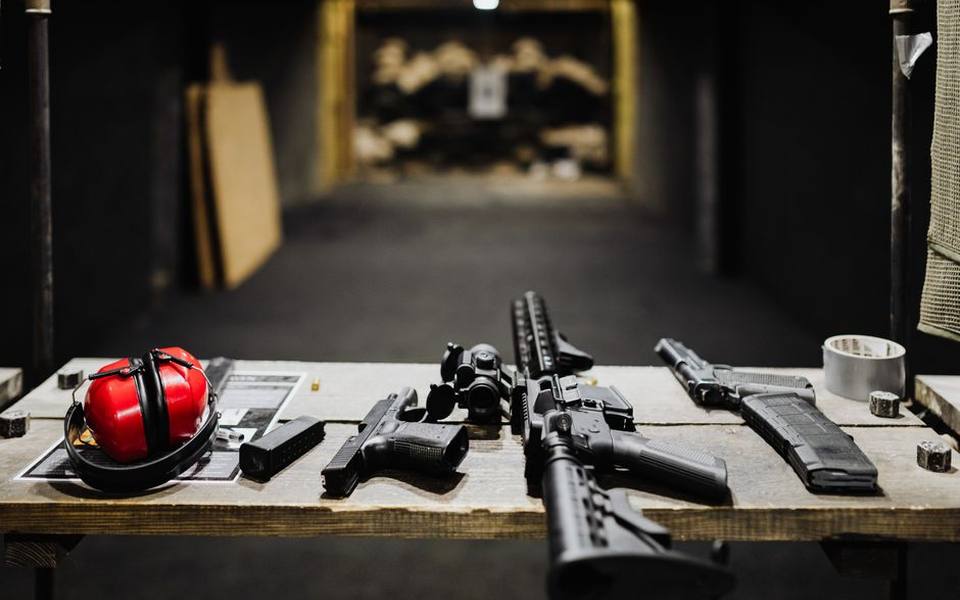 Safety
The Ultimate Guide to Shooting Hearing Protection and Electronic Earmuffs
-
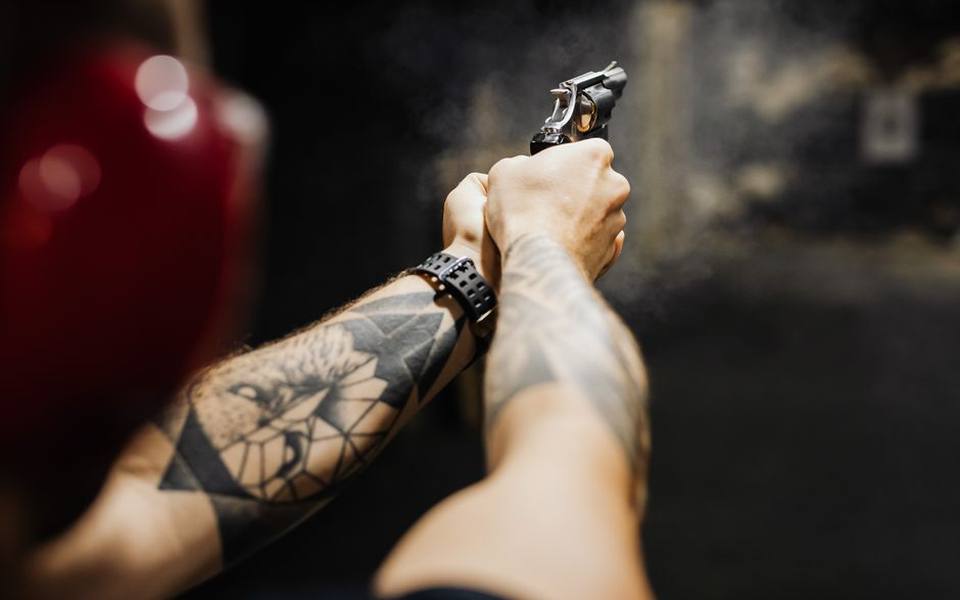 Owning
Dry Fire Training Systems, Timers, and At-Home Practice Routines
-
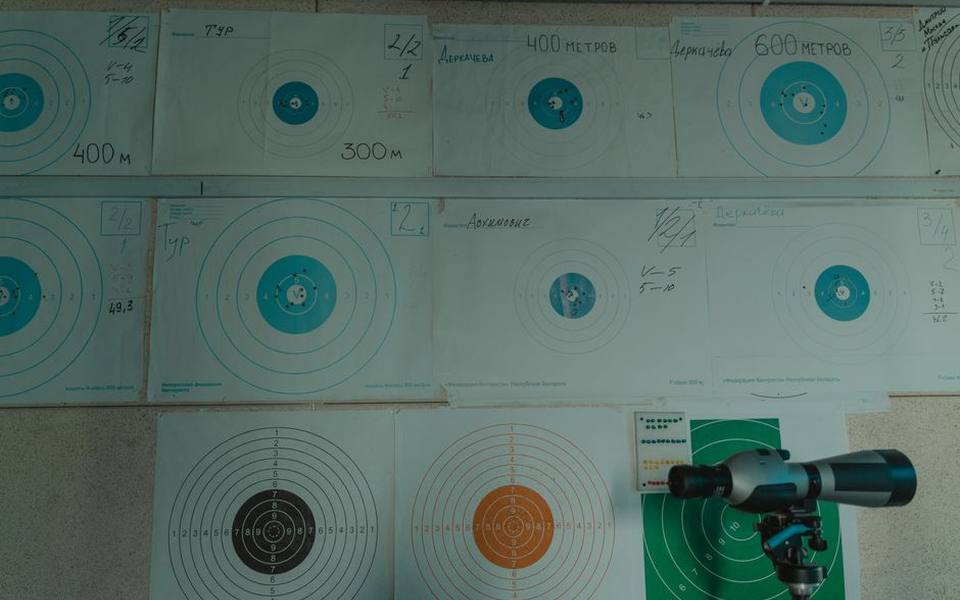 Owning
State Firearm Rules, Training Courses, and Range Guidelines
-
Owning
Essential Tactical Gear, EDC Equipment, Shooting Gloves, and Range Bags
-
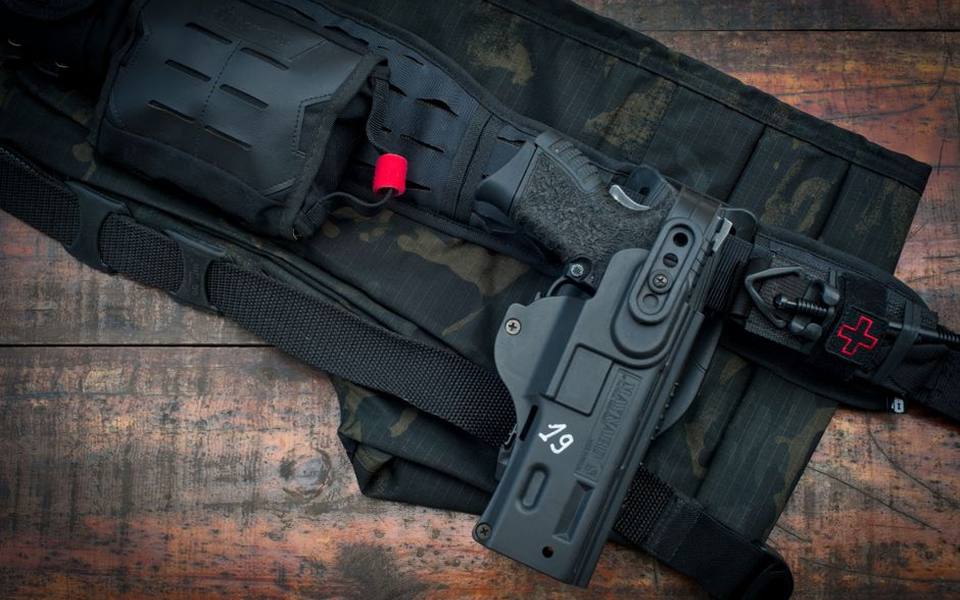 Owning
Everyday Carry Holsters and Wearable Gear: A Practical Selection Guide
-
 Owning
Firearm Upgrades and Tuning: Gas Blocks, Sights, and Mounts
-
 Owning
CCW Permits, Licensing Laws, and Background Check Fingerprinting Guide
-
 Storage
Firearm Safes and Secure Storage: Humidity Control, Security Standards, and Storage Solutions