Finding the Right Balance Between Access and Physical Security
Choosing firearm storage starts with defining what you need to protect against. A homeowner looking to keep curious children away from a defensive sidearm faces a completely different challenge than a collector safeguarding valuable heirlooms from professional burglary or house fires. There is rarely a single container that excels at both immediate bedside readiness and multi-hour structural fire defense, which is why most households rely on a layered approach across several dedicated spaces.
Quick-access containers typically prioritize rapid entry using electronic keypads, radio-frequency fobs, or biometric scanners. These units are compact enough for a nightstand, closet shelf, or vehicle console. However, their light sheet metal construction offers limited resistance against determined physical attacks with hand tools. They serve primarily as barriers against unauthorized handling rather than hardened vaults, making their location and discreet placement just as critical as the locking mechanism itself.
Heavyweight floor vaults, by contrast, focus on sustained attack resistance, thermal insulation, and overall capacity. While you cannot draw a pistol from a bolted floor safe in two seconds during a nighttime emergency, these units provide the structural integrity required to store long guns, family heirlooms, and bulk gear. Understanding these functional boundaries prevents buyers from expecting a light bedside lockbox to do the work of a thousand-pound vault.
Spotting Weak Construction and Safe Features to Avoid
The consumer safe market is filled with budget cabinets masquerading as heavy-duty security containers. When evaluating build quality, steel gauge is the single most informative specification. Thin steel, such as 14-gauge or thinner sheet metal, can easily be cut with basic tin snips or peeled open with a standard utility pry bar in under two minutes. Containers built with thinner metal provide minimal theft deterrence regardless of how many chrome-plated bolts protrude from the door frame.
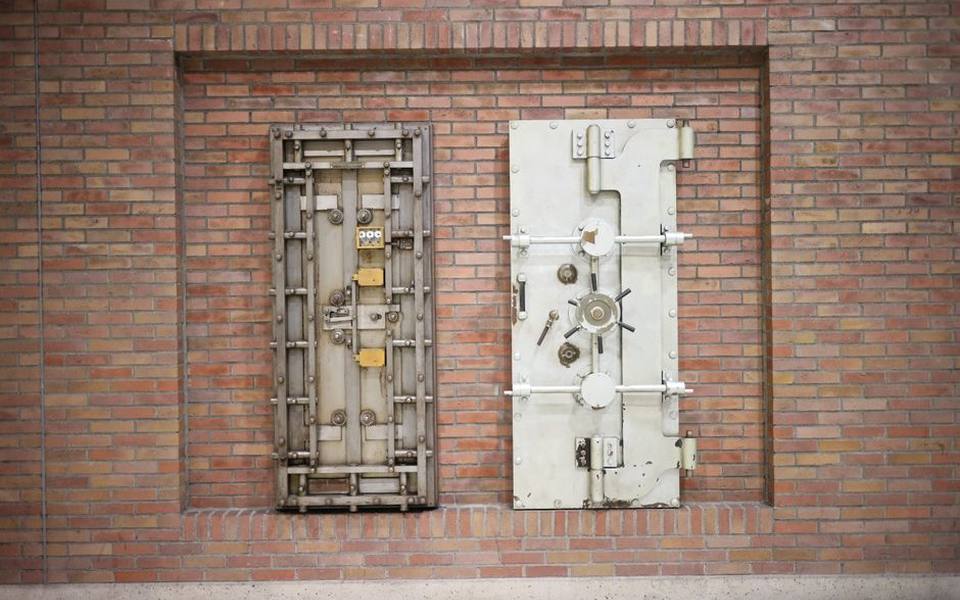
Prospective buyers should look closely at how the locking bolts interact with the door frame. In poorly engineered cabinets, bolts often seat into thin, unreinforced sheet metal channels that buckle under modest leverage. Another warning sign is an external lock housing built from molded plastic or pot metal. If an intruder can smash the exterior keypad or dial off the door with a carpenter's hammer and manipulate the internal solenoid directly, the container fails basic physical security standards.
Fireproofing claims on lower-tier residential containers also warrant healthy skepticism. Many inexpensive units use standard drywall panels tucked behind interior carpeting without fully sealed door gaskets. In a real structure fire, unsealed drywall releases moisture that can accelerate corrosion, while the metal shell rapidly conducts heat inward. Inspecting construction in person at used gun stores or specialized safe dealers allows you to check door seam tolerances, hinge weld quality, and actual steel thickness before buying.
Biometric Handgun Safes and Quick Access Hardware
Biometric handgun safes have improved significantly over the past decade, yet evaluating them requires looking past marketing claims. Early optical sensors frequently struggled with dirty hands, moisture, or slight angle variations. Modern quick-access boxes increasingly rely on capacitive or semiconductor fingerprint readers, similar to those found on modern smartphones, which scan sub-dermal ridge patterns to deliver faster, more reliable reads under real-world stress.
When reading reviews and comparing biometric hardware, pay close attention to false-rejection rates rather than false-acceptance rates. A lockbox that fails to open on the first try because your thumb is slightly sweaty or positioned at an awkward angle is a liability during a home defense incident. Reliable models typically allow users to program the same finger multiple times from different orientations, significantly increasing first-touch recognition accuracy when reaching blindly in the dark.
Power delivery and backup systems represent another crucial evaluation point. Biometric scanners constantly draw micro-currents, meaning standard alkaline batteries can drain without obvious warning signs. The best bedside safes feature visible low-battery indicators, external emergency power ports such as micro-USB or USB-C interfaces, and high-security manual bypass keys with non-standard keyways to ensure you are never locked out of your defensive tools during an unexpected blackout.
Trigger Locks and Fingerprint Clamps for Everyday Safety
A trigger lock is designed to prevent the trigger shoe from being depressed while installed directly through the trigger guard. Traditional versions use two interlocking halves tightened with a keyed cylinder or three-digit mechanical dial. In recent years, biometric fingerprint trigger clamps have entered the market, promising quick, keyless removal for staged defensive firearms that remain outside a traditional metal lockbox.
While fingerprint trigger clamps offer convenience, they possess inherent mechanical limitations. A trigger lock does not secure the firearm against theft, nor does it prevent an unauthorized person from picking up the gun and carrying it away to defeat the mechanism later in a workshop. Furthermore, attaching any clamp directly over the trigger guard of a loaded firearm requires extreme caution, as improper alignment or debris inside the lock body could contact the trigger during installation.
These locks find their best application as temporary storage tools during travel, inside locked range bags, or in jurisdictions that legally mandate a secondary locking device during transport. In states like those served by retailers listed under gun stores in California, specific approved locking devices are often required by statute when transferring or transporting firearms. For home defense readiness, however, a dedicated rapid-access steel lockbox is generally safer and faster to deploy.
Managing Cable Locks, Standard Keys, and Spares
Cable locks are the most widely distributed firearm safety device in the United States, typically included inside the factory case with nearly every newly purchased handgun, rifle, and shotgun. These devices consist of a vinyl-coated steel cable that loops through the open ejection port and magazine well or cylinder, preventing the action from closing into battery. They are reliable, mechanically straightforward, and universally compatible across diverse firearm platforms.
The primary vulnerability of standard cable locks lies in their key mechanisms. Most inexpensive locks use simple wafer-tumbler cylinders that share broad manufacturing tolerances. In some cases, keys from the same manufacturer can open neighboring locks, or the cylinder can be raked open in seconds with rudimentary bypass tools. Owners should treat factory cable locks as visual deterrents and basic child-safety barriers rather than theft-resistant vaults.
Losing a gun lock key is a common annoyance among gun owners with large collections. Because replacement keys are rarely sold separately for basic package locks, cutting the cable with hand-held bolt cutters is typically the fastest solution. If your firearm features an integrated mechanical lock inside the frame, never force a generic key into the cylinder. If you encounter an obstructed or jammed internal keyway, consulting local gunsmiths avoids damaging the internal hammer or transfer bar assembly.
Managing Moisture and Protecting Steel from Rust
Enclosing steel firearms inside a sealed, dark metal box creates an environment prone to moisture damage if climate variables are ignored. When ambient room temperature shifts, air trapped inside the safe expands and contracts, pulling in humidity through door seams. If the internal relative humidity climbs above 50 to 55 percent, microscopic moisture droplets settle on exposed metal surfaces, leading to bluing degradation, pitting, and mold growth on wood stocks or leather holsters.
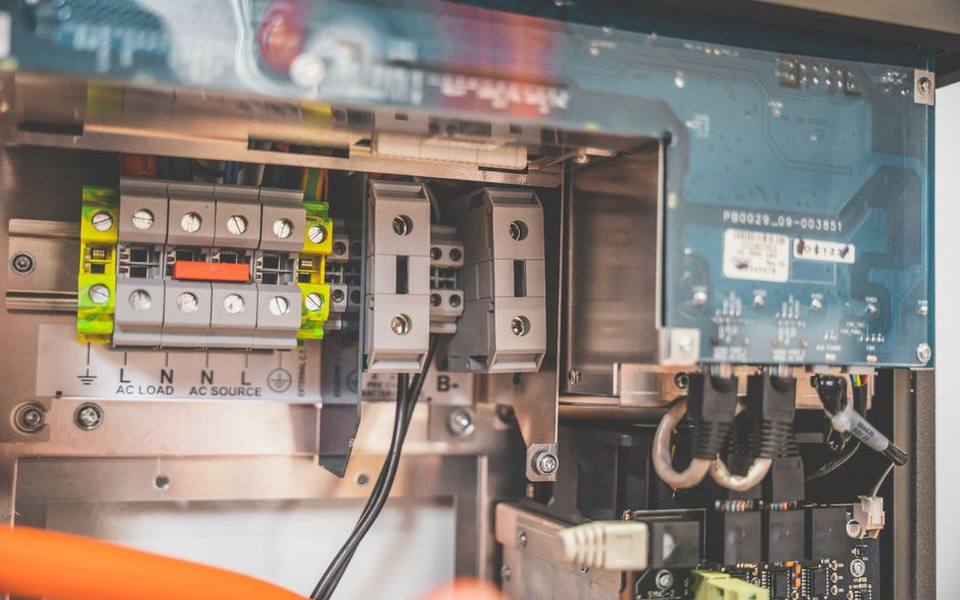
The most reliable tool for safe humidity control is an electric dehumidifier rod mounted along the bottom floor of the safe. These rods generate a low, steady level of radiant heat that slightly warms the air inside the cabinet. Because warm air holds more moisture and creates gentle upward convection currents, the safe interior remains slightly warmer than the external room, preventing condensation from settling on cold steel surfaces even during humid summer months.
In locations where running an electrical cord into the safe is impractical, rechargeable silica gel canisters and desiccants offer an alternative. Silica gel absorbs moisture from the air until saturated, indicated by color-changing beads that turn from blue or orange to pink or green. These canisters must be baked periodically in an oven or plugged into a wall outlet to drive off absorbed water. To monitor efficiency, place a digital hygrometer on a middle shelf to track humidity swings year-round.
Dedicated Ammunition Organization and Storage
Ammunition requires specific environmental conditions to remain chemically stable over decades. Modern smokeless powders and non-corrosive primers withstand significant age, but persistent exposure to high heat and moisture will degrade propellants and corrode brass casings. Storing your handgun cartridges in heavy-duty gasketed ammo cans or specialized plastic organizer boxes protects primers from ambient moisture while keeping calibers neatly segregated.
When organizing handgun ammunition, military-surplus steel cans or modern polymer ammo boxes with rubber O-ring seals provide the best protection against environmental exposure. Heavy steel cans can hold substantial weight without flexing, which is vital when stacking hundreds of rounds of dense defensive or practice ammunition. Avoid storing loose bulk cartridges in cardboard boxes on basement concrete floors, as cardboard readily wicks moisture upward from porous concrete slabs.
Safety principles also dictate separating bulk ammunition from your primary firearm safe whenever practical. In the event of a structural house fire, thousands of rounds stored inside an airtight safe can accelerate internal pressure build-up and heat transfer. Keeping your target practice rounds and components sourced from gun stores with reloading supplies in a separate, ventilated steel cabinet or dedicated utility closet maintains both organization and domestic fire safety.
Concealment Furniture and Building a Hidden Gun Shelf
Concealment furniture has gained widespread popularity among homeowners who prefer not to have an overt metal safe sitting in their living room. A floating wall shelf with a drop-down hidden compartment is one of the most practical do-it-yourself woodworking projects in this category. Built properly, it blends seamlessly into residential décor while keeping a home defense handgun, spare magazine, and flashlight readily accessible to adults in common living spaces.
Constructing a secure hidden shelf requires careful attention to the latching mechanism. Traditional mechanical catches can rattle or jam, whereas concealed magnetic locks or radio-frequency identification latches allow the bottom compartment to drop open smoothly when a decorative key or card passes over a specific wood section. Incorporating a small pneumatic damper or gas strut ensures the lower compartment glides down silently rather than swinging open violently under the weight of the firearm.
Security limitations must be respected when building or installing concealment furniture. Wood shelves fastened to drywall anchors offer virtually no resistance if a burglar rips them off the wall. The shelf must be solidly anchored directly into wall framing studs using heavy structural lag screws. Furthermore, because a hidden shelf lacks fireproofing and heavy steel walls, it should never serve as primary long-term storage for unattended firearms when residents leave the home for extended periods.
Open Racks Versus Locking Glass Display Cabinets
Displaying vintage hunting rifles, historic military arms, or custom-crafted shotguns on a wall-mounted wooden rack brings craftsmanship into the living space. Open display racks allow owners to appreciate the aesthetic lines and fine checkering of their collection daily. However, an open rack provides zero physical security against unauthorized handling, residential burglary, or wandering children, making it inappropriate for unsecured rooms in occupied family homes.

A locking glass display cabinet provides an intermediate balance between visual appreciation and basic access deterrence. High-quality display cases incorporate tempered safety glass, internal cabinet locks, and perimeter seals to keep dust away from delicate finishes. Some owners add concealed steel security cables threaded through the trigger guards behind the display felt, anchoring the firearms directly to structural studs behind the cabinet backing to resist a smash-and-grab attempt.
If you choose to showcase firearms in a locking glass case, ambient lighting and room humidity must be managed proactively. Placing a display cabinet in direct sunlight can bleach fine walnut stocks and cause heat stress across delicate wood grain over time. Utilizing low-heat LED interior strip lighting and keeping desiccant packs tucked out of sight in the cabinet corners helps preserve original finishes while maintaining an attractive presentation.
Safe Storage Laws, Standards, and Local Dealer Consultation
Firearm storage regulations vary widely across the United States. In many jurisdictions, child access prevention laws impose criminal liability on gun owners if an unsecured firearm is accessed by an unsupervised minor or prohibited person. Some states explicitly define acceptable storage containers, requiring locks or safes to meet standards established by regulatory bodies such as the California Department of Justice, which certifies container latching strength and attack resistance.
When shopping for long-term storage solutions, navigating specifications like Underwriters Laboratories residential security container ratings can feel overwhelming. Many buyers mistakenly assume any heavy metal box carries rigorous anti-theft certifications, only to learn that entry-level models are tested against hand tools for just a few minutes. Taking time to consult knowledgeable retail staff helps clarify the realistic protective capacity of different steel gauges and bolt layouts.
Visiting established local gun shops gives you the opportunity to inspect locking mechanisms, test electronic keypads, and examine door fit firsthand before coordinating heavy curbside delivery. Independent shops featured on GunStoreAtlas frequently stock storage containers suited to local climate conditions and can connect buyers with professional safe-moving crews capable of bolting heavy vaults securely to residential concrete foundations.
Published 2026-09-21 · reviewed with each rebuild, last September 2026.
Find gun stores near you
The directory lists 12,328 gun stores by state and city — pick your state or use the “Near me” button in the header.
More guides
-
 Buying
Night Vision, Caliber Choices, and Hearing Protection: The Practical Buyer Guide
-
 Owning
Muzzle Brakes vs Pistol Compensators: Mechanics, Tuning, and Ownership Costs
-
 Owning
Where to Get Fingerprints for Gun Permits, Hearing Gear, and Range Prep
-
 Owning
How to Remove Rust from a Gun Safely Without Damaging the Finish
-
 Buying
Choosing a Skeet Shotgun: Balance, Gauges, and Barrel Specs
-
 Safety
Stun Guns, Tasers, and Protective Range Gear: Practical Buyer's Guide
-
 Buying
Choosing Practical Firearms for Home Defense and Daily Carry
-
 Buying
FFL Transfer Fees and Process Explained: What to Expect at the Counter
-
 Service
Fingerprinting Services, IdentoGO, and FBI Background Checks: The Complete Guide
-
 Safety
Indoor and Outdoor Shooting Ranges: Etiquette, Rules, and Memberships
-
 Storage
Gun Safes and Fireproof Storage: Biometric Safes, Cabinets, and Dehumidifiers
-
 Safety
Body Armor and Ballistic Plates: Threat Levels, Plate Materials, and Carrier Sizing
-
 Safety
Shooting Hearing Protection: Electronic Earmuffs, Custom Earplugs, and Noise Reduction
-
 Owning
Shooting Targets, Clay Throwers, and Range Rests Guide
-
 Owning
Concealed Carry Holsters: Kydex, Leather, IWB, OWB, and Specialized Rigs
-
 Owning
Rifle and Shotgun Slings: Single-Point, Two-Point, and Mounting Hardware
-
 Owning
Everyday Carry and Tactical Accessories: Range Bags, Gun Locks, and Practical Gear
-
 Owning
Gun Cleaning Kits and Maintenance: Cleaners, Oils, and Solvents
-
Safety
Everyday and Noise Reduction Earplugs: A Practical Comparison Guide
-
 Safety
Firearm Safety Rules, Concealed Carry Courses, and Tactical Shooter Training
-
 Service
Rifle Customization, Caliber Selection, and Bench Work: A Guide to Practical Gunsmithing and Reloading
-
 Safety
Shooting and Hearing Protection: Guide to Earmuffs, Plugs, and Electronic Defenders
-
 Buying
Choosing Spotting Scopes, Binoculars, and Specialized Night Optics
-
 Safety
Active Shooter Response, Tactical Handgun Courses, and Firearm Safety Training Guide
-
 Buying
Night Vision Optics and Spotting Scopes Buyer's Guide
-
 Buying
Firearm Valuation, Appraisal, and Used Buying Guide
-
Safety
Layering Personal Defense: Less-Lethal Tools, Purpose-Built Firearms, and Medical Gear
-
 Buying
Hunting Ammunition, Calibers & Reloading Supplies Guide
-
 Owning
Concealed Carry Reciprocity, Licensing Basics, and Buying Regulations Explained
-
 Service
Custom Gunsmithing, Barrel Modifications, and AR-15 Upgrades Guide
-
 Owning
Target Shooting & Clay Sports Guide: Air Rifles, Ranges & Eye Protection
-
Storage
Essential Firearm Storage, Cases, Recoil Pads, and Rig Systems
-
 Safety
The Ultimate Guide to Shooting Hearing Protection and Electronic Earmuffs
-
 Owning
Dry Fire Training Systems, Timers, and At-Home Practice Routines
-
 Owning
State Firearm Rules, Training Courses, and Range Guidelines
-
Owning
Essential Tactical Gear, EDC Equipment, Shooting Gloves, and Range Bags
-
 Owning
Everyday Carry Holsters and Wearable Gear: A Practical Selection Guide
-
 Owning
Firearm Upgrades and Tuning: Gas Blocks, Sights, and Mounts
-
 Owning
CCW Permits, Licensing Laws, and Background Check Fingerprinting Guide