Building a Practical Everyday Carry Foundation
Everyday carry tactical gear represents the items you consistently keep on your person to handle routine tasks and sudden emergencies. The core philosophy centers on readiness without overburdening your daily mobility. A functional everyday loadout typically consists of a compact defensive tool, a folding pocket knife, a dedicated handheld illumination source, and basic trauma supplies such as a swatted tourniquet or compact pressure dressing. Piling on redundant accessories often leads to leaving essentials on the dresser, defeating the purpose of carrying gear in the first place.
Selecting individual components requires evaluating your actual daily environment rather than theoretical combat scenarios. An office worker in business casual attire has completely different concealment and weight thresholds than a rural tradesman. Modern tactical equipment relies heavily on lightweight composite materials, Kydex retention holsters, and slim-profile clips designed to distribute weight evenly across a sturdy belt line. Focus first on the items you are guaranteed to reach for daily, such as a capable knife and light, before adding specialized defensive hardware.
Integration is the final step in a reliable carry setup. Every item must have a predictable, dedicated location on your body so muscle memory functions under acute stress. Tangling your hands in loose pockets or fumbling past keys to reach medical gear wastes critical seconds. Choosing low-profile pouches or deep-carry pocket clips keeps your equipment secure, discreet, and protected from environmental exposure throughout long workdays.
Understanding Handheld Defensive Illumination
A tactical flashlight is an illumination tool engineered to withstand heavy recoil, physical impact, and severe moisture while providing an intuitive interface for high-stress situations. Unlike standard household flashlights that require cycling through flashing modes to find bright beams, a tactical light prioritizes instant access to maximum output via a momentary tail-cap switch. The housing is typically machined from aerospace-grade aluminum with hard-anodized coatings, featuring a crenelated strike bezel around the lens that serves as an emergency defensive barrier or glass breaker.
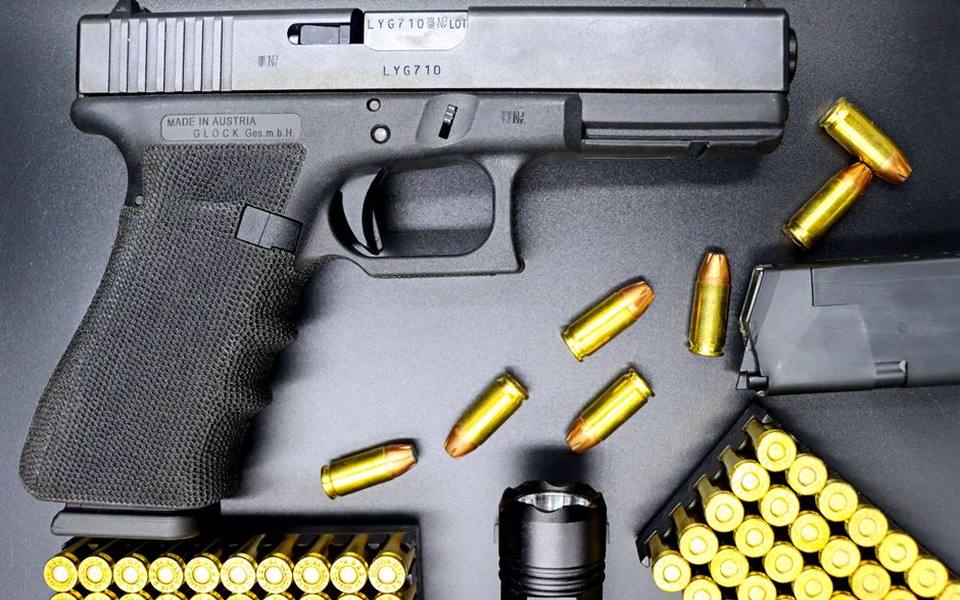
Evaluating these tools requires looking beyond simple lumen ratings, which merely measure total light volume. Candela represents beam intensity and throw, determining how effectively a light punches through photon barriers like window tint, fog, or opposing vehicle headlights. A compact light with moderate lumens but high candela creates a focused hotspot capable of identifying distant threats and temporarily disorienting an aggressor, whereas a low-candela flood beam simply scatters light across your immediate foreground.
Power management is equally vital when selecting a primary illumination tool. Modern tactical lights frequently utilize dual-fuel architecture, accepting either rechargeable lithium-ion cells or shelf-stable lithium batteries. Rechargeable options provide cost-effective practice for regular utility use, while lithium cells offer extended storage stability inside vehicle glove compartments or emergency bags subject to extreme seasonal temperature swings.
Duty Belt Setup and Weight Distribution
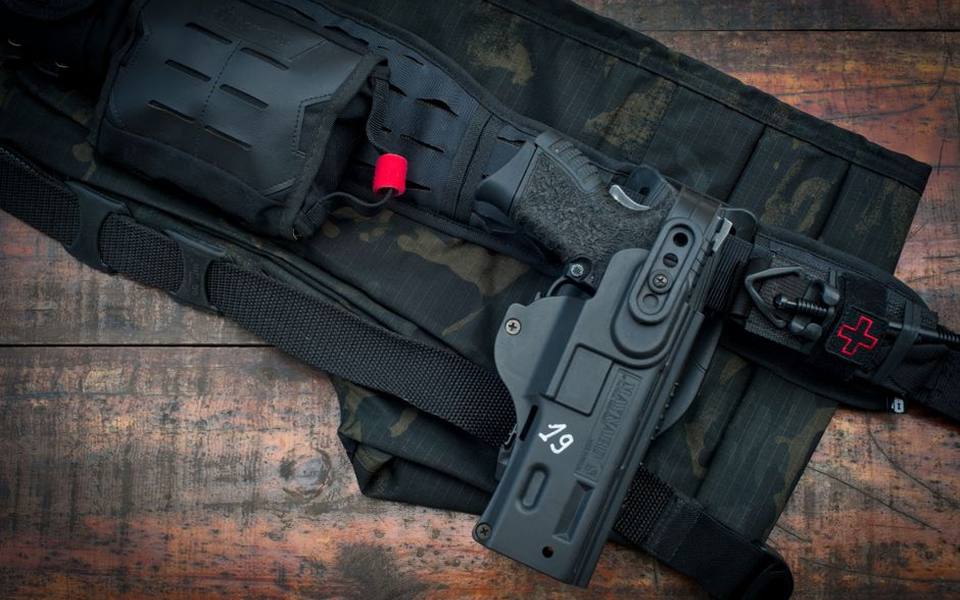
A duty belt functions as a load-bearing platform designed to anchor critical gear firmly to your hips during vigorous physical activity. Modern tactical systems rely on a two-piece hook-and-loop construction: a slim inner belt threads through standard pant loops, while a stiff, reinforced outer belt adheres securely over top. This configuration prevents the belt from shifting upward during a holster draw and eliminates the need to remove gear individual by individual at the end of the day.
Arranging gear on the belt follows a strict hierarchy of access and body mechanics. Primary defensive holsters occupy the dominant hip, typically around the three o'clock position for right-handed users. Spare magazines sit on the support side around nine o'clock, orienting bullets facing forward for smooth reloads. Medical trauma packs belong either directly along the centerline of the lower back or mounted on the support-side front, ensuring either hand can access life-saving tourniquets without unbuckling the system.
Managing cumulative weight is essential to prevent chronic lower back pain and nerve fatigue. Distributing heavy metal components symmetrically prevents the belt from torquing your spine to one side. Adding low-profile inner belt padding or lightweight composite keepers can significantly improve daily comfort during twelve-hour shifts or extended range training classes.
Hand Protection for Shotgunners and Clay Sports
Shooting gloves designed for shotguns fulfill distinct mechanical needs that standard work gloves cannot address. High-volume disciplines such as trap, skeet, and sporting clays generate tremendous barrel heat that quickly radiates through forends during warm-weather matches. A quality shotgun glove shields the support hand from blistering metal while maintaining the sensitive tactile feedback required to manipulate small safeties, release catches, and insert shells into tubular magazines.
Clay sports demand materials that manage perspiration without becoming slippery. High-grade synthetic leathers or perforated goatskin palms offer exceptional friction against checkered walnut or composite stocks, ensuring your mount remains rock-solid on rapid double targets. The back of the hand should feature lightweight four-way stretch mesh that vents heat and dries rapidly during competitive rounds in direct sunlight.
Seam placement is a crucial detail that separates mediocre gloves from dedicated shooting handwear. Look for patterns featuring rolled fingertips where seams are moved away from the fingernails and sensitive pads. This eliminates pressure points that distract your trigger finger and prevents internal stitching from snagging on loading port edges during rapid shell feeds.
Cross-Discipline Handwear for Field Archery and Hunting
Archery requires a specialized approach to hand protection that differs substantially from firearm shooting. Traditional archers frequently choose three-finger leather shooting gloves designed to let the bowstring roll smoothly off the fingertips without friction or release hesitation. Compound bowhunters using mechanical releases need gloves with open wrists or elasticized cuffs that allow caliper mechanisms to lock onto wrist straps without bunching fabric or compromising anchor point consistency.
When transitioning into broad hunting applications, handwear must balance ambient thermal regulation against weapon manipulation. A glove that is overly thick makes operating trigger guards, chambering cartridges, or adjusting turret dials frustratingly clumsy. Late-season hunters often employ a modular system, combining ultra-thin base liner gloves that retain dexterity with heavy outer insulated mittens featuring fold-back magnetic caps.
Searching for outdoor handwear through large online retailers often yields dozens of generic listings marketed interchangeably as archery, hunting, and utility gear. Many low-cost options look capable in promotional images but feature noisy nylon outer shells that scrape loudly against brush or tree stands. Verifying that outer materials utilize brushed fleece or silent micro-suede ensures your movement remains quiet when game animals are within bow range.
Sourcing Shooting Gloves Online and Navigating Sizing
Ordering shooting gloves online provides access to an enormous variety of styles and price points, but sizing discrepancies remain the primary hurdle. Many budget tactical gloves listed on major ecommerce marketplaces originate from overseas manufacturers that use non-standard sizing patterns. A glove marked as a men's large in one listing may fit tightly across the palm like a medium, restricting circulation and chilling fingers in crisp morning air.
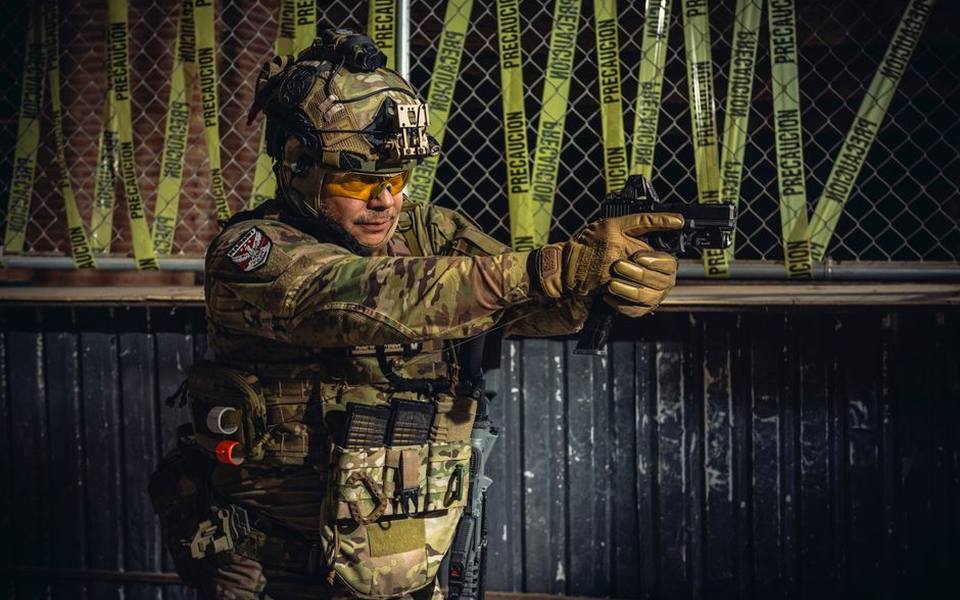
To minimize sizing errors when purchasing remotely, measure both your palm circumference just below the knuckles and the distance from the base of your palm to the tip of your middle finger. Review technical dimension charts rather than relying on generic letter sizes. Pay close attention to buyer feedback regarding whether the finger boxes run short, as stubby fingertips create constant tension that compromises your grip and causes seams to blow out prematurely.
Examine the construction details outlined in product specifications before purchasing. Durable tactical gloves feature reinforced thumb crotches, double-stitched stress points, and synthetic suede palms that remain pliable after getting soaked in rain or sweat. While online marketplaces deliver sheer convenience, visiting your neighborhood gun store gives you the distinct advantage of testing handwear directly against actual firearm grips to evaluate real tactile control.
Dedicated Bags for Skeet, Trap, and Clay Ranges
A purpose-built skeet shooting bag differs markedly from general tactical range duffels designed for handguns and carbines. Clay target sports require structured storage tailored specifically to boxed shotshells, spent hulls, and choke tube kits. A dedicated clay bag typically features a stiffened central compartment holding four to eight shell boxes upright, paired with an integrated mesh dump pouch or drop-bottom compartment for collecting empties between shooting stations.
Durability in a clay bag begins at the base. Range benches and station stands frequently collect moisture, gravel, and mud, meaning a flat fabric bottom will quickly soak through and ruin cardboard ammunition packaging. Quality bags incorporate rubberized molded feet or heavy waterproof PVC bases that stand rigid on wet grass and wash clean with a simple damp cloth after a long weekend shoot.
Exterior storage pockets must be configured for clay-specific accessories. Dedicated elastic loops protect delicate choke tube threads from banging together, while zippered flat pockets store choke wrenches, chamber flags, grease tubes, and scorecards. Having an organized, open-top design lets you pull fresh shells smoothly while awaiting your turn at the trap house without distracting squad mates.
Eye Protection and Magnified Lenses on the Line
Ballistic eye protection is an indispensable safety barrier on every firing range, defending against ricocheting fragments, unburnt powder sparks, and catastrophic case ruptures. Protective glasses for men must meet or exceed industrial safety benchmarks such as ANSI Z87.1 or military ballistic fragmentation standards. Beyond sheer impact resistance, the frame geometry should feature flat, thin temples that slide comfortably beneath hearing protection muffs without breaking the acoustic seal around your ears.
Shooters experiencing age-related vision changes often struggle to keep both the front sight post and target in sharp focus. Magnified shooting glasses solve this optical challenge by integrating bifocal reader segments directly into the polycarbonate ballistic lenses. Placing subtle magnification at the top or bottom of the lens allows your dominant eye to lock sharply onto iron sights or handgun red dot reticles while preserving natural distance vision across the rest of the viewing field.
Lens tint selection directly impacts target acquisition under shifting ambient lighting conditions. Clear lenses provide true color rendition for indoor firing bays and low-light drills. Yellow and high-contrast amber lenses enhance definition on overcast days, while specialized purple and vermillion tints highlight orange clay targets against green tree backgrounds by suppressing earth tones and sharpening edge contrast.
Evaluating Monthly Tactical Gear Subscription Boxes
Tactical subscription boxes have gained popularity as a novelty service delivering curated assortments of blades, utility lights, multi-tools, and survival gear each month. These services generally tier their packages into basic, intermediate, and premium tiers, promising cumulative retail values that exceed the monthly subscription fee. For enthusiasts who enjoy unboxing surprises and experimenting with varied outdoor gadgets, these recurring mailers offer genuine recreational appeal.
From an operational preparedness standpoint, subscription boxes rarely deliver the cohesive, vetted gear required for serious defensive or field use. Boxes frequently contain private-label imports, novelty pocket tools, or surplus odds and ends that clear out supplier warehouses rather than mission-critical equipment. Essential safety gear, particularly tourniquets and defensive lights, must come from verifiable manufacturers with proven life-safety track records rather than mystery crates.
If you opt to subscribe to a monthly box service, treat the contents as experimental utility tools rather than primary duty gear. The knives and flashlights included make sensible backups for your workshop bench, fishing tackle box, or vehicle emergency kit. When assembling primary everyday carry equipment, budget your funds deliberately toward specific, proven items that match your measured defensive requirements.
Organizing and Storing Tactical Equipment at Home
Proper tactical gear storage protects your investment from premature material breakdown and ensures rapid staging when gear is needed. Modern equipment utilizes high-strength Cordura nylon, elastic retention loops, and molded polymers, all of which degrade when exposed to chronic humidity, ozone, or direct ultraviolet sunlight. Heavy load-bearing equipment like plate carriers and loaded battle belts should hang on wide, high-impact composite hangers rather than wire frames that deform shoulder padding over time.

Wall-mounted storage systems, including steel pegboards and reinforced slatwalls, offer excellent modularity for organizing range gear. Mounting your pouches, belts, and safety gear along a wall keeps items off the floor and visible, making gear checks before a match or training session fast and comprehensive. Small bins mounted to the lower panels neatly catch earplugs, spare batteries, lens wipes, and staple guns for paper targets.
Maintaining distinct operational boundaries between secured firearms and support gear is vital for home safety. While non-lethal nylon gear, eye protection, and empty bags can remain accessible on open racks, all firearms, spare ammunition, and magazines should reside inside secure safes or lockboxes. Storing your range bag alongside your safe lets you pack organized kit efficiently while keeping weapons locked until you are actively heading to the range.
Pairing Specialized Gear with Local Store Resources
While ecommerce outlets offer limitless scrolling, local independent gun shops remain the gold standard for evaluating tactile gear ergonomics before spending your hard-earned money. Trying on holsters, handling duty belts, and checking glove dexterity in person eliminates the hassle of constant mail returns. Browsing a shop's used gun inventory often uncovers premium trade-in holsters, vintage leather shell pouches, and quality hard-sided cases at sensible prices.
Technical gear modifications frequently require hands-on professional assistance that online tutorials cannot replicate. If you need optics plates mounted to a defensive slide, custom night sights drifted into place, or sling swivels properly bedded into a hunting stock, consulting a qualified gunsmith ensures mechanical reliability without damaging expensive finishes or stripping sensitive fasteners.
Local shops are also essential hubs for keeping your range bags supplied with consumable targets, eye protection defogging sprays, and reloading supplies and components. Consulting our state-by-state gun store directory connects you with knowledgeable counter staff across the country who understand local shooting sports traditions and can recommend the right gear for your regional range requirements.
Published 2026-09-21 · reviewed with each rebuild, last September 2026.
Find gun stores near you
The directory lists 12,328 gun stores by state and city — pick your state or use the “Near me” button in the header.
More guides
-
 Buying
Night Vision, Caliber Choices, and Hearing Protection: The Practical Buyer Guide
-
 Owning
Muzzle Brakes vs Pistol Compensators: Mechanics, Tuning, and Ownership Costs
-
 Owning
Where to Get Fingerprints for Gun Permits, Hearing Gear, and Range Prep
-
 Owning
How to Remove Rust from a Gun Safely Without Damaging the Finish
-
 Buying
Choosing a Skeet Shotgun: Balance, Gauges, and Barrel Specs
-
 Safety
Stun Guns, Tasers, and Protective Range Gear: Practical Buyer's Guide
-
 Buying
Choosing Practical Firearms for Home Defense and Daily Carry
-
 Buying
FFL Transfer Fees and Process Explained: What to Expect at the Counter
-
 Service
Fingerprinting Services, IdentoGO, and FBI Background Checks: The Complete Guide
-
 Safety
Indoor and Outdoor Shooting Ranges: Etiquette, Rules, and Memberships
-
 Storage
Gun Safes and Fireproof Storage: Biometric Safes, Cabinets, and Dehumidifiers
-
 Safety
Body Armor and Ballistic Plates: Threat Levels, Plate Materials, and Carrier Sizing
-
 Safety
Shooting Hearing Protection: Electronic Earmuffs, Custom Earplugs, and Noise Reduction
-
 Owning
Shooting Targets, Clay Throwers, and Range Rests Guide
-
 Owning
Concealed Carry Holsters: Kydex, Leather, IWB, OWB, and Specialized Rigs
-
 Owning
Rifle and Shotgun Slings: Single-Point, Two-Point, and Mounting Hardware
-
 Owning
Everyday Carry and Tactical Accessories: Range Bags, Gun Locks, and Practical Gear
-
 Owning
Gun Cleaning Kits and Maintenance: Cleaners, Oils, and Solvents
-
Safety
Everyday and Noise Reduction Earplugs: A Practical Comparison Guide
-
 Safety
Firearm Safety Rules, Concealed Carry Courses, and Tactical Shooter Training
-
 Service
Rifle Customization, Caliber Selection, and Bench Work: A Guide to Practical Gunsmithing and Reloading
-
 Safety
Shooting and Hearing Protection: Guide to Earmuffs, Plugs, and Electronic Defenders
-
 Buying
Choosing Spotting Scopes, Binoculars, and Specialized Night Optics
-
 Safety
Active Shooter Response, Tactical Handgun Courses, and Firearm Safety Training Guide
-
 Buying
Night Vision Optics and Spotting Scopes Buyer's Guide
-
 Buying
Firearm Valuation, Appraisal, and Used Buying Guide
-
Safety
Layering Personal Defense: Less-Lethal Tools, Purpose-Built Firearms, and Medical Gear
-
 Buying
Hunting Ammunition, Calibers & Reloading Supplies Guide
-
 Owning
Concealed Carry Reciprocity, Licensing Basics, and Buying Regulations Explained
-
 Service
Custom Gunsmithing, Barrel Modifications, and AR-15 Upgrades Guide
-
 Owning
Target Shooting & Clay Sports Guide: Air Rifles, Ranges & Eye Protection
-
Storage
Essential Firearm Storage, Cases, Recoil Pads, and Rig Systems
-
 Safety
The Ultimate Guide to Shooting Hearing Protection and Electronic Earmuffs
-
 Owning
Dry Fire Training Systems, Timers, and At-Home Practice Routines
-
 Owning
State Firearm Rules, Training Courses, and Range Guidelines
-
 Owning
Everyday Carry Holsters and Wearable Gear: A Practical Selection Guide
-
 Owning
Firearm Upgrades and Tuning: Gas Blocks, Sights, and Mounts
-
 Owning
CCW Permits, Licensing Laws, and Background Check Fingerprinting Guide
-
 Storage
Firearm Safes and Secure Storage: Humidity Control, Security Standards, and Storage Solutions