Balancing Daily Concealment with Home Protection Priorities
Selecting a defensive firearm requires honest assessment of where and how the weapon will serve you most. A firearm optimized exclusively for home defense tends to be larger, heavier, and equipped with a full-size frame that absorbs recoil easily, holds ample ammunition, and accepts auxiliary lights without throwing off balance. Conversely, a firearm tailored strictly for daily concealed carry emphasizes thin dimensions, rounded contours, and lightweight materials so it remains comfortable across long hours seated in a vehicle or moving through public spaces.
Attempting to force a single firearm into both roles usually involves a compromise in either comfort or shootability. A miniature pocket pistol might be effortless to carry under lightweight summer clothing, yet its snappy recoil and short sight radius make it far more difficult to operate accurately when awakened suddenly in the dark. On the other hand, a full-sized duty handgun or long gun provides unmatched control inside a hallway but will almost certainly be left locked in a drawer rather than carried daily on your belt.
For many gun owners, the practical middle ground centers on compact polymer-framed handguns that offer sufficient grip surface for a full two-handed hold while remaining slender enough for inside-the-waistband holsters. Finding that equilibrium depends on your body type, daily wardrobe, and domestic living environment. Taking the time to evaluate those competing demands before shopping keeps you from spending money on hardware that gathers dust or causes frustration on the range.
The Five Defining Handgun Profiles for Daily Concealment
When browsing dealer display counters, the sheer variety of compact handguns can seem overwhelming, but modern defensive options typically fall into five distinct mechanical profiles. The first profile is the modern micro-compact chambered in 9mm, which uses staggered-column magazines to pack double-digit capacity into an overall profile historically reserved for small single-stack pistols. These firearms represent the current standard for daily carry because they offer genuine defensive ballistics without printing through light clothing.
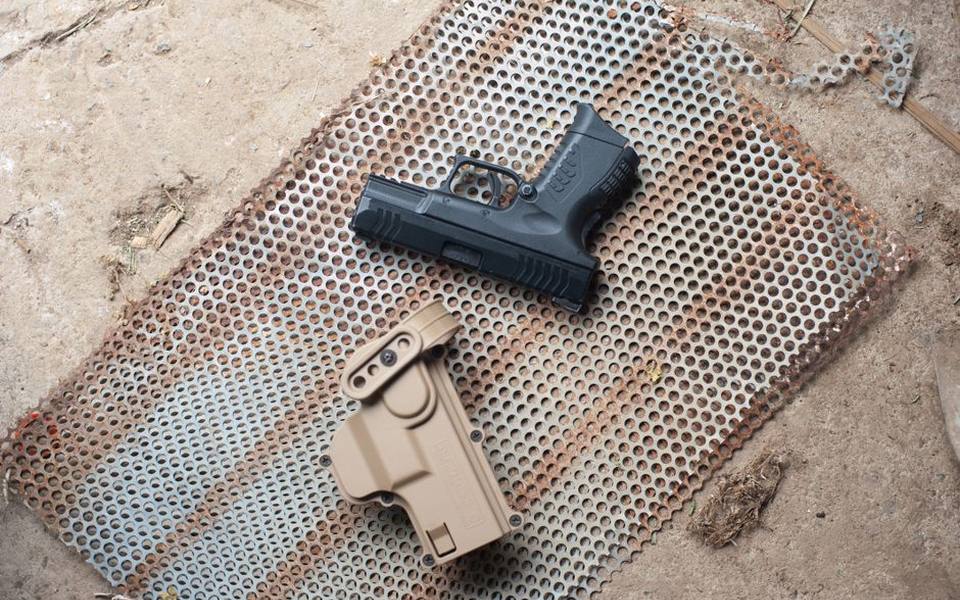
The second category consists of traditional compact striker-fired handguns with barrel lengths around four inches. While noticeably thicker and heavier than micro-compacts, these firearms feature full-length grips that allow every finger to establish purchase, reducing muzzle flip and promoting rapid target transitions. Many defensive instructors view this profile as the ultimate do-everything compromise because it transitions seamlessly from a sturdy concealment holster to a nightstand quick-access vault.
The third archetype includes ultra-slim subcompacts chambered in milder calibers like .380 ACP, designed specifically for deep concealment or shooters with limited hand size and grip strength. The fourth is the small-frame double-action revolver, usually holding five rounds of .38 Special, which remains favored by those who value mechanical simplicity, snag-free draws from coat pockets, and the ability to fire reliably through purse or jacket material without slide interference.
The fifth profile encompasses modular chassis pistols, where the serialized mechanical core can be swapped between subcompact carry frames and larger home-defense frames in a matter of minutes. Inspecting these different form factors across regional counters, such as gun stores in Texas or gun stores in Florida, allows you to feel the distinct differences in trigger reach, grip texture, and slide manipulation firsthand.
Recoil Control and Grip Ergonomics for Female Shooters
A common misstep in gun stores involves steering women toward tiny, lightweight revolvers or miniature pocket automatics under the assumption that smaller weapons are easier to manage. In physical reality, lightweight handguns generate the sharpest perceived recoil because there is minimal frame mass to absorb the energy of the detonating cartridge. For female shooters and anyone with smaller hands, controllable shooting depends on mechanical leverage rather than brute wrist strength.
Ergonomic fit begins with trigger reach, which is the distance from the rear of the grip backstrap to the face of the trigger. If a shooter cannot place the pad of their index finger naturally on the trigger without shifting their master grip to the side, control over recoil diminishes significantly. Modern semi-automatics frequently include interchangeable backstraps or modular grip panels, allowing users to reduce grip circumference so their fingers wrap completely around the frame for maximum friction.
Slide manipulation presents another significant physical barrier that should be tested before purchasing. Handguns with heavy recoil springs can be difficult to cycle by hand, especially for shooters experiencing arthritis or reduced hand strength. Modern designs often incorporate lighter recoil springs paired with deeper slide serrations, flared cocking wings, or tilt-barrel locking systems that eliminate the need to rack against spring tension altogether, offering a much smoother operational experience.
Evaluating Shotgun Platforms for Home Defense
A dedicated shotgun remains one of the most effective close-range defensive tools available, yet choosing one for defensive duty requires careful configuration. Standard hunting shotguns typically come equipped with long barrels and traditional buttstocks designed for tall shooters swinging on flying game. Inside a home, those dimensions become awkward, making the weapon cumbersome in hallways and difficult for shooters of smaller stature to mount securely against the shoulder.
For female defenders and smaller-framed individuals, length of pull—the distance from the trigger shoe to the back of the buttpad—is the single most critical dimension on a long gun. A stock with a twelve-inch or thirteen-inch length of pull keeps the shooter's center of gravity forward, preventing the shotgun from rocking their upper body backward during recoil. Adding an aftermarket youth stock or an adjustable tactical buttstock can turn an unwieldy scattergun into an intuitive, balanced defensive tool.
Gauge selection also deserves practical analysis rather than internet bravado. While a 12-gauge shotgun loaded with standard buckshot is the historical baseline, a quality 20-gauge shotgun delivers plenty of terminal energy with noticeably less felt recoil and muzzle climb. Furthermore, modern semi-automatic shotguns utilize gas-operated action cycles that bleed off expanding gases to cycle the action, dampening peak recoil significantly compared to rigid pump-action designs that transfer every ounce of energy straight into the shoulder.
Navigating Apartment Layouts and Wall Penetration Risks
Selecting a defensive firearm for an apartment or multi-family condominium introduces structural considerations that single-family homeowners rarely face. Typical residential interior construction consists of half-inch gypsum drywall mounted over wooden or light-gauge steel framing studs. These lightweight partitions offer virtually zero resistance to modern defensive projectiles, meaning any round fired in defense could easily travel through multiple interior rooms and into adjoining residences.

Because missed shots represent the primary hazard in shared residential buildings, the best apartment defense platform is whichever firearm you can shoot with the greatest mechanical precision under extreme adrenaline. While handguns are compact and convenient to secure, they are statistically harder to aim steadily under stress than shoulder-fired long guns. A lightweight compact carbine or pistol-caliber carbine provides multiple points of bodily contact, stabilizing your sight picture and dramatically reducing the likelihood of a stray round missing the target.
Maneuvering through confined hallways and tight doorways also influences equipment choices. While clearing rooms by yourself is generally discouraged unless moving to secure children, navigating through narrow residential floor plans requires a firearm that does not protrude excessively past your torso. Long hunting shotguns or full-length rifles can easily catch on doorframes or be deflected in close quarters, which makes compact handguns or short-barreled long guns far more practical in tight urban floor plans.
Ballistic Penetration and Ammunition Selection Indoors
Understanding how defensive ammunition behaves when striking common interior building materials is vital for apartment dwellers. Full metal jacket practice ammunition should never be used for personal defense in an urban environment because solid copper-jacketed lead slugs retain their integrity and tumble through multiple layers of drywall, insulation, and siding without shedding energy. Defensive ammunition must be specifically engineered to expand rapidly or fragment upon encountering resistance.
In defensive handguns, modern jacketed hollow points rely on hydraulic pressure from soft tissue to expand their petals, which slows the projectile down inside the target and prevents over-penetration. When a quality hollow point encounters dry wallboard first, the hollow cavity can occasionally pack with plaster dust, causing the bullet to behave temporarily like a solid slug. Even so, quality bonded hollow points remain far safer for indoor living than inexpensive target rounds.
For shotgun users in multi-unit buildings, ammunition choice dictates neighbor safety. Heavy 00 buckshot pellets act like multiple low-velocity pistol rounds flying in a cluster, which can easily pierce several walls if a shot goes wide. Many defensive experts recommend #4 buckshot for interior apartment use, as the smaller pellets deliver devastating energy on target while shedding velocity far more rapidly when passing through light construction materials.
Handling Controls and Low-Light Manipulation
Defensive encounters inside residential spaces happen almost exclusively under sudden, low-light conditions, which completely changes how controls and sighting systems function. When shopping for a defensive handgun or home long gun, evaluate how naturally your fingers locate the slide release, magazine catch, and any external manual safeties. If an action requires awkward finger contortions or delicate fine-motor skills, it will likely fail you under high stress and elevated heart rates.
The debate between manual frame-mounted safeties and passive trigger-shoe safeties often comes down to individual training commitments. Handguns with passive internal drop safeties require nothing more than a deliberate press of the trigger to discharge, removing a mechanical step that an untrained user might forget to disengage in an emergency. However, for those who store firearms off-body or prefer an extra tactile barrier during holstering, a crisp, well-positioned thumb safety provides genuine peace of mind.
Mounting a weapon-mounted illumination tool is now considered standard practice for home defense firearms. You cannot ethically or legally fire at an unidentified silhouette across your dark living room, and holding a separate handheld flashlight complicates your grip and recoil control. Ensure any firearm destined for home security features an accessory rail under the dust cover or forward barrel capable of supporting a secure, high-output defensive light.
Testing Before Buying at Local Retailers and Ranges
Reading specification charts and internet commentary will only take your selection process so far; nothing replaces placing the firearm directly into your hands. What feels like an aggressive, secure grip texture in a five-minute showroom inspection might feel like sandpaper after fifty rounds of live fire. Similarly, a handgun trigger that feels pleasantly crisp when dry-firing can produce unexpected muzzle dip if your finger geometry is mismatched to the frame.
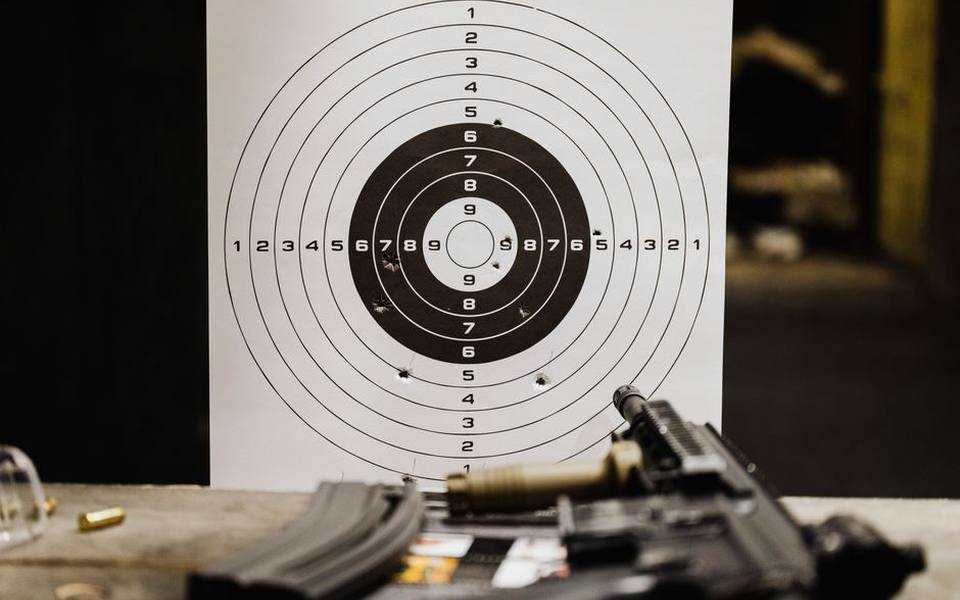
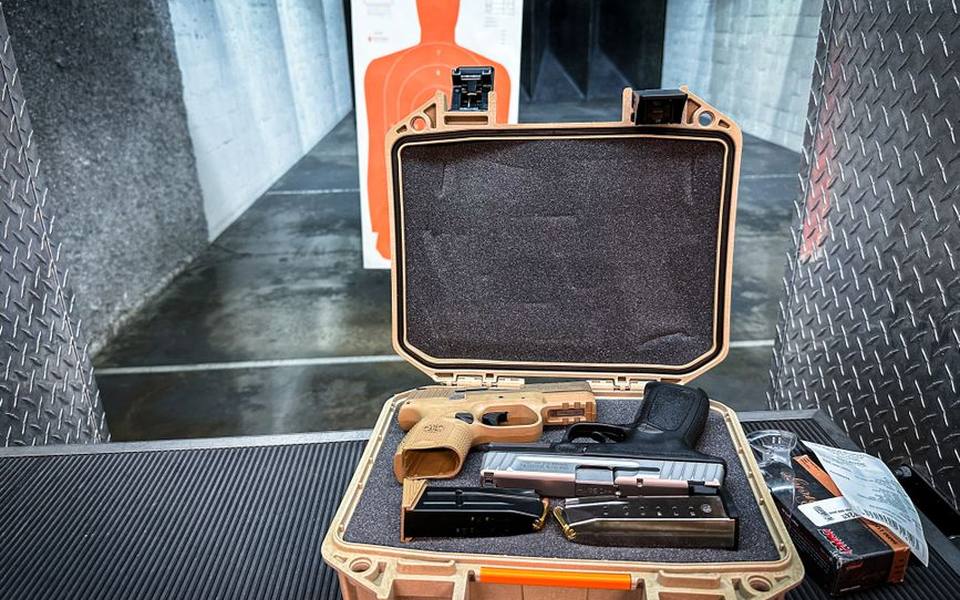
Whenever feasible, seek out local shooting facilities that maintain an active rental fleet where you can test-fire several competing models side by side. Spending an hour shooting five rounds each through various micro-compacts, mid-sized revolvers, and compact carbines will immediately reveal your personal thresholds for recoil sensitivity and sight tracking. This empirical testing eliminates buyer remorse before completing official purchase paperwork.
Visiting reputable retail counters also opens opportunities to inspect trade-ins and surplus platforms. Browsing inventory at established used gun stores often allows you to handle proven duty models that have been smoothed out by previous handling, providing an affordable entry point into high-quality defensive equipment without paying brand-new manufacturer premiums.
Navigating Transfers, Regulations, and Secure Home Storage
Acquiring your chosen defensive tool involves understanding the retail paperwork and transfer procedures required by federal and state regulations. If you decide to order a specialized configuration, compact shotgun stock, or custom optic-ready handgun from an online distributor, federal law dictates that the weapon must be shipped directly to a licensed business with an active Federal Firearms License rather than to your home doorstep.
Coordinating with local FFL transfer dealers allows you to complete the mandated federal Form 4473 and state-mandated background checks smoothly upon arrival. Transfer fees, background check waiting periods, and waiting intervals typically vary depending on state statutes and individual dealer policies, so calling ahead to clarify local shop procedures saves unexpected delays when your shipment arrives.
Once your firearm is home, responsible ownership requires balancing instant accessibility against unauthorized access. Storing an unsecured loaded firearm in a nightstand drawer is irresponsible if children, roommates, or visitors have access to your living quarters. Modern rapid-access security lockboxes utilize mechanical simplex push-buttons or reliable biometric fingerprint scanners, allowing a homeowner to retrieve their firearm within two seconds in total darkness while preventing tragic accidents.
Professional Fitting and Long-Term Firearm Maintenance
Purchasing your firearm is simply the starting baseline of defensive readiness; getting the weapon properly tuned to your physical needs ensures long-term reliability. Many factory handguns leave the assembly line equipped with rudimentary plastic sights that are difficult to pick up in dim lighting and susceptible to drifting out of alignment if bumped against hard surfaces during daily carry.
Upgrading to high-visibility night sights, adding micro red-dot optics, or adjusting trigger pull weights can turn an average production handgun into a precision tool tailored to your eyesight and finger strength. For specialized mechanical modifications, stock shortening, or barrel crowning, consulting certified gunsmiths ensures that alterations adhere strictly to manufacturer safety parameters without voiding factory warranties or compromising functional reliability.
Finally, defensive firearms accumulate lint, moisture, and holster debris from daily carry, while powder fouling and carbon build up during monthly range sessions. Establishing a disciplined routine of disassembling, inspecting critical wear components, wiping away corrosive sweat, and applying light lubricant keeps your defensive firearm working smoothly whether it rides on your hip daily or sits resting in a bedside safe.
Published 2026-09-20 · reviewed with each rebuild, last September 2026.
Find gun stores near you
The directory lists 12,328 gun stores by state and city — pick your state or use the “Near me” button in the header.
More guides
-
 Buying
Night Vision, Caliber Choices, and Hearing Protection: The Practical Buyer Guide
-
 Owning
Muzzle Brakes vs Pistol Compensators: Mechanics, Tuning, and Ownership Costs
-
 Owning
Where to Get Fingerprints for Gun Permits, Hearing Gear, and Range Prep
-
 Owning
How to Remove Rust from a Gun Safely Without Damaging the Finish
-
 Buying
Choosing a Skeet Shotgun: Balance, Gauges, and Barrel Specs
-
 Safety
Stun Guns, Tasers, and Protective Range Gear: Practical Buyer's Guide
-
 Buying
FFL Transfer Fees and Process Explained: What to Expect at the Counter
-
 Service
Fingerprinting Services, IdentoGO, and FBI Background Checks: The Complete Guide
-
 Safety
Indoor and Outdoor Shooting Ranges: Etiquette, Rules, and Memberships
-
 Storage
Gun Safes and Fireproof Storage: Biometric Safes, Cabinets, and Dehumidifiers
-
 Safety
Body Armor and Ballistic Plates: Threat Levels, Plate Materials, and Carrier Sizing
-
 Safety
Shooting Hearing Protection: Electronic Earmuffs, Custom Earplugs, and Noise Reduction
-
 Owning
Shooting Targets, Clay Throwers, and Range Rests Guide
-
 Owning
Concealed Carry Holsters: Kydex, Leather, IWB, OWB, and Specialized Rigs
-
 Owning
Rifle and Shotgun Slings: Single-Point, Two-Point, and Mounting Hardware
-
 Owning
Everyday Carry and Tactical Accessories: Range Bags, Gun Locks, and Practical Gear
-
 Owning
Gun Cleaning Kits and Maintenance: Cleaners, Oils, and Solvents
-
Safety
Everyday and Noise Reduction Earplugs: A Practical Comparison Guide
-
 Safety
Firearm Safety Rules, Concealed Carry Courses, and Tactical Shooter Training
-
 Service
Rifle Customization, Caliber Selection, and Bench Work: A Guide to Practical Gunsmithing and Reloading
-
 Safety
Shooting and Hearing Protection: Guide to Earmuffs, Plugs, and Electronic Defenders
-
 Buying
Choosing Spotting Scopes, Binoculars, and Specialized Night Optics
-
 Safety
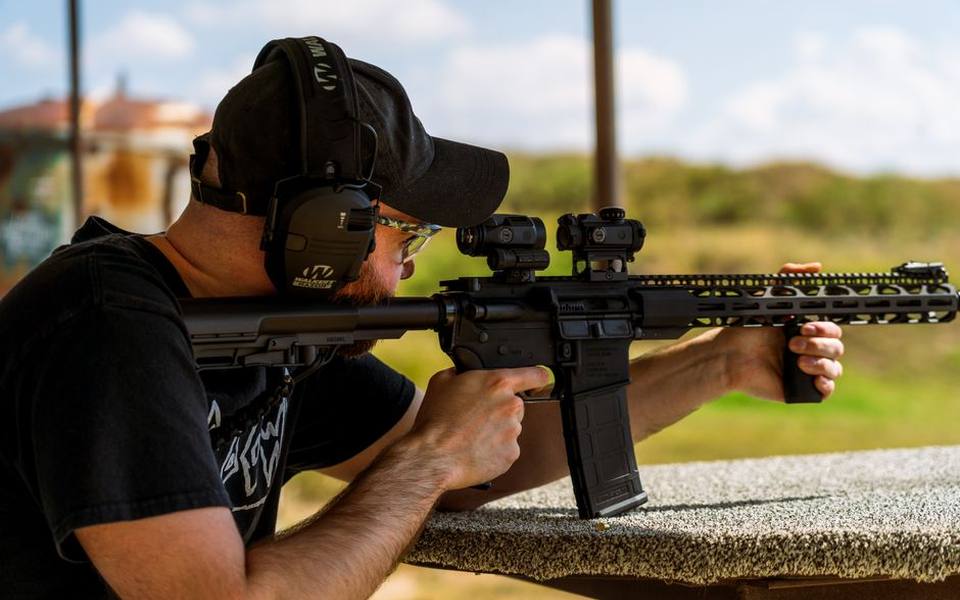
Active Shooter Response, Tactical Handgun Courses, and Firearm Safety Training Guide
-
 Buying
Night Vision Optics and Spotting Scopes Buyer's Guide
-
 Buying
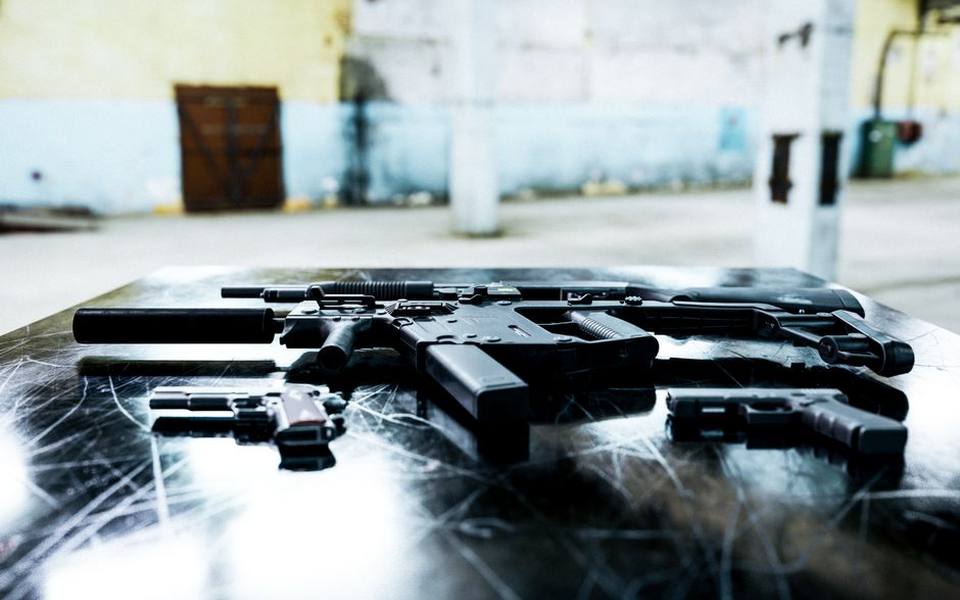
Firearm Valuation, Appraisal, and Used Buying Guide
-
Safety
Layering Personal Defense: Less-Lethal Tools, Purpose-Built Firearms, and Medical Gear
-
 Buying
Hunting Ammunition, Calibers & Reloading Supplies Guide
-
 Owning
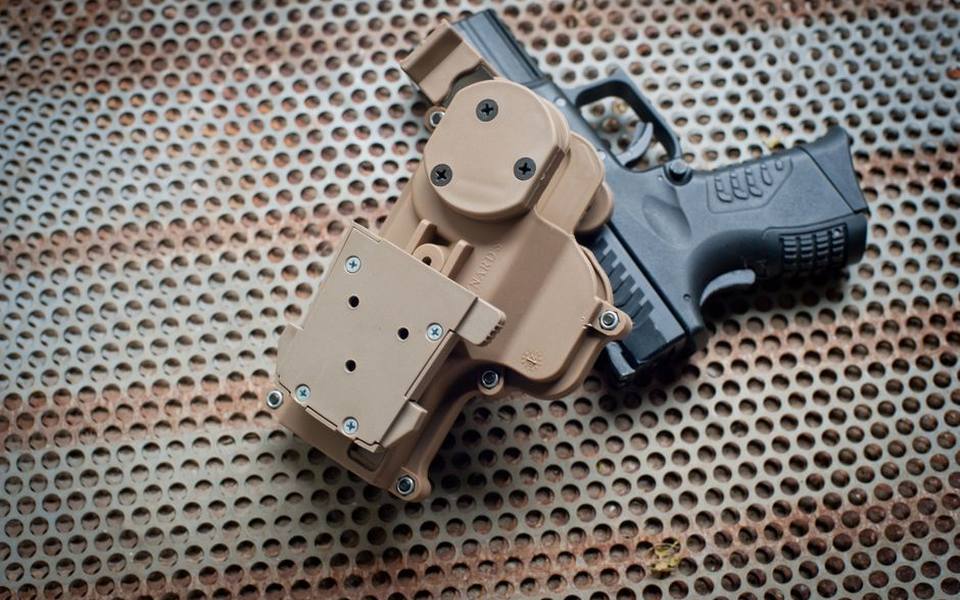
Concealed Carry Reciprocity, Licensing Basics, and Buying Regulations Explained
-
 Service
Custom Gunsmithing, Barrel Modifications, and AR-15 Upgrades Guide
-
 Owning
Target Shooting & Clay Sports Guide: Air Rifles, Ranges & Eye Protection
-
Storage
Essential Firearm Storage, Cases, Recoil Pads, and Rig Systems
-
 Safety
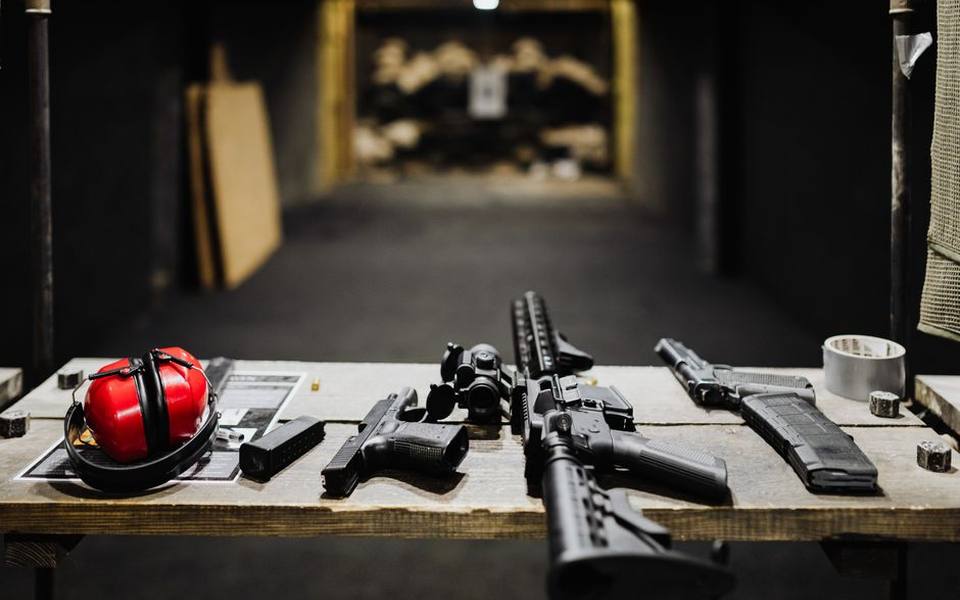
The Ultimate Guide to Shooting Hearing Protection and Electronic Earmuffs
-
 Owning
Dry Fire Training Systems, Timers, and At-Home Practice Routines
-
 Owning
State Firearm Rules, Training Courses, and Range Guidelines
-
Owning
Essential Tactical Gear, EDC Equipment, Shooting Gloves, and Range Bags
-
 Owning
Everyday Carry Holsters and Wearable Gear: A Practical Selection Guide
-
 Owning
Firearm Upgrades and Tuning: Gas Blocks, Sights, and Mounts
-
 Owning
CCW Permits, Licensing Laws, and Background Check Fingerprinting Guide
-
 Storage
Firearm Safes and Secure Storage: Humidity Control, Security Standards, and Storage Solutions