Matching Carry Style to Daily Routine
Selecting the right concealed carry holster begins with an honest assessment of how you move, dress, and spend your working hours. A setup that feels seamless while standing at a sales counter might pinch uncomfortably during a three-hour commute or pull awkwardly against light summer clothing. Inside-the-waistband carry offers the highest level of baseline concealment for compact handguns, while outside-the-waistband rigs shift the weight across the beltline for superior long-term comfort beneath an untucked shirt or jacket.
Body mechanics dictate where a firearm rests naturally without printing against fabric. Forward positions along the belt, commonly known as appendix carry, allow quick access from seated or standing positions but require dedicated posture and rigid hardware. Moving the holster back toward the hip or kidney area helps disperse broader frame profiles, though it demands more reach when drawing. Taking time to test various positions at your local retailer helps prevent accumulating a drawer full of unused gear.
Weather and personal wardrobe changes also require flexibility throughout the year. Many carriers rely on a streamlined shell inside the belt during warmer months and shift toward sturdier belt-slide platforms when winter coats allow broader cover garments. When you visit a shop or explore selections across local gun stores, bring along the belt and typical cover garments you wear every day to test real-world geometry before making a commitment.
The Kydex Revolution: Rigid Retention and Modern Carry
Formed thermoplastic sheets, universally referred to as Kydex, changed modern defensive carry by delivering repeatable, click-in retention and absolute dimensional stability. Unlike pliable fabrics, a molded synthetic shell will not collapse when you draw the firearm, allowing you to reholster smoothly with a single hand without sweeping your support fingers across the muzzle. The material resists sweat, body oils, and environmental moisture, making it an ideal choice for active individuals in humid climates.
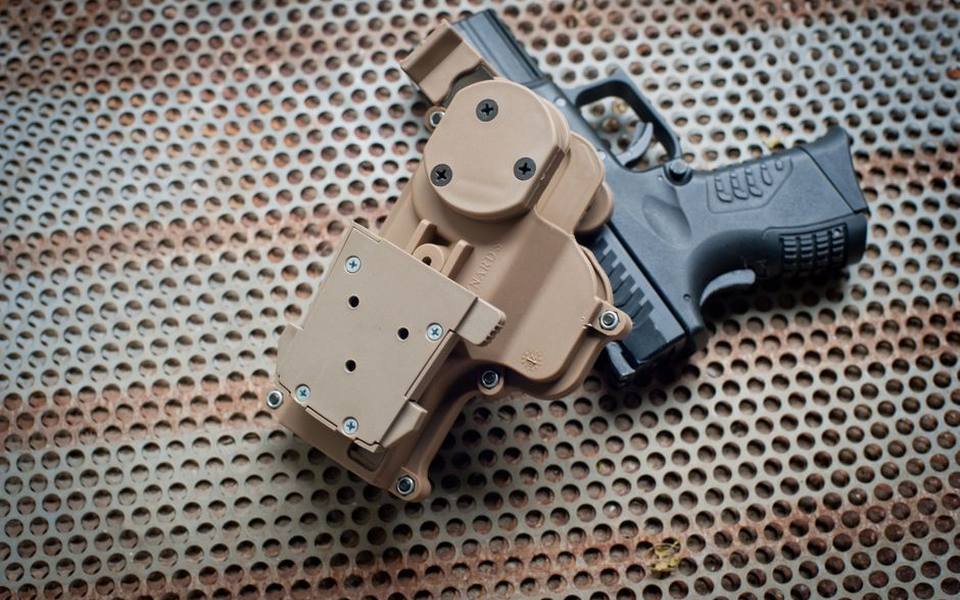
Inside-the-waistband Kydex builds have become the default standard for compact striker-fired handguns. Dedicated Kydex holsters for Glock 19 models, for example, capitalize on the handgun's widespread popularity by offering exact shell molding around the slide, extractor port, and trigger guard. Because the polymer maintains its profile indefinitely, the trigger guard remains completely protected, eliminating accidental snagging hazards during everyday movement, bending, or vehicle entry.
Adjustability represents another major advantage of modern thermoformed plastics. Most Kydex IWB holster designs incorporate tension screws near the dust cover or trigger well, enabling the wearer to dial in retention resistance from a light tug to a firm, deliberate draw stroke. Mounting clips can often be canted forward or lowered to change ride depth, tucking the grip tightly against the ribcage to eliminate telltale bulges under single-layer cotton t-shirts.
Traditional Leather: Comfort, Break-In, and Natural Flexibility
Quality leather gun holsters maintain a devoted following for solid reasons: they mold to the contours of the wearer's hip over time and flex with normal body motion. Steerhide and horsehide distribute pressure along the waist far more gently than hard plastic, making outside-the-waistband leather holsters especially popular for all-day carry of mid-sized to full-sized handguns. The organic material softens minor pressure points against the pelvis while retaining a quiet, friction-free draw stroke.
Proper leather holsters require an intentional break-in period before they achieve optimal balance between retention and release. Fresh leather from reputable makers is deliberately tight, requiring the carrier to wrap the firearm in plastic wrap or wax paper and seat it firmly in the pouch overnight to stretch the fibers. Once broken in, high-grade leather hugs the frame snugly while offering a smooth draw stroke that generates far less surface wear on delicate blued or parkerized gun finishes.
Maintenance is essential to preserve the structural safety of any leather holster over years of service. Sweat contains salts that gradually dry out natural oils, leading to cracking or excessive softening near the mouth of the scabbard. Regular inspection ensures the reinforced mouth remains stiff enough to prevent collapsing during a draw, which is critical to avoid accidental trigger contact during reholstering. Avoid heavy oils that turn leather limp; light specialty conditioners applied sparingly are all that is typically required.
Revolver Holster Choices: Molded Synthetic Versus Classic Steerhide
Wheelguns present unique holster design challenges due to their cylinder width, rounded frames, and exposed hammer spurs. Traditionalists often prefer leather gun holsters for revolvers, as hand-boned cowhide neatly accommodates the bulbous curve of a cylinder while resting comfortably against the kidney or hip. A classic thumb break or deep friction fit keeps double-action snub noses and medium-frame revolvers anchored securely whether you are climbing fences or sitting at an office desk.
At the same time, Kydex holsters for revolvers have gained serious traction among defensive shooters who value structural rigidity and speed. Precision molding catches the cylinder flutes to provide positive mechanical retention without requiring an auxiliary retention strap. A modern synthetic revolver holster keeps the cylinder securely tucked against the body while maintaining an open channel for tall front sights, preventing snagging during sudden draws under pressure.
Choosing between hide and polymer for a wheelgun often comes down to carry position and climate. In sweltering summer heat where perspiration penetrates clothing, a hard plastic shell prevents sweat from corroding steel frames and wooden grips. Conversely, for winter field carry or outdoor utility, heavy-stitched leather cushions the firearm against bumps against equipment or vehicle seats, preventing abrasive wear while keeping the cylinder mechanism clean.
Deep Concealment with Pocket Holsters for Small Revolvers
When standard belt carry is impractical due to dress codes or light athletic attire, pocket carry offers a discreet, dependable alternative. A dedicated pocket revolver holster serves two vital functions: it covers the trigger shoe entirely to prevent accidental discharges from stray keys or lint, and it breaks up the recognizable outline of a small-frame revolver inside loose trouser pockets. Carrying a loaded handgun loose in a pocket without a protective sleeve is a dangerous habit that should never be practiced.
Pocket sleeves typically feature a tacky exterior texture or an integrated hook wing designed to grab the interior pocket fabric when the handgun is drawn. This ensures the holster stays anchored inside the pocket while the firearm clears cleanly into the hand. Snub-nosed revolvers with enclosed or bobbed hammers excel in pocket configurations because their rounded grip and streamlined frame snag far less on pocket seams than squared-off semiautomatics.
Selecting pants with sufficiently deep, wide pocket openings is essential for smooth execution. Slanted front pockets on chinos or cargo trousers provide superior draw angles compared to tight, curved jeans pockets that compress the cylinder against the thigh. When evaluating options, look for pocket designs with flat bottom edges that keep the revolver oriented in a consistent upright position so your hand finds the grip reliably on every presentation.
Ankle Holsters for Backup and Seated Carry
Carrying on the lower leg serves primarily as a specialized niche, ideal for a secondary backup piece or for individuals who spend long hours seated behind a steering wheel or office desk. An ankle holster places a lightweight snub-nose or micro-compact semiautomatic within easy reach when traditional belt drawing is restricted by seatbelts, center consoles, or heavy desk drawers. For long-haul drivers and couriers, ankle positioning provides direct access without obvious body shifting.
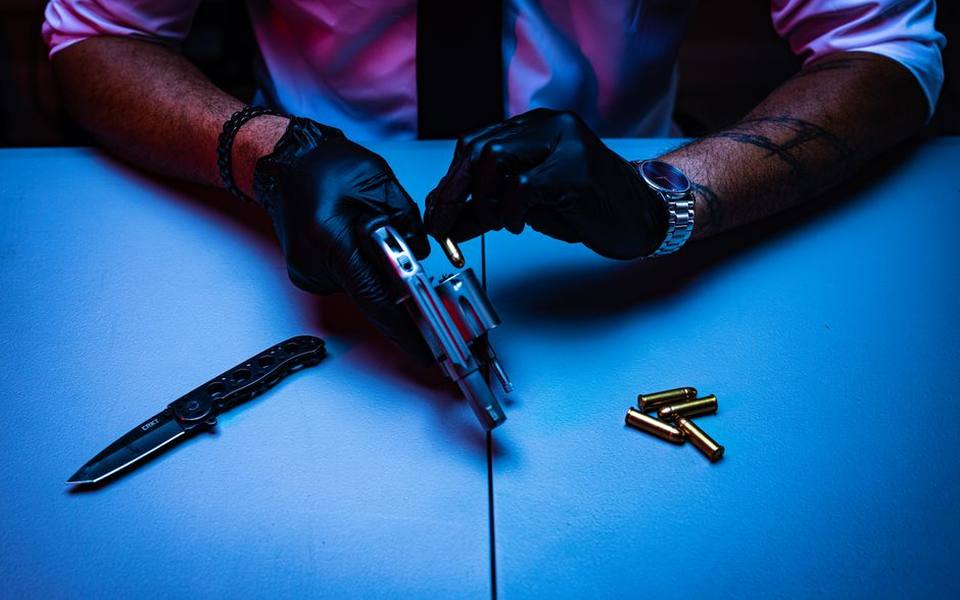
Comfort and stability demand thoughtful design in an ankle rig. Look for wide neoprene bands paired with breathable padding, reinforced sheepskin backings, and an adjustable calf support strap that prevents the holster from slipping downward toward the top of your shoe. Weight management is paramount; steel-framed service revolvers will cause severe fatigue and chafing within hours, whereas featherweight polymer or scandium frames remain manageable throughout full working shifts.
Concealment depends almost entirely on trouser selection. Straight-leg and boot-cut denim or work trousers provide enough clearance to drape naturally over the bulk of the holster without outlining the grip when walking. Walking gait adjustments may be needed initially to prevent the rig from bumping the opposite leg, and rapid deployment requires practicing access from kneeling or seated positions rather than conventional standing presentation techniques.
Shoulder Rigs: Tailoring for Comfort, Women's Fits, and Modular Gear
Shoulder holsters transfer the entire weight of the weapon system to the upper torso and back, bypassing the belt entirely. This configuration provides distinct advantages for outdoor winter sports, motorcycle riding, or any activity requiring heavy cover jackets. Because the holster suspends the handgun horizontally or vertically beneath the arm, access while driving or sitting remains completely unobstructed by seatbelts or tight waistbands.
Standard unisex shoulder harnesses are traditionally designed around broad shoulders, which can make proper fitment challenging for women or individuals with smaller torso frames. Choosing a shoulder holster women can wear comfortably means seeking narrow harness straps, multi-point articulating back swivels, and vertical positioning that keeps the muzzle oriented safely downward while pulling the grip snug against the rib cage, avoiding awkward pressure against chest tissue.
Utility-focused shoulder systems frequently incorporate modular off-side accessories to balance the weight of the firearm across the spine. Alongside dual magazine pouches, some outdoor setups feature a shoulder holster with knife integration, anchoring a compact fixed-blade or defensive blade directly behind or below the spare ammunition carriers. This counterweight balance stabilizes the harness, preventing the gun side from sagging and shifting out of alignment during vigorous physical activity.
Tactical Thigh Platforms and Drop Leg Setups
Drop leg holsters originated in military and tactical law enforcement units where body armor, plate carriers, or bulky load-bearing vests blocked clean access to the standard waistline. By lowering the holster mounting point several inches down onto the upper thigh, a drop leg holster clears heavy torso equipment and allows a natural, straight-arm draw stroke during tactical movements or canine handling operations.
Modern thigh systems rely on rigid mounting plates and active mechanical retention. Duty platforms, such as classic drop leg holster systems with hood and lever locks, require the shooter to deactivate multiple retention levels using deliberate thumb pushes before the gun can be drawn. This active mechanical security prevents unauthorized weapon takeaways during close-quarters struggle and guarantees that the handgun stays securely locked in place during sprints, vehicle bailouts, or rough terrain scrambles.
While drop leg configurations excel in open tactical environments, they are completely unsuitable for concealed carry due to bulk, visibility, and leg-swing momentum. For civilians training in dynamic carbine courses or hunting in rough brush with heavy backpacks, a mid-ride or low-ride belt attachment often provides the clearance of a thigh platform without the uncomfortable strap binding caused by full leg wraps.
Hardware, Belts, and Adjusting Cant and Ride Height
Even the finest custom holster will fail to perform if it is paired with a flimsy department store dress belt. A dedicated carry belt features reinforced internal stiffeners, such as polymer or steel bands woven between dual layers of scuba webbing or leather. This structural stiffness prevents the holster from tilting outward away from the body, which is the leading cause of handgun printing beneath shirts.
Adjusting ride height and cant—the forward tilt angle of the scabbard—allows you to match the holster to your unique torso geometry. Raising the ride height provides quicker master grip acquisition on the draw, but it shifts the center of gravity higher, potentially causing the grip to tip outward. Lowering the ride depth enhances concealment at the expense of a slightly slower purchase on the frame.
Modern hardware options include concealment claws, wings, and wedge pads that manipulate leverage against the belt. A concealment wing presses against the inside of the belt line, mechanically levering the pistol grip inward toward the abdomen to virtually eliminate printing on compact handguns. Exploring refurbished or surplus gear through used gun stores can be a practical way to test various mounting hardware styles without spending retail sums.
Inspecting and Maintaining Your Holster Over Time
A concealed carry holster is safety-critical equipment that demands regular inspection alongside your firearm cleaning routine. Over months of active carry, mechanical vibration, body movement, and temperature shifts can loosen threaded retention hardware and belt clip fasteners. Applying a dab of medium-strength blue thread-locking compound to all tension screws and clip bolts prevents unexpected hardware loss while on the move.
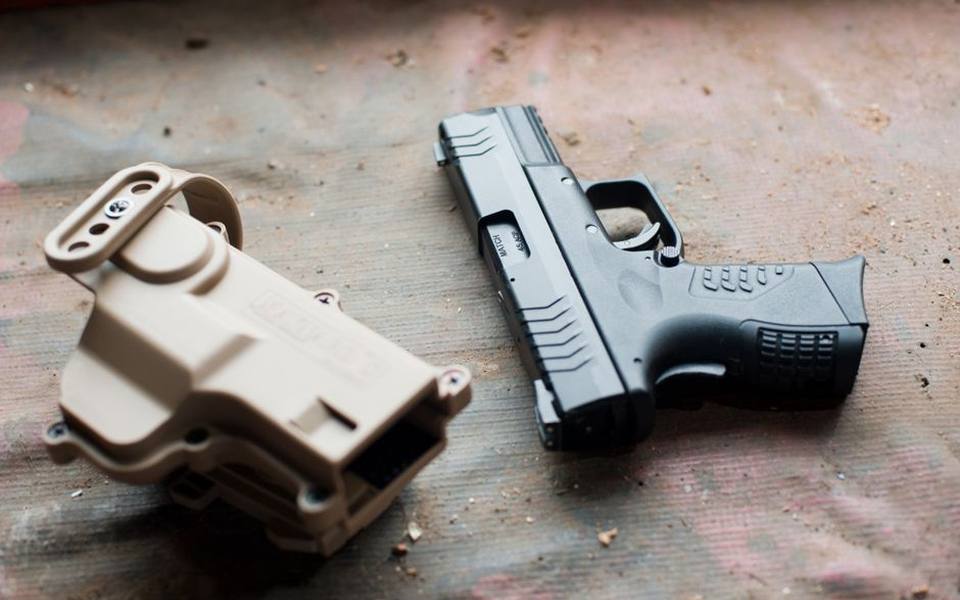
Synthetic holsters should be checked periodically for hairline stress cracks around eyelets, belt clips, and trigger guard molding. While Kydex is exceptionally durable, repeated impacts or extreme trunk heat can warp retention channels. Leather holsters must be examined to confirm the mouth remains rigid and the stitching along the seam line remains tight without fraying, ensuring no material can fold inward into the trigger guard.
If you encounter fitting problems with custom aftermarket sights, extended slide stops, or optical reflex sights, never force a firearm into an incompatible shell. Professional consultation with local gunsmiths can help relieve tight sight channels or guide you toward specialized custom molders who build duty-grade holsters engineered specifically for your exact weapon setup and accessories.
Published 2026-09-21 · reviewed with each rebuild, last September 2026.
Find gun stores near you
The directory lists 12,328 gun stores by state and city — pick your state or use the “Near me” button in the header.
More guides
-
 Buying
Night Vision, Caliber Choices, and Hearing Protection: The Practical Buyer Guide
-
 Owning
Muzzle Brakes vs Pistol Compensators: Mechanics, Tuning, and Ownership Costs
-
 Owning
Where to Get Fingerprints for Gun Permits, Hearing Gear, and Range Prep
-
 Owning
How to Remove Rust from a Gun Safely Without Damaging the Finish
-
 Buying
Choosing a Skeet Shotgun: Balance, Gauges, and Barrel Specs
-
 Safety
Stun Guns, Tasers, and Protective Range Gear: Practical Buyer's Guide
-
 Buying
Choosing Practical Firearms for Home Defense and Daily Carry
-
 Buying
FFL Transfer Fees and Process Explained: What to Expect at the Counter
-
 Service
Fingerprinting Services, IdentoGO, and FBI Background Checks: The Complete Guide
-
 Safety
Indoor and Outdoor Shooting Ranges: Etiquette, Rules, and Memberships
-
 Storage
Gun Safes and Fireproof Storage: Biometric Safes, Cabinets, and Dehumidifiers
-
 Safety
Body Armor and Ballistic Plates: Threat Levels, Plate Materials, and Carrier Sizing
-
 Safety
Shooting Hearing Protection: Electronic Earmuffs, Custom Earplugs, and Noise Reduction
-
 Owning
Shooting Targets, Clay Throwers, and Range Rests Guide
-
 Owning
Rifle and Shotgun Slings: Single-Point, Two-Point, and Mounting Hardware
-
 Owning
Everyday Carry and Tactical Accessories: Range Bags, Gun Locks, and Practical Gear
-
 Owning
Gun Cleaning Kits and Maintenance: Cleaners, Oils, and Solvents
-
Safety
Everyday and Noise Reduction Earplugs: A Practical Comparison Guide
-
 Safety
Firearm Safety Rules, Concealed Carry Courses, and Tactical Shooter Training
-
 Service
Rifle Customization, Caliber Selection, and Bench Work: A Guide to Practical Gunsmithing and Reloading
-
 Safety
Shooting and Hearing Protection: Guide to Earmuffs, Plugs, and Electronic Defenders
-
 Buying
Choosing Spotting Scopes, Binoculars, and Specialized Night Optics
-
 Safety
Active Shooter Response, Tactical Handgun Courses, and Firearm Safety Training Guide
-
 Buying
Night Vision Optics and Spotting Scopes Buyer's Guide
-
 Buying
Firearm Valuation, Appraisal, and Used Buying Guide
-
Safety
Layering Personal Defense: Less-Lethal Tools, Purpose-Built Firearms, and Medical Gear
-
 Buying
Hunting Ammunition, Calibers & Reloading Supplies Guide
-
 Owning
Concealed Carry Reciprocity, Licensing Basics, and Buying Regulations Explained
-
 Service
Custom Gunsmithing, Barrel Modifications, and AR-15 Upgrades Guide
-
 Owning
Target Shooting & Clay Sports Guide: Air Rifles, Ranges & Eye Protection
-
Storage
Essential Firearm Storage, Cases, Recoil Pads, and Rig Systems
-
 Safety
The Ultimate Guide to Shooting Hearing Protection and Electronic Earmuffs
-
 Owning
Dry Fire Training Systems, Timers, and At-Home Practice Routines
-
 Owning
State Firearm Rules, Training Courses, and Range Guidelines
-
Owning
Essential Tactical Gear, EDC Equipment, Shooting Gloves, and Range Bags
-
 Owning
Everyday Carry Holsters and Wearable Gear: A Practical Selection Guide
-
 Owning
Firearm Upgrades and Tuning: Gas Blocks, Sights, and Mounts
-
 Owning
CCW Permits, Licensing Laws, and Background Check Fingerprinting Guide
-
 Storage
Firearm Safes and Secure Storage: Humidity Control, Security Standards, and Storage Solutions