Why a Quality Sling Belongs on Every Long Gun
A sling is to a long gun what a holster is to a handgun: it provides essential retention, comfortable transport, and immediate control when your hands need to be free. Carrying a rifle or shotgun across open terrain, climbing into a deer blind, or simply working around a shooting bench without a strap is cumbersome and fatiguing. Beyond transport, an effective strap secures the weapon against drops, allows for safe weapon transitions, and can even act as a rigid shooting support to improve accuracy in practical field positions.
Rifle owners often treat straps as an afterthought, picking whatever piece of woven nylon happens to hang on a store rack. However, the demands placed on a sling vary drastically depending on the platform. A heavy precision rifle requires different support and attachment geometry than a compact defensive carbine or an upland bird gun. Modern straps are engineered systems with quick-adjust sliders, reinforced friction webbing, and specialized connection swivels designed to withstand sudden dynamic loads.
Choosing the right setup begins with understanding your primary use case. Upland hunters typically prioritize all-day shoulder comfort and quiet materials that will not squeak in dense brush. Competitive shooters and home defense owners focus on rapid weapon manipulation, snag-free movement, and instant length adjustment. Evaluating your firearm's weight, balance point, and intended environment ensures you select hardware that enhances your shooting experience rather than getting in the way.
Two-Point Slings for Modern Carbines and Field Rifles
The two-point sling connects at two distinct positions along the firearm, usually near the buttstock and toward the front of the handguard or forend. This geometry provides stable weight distribution across your torso or over your shoulder. For general field use, hunting, and patrol carry, two-point designs remain the gold standard because they keep the muzzle pointed in a safe, predictable direction while keeping the receiver flat against the user's body.
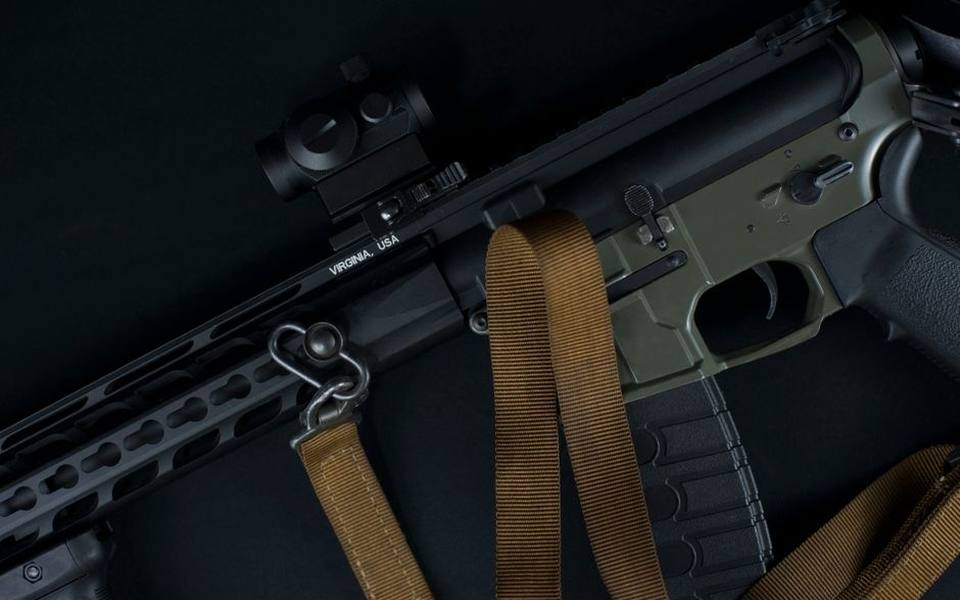
On modern platforms like the AR-15, the modern two-point sling has largely replaced older military strap designs. These modern straps feature an integrated quick-adjustment slider tab that allows the shooter to instantly cinch the rifle tight against their chest or release tension with a single pull. Cinched down, the rifle stays firmly anchored while you navigate rough terrain, scramble over obstacles, or render aid. Loosened, the strap provides enough slack to transition the weapon to the opposite shoulder without unbuckling hardware.
Mounting a two-point system requires careful thought regarding attachment points. Placing the rear mount on the receiver endplate or the buttstock's rear side changes how the rifle hangs against your hip. Meanwhile, anchoring the front swivel closer to the receiver yields faster transitions, whereas anchoring it near the end of the handguard provides maximum muzzle control and superior leverage when using the strap as a tensioned shooting brace.
Single-Point Configurations and Tactical Trade-Offs
A single-point sling connects to the firearm at a solitary point, almost universally situated at the rear of the receiver or near the base of the buffer tube. This design gained widespread popularity in specialized tactical units operating in and out of tight vehicle compartments. Because the weapon hangs from a central pivot point, the shooter can manipulate the firearm freely, switch firing shoulders effortlessly around cover, and maintain minimal bulk around the rifle's forend.
Despite these mobility advantages, single-point systems carry severe physical trade-offs that make them frustrating for long-distance carrying or hunting. When you drop your hands from the rifle, the weapon swings freely like a pendulum. Without hands actively guiding the receiver, the muzzle tends to strike your knees or shins as you walk, and leaning forward causes the rifle to dangle uncomfortably in the dirt.
Single-point setups also find occasional use on defensive shotguns, but their utility on heavy 12-gauge platforms is limited. The substantial weight of a shotgun combined with a long barrel makes pendulum movement even more pronounced. If you do opt for a single-point setup on a home defense shotgun, choose a wide, heavily padded strap equipped with an emergency quick-release buckle so you can jettison the weapon instantly if snagged.
Traditional Leather Slings for Classic Rifles and Shotguns
Traditional leather slings have served hunters and marksmen for over a century, offering timeless aesthetics, exceptional strength, and silent operation. Unlike synthetic nylon webbing, high-grade steerhide does not slide around slick hunting jackets as easily, and it produces no synthetic rustling sounds against twigs and dry brush. On vintage bolt actions, lever-action rifles, and classic side-by-side shotguns, leather provides a natural complement to walnut stocks.
The military M1907 pattern is perhaps the most famous leather rifle strap ever built, engineered as both a carrying aid and a precision shooting brace. Utilizing two leather sections connected by steel dual-claw hooks, the M1907 allows a shooter to lock their support arm into a rigid loop, pulling the stock firmly into the shoulder pocket to steady sight alignment. While heavier than nylon, a well-conditioned leather strap develops flexibility over years of field use and can outlast the rifle itself.
Caring for leather gear demands basic maintenance to prevent stiffening, cracking, or mildew in humid field conditions. Treating the leather with natural oils or beeswax-based balms preserves the fibers without softening the leather to the point of stretching. When mounting a leather strap to an antique or fine sporting gun, owners often rely on gunsmithing services to drill and tap sling swivel studs into fine grain wood without splintering the finish.
Dedicated Sling Setups for Field and Defensive Shotguns
Shotguns present unique mounting challenges compared to standard rifles due to their magazine tubes, sliding pump forends, and varied stock designs. On sporting and waterfowl shotguns, carry straps prioritize carrying comfort over rapid tactical deployment. A wide, non-slip neoprene or rubberized pad helps distribute the heavy weight of a 12-gauge shotgun across your shoulder during long hikes through marshland, while textured grips prevent the strap from sliding off wet hunting coats.
Tactical and defensive shotguns require a much sleeker approach. Loose straps or thick pads can easily become tangled in a pump shotgun's moving action or obscure your field of view during fast reloading. Many defensive shooters choose unpadded one-inch or 1.25-inch webbing secured tightly along the side of the receiver, often utilizing specialized forward magazine cap mounts or barrel clamp swivel plates that keep the webbing clear of the cycling slide.
A common pitfall among new shotgun owners is buying carry straps with elastic loops designed to hold spare ammunition shells. While carrying extra shells on the firearm seems convenient, attaching five to ten heavy 12-gauge rounds directly to a flexible strap creates excessive swinging weight. This dead weight throws off your swing on moving targets and makes the shotgun clumsy to shoulder quickly from a low-ready position.
Quick-Detach Swivels and Heavy-Duty Hardware
Quick-detach (QD) swivels have become the benchmark hardware standard for tactical rifles and modern hunting setups. These swivels utilize a center push-button mechanism that retracts four small steel ball bearings inside a cylindrical plug. When inserted into a matching steel socket, releasing the button locks the bearings into an internal groove, creating a rock-solid mechanical anchor that can instantly detach with a single press of your thumb.
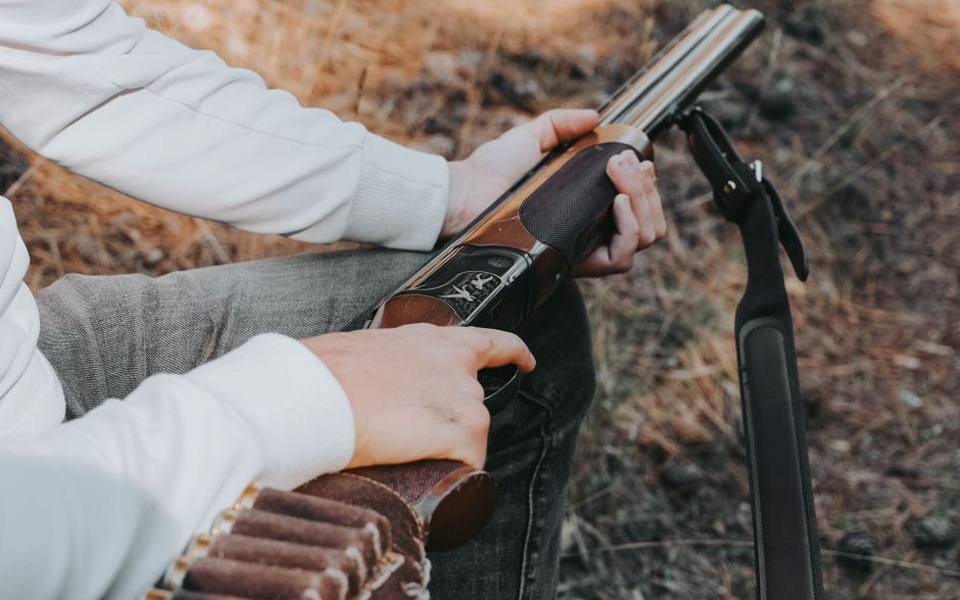
Not all QD sockets perform identically. Quality mounting sockets feature internal anti-rotation tabs that restrict the swivel to ninety or one-hundred-and-eighty degrees of travel. This rotation limit prevents your strap from twisting into tight knots while slung across your body. Sockets that permit full 360-degree rotation frequently lead to tangled straps that require clearing before you can shoulder the rifle cleanly.
Hardware material matters just as much as design. High-stress swivels should always be machined from heat-treated steel with a corrosion-resistant manganese phosphate or melonite finish. Inexpensive cast-alloy swivels found on budget straps can shear under the dynamic force generated when a slung rifle catches on an obstacle or during rapid defensive movement. Reputable manufacturers produce swivels built to military specifications that withstand hundreds of pounds of tensile force.
Handguard Mounting with M-LOK and Rail Systems
Modern free-float handguards typically utilize the M-LOK standard, allowing shooters to attach QD sockets and sling loops directly to negative-space slots at various angles. An M-LOK QD sling mount installs in minutes using T-nuts and Torx or hex screws, sitting nearly flush against the rail to reduce snag hazards. Placing the socket at the eleven o'clock or one o'clock position keeps the sling high on the rifle, minimizing interference with weapon-mounted lights and support-hand grips.
Deciding where to mount the front hardware along your handguard depends on your shooting style. Mounting the front swivel far forward near the muzzle offers the best leverage for muzzle retention and stabilizes the rifle well when slung across the back. However, mounting the socket slightly farther back, near the middle of the handguard, keeps the strap clear of your support hand and reduces the risk of wrapping the sling around a hot barrel during prolonged shooting strings.
When installing an M-LOK sling mount, proper torque and thread locker are mandatory. The recurring dynamic jerks from carrying a rifle will inevitably shake unfastened screws loose. Applying a drop of medium-strength blue thread locker to the screws and torquing them to the manufacturer's recommended inch-pound specification prevents the mount from working free during range sessions or field excursions.
Traditional Swivel Studs, Barrel Bands, and Retrofit Options
Before modern rail systems became standard, sporting rifles and shotguns relied almost exclusively on Uncle Mike's style sling swivel studs. These small, threaded metal eyelets thread into wood or composite stocks, accepting spring-loaded clasp swivels that lock over a cross-pin. Millions of bolt-action hunting rifles continue to use these studs because they are lightweight, unobtrusive, and double as direct mounting points for hunting bipods.
Tube-fed lever-action rifles and vintage shotguns often lack forward wood stocks thick enough to accept a threaded stud. On these firearms, front mounting typically requires a barrel band or an aftermarket magazine cap with an integrated swivel stud. Barrel bands clamp directly around the barrel or the tubular magazine, providing a secure anchor point without permanently altering vintage wood components.
If you want to use modern push-button swivels on a traditional hunting rifle, retrofit adapters are widely available. These small steel adapters screw directly over existing sling swivel studs, providing a QD socket while preserving the rifle's factory stock. This allows hunters to swap modern quick-adjust nylon straps between tactical carbines and classic bolt rifles without drilling new holes into original factory stocks.
Evaluating Quality When Shopping for Gun Slings
When browsing gun slings for sale, it is critical to look beyond marketing claims and inspect the physical construction of the gear. Begin by inspecting the webbing material: heavy-duty nylon or Cordura weave should feel dense, with sealed edges that resist fraying under friction. Check the stitching at high-load stress points near buckles and swivels. Reliable manufacturers employ reinforced box-X stitching patterns with heavy nylon thread rather than simple single-line stitches.
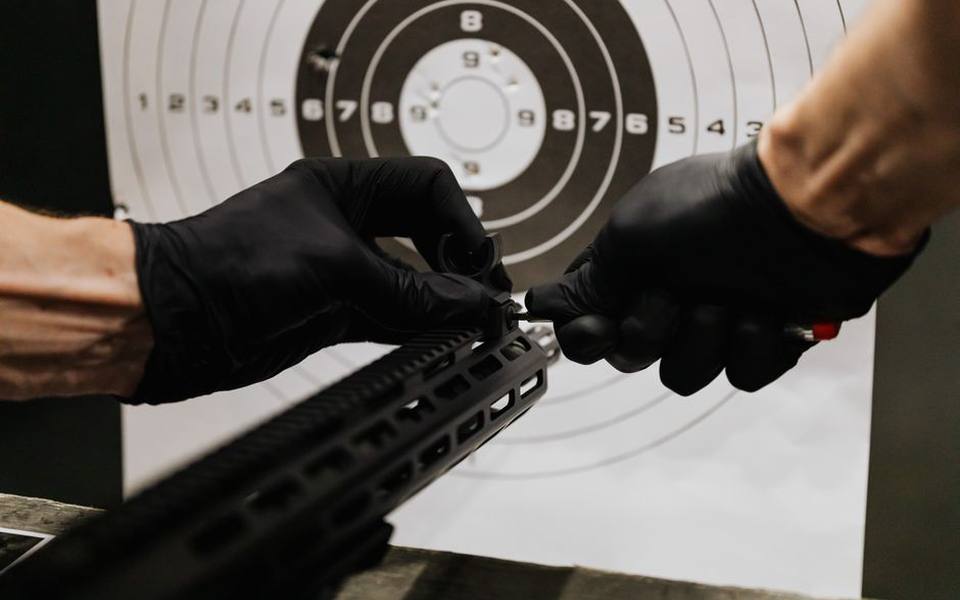
Examine the adjustment hardware and tri-glides carefully. Premium tactical straps feature steel, aluminum, or high-impact acetal polymer buckles designed to withstand extreme cold and impacts without cracking. The slider mechanism should pull smoothly with one hand to adjust tension, yet bite down firmly on the webbing when pulled under body weight to prevent unintentional slipping.
You can inspect dozens of strap configurations and mounting adapters in person by browsing accessories at local retailers, whether visiting established gun stores in Texas or shops in your home state. Brick-and-mortar stores often stock specialized hardware adapters that solve tricky mounting issues on older sporting models or rifles found among used guns, allowing you to test fit components on your firearm before making a purchase.
Proper Adjustment and Using Your Sling as a Shooting Support
A sling should be properly adjusted to your body before you ever head to the range or field. Start by putting on the clothing layers you normally wear while shooting, such as a thick hunting parka or chest rig. With the adjustment slider centered in its neutral travel range, set the overall strap length using the rear triglides so the rifle hangs comfortably across your chest at a high-ready position, allowing your firing hand to reach the grip effortlessly.
Beyond carrying, a two-point strap can serve as an active marksmanship stabilization aid. The 'hasty sling' technique involves passing your support arm through the strap from the inside out and wrapping the webbing around your forearm. Pushing forward into the handguard locks the sling in tight tension against your tricep, dramatically dampening natural body tremors when shooting from standing, kneeling, or sitting positions.
For maximum precision from the prone position, competitive shooters use dedicated loop slings that cinch around the bicep. This creates a mechanical triangle between your upper arm, forearm, and the rifle, completely replacing muscle effort with bone support and nylon tension. Practicing these traditional shooting techniques transforms your strap from a basic carry handle into an indispensable field shooting accessory.
Published 2026-09-21 · reviewed with each rebuild, last September 2026.
Find gun stores near you
The directory lists 12,328 gun stores by state and city — pick your state or use the “Near me” button in the header.
More guides
-
 Buying
Night Vision, Caliber Choices, and Hearing Protection: The Practical Buyer Guide
-
 Owning
Muzzle Brakes vs Pistol Compensators: Mechanics, Tuning, and Ownership Costs
-
 Owning
Where to Get Fingerprints for Gun Permits, Hearing Gear, and Range Prep
-
 Owning
How to Remove Rust from a Gun Safely Without Damaging the Finish
-
 Buying
Choosing a Skeet Shotgun: Balance, Gauges, and Barrel Specs
-
 Safety
Stun Guns, Tasers, and Protective Range Gear: Practical Buyer's Guide
-
 Buying
Choosing Practical Firearms for Home Defense and Daily Carry
-
 Buying
FFL Transfer Fees and Process Explained: What to Expect at the Counter
-
 Service
Fingerprinting Services, IdentoGO, and FBI Background Checks: The Complete Guide
-
 Safety
Indoor and Outdoor Shooting Ranges: Etiquette, Rules, and Memberships
-
 Storage
Gun Safes and Fireproof Storage: Biometric Safes, Cabinets, and Dehumidifiers
-
 Safety
Body Armor and Ballistic Plates: Threat Levels, Plate Materials, and Carrier Sizing
-
 Safety
Shooting Hearing Protection: Electronic Earmuffs, Custom Earplugs, and Noise Reduction
-
 Owning
Shooting Targets, Clay Throwers, and Range Rests Guide
-
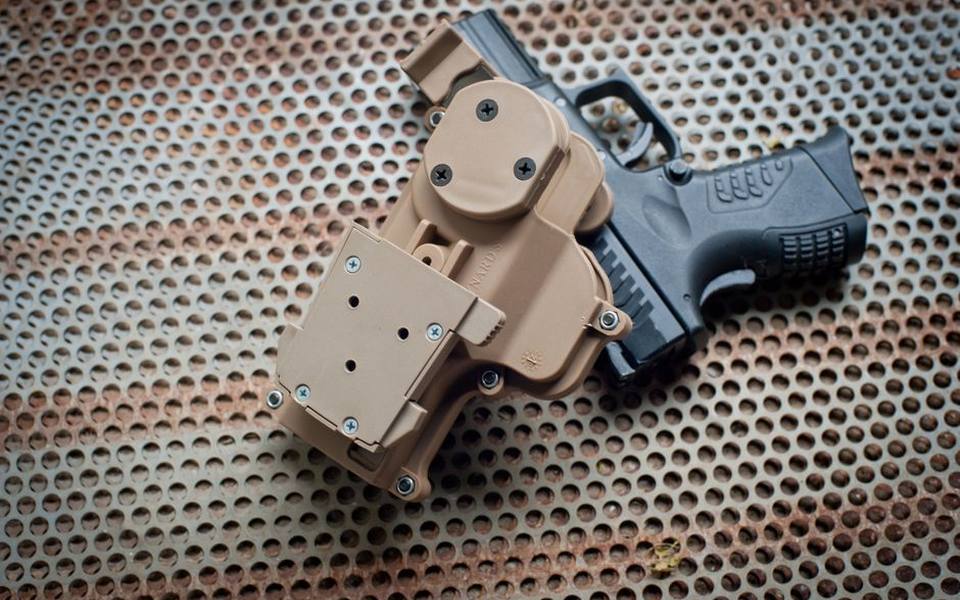 Owning
Concealed Carry Holsters: Kydex, Leather, IWB, OWB, and Specialized Rigs
-
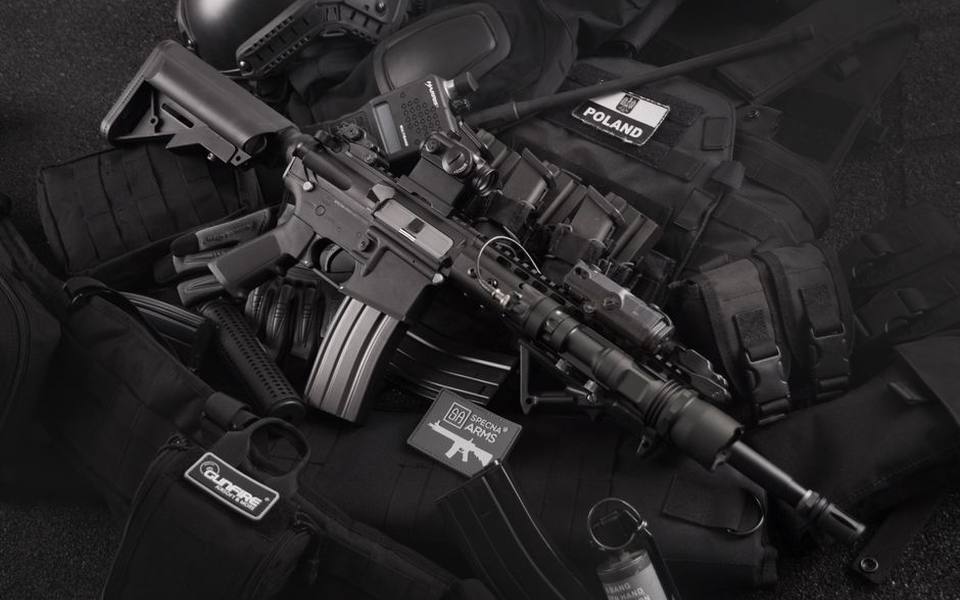 Owning
Everyday Carry and Tactical Accessories: Range Bags, Gun Locks, and Practical Gear
-
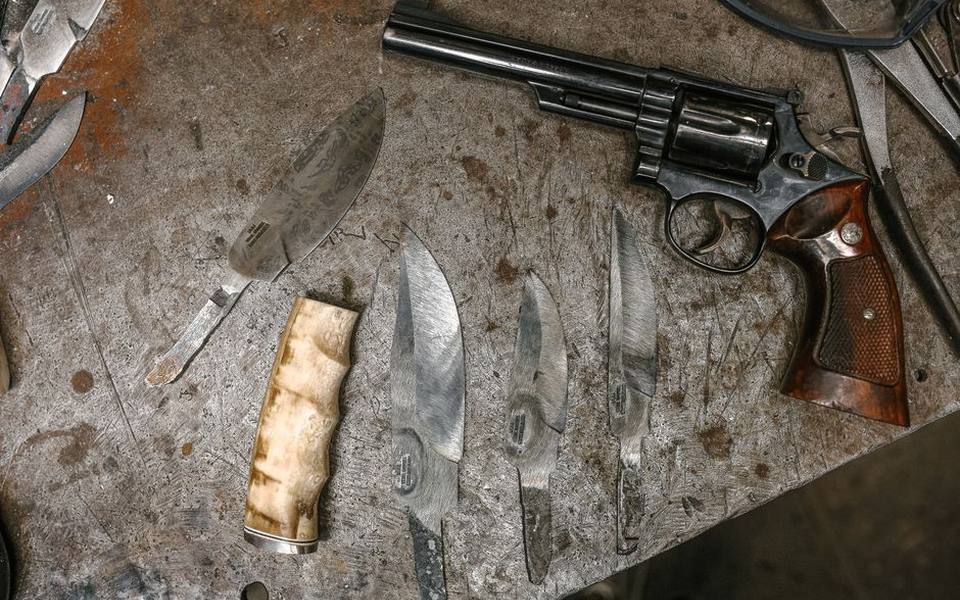 Owning
Gun Cleaning Kits and Maintenance: Cleaners, Oils, and Solvents
-
Safety
Everyday and Noise Reduction Earplugs: A Practical Comparison Guide
-
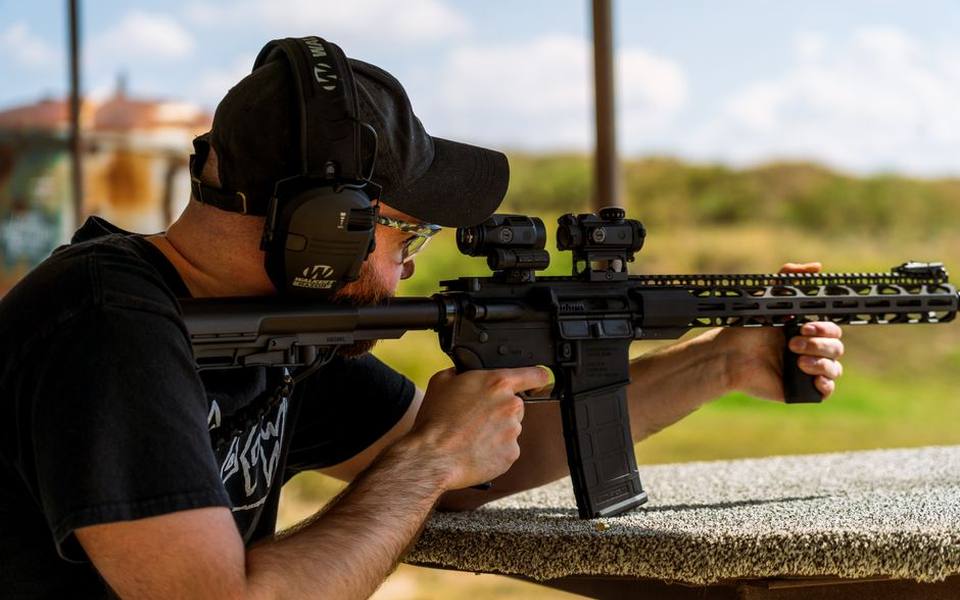 Safety
Firearm Safety Rules, Concealed Carry Courses, and Tactical Shooter Training
-
 Service
Rifle Customization, Caliber Selection, and Bench Work: A Guide to Practical Gunsmithing and Reloading
-
 Safety
Shooting and Hearing Protection: Guide to Earmuffs, Plugs, and Electronic Defenders
-
 Buying
Choosing Spotting Scopes, Binoculars, and Specialized Night Optics
-
 Safety
Active Shooter Response, Tactical Handgun Courses, and Firearm Safety Training Guide
-
 Buying
Night Vision Optics and Spotting Scopes Buyer's Guide
-
 Buying
Firearm Valuation, Appraisal, and Used Buying Guide
-
Safety
Layering Personal Defense: Less-Lethal Tools, Purpose-Built Firearms, and Medical Gear
-
 Buying
Hunting Ammunition, Calibers & Reloading Supplies Guide
-
 Owning
Concealed Carry Reciprocity, Licensing Basics, and Buying Regulations Explained
-
 Service
Custom Gunsmithing, Barrel Modifications, and AR-15 Upgrades Guide
-
 Owning
Target Shooting & Clay Sports Guide: Air Rifles, Ranges & Eye Protection
-
Storage
Essential Firearm Storage, Cases, Recoil Pads, and Rig Systems
-
 Safety
The Ultimate Guide to Shooting Hearing Protection and Electronic Earmuffs
-
 Owning
Dry Fire Training Systems, Timers, and At-Home Practice Routines
-
 Owning
State Firearm Rules, Training Courses, and Range Guidelines
-
Owning
Essential Tactical Gear, EDC Equipment, Shooting Gloves, and Range Bags
-
 Owning
Everyday Carry Holsters and Wearable Gear: A Practical Selection Guide
-
 Owning
Firearm Upgrades and Tuning: Gas Blocks, Sights, and Mounts
-
 Owning
CCW Permits, Licensing Laws, and Background Check Fingerprinting Guide
-
 Storage
Firearm Safes and Secure Storage: Humidity Control, Security Standards, and Storage Solutions