Why Decibel Ratings Matter at the Shooting Range
A single gunshot typically generates sound levels between 140 and 165 decibels, which exceeds the threshold for immediate, permanent hearing damage. Because sound pressure operates on a logarithmic scale, an increase of just three decibels represents a doubling of acoustic energy. Everyday ambient conversation sits around 60 decibels, while heavy city traffic peaks near 85. Without reliable protection for the ears, the delicate hair cells inside your inner ear suffer acoustic trauma that the body cannot naturally repair.
Noise Reduction Rating, commonly abbreviated as NRR, serves as the standard metric across North American safety equipment. A higher number indicates greater laboratory noise reduction, though real-world performance depends heavily on physical fit and continuous seal. For instance, an over-ear headset rated at NRR 26 will rarely reduce perceived noise by exactly 26 decibels when worn over thick eyewear arms or long hair. Estimating actual attenuation usually involves subtracting seven from the NRR and dividing the remainder by two.
Choosing the right hearing safety gear requires assessing where and what you shoot. An open outdoor firing line allows sound waves to disperse rapidly into the surrounding air, creating less cumulative pressure than an indoor bay with concrete walls and low acoustic baffles. Shooters frequenting indoor stalls or spending hours testing handloaded rounds sourced through reloading supplies retailers encounter intense sound reflections that demand higher attenuation ratings than casual clay shooting in an open field.
How Electronic Earmuffs Differ from Passive Models
Passive earmuffs rely purely on physical mass, dense acoustic foam, and clamping pressure to form a barrier against incoming sound waves. They offer consistent attenuation across all frequencies without requiring batteries, wiring, or delicate switches. For decades, simple passive muffs served as the default standard for range safety, and they remain exceptionally reliable because they possess no electronic components that can fail when exposed to moisture, dead batteries, or freezing winter weather.
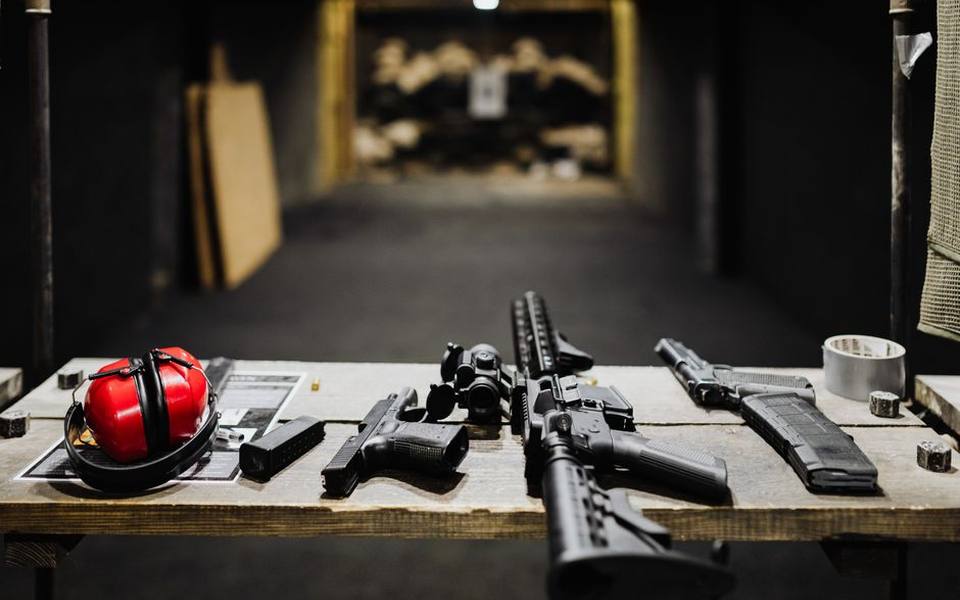
An electronic earmuff introduces internal microphones, an amplifier circuit, and speakers mounted inside each ear cup. These microphones gather ambient sounds like normal speech, range commands, and footsteps, then reproduce them inside the muff at comfortable volumes. When the external microphones detect an impulse noise exceeding safe thresholds, the electronic circuitry instantaneously cuts off or compresses the transmission, leaving the physical shell of the muff to block the peak blast wave before it reaches your ear canal.
Modern electronic earmuffs for shooting feature directional microphones that allow the wearer to pinpoint where voices or noises originate downrange. This capability significantly improves situational awareness compared to passive models that muffle all sound uniformly. Many popular options come in a streamlined profile with a low-glare matte black earmuff housing, designed to avoid reflecting overhead range lighting or catching on the comb of a rifle during rapid shoulder transitions.
Active Noise Canceling Versus Sound Compression
A common misunderstanding among newer shooters involves confusing active noise canceling, often found in consumer travel headphones, with sound-activated compression built into range gear. Travel headphones create an inverted sound wave to cancel steady, low-frequency hums like jet engines or train rumble. That process relies on a continuous predictive algorithm that is simply too slow to eliminate the sharp, instantaneous pressure spike of a gunshot, which peaks in less than one millisecond.
Dedicated sound cancelling earmuffs designed for firearms do not attempt phase cancellation against gunshots. Instead, they use high-speed analog clipping or digital signal processing that instantly mutes or limits audio output when sound levels exceed 82 to 85 decibels. The physical cup provides the actual barrier against the blast, while the circuit simply stops feeding amplified sound into your ear. Understanding this technical difference ensures you never take consumer music headphones to a firing line expecting firearm-grade protection.
Digital compression represents an evolution over older analog clipping circuits. Where analog systems abruptly shut off all audio for a fraction of a second—creating a noticeable fluttering or stuttering effect during rapid fire—digital processors compress the loud impulse while keeping low-volume speech audible underneath. This continuous hearing capability allows instructors and squad members to communicate seamlessly even during active strings of fire on busy commercial ranges.
In-Ear Electronic Shooting Buds and Micro-Headsets
In-ear electronic ear buds have transformed shooting protection by shrinking digital compression circuits down to miniature canal units. Rather than using an over-head headband and bulky foam cushions, these devices fit directly into the ear canal using medical-grade silicone or expandable memory foam tips. They deliver the same ambient amplification and impulse compression found in full-sized walker headsets, but with a fraction of the weight and zero interference along the cheek.
Rifle shooters and shotgunners often prefer electronic hearing buds because traditional over-ear cups can collide with the comb of a wooden or synthetic stock. When an over-ear cup hits a rifle comb, the seal momentarily breaks, leaking unattenuated blast energy straight into the ear canal. In-ear electronic options eliminate stock strike entirely, ensuring that your shooting cheek weld feels identical whether you are practicing dry fire at home or shooting live rounds at a competitive match.
Despite their convenience, miniature electronic buds require mindful battery and fit management. Some units use tiny zinc-air hearing aid cells that must be swapped regularly, while modern rechargeable editions use compact carrying cases that hold several charging cycles. Ensuring a tight canal seal requires experimenting with various foam tip sizes; an improperly seated earbud provides substantially less attenuation than laboratory ratings promise.
Custom Molded Earplugs and Shapeable Fit Systems
For shooters who find standard foam or flanged plugs uncomfortable, custom molded earplugs offer an anatomical fit matched exactly to the unique contours of the ear canal and concha bowl. Because ear canals vary widely in diameter, bend, and depth, generic plugs can exert uneven pressure that causes soreness after an hour on the range. A proper custom earplug distributes contact pressure evenly, resulting in all-day comfort without slipping out of position.
There are two primary methods to obtain custom earplugs. The professional route involves visiting an audiologist or mobile hearing specialist who injects medical silicone compound into your ear to form a hardened impression, which is later cast into high-density silicone or vinyl plugs. The alternative is a DIY thermo-moldable system, where you soften thermoplastic material in boiling water, press it into your ear, and allow it to solidify around an acoustic filter or sound channel in minutes.
Thermo-moldable custom plugs, such as modular do-it-yourself kits, provide the distinct benefit of re-moldability. If you experience an air leak or an uncomfortable pressure point after testing them on the line, you can simply drop the plastic back into hot water and reshape the material until the acoustic barrier is airtight. These systems often accept interchangeable passive acoustic filters or lanyard cords to keep the plugs secure around your neck between stages.
The Double-Up Method for Indoor Ranges
Indoor firing ranges present harsh acoustic environments where concrete partitions, metal ceiling baffles, and narrow firing lanes trap sound waves and bounce them back toward shooters. Even the highest-rated passive or electronic muff, which rarely exceeds an NRR of 30 to 33, can leave you exposed to cumulative fatigue when large-caliber revolvers or short-barreled rifles discharge in neighboring lanes. In these environments, veteran range safety officers universally recommend doubling up your hearing protection.
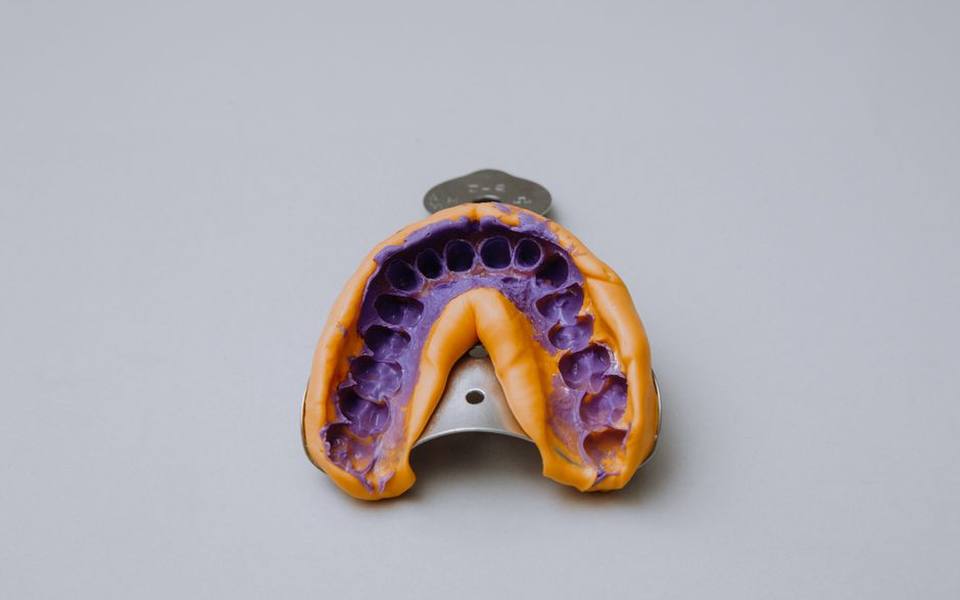
The double-up technique pairs deep-seated custom molded earplugs or expandable foam plugs directly inside the ear canal with an over-ear muff worn on top. Layering your protection does not simply add the two NRR values together; acoustic physics limits the combined gain. However, wearing a high-grade plug rated at NRR 28 beneath an electronic muff rated at NRR 22 typically yields an effective real-world protection level roughly four to six decibels higher than the single highest device alone.
Using an electronic muff over in-ear plugs provides a functional advantage beyond pure attenuation. By turning up the volume on the electronic headset, ambient voices and range commands pass clearly through the external speakers and penetrate the underlying earplugs, allowing you to hear instructional commands without removing your safety gear. Meanwhile, the violent concussive wave from nearby magnum calibers is thoroughly blunted by the physical foam layers.
Stock Fit and Cheek Weld Interference
A critical factor in selecting range gear is how your hearing protection interacts with your firearm's stock. Long-gun shooters must achieve a repeatable, firm cheek weld along the comb of the stock to align their dominant eye with iron sights or optical crosshairs. Bulky shooting earmuff cups frequently bump against high-comb stocks, forcing shooters into an unnatural head tilt or pushing the bottom rim of the ear cushion away from the skull.
When evaluating over-ear headsets for carbines or trap shotguns, examine the lower third of each cup. Low-profile shooting headsets feature a tapered cutaway along the bottom edge, creating clearance where the stock comb rests against the cheek. Many competitive marksmen who browse sporting rifles at local retail counters or used gun stores bring their preferred range muff along to verify that their cheek placement remains natural without dislodging the ear seal.
If you regularly shoot precision bolt-action rifles with adjustable cheek risers, traditional over-ear designs may prove frustrating regardless of cutaway contours. In these scenarios, switching to in-ear electronic buds or dedicated custom plugs eliminates physical contact points completely. You retain complete freedom of head movement, full peripheral sightlines, and an uncompromised seal that never shifts under the physical recoil of heavy magnum cartridges.
Maintenance, Hygiene, and Gel Cup Upgrades
Hearing protection requires routine inspection and cleaning to maintain both acoustic integrity and personal hygiene. Over hours of use, sweat, skin oils, and ambient dust accumulate on vinyl ear cushions and foam ear tips, eventually causing the material to stiffen, crack, or harbor bacteria. Rigid or cracked cushions cannot contour around the irregularities of the skull, leading to microscopic air gaps that leak hazardous noise into the ear canal.
Upgrading factory vinyl ear pads to aftermarket silicone gel cups represents one of the most effective improvements you can make to any over-ear headset. Gel cushions conform effortlessly around safety glasses frames, skull contours, and hats, maintaining an airtight acoustic seal with significantly less clamping pressure. This substantially reduces headaches during extended training courses while noticeably improving the real-world noise reduction of the headset.
Always store electronic earmuffs and buds with their power dials fully switched off and batteries removed if you plan to store them for several weeks. Corroded alkaline batteries represent the primary cause of electronic headset failure. Wipe down external housings with a damp, lint-free cloth and mild soap, avoiding chemical solvents that can degrade plastic microphone diaphragms or dissolve internal acoustic damping foam.
Matching Hearing Gear to Your Shooting Discipline
Different shooting disciplines impose distinctly different demands on your protective equipment. Clay target games like skeet and sporting clays require quick, intuitive gun mounts where a bulky cup can snag your vest or bump the comb; low-profile passive plugs or low-profile electronic buds excel in this setting. Handgun training classes, which feature heavy verbal instruction and rapid firing cadences, strongly favor electronic earmuffs that amplify conversational guidance while suppressing loud blasts.
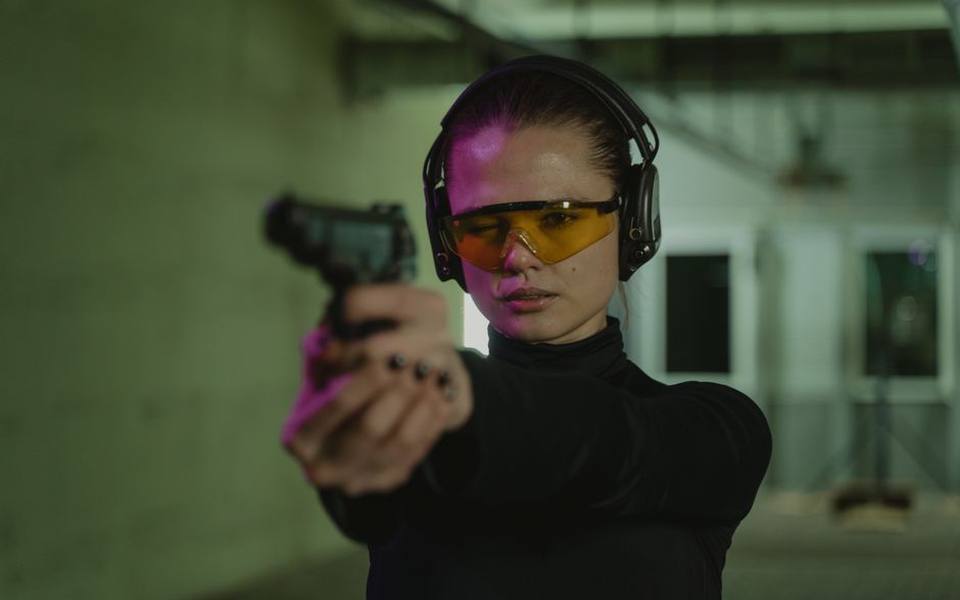
Hunters often require specialized hearing setups that prioritize amplification of subtle environmental sounds, like crunching dry leaves or distant animal calls, over maximum raw attenuation. In-ear electronic models with high-frequency sound enhancement allow hunters to detect game movement while guaranteeing instant compression if an unexpected shot is fired. For those testing heavy rifle loads at sporting clubs across gun stores in Texas, double protection remains the standard choice during bench rest sessions.
Suppressed firearms offer a unique dynamic for hearing protection. While modern sound suppressors, commonly acquired through specialized Class 3 / NFA dealers, lower the muzzle blast of centerfire rounds significantly, many calibers still hover near the 130 to 140 decibel borderline. Even when shooting suppressed weapons outdoors, wearing lightweight electronic hearing buds or slim passive muffs provides insurance against hearing fatigue during high-volume sessions.
Inspecting Hearing Gear Before Visiting the Range
Before heading to the range or finalizing background paperwork at an FFL transfer service counter, conduct a quick functional check of your hearing gear at home. Inspect the headband on over-ear muffs for lost clamping tension, check that ear cups swivel freely on their wire yokes, and examine the foam inserts inside the cups for signs of deterioration. For electronic units, insert fresh batteries and cycle the volume dial to verify both microphones operate cleanly without static.
Test your seal by putting the protection on in a room with a steady background sound, such as an exhaust fan or running faucet. Press gently inward on both cups; if you notice an immediate, dramatic drop in sound volume, your cushions are not sealing naturally against your head. This problem frequently arises when wearing safety glasses with thick, round temple arms. Swapping to flat-profile shooting glasses or applying gel cup upgrades usually resolves the leak immediately.
If you utilize custom molded earplugs, visually inspect the acoustic bore and sound filters for earwax buildup, which dampens high frequencies and interferes with directional awareness. Keep a dedicated hard-sided storage case inside your range bag to prevent earmuffs from being crushed by heavy ammo cans or custom plugs from collecting loose lead dust from range benches.
Published 2026-09-21 · reviewed with each rebuild, last September 2026.
Find gun stores near you
The directory lists 12,328 gun stores by state and city — pick your state or use the “Near me” button in the header.
More guides
-
 Buying
Night Vision, Caliber Choices, and Hearing Protection: The Practical Buyer Guide
-
 Owning
Muzzle Brakes vs Pistol Compensators: Mechanics, Tuning, and Ownership Costs
-
 Owning
Where to Get Fingerprints for Gun Permits, Hearing Gear, and Range Prep
-
 Owning
How to Remove Rust from a Gun Safely Without Damaging the Finish
-
 Buying
Choosing a Skeet Shotgun: Balance, Gauges, and Barrel Specs
-
 Safety
Stun Guns, Tasers, and Protective Range Gear: Practical Buyer's Guide
-
 Buying
Choosing Practical Firearms for Home Defense and Daily Carry
-
 Buying
FFL Transfer Fees and Process Explained: What to Expect at the Counter
-
 Service
Fingerprinting Services, IdentoGO, and FBI Background Checks: The Complete Guide
-
 Safety
Indoor and Outdoor Shooting Ranges: Etiquette, Rules, and Memberships
-
 Storage
Gun Safes and Fireproof Storage: Biometric Safes, Cabinets, and Dehumidifiers
-
 Safety
Body Armor and Ballistic Plates: Threat Levels, Plate Materials, and Carrier Sizing
-
 Owning
Shooting Targets, Clay Throwers, and Range Rests Guide
-
 Owning
Concealed Carry Holsters: Kydex, Leather, IWB, OWB, and Specialized Rigs
-
 Owning
Rifle and Shotgun Slings: Single-Point, Two-Point, and Mounting Hardware
-
 Owning
Everyday Carry and Tactical Accessories: Range Bags, Gun Locks, and Practical Gear
-
 Owning
Gun Cleaning Kits and Maintenance: Cleaners, Oils, and Solvents
-
Safety
Everyday and Noise Reduction Earplugs: A Practical Comparison Guide
-
 Safety
Firearm Safety Rules, Concealed Carry Courses, and Tactical Shooter Training
-
 Service
Rifle Customization, Caliber Selection, and Bench Work: A Guide to Practical Gunsmithing and Reloading
-
 Safety
Shooting and Hearing Protection: Guide to Earmuffs, Plugs, and Electronic Defenders
-
 Buying
Choosing Spotting Scopes, Binoculars, and Specialized Night Optics
-
 Safety
Active Shooter Response, Tactical Handgun Courses, and Firearm Safety Training Guide
-
 Buying
Night Vision Optics and Spotting Scopes Buyer's Guide
-
 Buying
Firearm Valuation, Appraisal, and Used Buying Guide
-
Safety
Layering Personal Defense: Less-Lethal Tools, Purpose-Built Firearms, and Medical Gear
-
 Buying
Hunting Ammunition, Calibers & Reloading Supplies Guide
-
 Owning
Concealed Carry Reciprocity, Licensing Basics, and Buying Regulations Explained
-
 Service
Custom Gunsmithing, Barrel Modifications, and AR-15 Upgrades Guide
-
 Owning
Target Shooting & Clay Sports Guide: Air Rifles, Ranges & Eye Protection
-
Storage
Essential Firearm Storage, Cases, Recoil Pads, and Rig Systems
-
 Safety
The Ultimate Guide to Shooting Hearing Protection and Electronic Earmuffs
-
 Owning
Dry Fire Training Systems, Timers, and At-Home Practice Routines
-
 Owning
State Firearm Rules, Training Courses, and Range Guidelines
-
Owning
Essential Tactical Gear, EDC Equipment, Shooting Gloves, and Range Bags
-
 Owning
Everyday Carry Holsters and Wearable Gear: A Practical Selection Guide
-
 Owning
Firearm Upgrades and Tuning: Gas Blocks, Sights, and Mounts
-
 Owning
CCW Permits, Licensing Laws, and Background Check Fingerprinting Guide
-
 Storage
Firearm Safes and Secure Storage: Humidity Control, Security Standards, and Storage Solutions