Understanding night vision technology and tube generations
Choosing optical gear for low-light observation starts with understanding the core physics behind analog image intensifier tubes. Instead of magnifying visible light with standard lenses or projecting an infrared spotlight, true intensifier systems collect ambient photons from the moon and stars, convert them into electrons via a photocathode, amplify those electrons thousands of times, and cast them onto a phosphor screen. The result is an instant, clear view of the surrounding environment without artificial daylight delays or digital latency.
Generations represent major milestones in tube chemical composition and durability rather than model years. Early first-generation tubes rely on multiple cascading stages and ambient illumination to produce a usable view, often suffering from significant edge distortion and low light sensitivity. Second-generation devices introduced microchannel plates, which radically boosted gain while cutting physical weight. For most buyers seeking reliable field capability, third-generation systems remain the standard benchmark, utilizing gallium arsenide photocathodes that dramatically improve clarity, low-light detection, and operating life under pitch-black conditions.
Phosphor color also plays a practical role in how your eyes handle prolonged observation. Classic green phosphor displays offer high contrast and have been the standard military and civilian baseline for decades, largely because human vision distinguishes shades of green effectively. Newer white phosphor displays present a grayscale image that many users find more natural to interpret over several hours, which can reduce visual fatigue during navigation or tracking. Neither color inherently makes a tube clearer; resolution and signal clarity depend on the underlying tube specifications.
What night vision devices cost across the current market
Acquiring dependable night vision represents a substantial investment that varies widely based on tube grade, housing construction, and optical glass. Entry-level digital devices or basic surplus units typically start at several hundred dollars, but they carry noticeable refresh lag, short battery life, and weak low-light performance. Quality analog monocular housings equipped with commercial second-generation or refurbished tubes typically range into the low thousands, offering dependable clarity for ranch work, predator management, or defensive training.
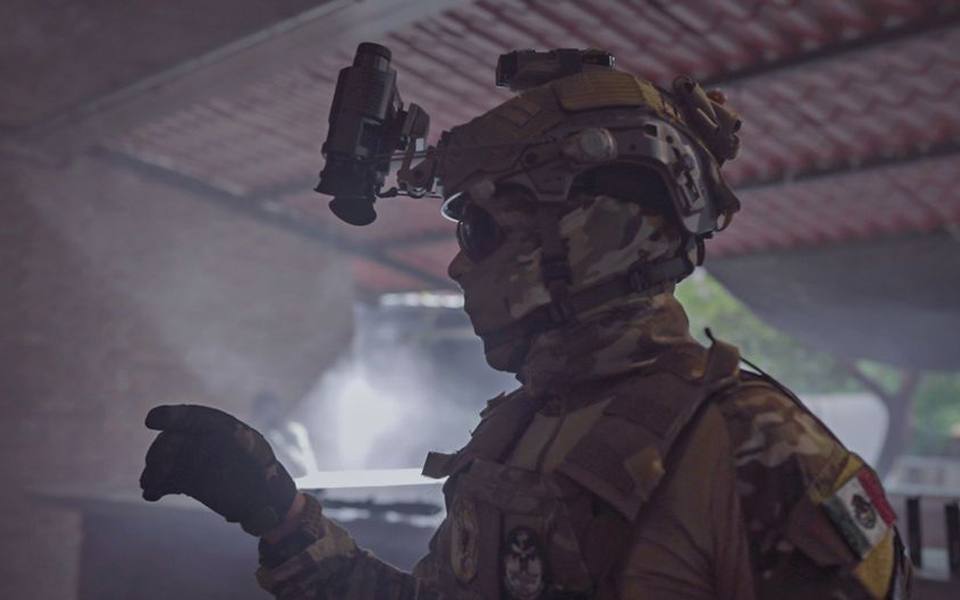
Dedicated third-generation systems command higher price points because the manufacturing process for high-grade photocathodes involves tight tolerances and rigorous laboratory grading. Premium hand-matched tubes, ruggedized aluminum or polymer binocular housings, and military-spec optical lenses easily push complete builds into the upper tier of sporting optics. Buyers also need to budget for essential support hardware like rigid shrouds, breakaway mounts, retention lanyards, and properly counterweighted headgear, which can add significant expense to the base price of the glass.
The used market offers an approachable pathway for cautious shoppers, though it requires diligent inspection. Scratches on optical lenses, burned spots on the phosphor screen caused by daylight exposure, and stripped thread mounts can ruin an otherwise functional housing. Many enthusiasts find success working through established local retailers or visiting used gun stores where optical systems can be evaluated in person under darkroom conditions before completing a purchase.
Balancing budget against capability for real-world field use
Finding the most practical optical setup for your money comes down to how you plan to navigate in darkness. A high-quality single-tube monocular worn over your non-dominant eye provides an exceptional balance between financial outlay and operational capability. It leaves one eye naturally adjusted to raw darkness for peripheral awareness while the assisted eye gathers fine environmental detail, making it an outstanding configuration for tracking game, hiking uneven trails, or working around camp.
Dedicated dual-tube binocular goggles offer true stereoscopic depth perception, making fine motor tasks, driving utility vehicles, and running over rocky terrain substantially more intuitive. However, binoculars generally cost roughly double what an equivalent monocular costs and introduce more front-heavy leverage onto your neck. For many private landowners and sporting shooters, investing in a top-tier monocular paired with a dedicated infrared weapon light delivers far better overall utility than settling for a low-grade, poorly collimated binocular system.
Before making a final purchase, consider maintenance accessibility and local repair infrastructure. Warranties vary drastically between custom boutique builders and established optical manufacturing brands. Buying an assembled unit with clear tube data sheets ensures you understand its specific signal-to-noise ratio, center resolution, and cosmetic blemish allowances rather than guessing based on vague advertising terms.
Choosing sidearm calibers for night setups: nine millimeter versus forty-five
When pairing defensive handguns or compact field platforms with night-vision systems, cartridge choice impacts both weapon handling and muzzle signature. The debate between nine millimeter and forty-five caliber often centers around magazine capacity, recoil impulse, and terminal performance. In low-light environments, nine millimeter platforms typically provide lower felt recoil, which allows shooters to keep passive optical sights or infrared aiming lasers aligned with targets during rapid strings of fire.
Suppressor integration is another critical factor when working in the dark, as unsuppressed muzzle flash can momentarily wash out intensified optics. The forty-five caliber cartridge is inherently subsonic in standard factory loadings, making it quiet and clean to suppress without specialized ammunition sourcing. In contrast, standard nine millimeter defensive rounds are generally supersonic, meaning shooters must deliberately seek out heavy-grain factory loads to eliminate the supersonic crack and maintain quiet, low-signature operation.
Capacity differences also matter when navigating remote areas with reduced visibility. A standard modern full-size frame in nine millimeter holds substantially more rounds than an equivalent frame chambered in forty-five caliber. If your setup includes an external suppressor, working with knowledgeable local retailers or certified Class 3 / NFA dealers ensures you select appropriate mounting adapters, piston systems, and gas blowback mitigations suited to your preferred platform.
Ignition differences and performance: rimfire versus centerfire
Navigating ammunition categories is fundamental whether you are zeroing optics, training under illuminators, or controlling pests around livestock. Rimfire cartridges feature priming compound crushed inside the hollow outer rim of the brass case itself, while centerfire ammunition houses an independent, replaceable primer cup centered in the base. This mechanical distinction dictates chamber pressures, case durability, reloading potential, and overall ballistic reliability in the field.
Rimfire platforms excel as cost-effective training tools for nighttime weapon manipulation, target transitions, and passive aiming exercises. The virtually non-existent recoil and low sound profile allow shooters to focus entirely on head positioning, focus rings, and illumination switches without flinching or fatiguing. However, manufacturing constraints mean rimfire cartridges experience occasional ignition failures, and their lower velocities limit effective range and stopping power against larger nuisance animals.
Centerfire ammunition offers the structural rigidity, primer consistency, and powder capacity required for serious hunting, defensive preparedness, and distance shooting. Centerfire cases can withstand significantly higher operating pressures, resulting in flatter trajectories and reliable terminal expansion across various barrier materials. For owners who shoot high round counts during practical exercises, centerfire cases also allow handloading, which can be supported by sourcing quality components through dedicated gun stores with reloading supplies.
Selecting hearing protection for shooting ranges and training bays
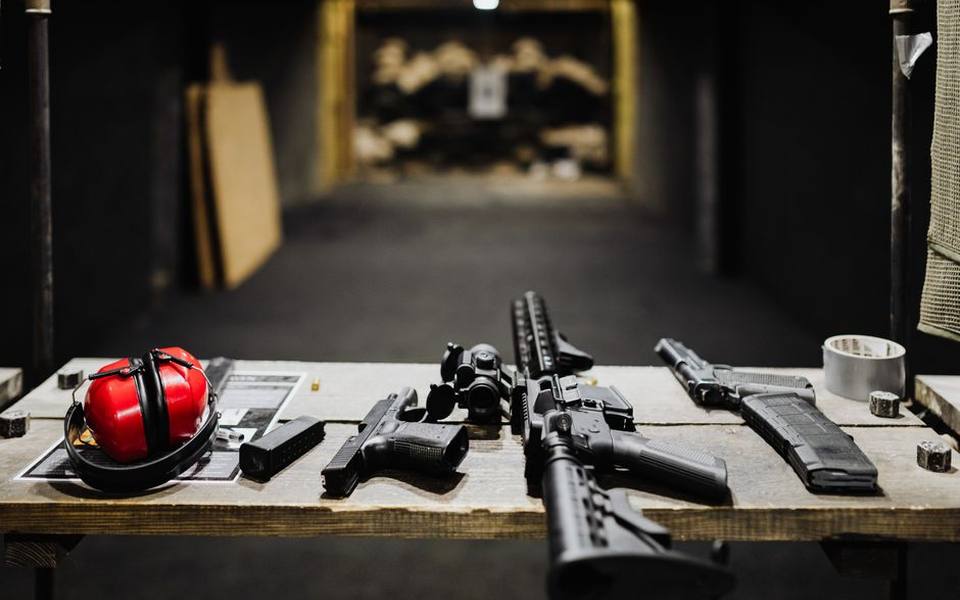
Preserving your auditory health is non-negotiable whenever firearms are discharged, especially in indoor ranges or covered outdoor firing lines where acoustic reflections amplify sound pressure levels. Gunfire creates instantaneous impulse noise that frequently exceeds safe decibel thresholds, capable of causing immediate, irreversible cochlear damage. Selecting proper hearing protection requires balancing noise reduction ratings with situational awareness and all-day physical comfort.
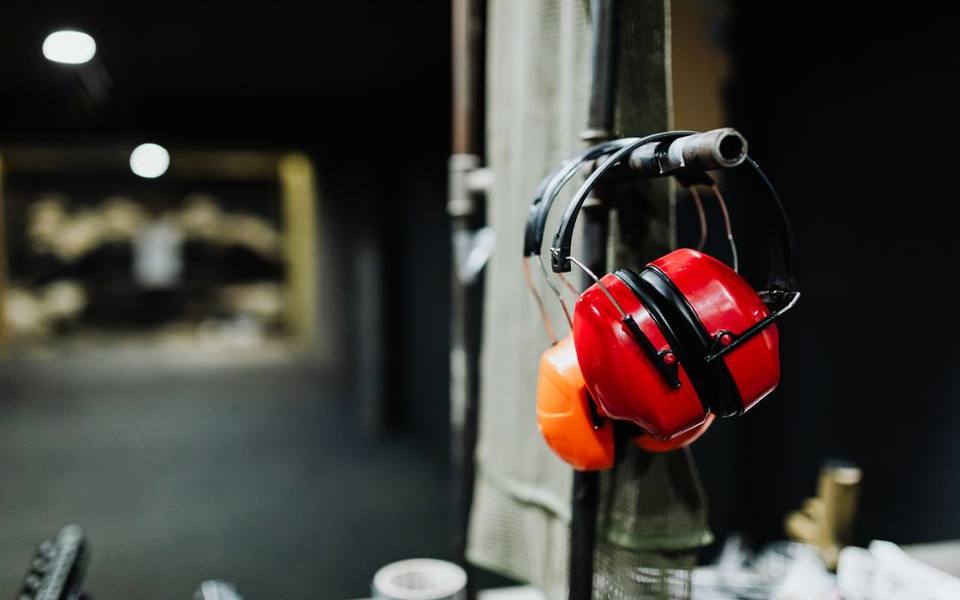
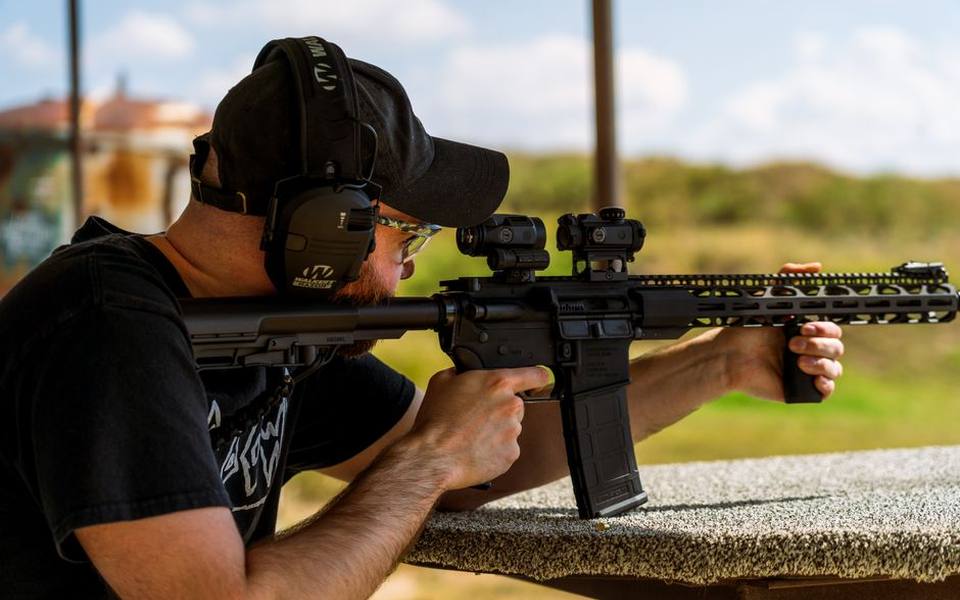
Electronic earmuffs have largely superseded passive earmuffs for dynamic training environments. These units utilize external directional microphones to capture low-level environmental sounds, voices, and range commands, amplifying them into the user's ears while instantly compressing or clipping harmful decibel spikes. This lets participants hear safety instructions clearly without lifting an ear cup, significantly reducing accidental exposure on active firing lines.
Passive muff styles remain an affordable, fail-safe choice that requires no batteries or electronic maintenance. Thick cup walls and dense acoustic foam provide reliable dampening across a wide frequency spectrum. When shooting large-bore centerfire rifles or magnum calibers indoors, doubling up by inserting foam plugs underneath electronic or passive muffs provides the highest level of decibel reduction.
In-ear acoustic protection for active movement and cheek weld
While over-the-ear muffs are popular and easy to share, they frequently interfere with proper rifle stock positioning. A bulky ear cup can break its acoustic seal when pressed firmly against a rifle comb, letting dangerous sound pressure blast into the ear canal unnoticed. High-grade in-ear protective devices solve this mechanical problem entirely, leaving the shooter's cheek weld uninhibited and keeping headgear like helmets and communication bands comfortable.
In-ear systems generally fall into three categories: disposable expandable foam, reusable silicone flanged plugs, and custom-molded electronic earpieces. Standard foam plugs offer remarkable sound isolation when rolled tightly and inserted deep into the ear canal, but they block ambient conversation entirely. Reusable flanged models with integrated acoustic filters provide moderate attenuation while permitting conversational frequencies to pass when firing lines are cold.
Electronic in-ear models represent the modern pinnacle of shooting ear protection for hunters and dynamic competitors. Small digital buds sit entirely inside the outer ear bowl, monitoring surrounding decibels and instantly attenuating impulse sound while enhancing subtle noises like footfalls or distant game calls. While they demand an initial investment and require regular ear canal hygiene, their unobtrusive profile makes them exceptionally well-suited for hot climates and helmet-mounted operations.
Crossover hearing protection: taking earplugs to concerts and gigs
The hearing protection you rely on for range trips does not always translate cleanly to live music venues, though the risk to your hearing is just as real. Continuous sound levels at concerts, music clubs, and live gigs regularly sit well above safe listening thresholds for extended durations. While gunfire involves sudden impulse peaks, music performances deliver prolonged acoustic energy that slowly fatigues and permanently destroys delicate sensory hair cells.
Standard industrial shooting foam plugs dampen high frequencies far more aggressively than bass frequencies, resulting in muddy, muffled sound that ruins live musical clarity. Because music lovers often pull foam plugs halfway out to hear the vocals or lead instruments better, they end up exposing their ears to dangerous sound pressure without realizing it. Dedicated acoustic concert plugs utilize specialized membrane attenuation filters designed to lower the volume evenly across all frequencies.
High-fidelity musical plugs maintain a flat frequency response, effectively acting as an overall volume slider rather than a tone dampener. Vocals, cymbals, and bass lines remain crisp, clear, and balanced, allowing concertgoers to enjoy the performance fully while avoiding the ringing ears and temporary threshold shifts common after loud gigs. Reusable filtered earplugs are compact, discreet, and easy to carry on a keychain for spontaneous visits to loud music venues.
Mounting night vision securely to headgear and helmets
An optical device is only as effective as the physical mount holding it in front of your eyes. Mounting an optical monocular or binocular system begins with selecting either a lightweight skull-crusher harness or a structured bump or ballistic helmet. Bump helmets constructed from reinforced polymer provide an ideal platform for recreational night navigation and predator management, offering impact protection against branches and stable geometry for optical shrouds without excess ballistic weight.
The interface between the helmet shroud and the optic consists of a mounting arm, typically utilizing a dovetail or bayonet connection. Precision CNC-machined aluminum mounts provide rock-solid lockup, fine tilt adjustment, eye-relief sliding, and smooth vertical movement, preventing the optic from shaking loose during active foot movement. Cheaper plastic brackets often develop wobble over time, which causes eye strain as the user constantly struggles to maintain proper focal alignment.
Balancing front leverage is vital for long-term comfort. Hanging an intensified tube and rugged glass off the front of a helmet creates significant downward torque on your neck and forehead. Installing a rear counterweight pouch loaded with spare batteries, lead weights, or a battery pack redistributes the center of gravity directly over the crown of the head, preventing headaches and keeping the device aligned during dynamic movements.
Inspecting gear, sourcing parts, and working with local specialists
Whether you are sourcing your first optical housing, testing different ear protection profiles, or selecting a host platform for suppressed low-light shooting, hands-on evaluation in a shop setting is invaluable. Trying on helmets, examining eye relief in low light, and testing earplug seals before heading to the field saves time and prevents buyer remorse. Independent storefronts across regional hubs like gun stores in Texas or nearby sporting centers frequently stock the specialized hardware needed to assemble a cohesive kit.
Before finalizing a used optical purchase, request a darkened evaluation room to inspect the tube for optical edge bleeds, pattern noise, and fixed pattern spots across all three operational zones. Inquire about tube run-time hours, whether the unit features manual gain control, and how the internals are purged with inert gas to prevent internal lens fogging during humid outdoor evening excursions. Routine maintenance and thread servicing can also be handled by qualified gunsmiths who understand optical torque specifications.
Responsible ownership also includes understanding local laws regarding spotlighting, predator hunting after sundown, and optical export restrictions like ITAR. Low-light shooting gear represents a major step forward in field capability, but mastering its use demands continuous practice, disciplined hearing care, and careful maintenance of each mechanical component.
Published 2026-09-20 · reviewed with each rebuild, last September 2026.
Find gun stores near you
The directory lists 12,328 gun stores by state and city — pick your state or use the “Near me” button in the header.
More guides
-
 Owning
Muzzle Brakes vs Pistol Compensators: Mechanics, Tuning, and Ownership Costs
-
 Owning
Where to Get Fingerprints for Gun Permits, Hearing Gear, and Range Prep
-
 Owning
How to Remove Rust from a Gun Safely Without Damaging the Finish
-
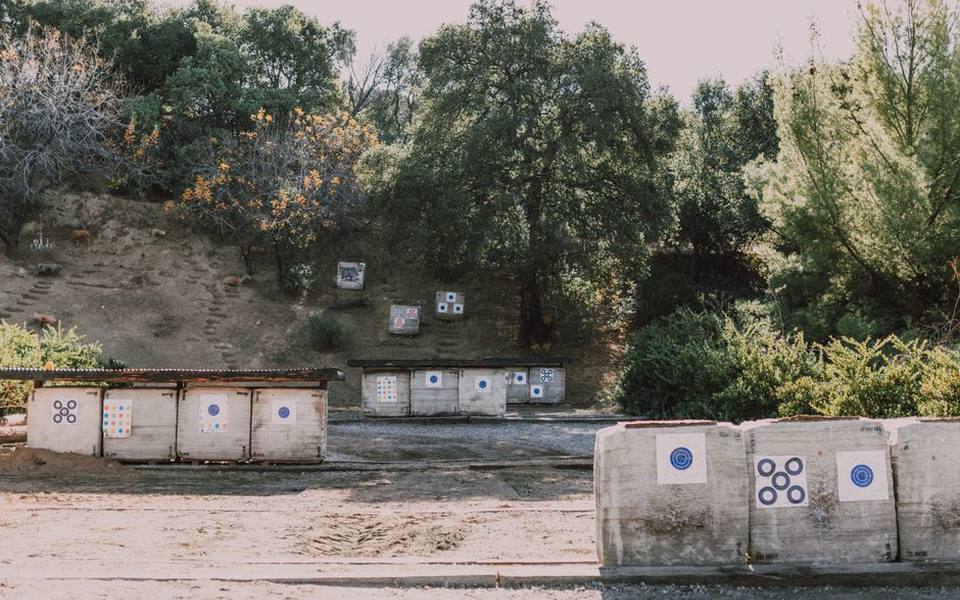 Buying
Choosing a Skeet Shotgun: Balance, Gauges, and Barrel Specs
-
 Safety
Stun Guns, Tasers, and Protective Range Gear: Practical Buyer's Guide
-
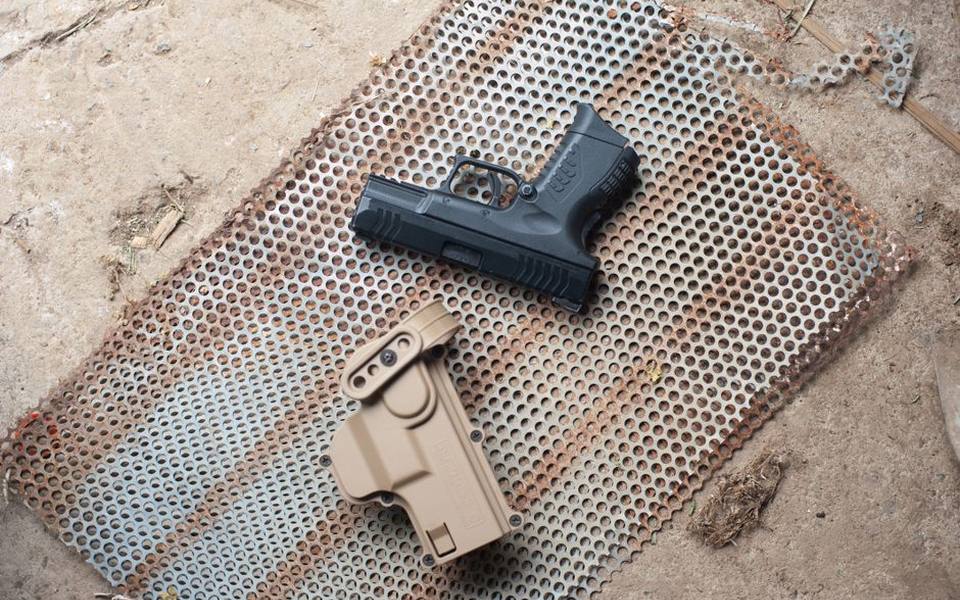 Buying
Choosing Practical Firearms for Home Defense and Daily Carry
-
 Buying
FFL Transfer Fees and Process Explained: What to Expect at the Counter
-
 Service
Fingerprinting Services, IdentoGO, and FBI Background Checks: The Complete Guide
-
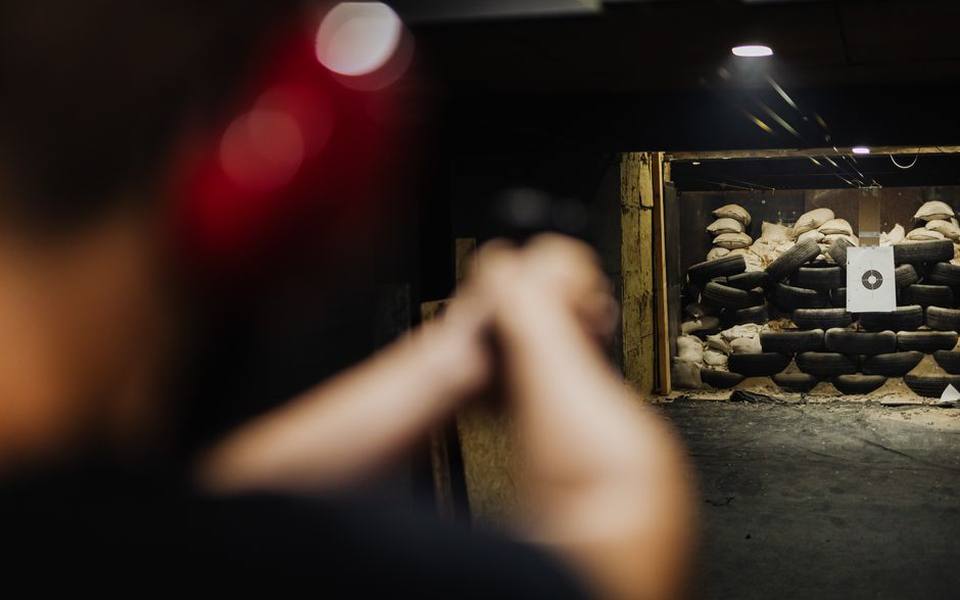 Safety
Indoor and Outdoor Shooting Ranges: Etiquette, Rules, and Memberships
-
 Storage
Gun Safes and Fireproof Storage: Biometric Safes, Cabinets, and Dehumidifiers
-
 Safety
Body Armor and Ballistic Plates: Threat Levels, Plate Materials, and Carrier Sizing
-
 Safety
Shooting Hearing Protection: Electronic Earmuffs, Custom Earplugs, and Noise Reduction
-
 Owning
Shooting Targets, Clay Throwers, and Range Rests Guide
-
 Owning
Concealed Carry Holsters: Kydex, Leather, IWB, OWB, and Specialized Rigs
-
 Owning
Rifle and Shotgun Slings: Single-Point, Two-Point, and Mounting Hardware
-
 Owning
Everyday Carry and Tactical Accessories: Range Bags, Gun Locks, and Practical Gear
-
 Owning
Gun Cleaning Kits and Maintenance: Cleaners, Oils, and Solvents
-
Safety
Everyday and Noise Reduction Earplugs: A Practical Comparison Guide
-
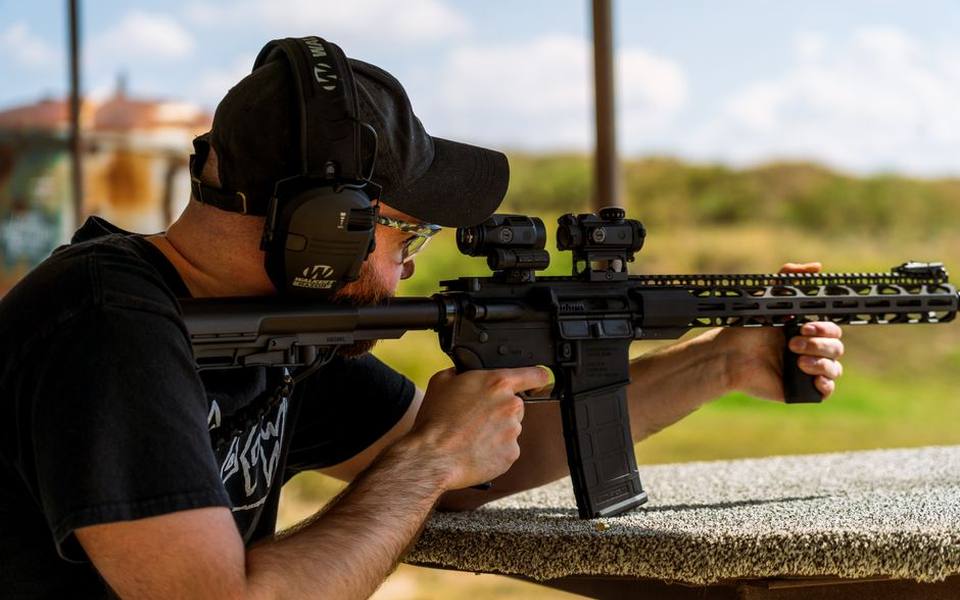 Safety
Firearm Safety Rules, Concealed Carry Courses, and Tactical Shooter Training
-
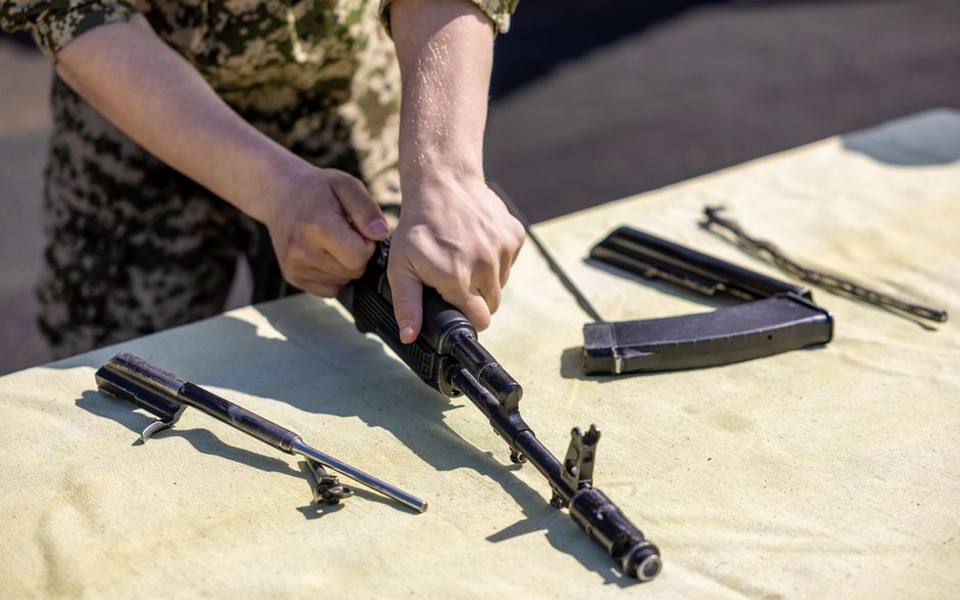 Service
Rifle Customization, Caliber Selection, and Bench Work: A Guide to Practical Gunsmithing and Reloading
-
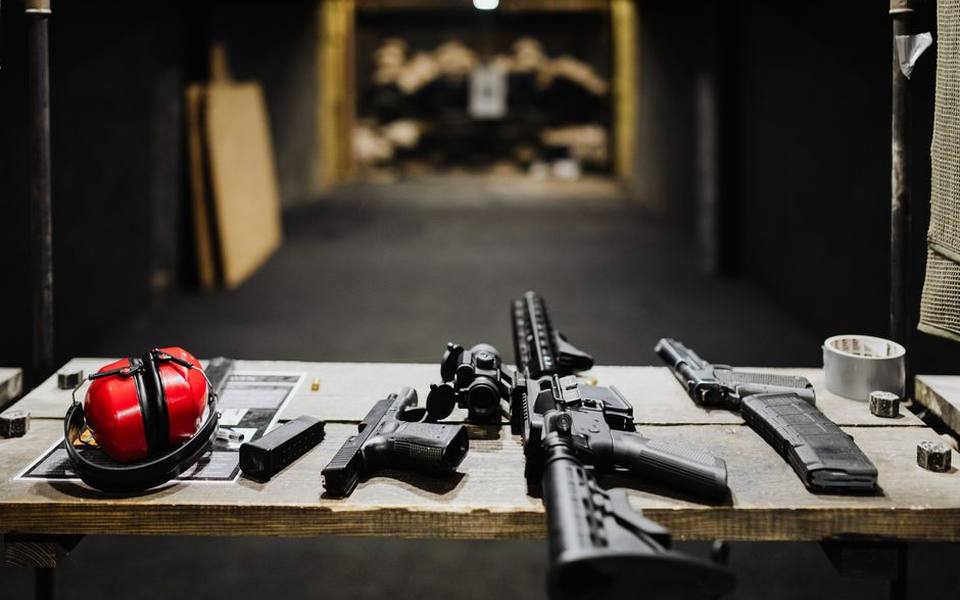 Safety
Shooting and Hearing Protection: Guide to Earmuffs, Plugs, and Electronic Defenders
-
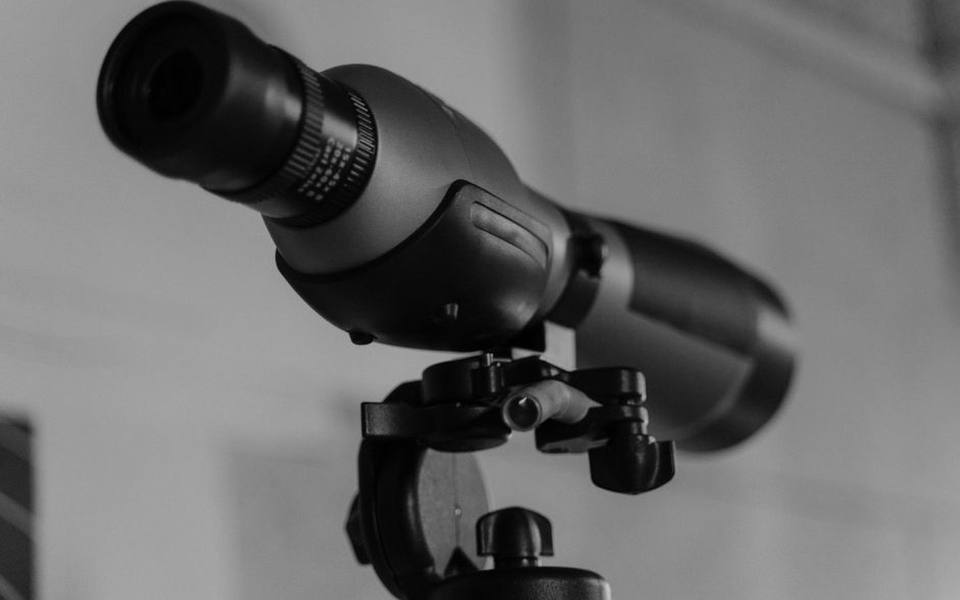 Buying
Choosing Spotting Scopes, Binoculars, and Specialized Night Optics
-
 Safety
Active Shooter Response, Tactical Handgun Courses, and Firearm Safety Training Guide
-
 Buying
Night Vision Optics and Spotting Scopes Buyer's Guide
-
 Buying
Firearm Valuation, Appraisal, and Used Buying Guide
-
Safety
Layering Personal Defense: Less-Lethal Tools, Purpose-Built Firearms, and Medical Gear
-
 Buying
Hunting Ammunition, Calibers & Reloading Supplies Guide
-
 Owning
Concealed Carry Reciprocity, Licensing Basics, and Buying Regulations Explained
-
 Service
Custom Gunsmithing, Barrel Modifications, and AR-15 Upgrades Guide
-
 Owning
Target Shooting & Clay Sports Guide: Air Rifles, Ranges & Eye Protection
-
Storage
Essential Firearm Storage, Cases, Recoil Pads, and Rig Systems
-
 Safety
The Ultimate Guide to Shooting Hearing Protection and Electronic Earmuffs
-
 Owning
Dry Fire Training Systems, Timers, and At-Home Practice Routines
-
 Owning
State Firearm Rules, Training Courses, and Range Guidelines
-
Owning
Essential Tactical Gear, EDC Equipment, Shooting Gloves, and Range Bags
-
 Owning
Everyday Carry Holsters and Wearable Gear: A Practical Selection Guide
-
 Owning
Firearm Upgrades and Tuning: Gas Blocks, Sights, and Mounts
-
 Owning
CCW Permits, Licensing Laws, and Background Check Fingerprinting Guide
-
 Storage
Firearm Safes and Secure Storage: Humidity Control, Security Standards, and Storage Solutions