The Foundation: Universal Rules of Firearm Safety
Every meaningful progression in defensive marksmanship begins with total adherence to established firearm safety rules. Before signing up for advanced tactical drills or group crisis seminars, a shooter must build instinctive handling habits that function under high cognitive stress. These core tenets require treating every firearm as loaded at all times, maintaining strict muzzle discipline toward a designated safe direction, keeping the index finger completely off the trigger until sights are on target, and confirming the target along with everything beyond it.
Administrative gun handling in home environments or staging areas presents substantial risk because routine creates complacency. Safe loading, unloading, and chamber verifications must follow a deliberate, methodical process. Shooters should physically check the chamber and magazine well with both sight and touch whenever a firearm changes hands or exits a storage container. Mechanical safeties serve as secondary safeguards rather than substitutes for disciplined trigger control, and relying solely on a switch invites dangerous errors.
When moving between firing stations on a dynamic range, safety protocols become more rigorous. Muzzle awareness must account for lateral movement, 360-degree environments, and the physical presence of other students and range safety officers. If an unexpected malfunction or range stoppage happens, the firearm must remain oriented downrange while the shooter works through the problem or requests instructor assistance. Developing these foundational behaviors ensures that future high-speed tactical exercises remain safe for everyone involved.
Transitioning from Basic Marksmanship to Defensive Firearms Training
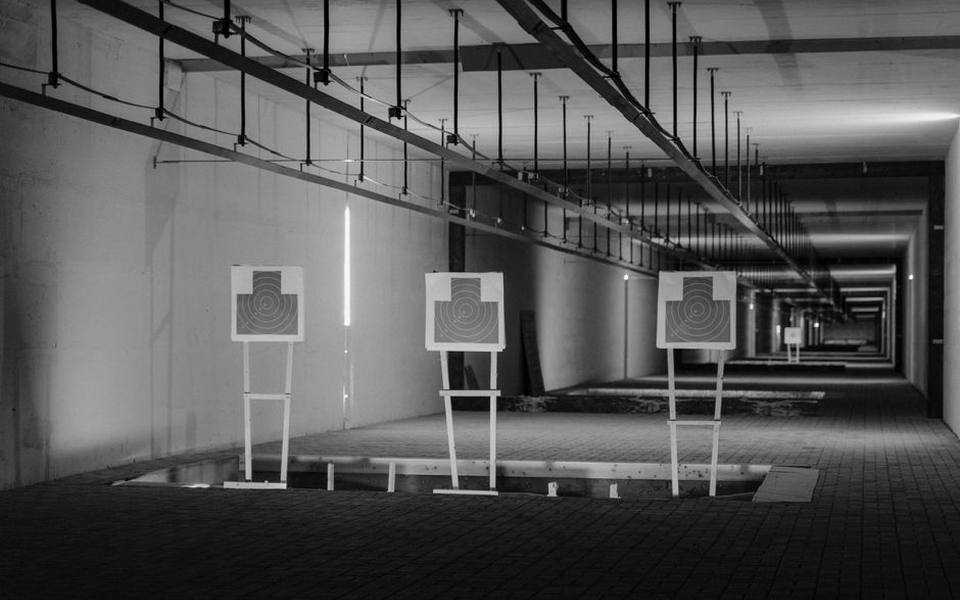
Punching neat groups into stationary paper at an indoor lane teaches sight alignment and trigger press, but it represents only a small slice of comprehensive firearms training. Defensive shooting introduces variables that static range sessions rarely replicate, such as target discrimination, moving targets, rapid holster draws, and working against strict time limits. Students making this transition must shift their mindset from shooting for leisurely bullseyes to delivering acceptable combat accuracy under time constraints.
A structured curriculum bridges this gap by breaking complex physical actions into repeatable mechanical steps. Instructors typically begin with master grip establishment inside the holster, followed by a clean vertical draw stroke, sight acquisition at eye level, and controlled recoil management. As students build confidence, drills incorporate lateral sidesteps, multiple target engagements, and cadence control based on target distance. This progression builds competence without bypassing essential mechanical baselines.
Finding high-caliber defensive programs requires looking past marketing hype and evaluating instructional qualifications. Local shops and independent regional facilities featured across all states often host guest instructors or run established live-fire academies on weekends. Beginners should prioritize introductory defensive handgun classes that emphasize fundamentals, holster mechanics, and range safety protocols before attempting to register for advanced courses that feature aggressive movement or low-light scenarios.
What to Expect in a Tactical Handgun Course
Enrolling in a reputable tactical handgun course requires leaving familiar range habits behind. These intensive programs typically run over one or two full days, exposing students to rapid-fire strings, physical movement, and complex decision-making. The day almost always opens with a thorough medical briefing, clear safety assignments, and an evaluation of each student's holster and gear setup before a single live round is loaded on the firing line.
During live drills, a typical tactical pistol course pushes students beyond comfortable marksmanship. Instructors teach shooters how to clear Type 1 failures to fire, Type 2 stovepipes, and Type 3 double feeds while moving toward cover or managing awkward shooting positions. You will likely shoot kneeling, prone, behind barricades, and from unconventional angles. These exercises expose weak points in physical stamina, weapon manipulation, and equipment durability that static target practice never reveals.
Mental processing forms the core of modern defensive shooter training. Instructors frequently introduce cognitive loads, requiring participants to calculate math problems, respond to color-coded target commands, or scan for non-threat targets before pressing the trigger. By forcing the brain to evaluate information while handling a firearm, courses build realistic stress inoculation, helping students remain calm and legally defensible during unexpected real-world confrontations.
Essential Gear and Handgun Setup for Advanced Drills
Showing up to an intensive shooting course with unsuitable gear wastes training time and creates genuine safety hazards. Students need a reliable semi-automatic pistol chambered in a manageable defensive caliber, paired with a rigid, outside-the-waistband or inside-the-waistband holster molded specifically for that firearm. Soft nylon holsters, generic universal pouches, and holsters with finger-release retention buttons are routinely prohibited by professional academies due to safety risks during rapid re-holstering.
A stiff dual-layer gun belt forms the backbone of any practical setup, preventing the holster from sagging or shifting when drawing from varied body positions. You should also bring at least three to five factory magazines, several durable magazine pouches, wrap-around ballistic eye protection, and electronic ear protection that amplifies range commands while dampening gunshot decibels. Comfortable footwear suited for gravel, mud, or uneven dirt is essential for outdoor ranges.
Before loading hundreds of rounds in an advanced class, ensure your firearm is mechanically sound and properly lubricated. High-volume training stresses extractors, springs, and optic mounting screws; consulting reputable gunsmiths for a pre-class inspection can prevent frustrating equipment breakdowns on the line. For high ammunition requirements, students often prepare by purchasing factory bulk rounds or loading their own cartridges using components from shops stocking reloading supplies.
The Role of Inert Blue Training Handguns
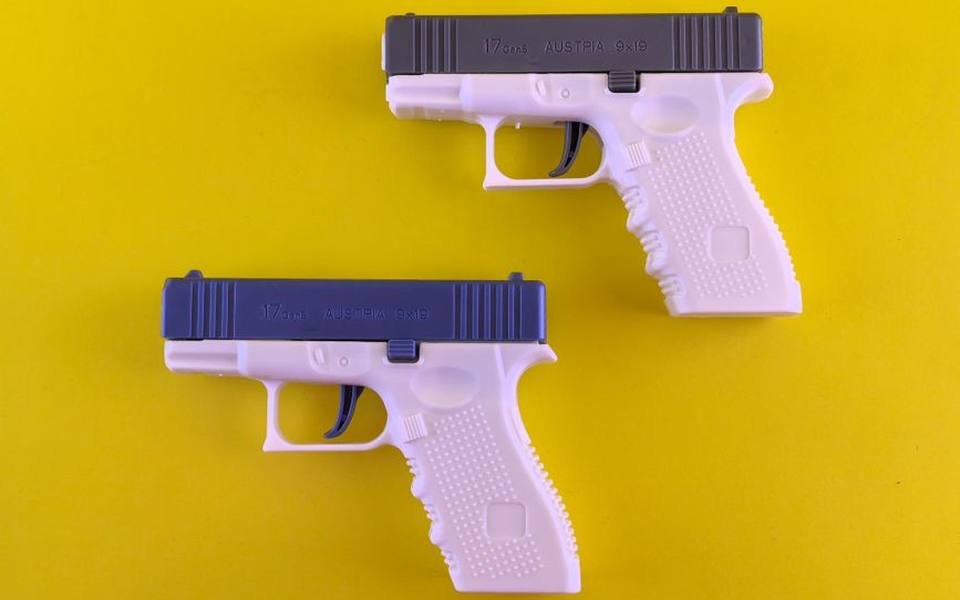
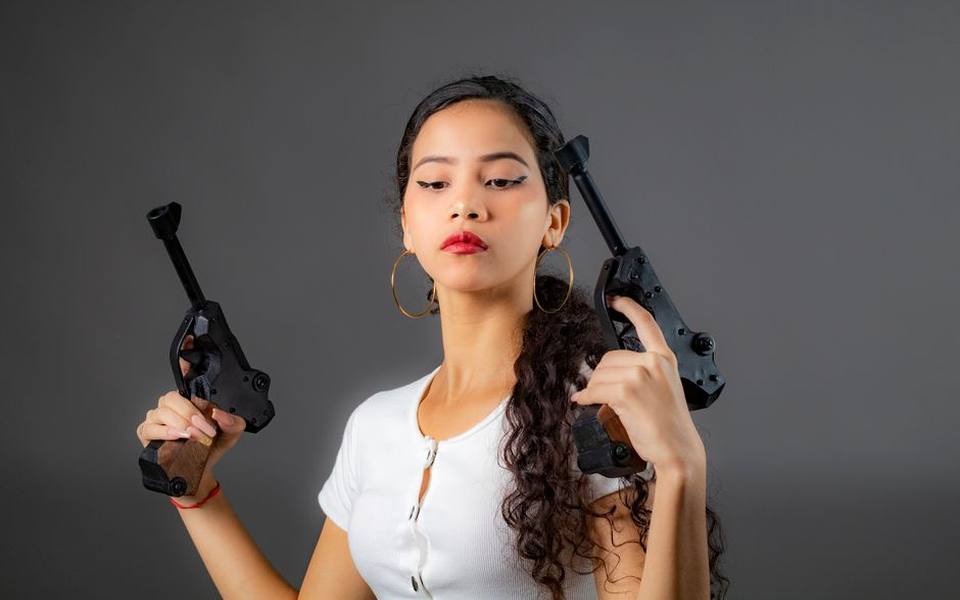
High-level weapon handling cannot rely entirely on live-fire practice, especially when developing close-quarters defensive maneuvers or team movement drills. A weighted blue training pistol serves as an indispensable tool for safe, repetitive skill development. Made from heavy-duty solid polymer to match the exact dimensions, balance, and weight of duty firearms, these inert devices completely eliminate the danger of accidental discharges during dynamic instructional scenarios.
Instructors rely on blue training handguns when teaching retention techniques, disarm defenses, and physical scuffles where a student must maintain control of their sidearm against an aggressor. Practicing physical hand-to-hand disarms with an unloaded real firearm still carries inherent risk, whereas bright blue inert replicas allow partners to apply full physical leverage safely. They also fit perfectly into duty holsters, making them ideal for practicing draws under awkward physical restrictions.
Beyond commercial academy facilities, personal ownership of an inert replica benefits home training routines. It lets shooters practice clearing doorways, transitioning from room to room, and coordinating safe movement around family members without bringing live ammunition into the living area. Integrating these bright inert tools into your regular practice schedule builds seamless muscle memory while preserving absolute physical safety.
Understanding Nationally Recognized Active Shooter Response Models
In past decades, emergency guidance during violent incidents focused heavily on passive sheltering, advising individuals to hide beneath desks and wait quietly for first responders. Modern active shooter training has evolved toward proactive, options-based decision frameworks designed to maximize civilian survival. Research into real-world mass casualty events demonstrated that active resistance and rapid evacuation drastically reduce casualties compared to remaining immobile in unsecured spaces.
One widely recognized framework is the ALICE model, popularized by the ALICE Training Institute. ALICE stands for Alert, Lockdown, Inform, Counter, and Evacuate. The curriculum teaches participants to assess real-time information rather than following rigid, static lockdown procedures. If safe evacuation routes exist, people are encouraged to flee immediately; if trapped, they learn how to fortify barricades, communicate intruder movements, and use physical counter-tactics as a collaborative last resort.
Understanding these organizational protocols helps armed citizens appreciate how crowds, building staff, and responding officers behave during a critical incident. Whether you carry a concealed handgun or not, practicing situational awareness, identifying structural exits upon entering public venues, and understanding team-based counter strategies provide life-saving advantages when seconds matter most.
CRASE and ALERRT Protocols for Civilians and Workplaces
Another cornerstone of national crisis response education is alerrt training, pioneered by the Advanced Law Enforcement Rapid Response Training center. While ALERRT creates tactical doctrine for first responders, it also designed the Civilian Response to Active Shooter Events model, commonly called crase training. CRASE offers a straightforward, stress-resilient action plan centered on the Avoid, Deny, Defend continuum.
Avoid represents the first and best defense: maintaining awareness of surroundings, recognizing early warning signs, and putting distance between yourself and the threat. Deny comes into play when escape routes are blocked; it focuses on creating severe physical barriers, securing entry points, turning off lights, and denying the shooter visual access. Defend acts as the final survival measure, authorizing individuals to use any available item or legal defensive weapon to incapacitate the attacker with aggressive, decisive action.
Both ALERRT and CRASE emphasize the critical moment when law enforcement enters the scene. Responding officers arrive looking for a threat, meaning any person holding a firearm or moving erratically can be perceived as an active danger. The protocols teach civilians to immediately show empty, open hands, avoid sudden gestures, follow verbal instructions without hesitation, and recognize that initial responding officers will bypass injured people to neutralize the threat.
Designing Practical Church Security Training and Protocols
Places of worship face distinct security challenges because their core mission centers on warmth, openness, and welcoming unfamiliar visitors. Consequently, church security training requires a careful balance between spiritual hospitality and defensive preparedness. Dedicated volunteer safety ministries must move away from informal, unorganized armed volunteer setups toward structured, trained teams operating under clear policies and coordinated medical capabilities.
An effective safety team focuses primarily on prevention, observation, and verbal de-escalation rather than gun handling alone. Members monitor parking areas, staff entry doors, observe body language, and establish radio protocols to flag erratic behavior long before an individual enters a crowded sanctuary. Medical response training, including trauma wound packing and tourniquet application, is just as vital as defensive firearm skills, as medical emergencies occur far more often than armed incidents.
When firearms are integrated into house of worship security, live-fire standards must remain rigorous. Team members should undergo background checks, qualification courses that simulate tight crowds, and regular team communication drills. Many ministries outfit their personnel through reputable local retailers, sourcing reliable equipment from licensed shops or inspecting quality duty handguns at used gun stores. In regions like Texas, where house of worship teams are common, teams often partner with law enforcement trainers to ensure legal compliance.
Dry Fire Practice and Skill Retention Between Courses
Tactical marksmanship is a perishable physical skill. Within weeks of completing an intensive shooting course, split times increase, sight tracking degrades, and holster presentations lose their crisp efficiency without ongoing maintenance. Because frequent live-fire training can be costly and logistically challenging, structured dry fire practice serves as the primary method for maintaining sharp handling mechanics.
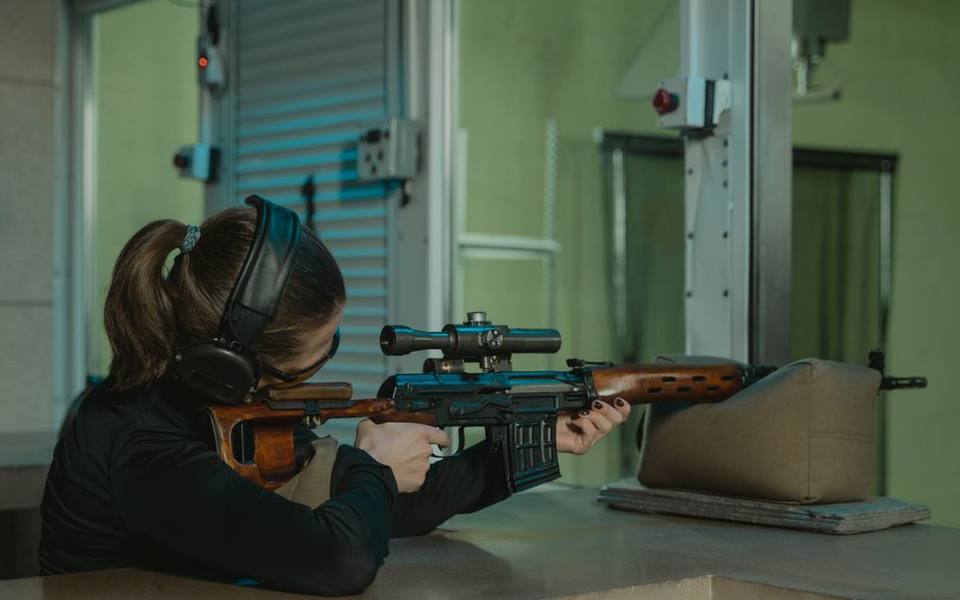
A productive dry fire routine requires absolute discipline and strict safety parameters. Practice must take place in a dedicated room completely free of live ammunition. Before starting, visually verify an empty chamber and magazine well, store all ammunition boxes in another room, and choose an impact-absorbing backstop, such as a basement concrete wall or a thick bookshelf, as your aiming point during trigger manipulation drills.
Use a digital shot timer with a par time setting to work on individual mechanical movements. Practice clean two-handed grip assembly, presenting the sights to eye level, and maintaining a neutral trigger reset without moving the front sight or red dot reticle. Ten to fifteen minutes of deliberate dry practice three times a week builds far more enduring neurological pathways than firing hundreds of unfocused rounds at a range once every few months.
Selecting Reputable Instructors and Facilities
The tactical training industry contains a wide spectrum of instructional quality, ranging from nationally accredited institutions to self-proclaimed experts lacking formal credentials. When vetting an instructor or training academy, look for transparent resumes highlighting verifiable law enforcement, military, or competition coaching backgrounds, accompanied by recognized instructor certifications from state boards or national bodies.
Professional instructors prioritize physical safety above entertainment value. Be wary of programs that encourage reckless behavior, such as shooting downrange while students stand near the targets, performing theatrical roll maneuvers on concrete, or using high live round counts without diagnostic feedback. A quality instructor watches your mechanics, explains why a shot missed the center, and corrects grip or trigger errors before pushing you toward higher speeds.
Finally, assess the emergency readiness of the training facility itself. Reputable training operations possess dedicated trauma kits on the line, staff personnel certified in emergency medical care, and maintain clear emergency action plans in case an accident occurs. Investing your time and training budget with disciplined professionals ensures you gain practical, court-defensible skills that protect you and your community.
Published 2026-09-21 · reviewed with each rebuild, last September 2026.
Find gun stores near you
The directory lists 12,328 gun stores by state and city — pick your state or use the “Near me” button in the header.
More guides
-
 Buying
Night Vision, Caliber Choices, and Hearing Protection: The Practical Buyer Guide
-
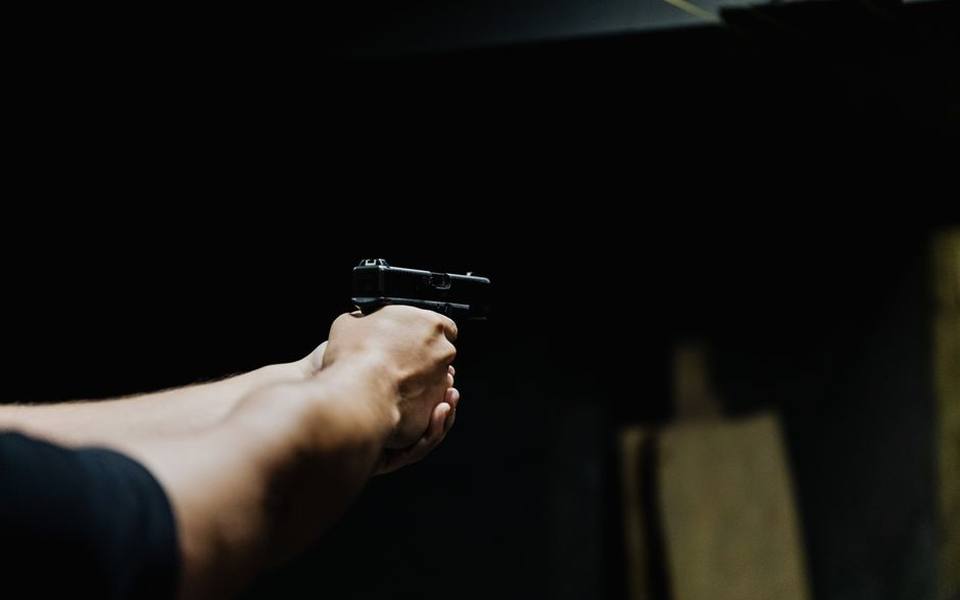 Owning
Muzzle Brakes vs Pistol Compensators: Mechanics, Tuning, and Ownership Costs
-
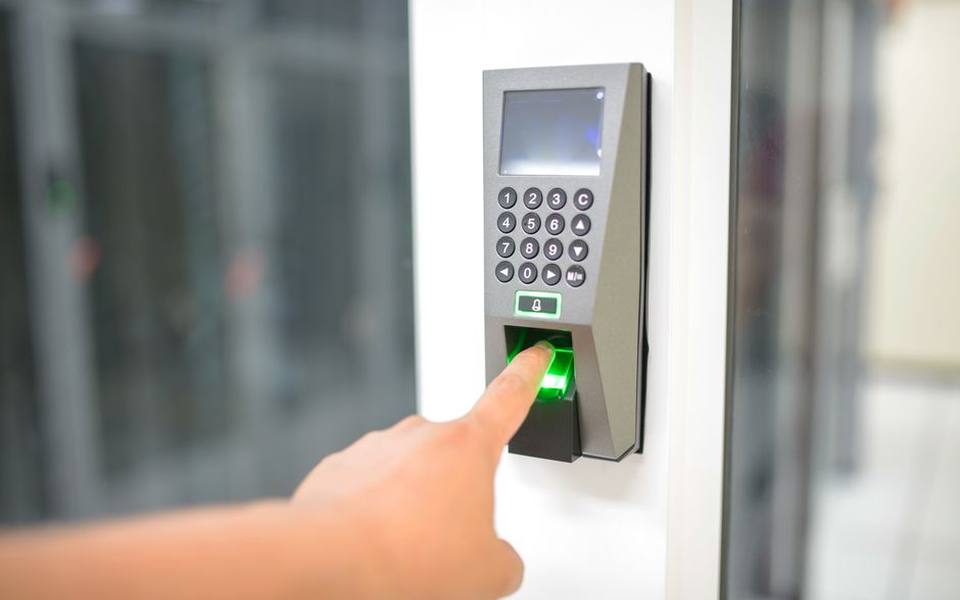 Owning
Where to Get Fingerprints for Gun Permits, Hearing Gear, and Range Prep
-
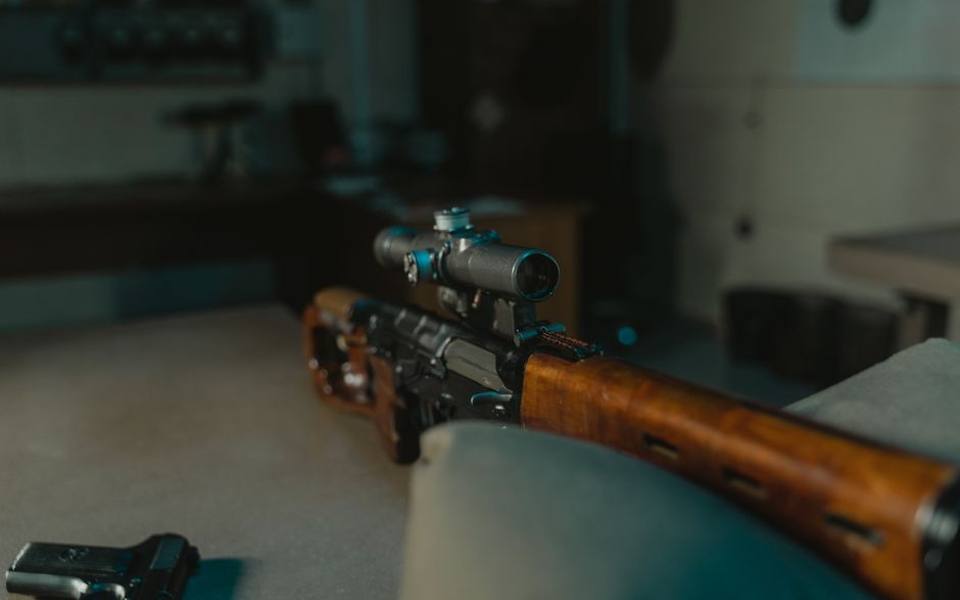 Owning
How to Remove Rust from a Gun Safely Without Damaging the Finish
-
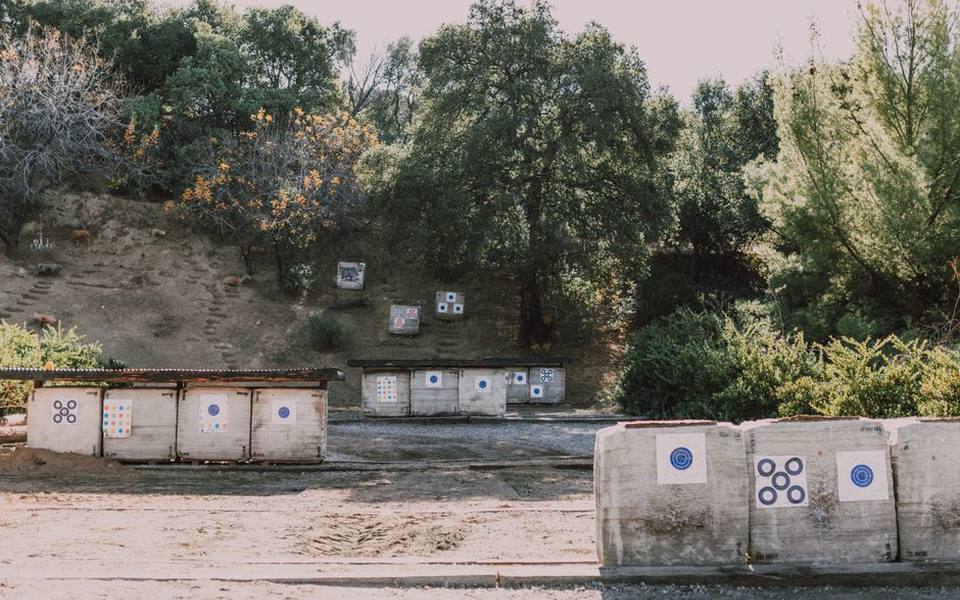 Buying
Choosing a Skeet Shotgun: Balance, Gauges, and Barrel Specs
-
 Safety
Stun Guns, Tasers, and Protective Range Gear: Practical Buyer's Guide
-
 Buying
Choosing Practical Firearms for Home Defense and Daily Carry
-
 Buying
FFL Transfer Fees and Process Explained: What to Expect at the Counter
-
 Service
Fingerprinting Services, IdentoGO, and FBI Background Checks: The Complete Guide
-
 Safety
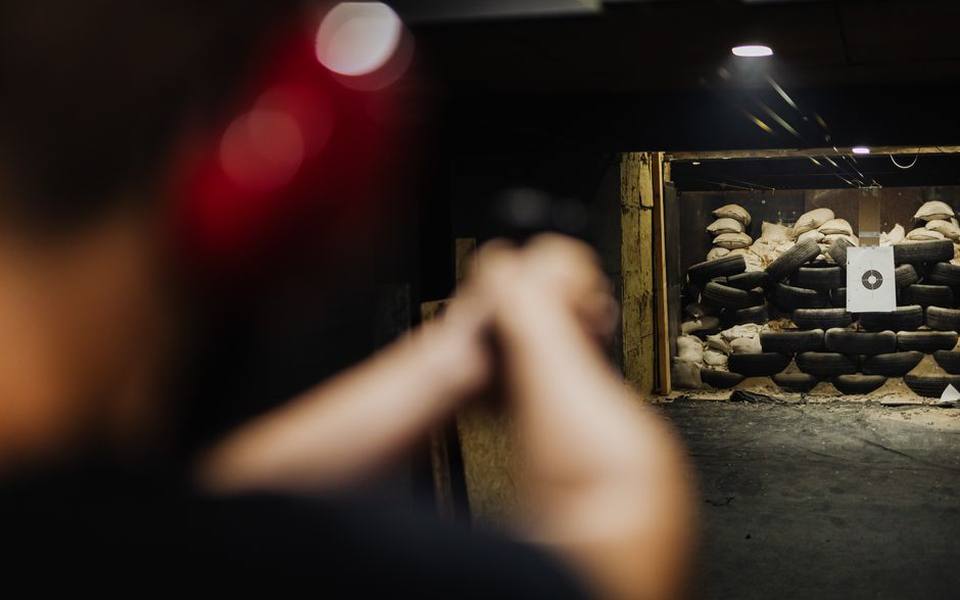
Indoor and Outdoor Shooting Ranges: Etiquette, Rules, and Memberships
-
 Storage
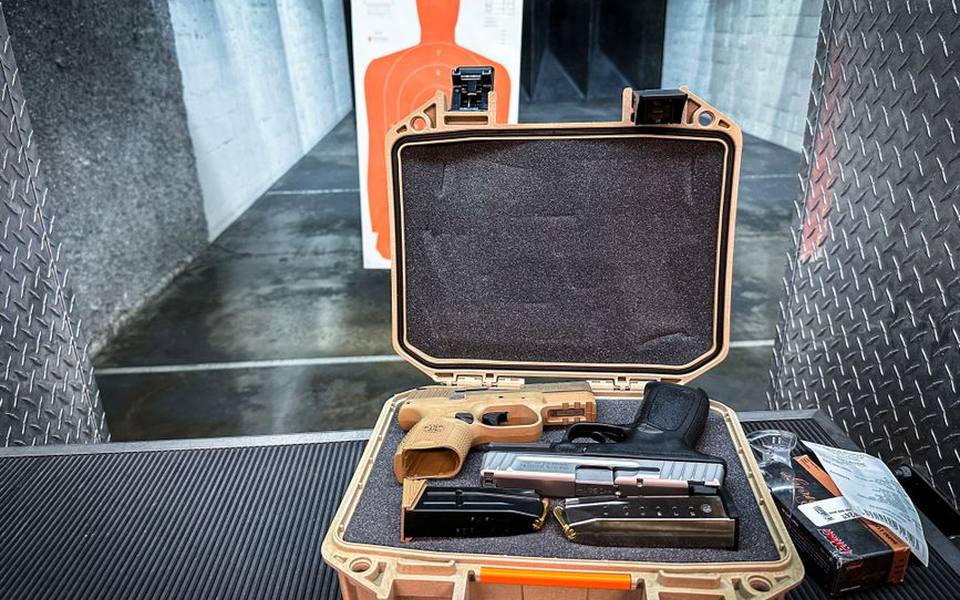
Gun Safes and Fireproof Storage: Biometric Safes, Cabinets, and Dehumidifiers
-
 Safety
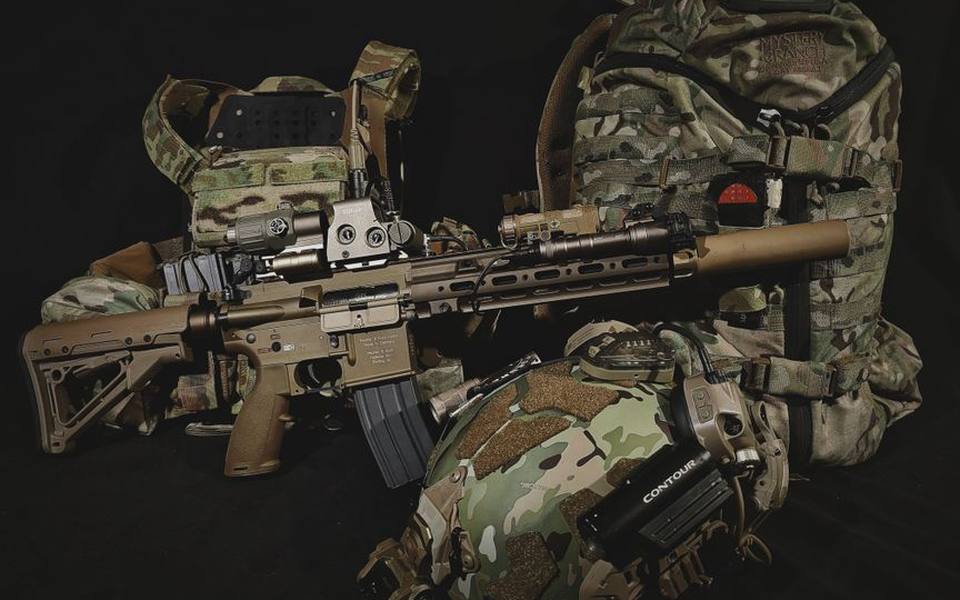
Body Armor and Ballistic Plates: Threat Levels, Plate Materials, and Carrier Sizing
-
 Safety
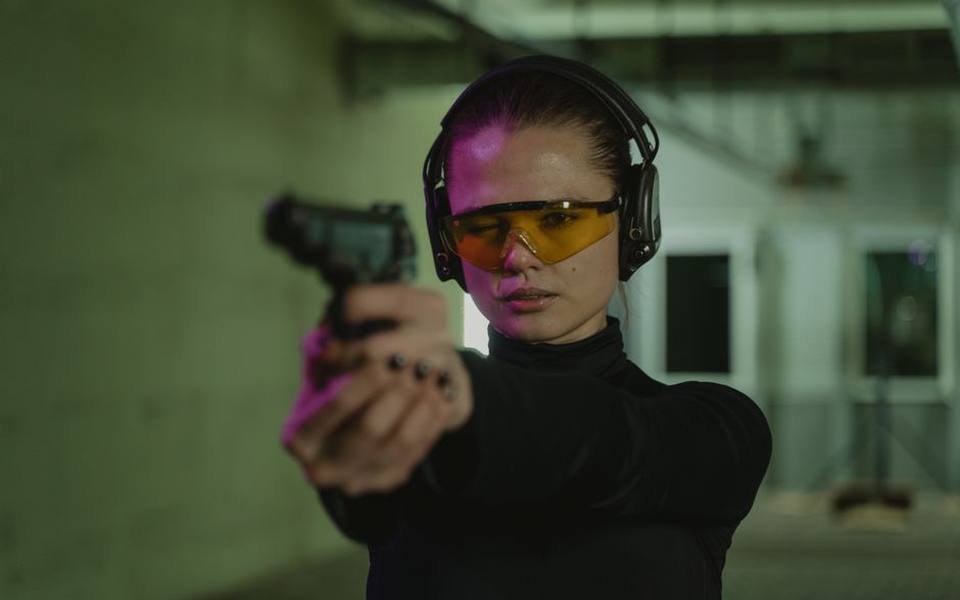
Shooting Hearing Protection: Electronic Earmuffs, Custom Earplugs, and Noise Reduction
-
 Owning
Shooting Targets, Clay Throwers, and Range Rests Guide
-
 Owning
Concealed Carry Holsters: Kydex, Leather, IWB, OWB, and Specialized Rigs
-
 Owning
Rifle and Shotgun Slings: Single-Point, Two-Point, and Mounting Hardware
-
 Owning
Everyday Carry and Tactical Accessories: Range Bags, Gun Locks, and Practical Gear
-
 Owning
Gun Cleaning Kits and Maintenance: Cleaners, Oils, and Solvents
-
Safety
Everyday and Noise Reduction Earplugs: A Practical Comparison Guide
-
 Safety
Firearm Safety Rules, Concealed Carry Courses, and Tactical Shooter Training
-
 Service
Rifle Customization, Caliber Selection, and Bench Work: A Guide to Practical Gunsmithing and Reloading
-
 Safety
Shooting and Hearing Protection: Guide to Earmuffs, Plugs, and Electronic Defenders
-
 Buying
Choosing Spotting Scopes, Binoculars, and Specialized Night Optics
-
 Buying
Night Vision Optics and Spotting Scopes Buyer's Guide
-
 Buying
Firearm Valuation, Appraisal, and Used Buying Guide
-
Safety
Layering Personal Defense: Less-Lethal Tools, Purpose-Built Firearms, and Medical Gear
-
 Buying
Hunting Ammunition, Calibers & Reloading Supplies Guide
-
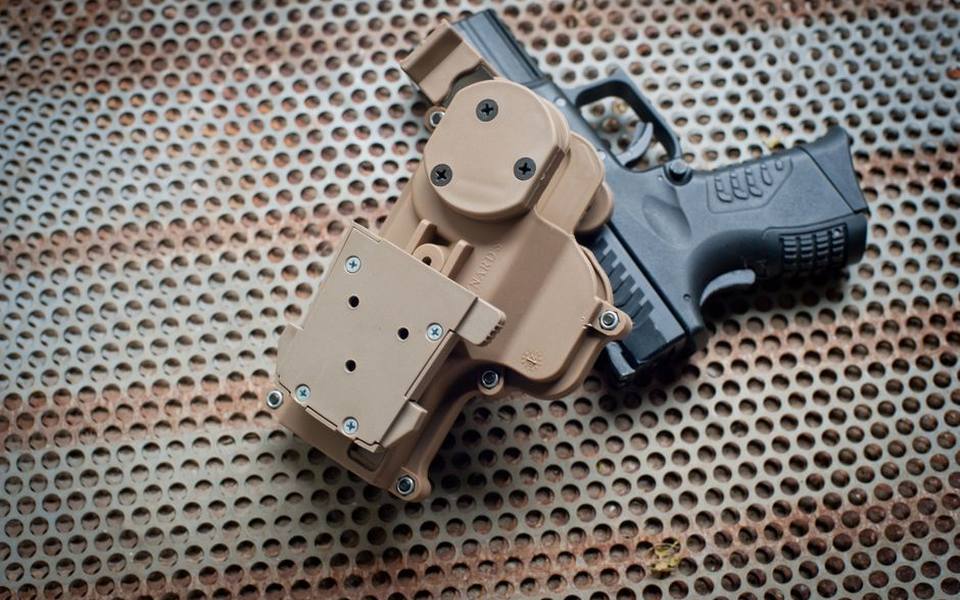 Owning
Concealed Carry Reciprocity, Licensing Basics, and Buying Regulations Explained
-
 Service
Custom Gunsmithing, Barrel Modifications, and AR-15 Upgrades Guide
-
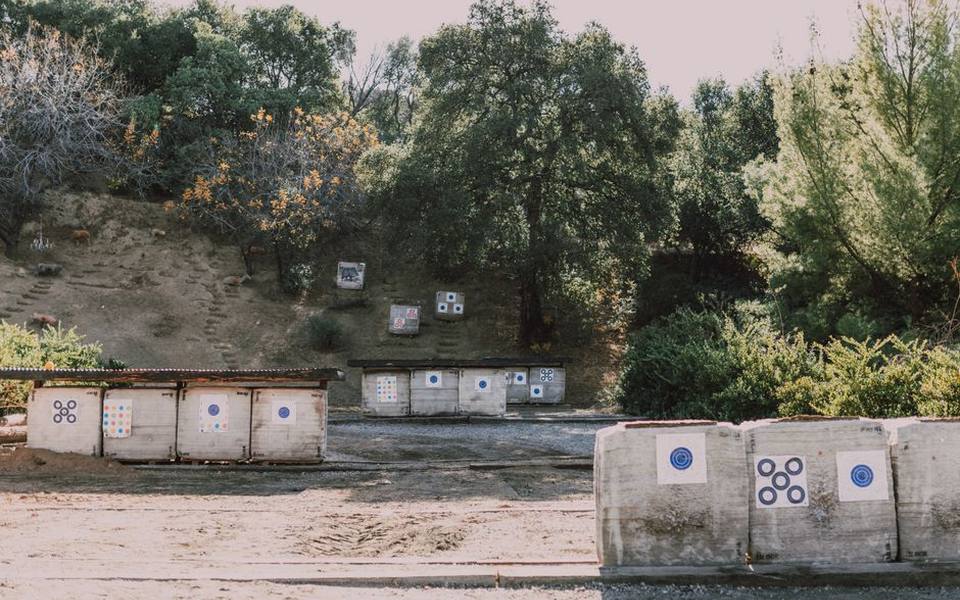 Owning
Target Shooting & Clay Sports Guide: Air Rifles, Ranges & Eye Protection
-
Storage
Essential Firearm Storage, Cases, Recoil Pads, and Rig Systems
-
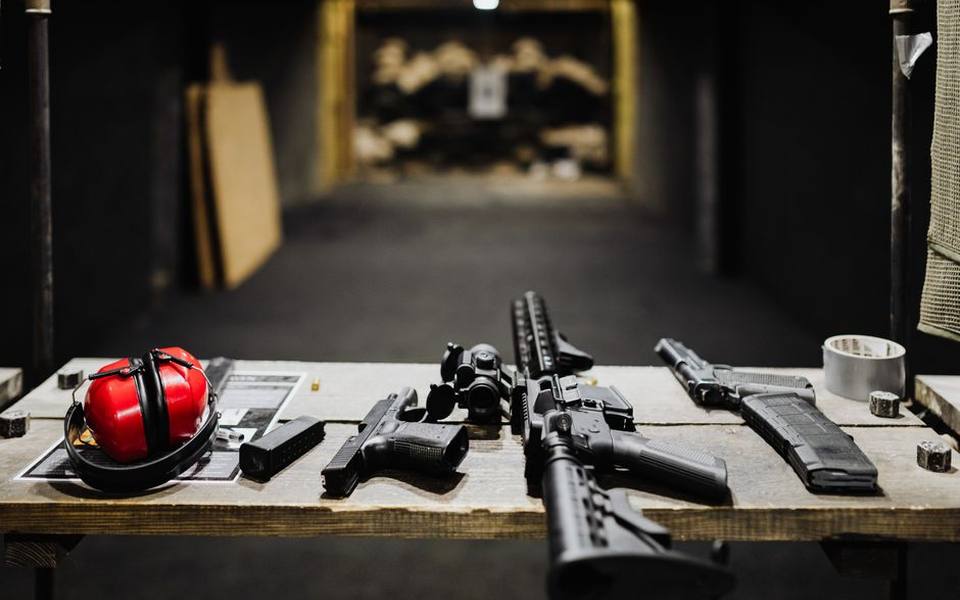 Safety
The Ultimate Guide to Shooting Hearing Protection and Electronic Earmuffs
-
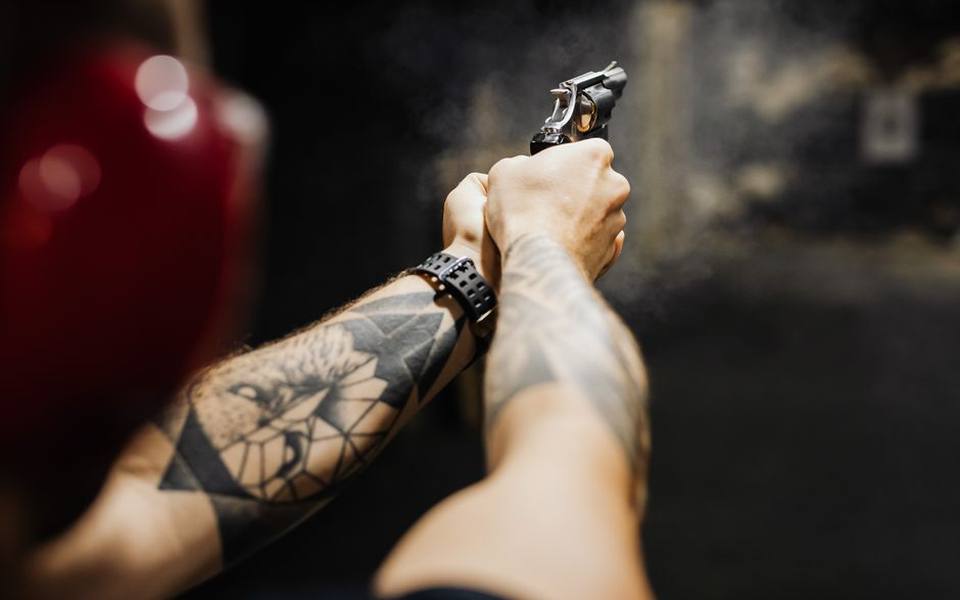 Owning
Dry Fire Training Systems, Timers, and At-Home Practice Routines
-
 Owning
State Firearm Rules, Training Courses, and Range Guidelines
-
Owning
Essential Tactical Gear, EDC Equipment, Shooting Gloves, and Range Bags
-
 Owning
Everyday Carry Holsters and Wearable Gear: A Practical Selection Guide
-
 Owning
Firearm Upgrades and Tuning: Gas Blocks, Sights, and Mounts
-
 Owning
CCW Permits, Licensing Laws, and Background Check Fingerprinting Guide
-
 Storage
Firearm Safes and Secure Storage: Humidity Control, Security Standards, and Storage Solutions