Understanding Optical Needs Across Different Glass Categories
Choosing between a spotting scope, observation binoculars, or night vision gear comes down to how your eye interacts with target distance, movement, and ambient light. Handheld binoculars provide wide fields of view and natural depth perception through two optical channels, making them ideal for scanning terrain or tracking active wildlife. Spotting scopes sacrifice binocular viewing and rapid mobility in favor of high-magnification monocular lenses, giving you the resolving power required to spot bullet holes on paper or confirm distant antler points. Night-capable electro-optics diverge even further by converting invisible light spectrums into visible electronic or amplified images.
Magnification numbers and objective lens measurements set the baseline for every optical platform. A system labeled as twenty to sixty by eighty five denotes a variable zoom range spanning from twenty times to sixty times magnification, backed by an eighty-five-millimeter front objective lens. Larger objectives harvest more incoming ambient light, producing brighter images during dawn and dusk, but they significantly increase the physical footprint and weight of the device. Choosing the ideal optic means balancing the optical clarity needed for your specific task against the weight you are willing to pack into the field.
Mechanical stability is equally essential because higher magnifications amplify every microscopic vibration from wind, hand tremors, or ground movement. While general-purpose binoculars remain usable offhand at eight or ten power, spotting scopes operating above twenty power demand a rigid tripod with a fluid head. Attempting to run high-magnification glass on a flimsy platform leads to eye fatigue, blurry sight pictures, and an inability to resolve fine details downrange. Before investing in top-tier glass, plan for the structural foundation that will support it.
Optical Standards That Define the Best Spotting Scopes
High-performance spotting scopes distinguish themselves primarily through the quality of their internal glass elements rather than extreme zoom numbers on the spec sheet. Premium models utilize extra-low dispersion glass, often designated as ED, HD, or fluorite crystal, which prevents different wavelengths of light from separating as they pass through the prism system. Without quality glass, high-contrast targets like white paper under bright sun develop purple or green halos along sharp edges, an optical flaw known as chromatic aberration that obscures tiny details.
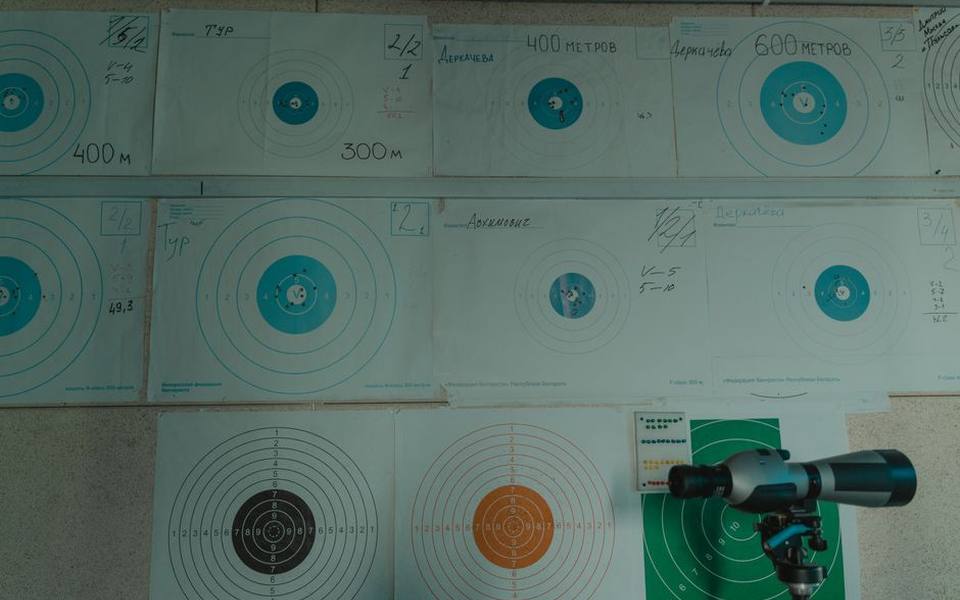
Lens coatings play an equally critical role in how well an optic performs under harsh field conditions. Fully multi-coated lenses receive microscopic chemical layers on every glass-to-air surface to minimize glare, increase light transmission, and preserve true color neutrality. Premium spotting systems typically reach light transmission rates exceeding eighty-five to ninety percent, allowing you to identify targets long after lower-tier optics have faded into dark, muddy silhouettes. Proprietary exterior hydrophobic coatings also help shed rain, dust, and fingerprint oils during rough field use.
Internal prism architecture generally splits between roof-prism and Porro-prism designs, with most modern high-end spotting units adopting compact roof designs. High-end glass assemblies must be nitrogen-purged or argon-purged and sealed with durable rubber O-rings to prevent internal fogging when transitioning between heated vehicles and freezing morning air. You will find that superior optics balance high edge-to-edge sharpness with generous eye relief, ensuring comfortable viewing without forcing your eye to sit directly against the rubber cup.
Spotting Scopes for Avian Observation and Field Biology
Birding places unique functional demands on spotting scopes that differ noticeably from long-distance bench shooting. Field observers prioritize fast focusing mechanisms, high color fidelity, and minimal close-focus distances over rigid durability or ballistic measurement grids. Because warblers and waterbirds frequently shift perches, a dual-focus dial featuring both coarse and fine adjustments allows observers to quickly find the subject and dial in feather plumage details with a subtle touch of the finger.
Color rendition must remain strictly neutral for avian identification, where distinguishing between similar species hinges on subtle shades of buff, olive, or slate gray. Optical setups that lean artificially warm or cool can cause misidentifications in challenging lighting. Furthermore, birders typically prefer angled eyepiece bodies rather than straight housings because an angled prism allows comfortable shared viewing among observers of varying heights without constantly adjusting tripod legs, while also reducing neck strain when glassing up into forest canopies.
Field biologists and birders also demand rapid target acquisition across varied distances. A spotting scope designed strictly for shooting may not focus closer than thirty or forty feet, which proves frustrating when examining songbirds perched nearby. Nature-oriented scopes frequently offer minimum focus distances down to fifteen or twenty feet, giving them the versatility to serve as high-magnification inspection tools for nearby vegetation, insects, and wildlife along dense trail margins.
Military and Tactical Spotting Scopes for Long-Range Shooters
Tactical and military-grade observation scopes diverge from hunting or nature glass by prioritizing ruggedization, matte camouflage finishes, and specialized internal measuring reticles. Spotters working alongside precision rifle shooters require first focal plane reticles matching the angular adjustments of the shooter’s primary optic, usually graduated in milliradians or minutes of angle. These reticles allow the spotter to measure bullet impacts off target, read wind drift instantly, and communicate precise numeric corrections without guessing.
Shooters working up custom ammunition recipes often spend extensive range sessions verifying cold-bore deviations and velocity groups. When sourcing components from gun stores with reloading supplies to build consistent match ammunition, relying on a reticle-equipped tactical spotting scope lets you confirm tight cluster dispersion without walking downrange every five rounds. The internal grid also facilitates rapid range estimation using target-dimension formulas when laser rangefinders fail due to heavy mirage or obscurants.
The physical construction of military observation optics emphasizes survivability under severe physical impacts and adverse weather. Heavy-gauge aluminum or magnesium housings are wrapped in thick, non-reflective rubber armor to deaden metallic noise and absorb drops onto rock or gravel. Many tactical units also feature external Picatinny accessory rails molded directly into the body, allowing operators to mount co-aligned red dots, laser rangefinders, or infrared illuminators directly over the objective lens for fast night or day targeting.
Prism Scopes as an Optical Solution for Astigmatism
Shooters diagnosed with astigmatism frequently experience frustration with traditional reflex sights and red dots, which project an LED beam off a curved lens directly into the eye. For eyes with an irregular corneal curvature, this single reflected point of light distorts into a blurry starburst, smear, or cluster of overlapping dots. Prism scopes resolve this optical issue by routing incoming light through a glass prism cluster and utilizing a physical reticle etched directly onto the glass itself.
Because an etched reticle exists physically on the internal glass surface, it presents a crisp, sharply defined aiming point regardless of how the shooter's cornea focuses incoming rays. Even when the electronic illumination is switched off, the black etched reticle remains completely visible and functional, eliminating the risk of total optical failure if batteries drain in cold weather. Many models offer selectable red or green illumination that brightens only the etched lines without introducing optical scatter.
Prism scopes also incorporate an adjustable ocular diopter ring on the rear bell, mirroring the focus mechanisms found on full-sized rifle scopes and binoculars. This ring permits the user to dial the reticle specifically to their individual visual prescription, compensating for mild refractive errors even without wearing corrective lenses. When testing out aiming solutions at gun shops with on-site shooting ranges, shooters who struggle with blurry dots often discover that compact prism optics instantly restore sharp target acquisition.
Night Vision Platforms and Binocular Systems Explained
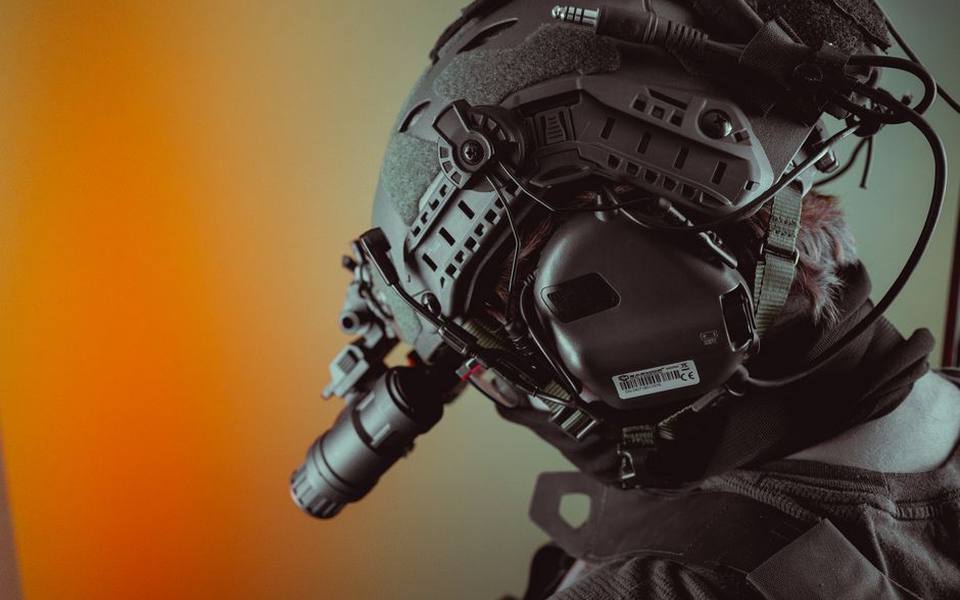
Operating after dark requires specialized hardware that goes far beyond standard low-light coatings on daytime binoculars. Dedicated night vision binoculars and dual-tube goggles function primarily through image intensifier tubes or digital electro-optical sensors. Analog image intensification captures microscopic amounts of ambient photons from stars or moonlight and multiplies them through a photocathode and microchannel plate, converting the invisible energy into electrons that illuminate a green or white phosphor screen.
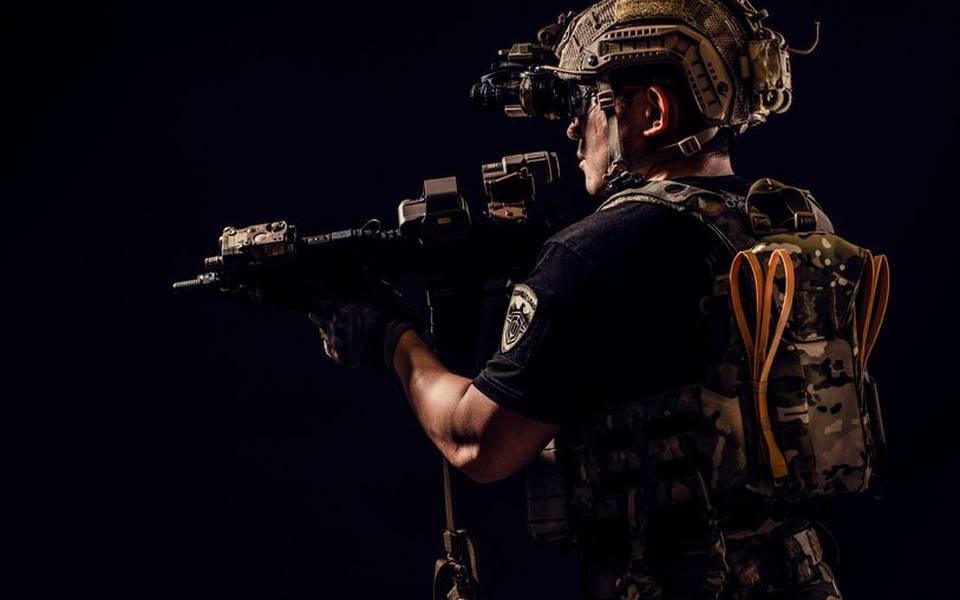
Digital night observation systems, by contrast, rely on sensitive complementary metal-oxide-semiconductor sensors tuned into the near-infrared spectrum, displaying the processed video onto micro-displays inside the oculars. While digital systems are generally more affordable and capable of recording video footage directly to memory cards, they consume battery power rapidly and introduce microscopic screen latency. Analog intensifier tubes operate with zero noticeable delay and deliver superior battery runtimes, typically running for dozens of hours on a single lithium cell.
Dual-tube night vision configurations provide stereoscopic vision, which preserves natural depth perception and spatial awareness when navigating rough terrain on foot. Mono-tube systems or handheld monoculars leave one eye dark-adapted while forcing the brain to interpret flat, single-channel visual data, making distance estimation challenging. For maximum clarity under total overcast or inside enclosed structures, both digital and analog night vision systems require supplemental infrared illumination that remains invisible to naked human eyes.
Adapting Modern Smartphones for Digiscoping and Remote Observation
Digiscoping—the practice of mounting a smartphone camera directly to the eyepiece of a spotting scope or binocular—has transformed how shooters, hunters, and naturalists catalog distant observations. Rather than investing thousands in bulky dedicated telephoto camera bodies, an adapter harness harnesses the high-resolution multi-lens arrays of modern mobile phones. This setup allows you to record bullet impacts, film wildlife behaviors from hundreds of yards away, and share high-resolution footage instantly with team members.
Choosing the right adapter mechanism directly impacts optical clarity and field usability. Generic universal adapters employ adjustable spring-loaded clamps that grip the phone body and slide an optical ring over the camera lens. While universally compatible with various handset models, these setups can be finicky to align in the field, slipping off-center with the slightest bump. Precision machined, phone-specific cases featuring screw-in ocular collars cost slightly more but provide immediate, repeatable optical alignment every time you mount the device.
Operating an optical stack with an attached smartphone requires attention to manual camera settings to avoid vignetting and exposure hunting. Modern phone software instinctively tries to switch between wide, ultra-wide, and telephoto lenses depending on ambient lighting, which frequently disrupts the view through the spotting scope’s exit pupil. Using third-party camera apps to lock lens selection, white balance, and shutter speed prevents the phone from defocusing, while using a bluetooth remote trigger avoids the physical shake caused by tapping the screen.
Evaluating Mid-Tier Sporting Brands and Market Values
The mid-tier sporting optics market offers a wide spectrum of functional performance, often delivering eighty percent of the optical clarity found in ultra-premium European glass at a fraction of the total price. Well-established outdoor manufacturers build reliable, durable spotting scopes and binoculars engineered specifically for general range work, western big game scouting, and seasonal birding. Evaluating these mid-tier options requires checking mechanical build quality alongside optical specifications to ensure long-term durability.
When inspecting mid-tier options, focus closely on the smoothness and resistance of the mechanical adjustments. The focus wheel should turn with consistent, velvet-like damping without gritty spots, lateral play, or sudden resistance shifts across temperature extremes. Similarly, the rotating tripod mounting collar must lock down solidly without permitting the scope body to twist under its own weight. A spongy zoom ring or sloppy eyecup detents usually signal cost-cutting in mechanical tolerances that could lead to moisture intrusion over time.
Secondary markets provide an exceptional avenue for acquiring rugged mid-range and premium optics on a measured budget. Many sportsmen regularly upgrade their glass, leaving pristine, fully functional optics on consignment counters at local used gun stores. When buying pre-owned glass, carefully examine the front objective and rear ocular lenses under a bright pocket penlight for micro-scratches, coating wear, or internal fungal spots, while confirming that the manufacturer’s transferable warranty remains in effect.
Retail Options: Department Stores, Megastores, and Online Markets
Where you choose to purchase observational glass significantly influences pricing, selection, and customer support. Mass-market discount department stores generally carry entry-level spotting scopes packaged in blister packs or basic retail boxes. These budget-conscious offerings typically feature plastic housings, basicBK-7 prisms, and limited optical coatings; while adequate for inspecting close-range rimfire targets at twenty-five yards or watching backyard bird feeders, they quickly show severe optical blur and dimming beyond one hundred yards.
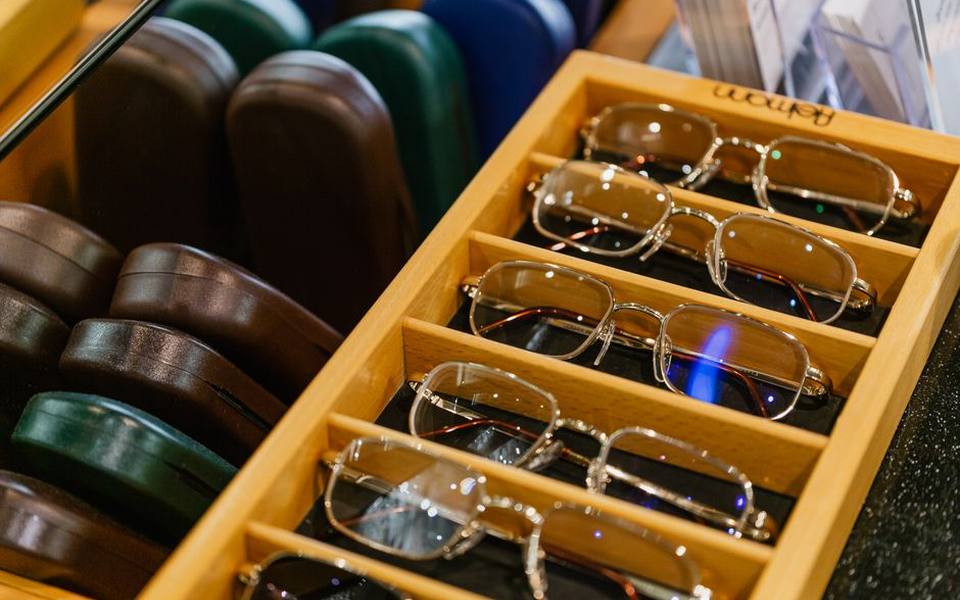
National outdoor outfitter megastores take a very different approach, dedicating extensive counter space to sporting optics across every budget bracket. These retail environments allow prospective buyers to look through various spotting scopes and binoculars under simulated lighting or through open showroom windows. Being able to compare eye relief, edge distortion, and color clarity side-by-side between competing models helps buyers make informed choices tailored to their specific eyesight and facial anatomy before spending their money.
Massive online marketplaces offer vast catalogs and rapid delivery, but they carry distinct pitfalls regarding counterfeit products and unauthorized third-party merchants. Gray-market optics imported outside official distribution channels frequently lack factory warranty protection, leaving buyers stranded if internal seals fail or alignment shifts. When ordering online, always verify that the merchant is an authorized distributor for the brand, review return policies thoroughly, and inspect factory seals upon arrival to confirm authenticity.
Hands-On Evaluation and Professional Mounting Considerations
Before finalizing any optical purchase or mounting system, hands-on evaluation remains the most dependable way to confirm compatibility with your shooting discipline. Check how naturally your eye aligns with the optical axis and ensure that wearing prescription glasses or shooting glasses does not introduce severe optical tunnel vision. If testing binoculars, confirm that the interpupillary distance adjustment closes down or spreads wide enough to comfortably match the width of your eyes without double imaging.
Properly mounting dedicated prism scopes or tactical spotters to rifle platforms requires mechanical precision to prevent damage to internal prism clusters and tube structures. Overtightening mounting rings or rail screws can warp internal housing tolerances, leading to reticle cant or optical distortion. Working alongside certified local gunsmiths ensures that bases, cantilever mounts, and rings are aligned, torqued to exact inch-pound specifications, and leveled against the receiver plane.
Finally, always assess the optical equipment under realistic ambient conditions whenever possible. Bright retail showroom lighting masks optical deficiencies, glare susceptibility, and internal reflections that become painfully obvious under harsh midday sunshine or fading evening twilight. Inspecting optics across distant outdoor focal planes provides an accurate assessment of edge-to-edge resolution, field depth, and optical fidelity before you head out into field or match environments.
Published 2026-09-21 · reviewed with each rebuild, last September 2026.
Find gun stores near you
The directory lists 12,328 gun stores by state and city — pick your state or use the “Near me” button in the header.
More guides
-
 Buying
Night Vision, Caliber Choices, and Hearing Protection: The Practical Buyer Guide
-
 Owning
Muzzle Brakes vs Pistol Compensators: Mechanics, Tuning, and Ownership Costs
-
 Owning
Where to Get Fingerprints for Gun Permits, Hearing Gear, and Range Prep
-
 Owning
How to Remove Rust from a Gun Safely Without Damaging the Finish
-
 Buying
Choosing a Skeet Shotgun: Balance, Gauges, and Barrel Specs
-
 Safety
Stun Guns, Tasers, and Protective Range Gear: Practical Buyer's Guide
-
 Buying
Choosing Practical Firearms for Home Defense and Daily Carry
-
 Buying
FFL Transfer Fees and Process Explained: What to Expect at the Counter
-
 Service
Fingerprinting Services, IdentoGO, and FBI Background Checks: The Complete Guide
-
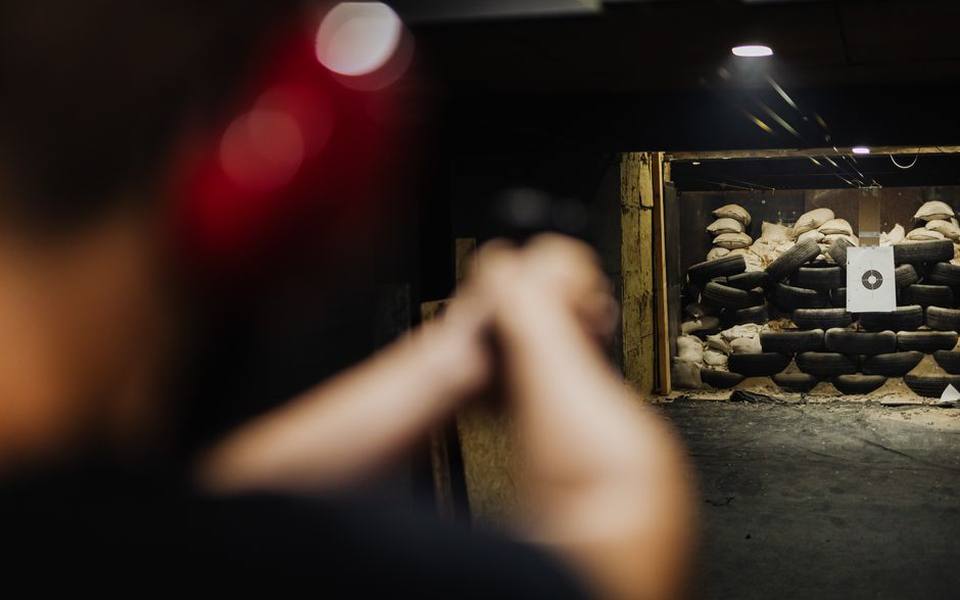 Safety
Indoor and Outdoor Shooting Ranges: Etiquette, Rules, and Memberships
-
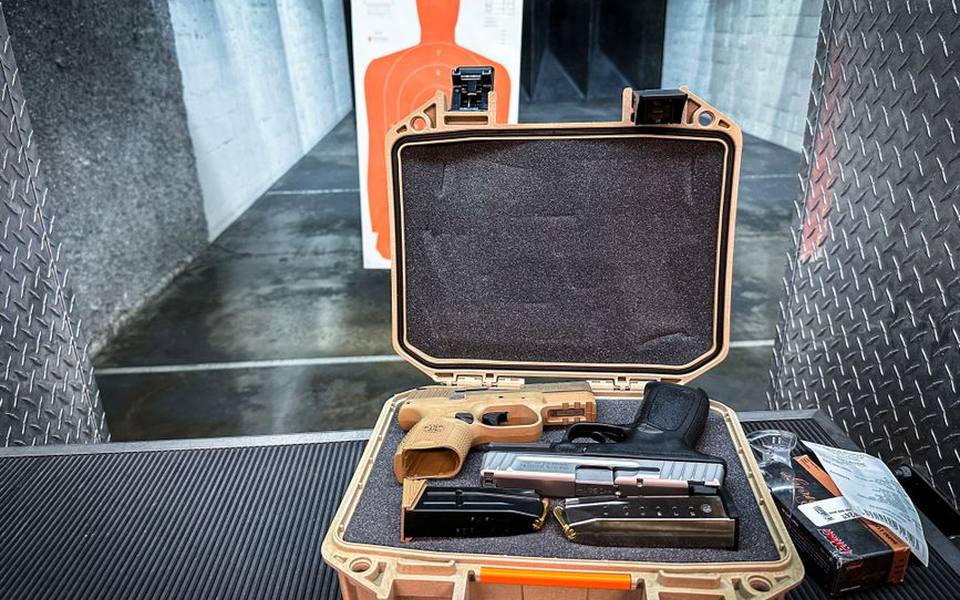 Storage
Gun Safes and Fireproof Storage: Biometric Safes, Cabinets, and Dehumidifiers
-
 Safety
Body Armor and Ballistic Plates: Threat Levels, Plate Materials, and Carrier Sizing
-
 Safety
Shooting Hearing Protection: Electronic Earmuffs, Custom Earplugs, and Noise Reduction
-
 Owning
Shooting Targets, Clay Throwers, and Range Rests Guide
-
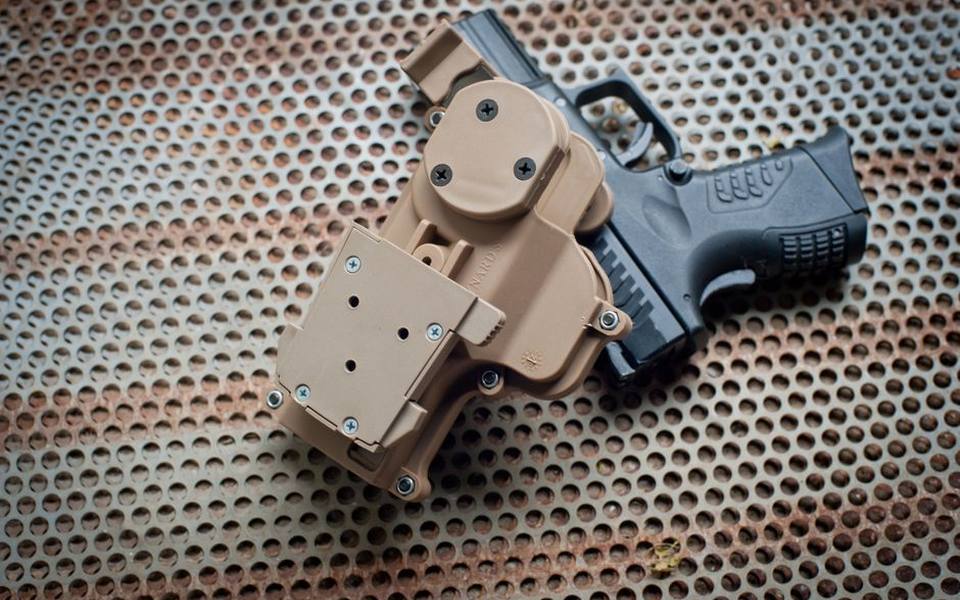 Owning
Concealed Carry Holsters: Kydex, Leather, IWB, OWB, and Specialized Rigs
-
 Owning
Rifle and Shotgun Slings: Single-Point, Two-Point, and Mounting Hardware
-
 Owning
Everyday Carry and Tactical Accessories: Range Bags, Gun Locks, and Practical Gear
-
 Owning
Gun Cleaning Kits and Maintenance: Cleaners, Oils, and Solvents
-
Safety
Everyday and Noise Reduction Earplugs: A Practical Comparison Guide
-
 Safety
Firearm Safety Rules, Concealed Carry Courses, and Tactical Shooter Training
-
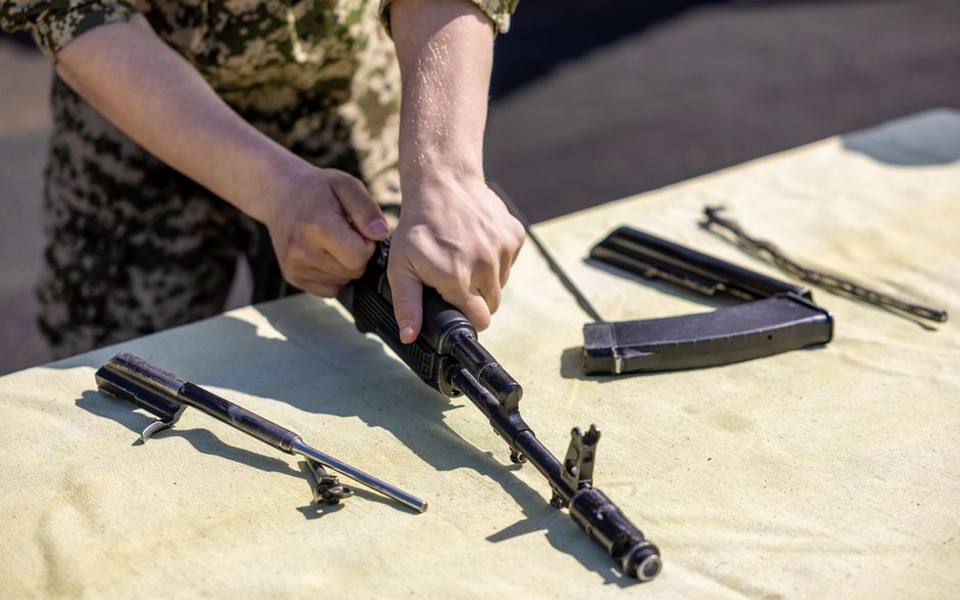 Service
Rifle Customization, Caliber Selection, and Bench Work: A Guide to Practical Gunsmithing and Reloading
-
 Safety
Shooting and Hearing Protection: Guide to Earmuffs, Plugs, and Electronic Defenders
-
 Safety
Active Shooter Response, Tactical Handgun Courses, and Firearm Safety Training Guide
-
 Buying
Night Vision Optics and Spotting Scopes Buyer's Guide
-
 Buying
Firearm Valuation, Appraisal, and Used Buying Guide
-
Safety
Layering Personal Defense: Less-Lethal Tools, Purpose-Built Firearms, and Medical Gear
-
 Buying
Hunting Ammunition, Calibers & Reloading Supplies Guide
-
 Owning
Concealed Carry Reciprocity, Licensing Basics, and Buying Regulations Explained
-
 Service
Custom Gunsmithing, Barrel Modifications, and AR-15 Upgrades Guide
-
 Owning
Target Shooting & Clay Sports Guide: Air Rifles, Ranges & Eye Protection
-
Storage
Essential Firearm Storage, Cases, Recoil Pads, and Rig Systems
-
 Safety
The Ultimate Guide to Shooting Hearing Protection and Electronic Earmuffs
-
 Owning
Dry Fire Training Systems, Timers, and At-Home Practice Routines
-
 Owning
State Firearm Rules, Training Courses, and Range Guidelines
-
Owning
Essential Tactical Gear, EDC Equipment, Shooting Gloves, and Range Bags
-
 Owning
Everyday Carry Holsters and Wearable Gear: A Practical Selection Guide
-
 Owning
Firearm Upgrades and Tuning: Gas Blocks, Sights, and Mounts
-
 Owning
CCW Permits, Licensing Laws, and Background Check Fingerprinting Guide
-
 Storage
Firearm Safes and Secure Storage: Humidity Control, Security Standards, and Storage Solutions