Assessing Rust and Protecting Factory Finishes
Removing surface rust from a firearm requires a gentle approach because traditional gun bluing is technically a controlled form of black iron oxide. When red rust forms, it represents active corrosion feeding on unprotected metal, often triggered by humidity, finger oils, or damp storage cases. Aggressive scrubbing or dipping a rusted barrel into standard household rust-dissolving chemicals will instantly strip bluing down to bare steel, turning a localized spot into an expensive refinishing project. The goal is always to lift active red rust while preserving the underlying factory finish beneath it.
Before touching any tool to metal, verify whether you are dealing with superficial freckling or structural pitting. Light freckling appears as a reddish-brown dusting across the steel and can usually be lifted completely with patience and oil. Pitting, however, indicates that moisture has carved craters into the metal surface. While surface oxidation inside small pits can still be cleaned away, the metal loss itself remains permanent unless an experienced metalworker reprofiles and refinishes the component.
Always begin by thoroughly clearing the firearm, removing all ammunition from the workspace, and taking down the action according to manufacturer guidelines. Isolating the affected metal parts from wood stocks or polymer grips prevents accidental chemical staining or solvent damage. Lay your components on a clean work mat with good overhead lighting so you can inspect every square inch before starting the restoration process.
Lifting Surface Oxidation with Oil and Soft Metals
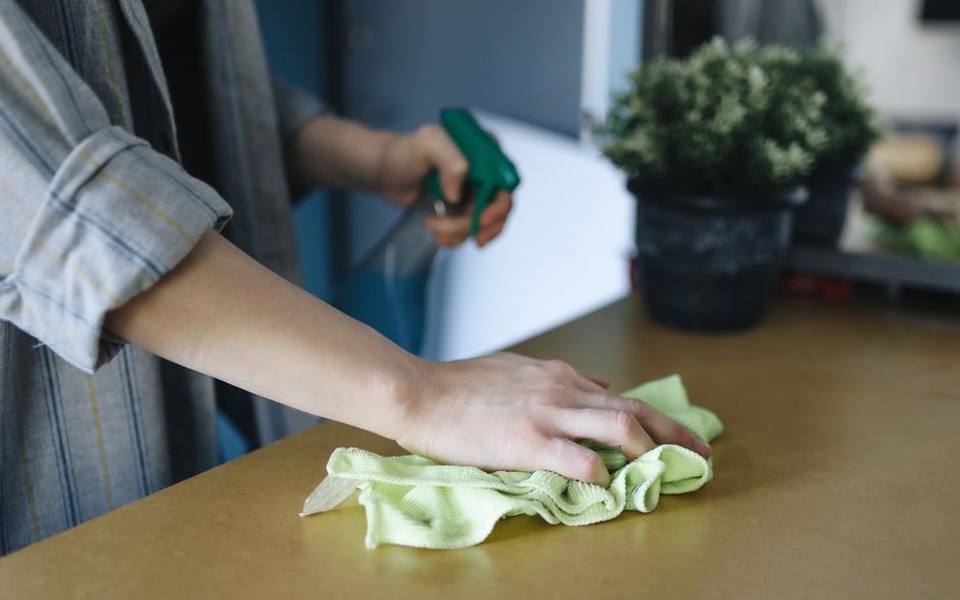
The safest starting method for lifting light rust involves soaking the affected area in dedicated gun oil or high-creep penetrating lubricant. Apply a generous layer over the rust spots and let it penetrate for several hours, or even overnight if the rust has hardened. As the oil seeps beneath the dried oxidation, it loosens the mechanical bond between the corrosion and the intact metal beneath. Often, wiping firmly with a cotton rag or microfiber cloth after soaking will wipe away light surface haze entirely without abrasive pressure.
When a cloth alone does not lift the oxidation, introduce a metal that is softer than gun steel but harder than rust. Ultra-fine bronze wool or pure copper wool, lubricated with generous amounts of gun oil, acts as a self-limiting abrasive. Unlike standard kitchen steel wool, bronze and copper will shear away brittle red iron oxide without cutting through cured bluing or gouging hardened barrel steel. Keep the working surface wet with oil throughout the entire process to flush away dislodged particles before they can scratch adjacent areas.
For small, stubborn spots, an older solid copper penny minted before 1982 makes an exceptional scraping tool. Older pennies consist almost entirely of soft copper, allowing you to use the coin's rounded rim like a miniature chisel. Press the edge against the rust spot at a shallow angle while keeping the area soaked in oil, gently flaking off the raised corrosion. Once the oxidation breaks free, wipe the slurry away and evaluate the steel under direct light to ensure no scratching has occurred.
Chemical Considerations and Rust Converters
Shooters often wonder whether modern chemical sprays can replace manual scrubbing when cleaning up neglected firearms. The reality depends heavily on the specific coating applied to your gun. Modern polymer coatings, modern nitride treatments, and rugged stainless steel alloys can tolerate certain non-acidic solvent treatments that would ruin a vintage blued revolver. If you are dealing with stainless steel that has developed brown corrosion from road salt or damp holsters, specialized metal polishes can restore the finish safely.
For blued or color-case-hardened components, chemical rust converters should be avoided entirely. These products convert iron oxide into iron phosphate, leaving a chalky black or gray residue that permanently alters the appearance of traditional collector-grade firearms. If mechanical friction with bronze wool and penetrating oil does not lift the spots, switching to harsher chemicals generally causes far more aesthetic harm than good. Preserving originality is especially critical if you ever plan to browse used gun stores to trade or consign your firearm later.
After successfully removing the rust, degrease the cleaned surface with an evaporating cleaner and inspect the raw metal left behind. If small flecks of bare silver steel show through where rust ate away the bluing, you can apply a cold bluing touch-up solution with a cotton swab to blend the exposed metal with the surrounding area. Finish the job by applying a high-quality barrier oil, microcrystalline wax, or corrosion-inhibiting film to seal the porous surface against future atmospheric moisture.
When Corrosion Requires a Professional Gunsmith
While minor surface freckling is a straightforward weekend chore, deep corrosion inside critical mechanisms requires professional evaluation. If rust has penetrated deep into the bore, around the chamber, or across locking lugs, firing high-pressure ammunition can become dangerous. Rust inside the rifling degrades accuracy significantly and can cause jacket fouling to build up unevenly, creating severe pressure spikes over time.
Corrosion inside internal fire-control groups also presents significant safety hazards. Springs weakened by oxidation can lose their temper or snap unexpectedly, while rusted sears may fail to catch the hammer securely, risking unexpected discharges. If a neglected firearm feels gritty during cocking, or if you notice rust flaking out from inside the receiver frame, a complete ultrasonic cleaning and mechanical inspection by a licensed gunsmith is the most prudent path forward.
A gunsmith can also discuss restoration options if the original finish is beyond conservative repair. Technicians can bead-blast away stubborn pitting, polish flats back to true geometric planes, and apply fresh hot-dip bluing, Parkerizing, or durable ceramic coatings. Having a professional assess the structural integrity of thin barrel walls ensures that the firearm remains safe to shoot for generations to come.
Hearing Protection: In-Ear Options for the Firing Line
Protecting your hearing is just as important as maintaining your firearm steel, yet shooters often overlook the technical differences between earplug styles. Gunshot noise regularly exceeds 140 to 165 decibels, a level that causes instantaneous, permanent damage to unprotected ears. When looking for the best in-ear hearing protection for shooting, you must evaluate both passive decibel reduction and electronic compression capabilities, especially for indoor ranges where concussive sound waves reverberate off walls.
Passive foam plugs remain an affordable staple, but proper insertion is vital; they must be rolled thin and seated deeply into the canal to achieve their laboratory noise reduction ratings. For frequent shooters, molded silicone plugs or multi-flanged rubber earplugs provide consistent depth and seal without deteriorating throughout a long training session. High-end passive shooting plugs sometimes incorporate mechanical acoustic valves that let ambient conversation pass through while slamming shut against sharp acoustic impulses.
Electronic in-ear hearing protection represents the top tier of range comfort and situational awareness. These compact devices use sensitive micro-microphones to amplify quiet environmental sounds like range commands or footsteps while using digital processors to instantly suppress gunshot blasts. They avoid the bulk of traditional earmuffs, preventing cheek-weld interference when shooting scoped rifles or compact shotguns.
Shooting Plugs Versus High-Fidelity Music Earplugs
A common question among shooters who also enjoy live entertainment is whether the best earplugs for raves and music festivals can double as range ear protection. While both styles protect delicate auditory nerves, their internal acoustic engineering addresses entirely different sound profiles. Understanding this difference prevents dangerous mistakes on the firing line.
The best rave earplugs are designed around high-fidelity acoustic attenuation filters. Their goal is not maximum sound blockage, but rather an even, flat reduction across all sound frequencies typically between 12 and 20 decibels. This allows festival attendees to hear crisp vocals, balanced treble, and punchy bass without the muffled distortion caused by solid foam plugs, keeping music safe from prolonged exposure around 95 to 105 decibels.
In contrast, firearms produce sudden ballistic impulse noise that can easily exceed 150 decibels at the shooter's ear. High-fidelity music plugs allow far too much concussive acoustic energy through their open acoustic channels, leaving your inner ear vulnerable to acoustic trauma during live-fire practice. Never substitute music earplugs for rated shooting ear protection; reserve concert filters for music venues and rely on heavy-duty NRR-rated ballistic plugs or over-ear muffs when handling firearms.
Optics Overview: Understanding the LPVO Scope
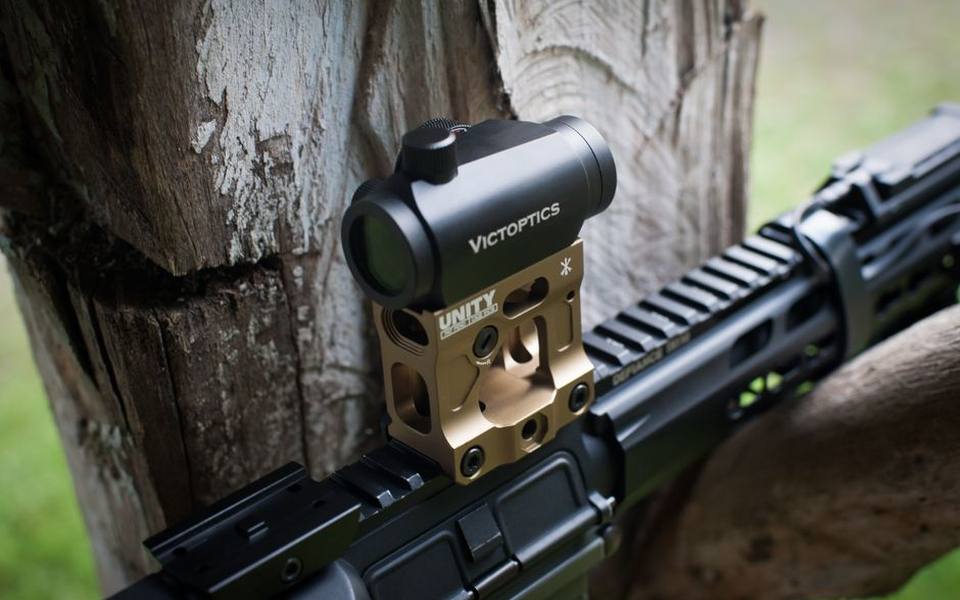
Once your firearm is clean and safely protected, setting up an effective sighting system is the next priority for modern rifles. One of the most common questions from shooters upgrading defensive or sporting rifles is what an LPVO scope actually offers. A Low-Power Variable Optic typically features a true 1x magnification setting on the low end that dials up to 4x, 6x, 8x, or even 10x magnification on the high end.
The true 1x setting on a quality LPVO operates very similarly to an unmagnified red dot sight. With both eyes open, the shooter gains rapid target acquisition in close-quarters environments without tunnel vision or disorientation. When extended distance or positive target identification is needed, a quick sweep of the magnification throw lever brings distant targets into sharp focus, making LPVOs exceptionally versatile across multiple shooting disciplines.
Choosing between first focal plane (FFP) and second focal plane (SFP) is the primary decision when purchasing an LPVO. In an FFP scope, the reticle scales in size along with the magnification, ensuring that holdover hashmarks remain accurate at any zoom level. SFP models keep the reticle at a constant size, offering a clean, simple sight picture at low magnification, with bullet-drop indicators calibrated exclusively for the optic's maximum magnification setting.
Sourcing Accessories and Upgrades for Modern Rifles
Customizing a modern sporting rifle often leads owners to explore dozens of component suppliers, tactical gear outlets, and specialized online retailers. When searching for the best accessories website or local distributor, prioritize vendors that maintain transparent inventory tracking, authentic manufacturer warranties, and clearly stated return policies. The market contains an overwhelming number of airsoft-grade clones and counterfeit parts that look identical to duty-rated components in photos but fail rapidly under live-fire recoil.
Quality retailers typically focus on reputable American and European manufacturing standards, stocking recognized brands for critical components like free-float handguards, tool-steel bolt carrier groups, adjustable gas blocks, and ambidextrous charging handles. Avoid obscure storefronts that offer extreme discounts on high-ticket optical mounts or critical small parts, as out-of-spec dimensions can cause feeding failures or dangerous headspacing problems.
Local firearm dealers and independent regional shops across licensed dealers across the country often stock high-turnover accessory essentials such as quality magazines, slings, weapon lights, and mounting hardware. Visiting a local counter allows you to test handguard ergonomics and inspect optic reticle clarity in person before committing your budget to an upgrade build.
Low-Cost Training Alternatives and Airgun Pricing
Maintaining marksmanship fundamentals does not always require burning expensive centerfire ammunition at commercial ranges. Many shooters integrate airguns and pneumatic training tools into their practice routines to work on trigger control, breath timing, and natural point of aim in small home spaces. Knowing how much airguns cost helps you budget appropriately for realistic practice tools.

Entry-level youth spring-piston BB guns typically range from modest prices around thirty to sixty dollars, offering simple plinking fun with low velocity and basic lever cocking mechanisms. Moving up to adult-sized multi-pump pneumatics and break-barrel pellet rifles, prices typically sit between seventy-five and two hundred dollars. These mid-tier models offer rifled steel barrels, higher velocities, and enough mechanical consistency to mimic the trigger squeeze and sight picture of sporting rifles.
At the high end, modern pre-charged pneumatic (PCP) air rifles and high-fidelity training replicas can range anywhere from three hundred to well over a thousand dollars depending on their air capacity and regulatory valves. These advanced systems shoot with match-grade accuracy and feature identical manual controls, rail interfaces, and stock geometries to centerfire tactical rifles, making them exceptional low-noise training platforms for dedicated shooters.
Concealed Carry Permitting and Fingerprinting Expenses
Stepping into responsible personal defense frequently involves legal paperwork, background verification, and formal training requirements. Prospective applicants frequently ask whether they can get a concealed carry permit online. The answer depends entirely on your jurisdiction: while some states allow applicants to complete the classroom lecture portion online, most states mandate an in-person live-fire qualification with an instructor before processing an official application.
A key step in the application process involves official biometric background checks through state police bureaus or the FBI. The cost of fingerprinting generally includes two separate components: the fee charged by the fingerprinting technician and the statutory background check processing fee. Live Scan digital fingerprinting costs typically run between fifteen and forty dollars for the electronic rolling service itself, while state agency processing fees usually add another thirty to seventy dollars on top of that depending on state laws.
Scheduling your fingerprint appointment through local sheriff departments or approved third-party digital enrollment centers is typically required. Be sure to confirm whether your local licensing agency accepts third-party Live Scan printouts or requires fingerprints taken directly on official agency hardware. Budgeting properly for these procedural expenses ensures smooth processing as you navigate state carry permitting regulations.
Published 2026-09-20 · reviewed with each rebuild, last September 2026.
Find gun stores near you
The directory lists 12,328 gun stores by state and city — pick your state or use the “Near me” button in the header.
More guides
-
 Buying
Night Vision, Caliber Choices, and Hearing Protection: The Practical Buyer Guide
-
 Owning
Muzzle Brakes vs Pistol Compensators: Mechanics, Tuning, and Ownership Costs
-
 Owning
Where to Get Fingerprints for Gun Permits, Hearing Gear, and Range Prep
-
 Buying
Choosing a Skeet Shotgun: Balance, Gauges, and Barrel Specs
-
 Safety
Stun Guns, Tasers, and Protective Range Gear: Practical Buyer's Guide
-
 Buying
Choosing Practical Firearms for Home Defense and Daily Carry
-
 Buying
FFL Transfer Fees and Process Explained: What to Expect at the Counter
-
 Service
Fingerprinting Services, IdentoGO, and FBI Background Checks: The Complete Guide
-
 Safety
Indoor and Outdoor Shooting Ranges: Etiquette, Rules, and Memberships
-
 Storage
Gun Safes and Fireproof Storage: Biometric Safes, Cabinets, and Dehumidifiers
-
 Safety
Body Armor and Ballistic Plates: Threat Levels, Plate Materials, and Carrier Sizing
-
 Safety
Shooting Hearing Protection: Electronic Earmuffs, Custom Earplugs, and Noise Reduction
-
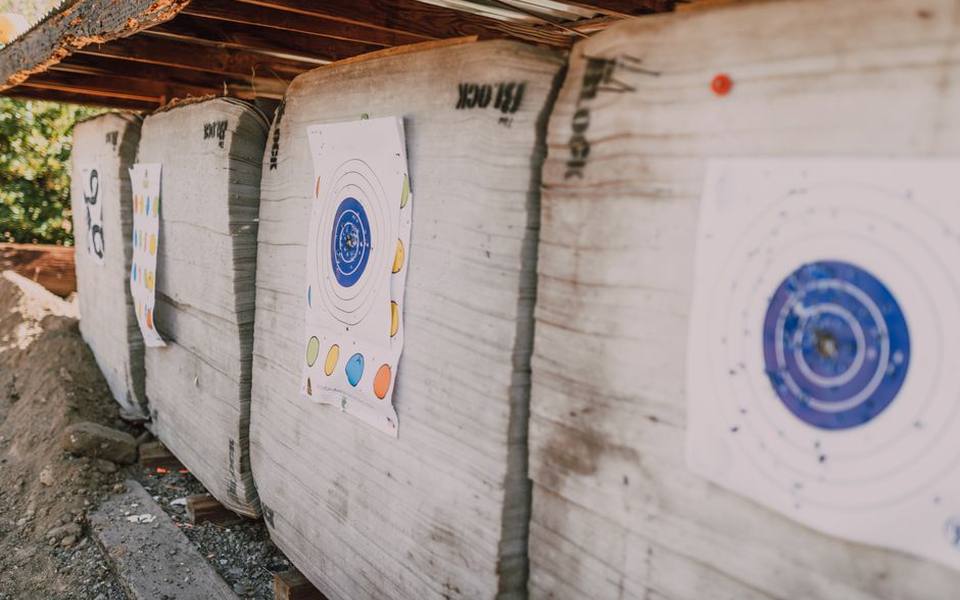 Owning
Shooting Targets, Clay Throwers, and Range Rests Guide
-
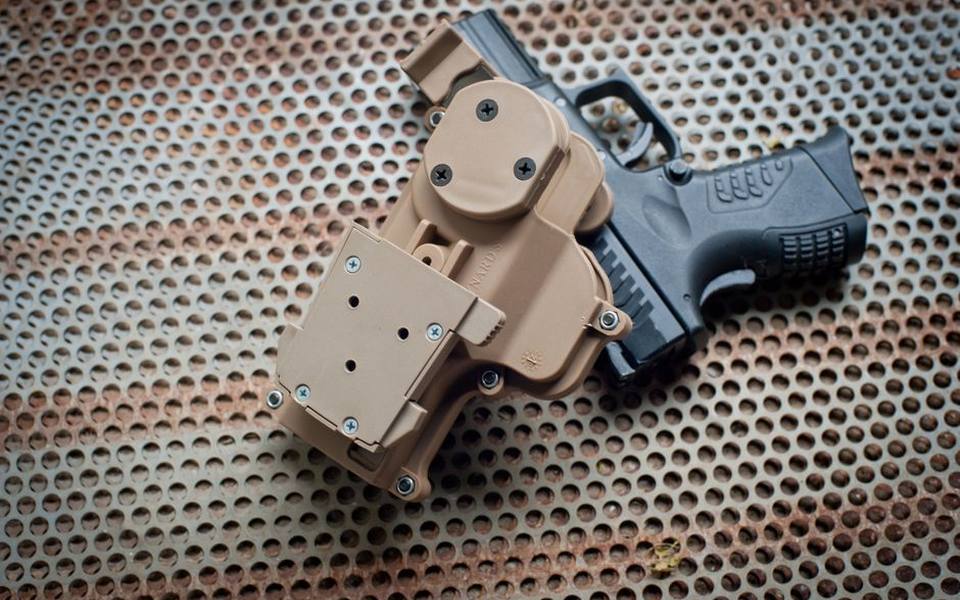 Owning
Concealed Carry Holsters: Kydex, Leather, IWB, OWB, and Specialized Rigs
-
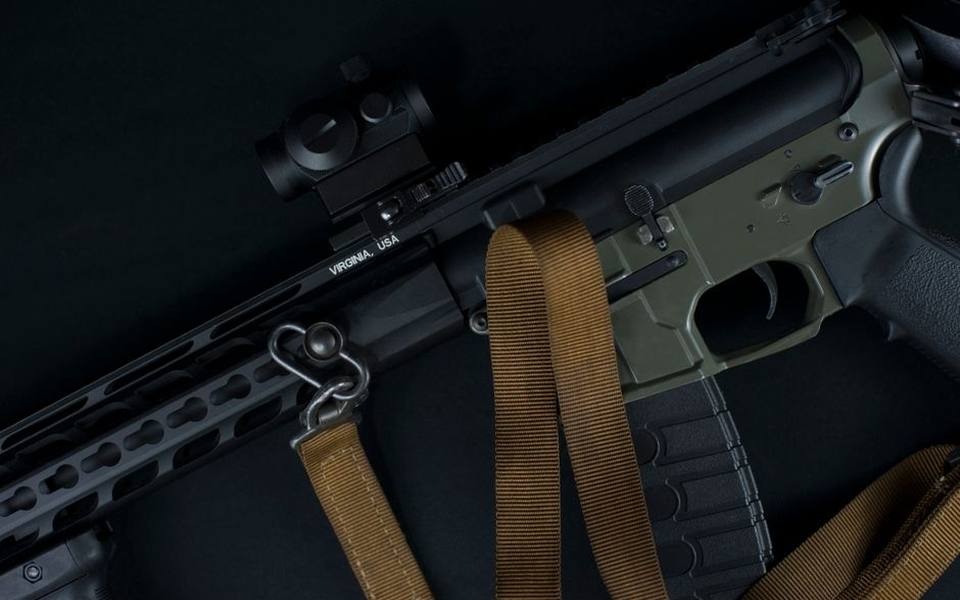 Owning
Rifle and Shotgun Slings: Single-Point, Two-Point, and Mounting Hardware
-
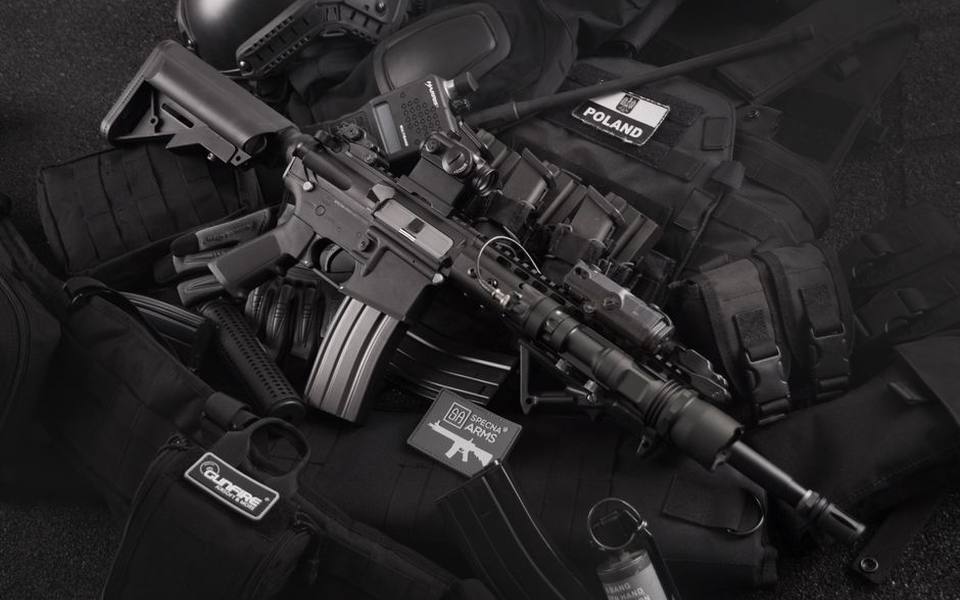 Owning
Everyday Carry and Tactical Accessories: Range Bags, Gun Locks, and Practical Gear
-
 Owning
Gun Cleaning Kits and Maintenance: Cleaners, Oils, and Solvents
-
Safety
Everyday and Noise Reduction Earplugs: A Practical Comparison Guide
-
 Safety
Firearm Safety Rules, Concealed Carry Courses, and Tactical Shooter Training
-
 Service
Rifle Customization, Caliber Selection, and Bench Work: A Guide to Practical Gunsmithing and Reloading
-
 Safety
Shooting and Hearing Protection: Guide to Earmuffs, Plugs, and Electronic Defenders
-
 Buying
Choosing Spotting Scopes, Binoculars, and Specialized Night Optics
-
 Safety
Active Shooter Response, Tactical Handgun Courses, and Firearm Safety Training Guide
-
 Buying
Night Vision Optics and Spotting Scopes Buyer's Guide
-
 Buying
Firearm Valuation, Appraisal, and Used Buying Guide
-
Safety
Layering Personal Defense: Less-Lethal Tools, Purpose-Built Firearms, and Medical Gear
-
 Buying
Hunting Ammunition, Calibers & Reloading Supplies Guide
-
 Owning
Concealed Carry Reciprocity, Licensing Basics, and Buying Regulations Explained
-
 Service
Custom Gunsmithing, Barrel Modifications, and AR-15 Upgrades Guide
-
 Owning
Target Shooting & Clay Sports Guide: Air Rifles, Ranges & Eye Protection
-
Storage
Essential Firearm Storage, Cases, Recoil Pads, and Rig Systems
-
 Safety
The Ultimate Guide to Shooting Hearing Protection and Electronic Earmuffs
-
 Owning
Dry Fire Training Systems, Timers, and At-Home Practice Routines
-
 Owning
State Firearm Rules, Training Courses, and Range Guidelines
-
Owning
Essential Tactical Gear, EDC Equipment, Shooting Gloves, and Range Bags
-
 Owning
Everyday Carry Holsters and Wearable Gear: A Practical Selection Guide
-
 Owning
Firearm Upgrades and Tuning: Gas Blocks, Sights, and Mounts
-
 Owning
CCW Permits, Licensing Laws, and Background Check Fingerprinting Guide
-
 Storage
Firearm Safes and Secure Storage: Humidity Control, Security Standards, and Storage Solutions