Understanding Modern Ballistic Protection and Armor Mechanics
Modern ballistic protection works by distributing the concentrated kinetic energy of a projectile across a broader surface area while deforming or fragmenting the bullet. Instead of acting as an impenetrable wall, defensive armor catches or blunts the incoming projectile, slowing it down within fractions of a second so that it cannot penetrate vital tissue. While no armor is completely bulletproof under every circumstance, quality systems dramatically reduce the likelihood of fatal trauma from the specific ammunition classes they are built to defeat.
Armor systems generally fall into two broad formats: flexible soft armor and rigid hard plates. Soft armor relies on tightly woven synthetic fabrics that snag the spinning projectile like a tennis net catching a ball, flattening the bullet and dispersing energy across multiple layered sheets. Rigid ballistic plates, by contrast, rely on hard structural materials like hardened ceramics, metallic alloys, or compressed polymers to shatter or capture high-velocity rifle projectiles that would easily cut through flexible fabric.
Choosing between soft inserts and rigid plates depends entirely on the realistic threats you prepare against. Handgun ammunition delivers significantly lower velocity and energy than centerfire rifle rounds, meaning concealed handgun defense requires far less bulk. When assessing personal defense gear, understanding the distinct operational mechanical differences between stopping handgun rounds and defeating rifle threats forms the foundation of any gear purchase.
Breaking Down Standard Armor Ratings and Threat Levels
In the United States, ballistic standards are primarily defined by the National Institute of Justice (NIJ), which establishes rigorous laboratory testing standards for both soft and hard armor. These standards classify armor into distinct performance tiers based on the specific calibers, bullet weights, and velocities the panels can withstand. Historically labeled under standards like 0101.06 and updated under 0101.07, these tiers allow buyers to match protective equipment directly against realistic defensive scenarios without guessing about terminal ballistic performance.
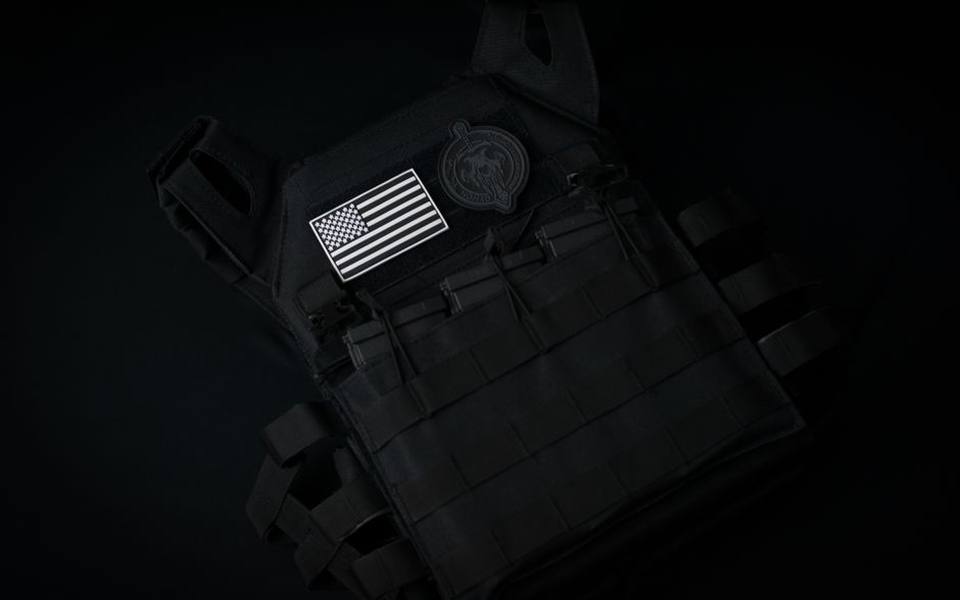
Handgun protection is generally covered by Level II and Level IIIA ratings. Level II panels are typically engineered to stop standard handgun threats such as 9mm full metal jacket and .357 Magnum soft points, offering a thinner profile that works well for deep concealment. Level IIIA represents the upper practical ceiling for flexible soft armor, designed to defeat heavier, faster handgun ammunition including .44 Magnum semi-jacketed hollow points and high-velocity 9mm rounds fired from submachine guns.
Rifle defense begins at Level III and extends to Level IV, shifting the build from woven vests to rigid plates. A standard Level III plate is tested to withstand six impacts of 7.62x51mm NATO full metal jacket rifle ammunition. Higher-tier variants, often referred to colloquially in the market as Level III+ or under newer standard designations like RF2, bridge the gap by addressing common intermediate rifle threats such as 5.56mm M855 penetrator rounds that might defeat older Level III steel formulations.
Understanding these tiers prevents buyers from purchasing excessive weight for light threats or underestimating the energy of rifle calibers. When looking through local retailers across the country using all states listings, you will quickly notice that armor displays are strictly segmented by these NIJ performance designations rather than arbitrary tactical marketing terms.
Soft Body Armor Capabilities for Handgun Defense
Soft body armor remains the primary choice for law enforcement patrol officers, executive security details, and civilians seeking discreet personal defense. Because soft panels use flexible aramid fibers or ultra-high-molecular-weight polyethylene, they can bend naturally around the human torso. This flexibility allows panels to wrap around the ribs and torso sides, providing wraparound lateral coverage that rigid plates simply cannot offer without severely restricting natural physical mobility.
Despite stopping the bullet from entering the body, soft armor transfers a measurable amount of kinetic energy into the wearer. This blunt force impact can cause backface deformation, resulting in severe bruising, cracked ribs, or temporary internal shock. Higher-tier soft armor minimizes this backface signature by utilizing dense fiber weaves and specialized backing foams that disperse blunt force before it strikes bone or soft organs.
Concealability is the strongest advantage of soft systems. A fitted Level II or Level IIIA vest slips underneath a standard button-down shirt or jacket without presenting conspicuous bulk. For individuals who prioritize all-day comfort, continuous wearability in warm climates, and protection against common street calibers, soft armor provides an accessible compromise between ballistic coverage and practical ergonomic freedom.
The Transition to Rigid Rifle Plates
When centerfire rifle defense is necessary, flexible fabrics are no longer sufficient. High-velocity rifle rounds travel at speeds often exceeding 2,500 to 3,000 feet per second, concentrating enough energy on a narrow point to separate fabric fibers and pass straight through standard soft armor. Defeating these threats requires hard ballistic plates that physically disrupt the bullet core upon contact.
Hard plates operate by presenting an unyielding surface that fractures or flattens the projectile instantly. The core absorbs the initial shock wave, while secondary backing layers catch the remaining fragments and arrest residual velocity. Because plates are stiff and flat or curved along fixed radii, they cannot contour fully around the torso, meaning they are worn over the upper chest and back in dedicated plate carrier vests.
The trade-off for rifle defense is weight and bulk. While a soft vest might distribute two to four pounds over a large surface area, a pair of hard plates typically adds anywhere from eight to sixteen pounds to your shoulders. Preparing for rifle threats requires understanding not just ballistic resistance, but how carrying rigid plates affects your posture, balance, and physical endurance during movement.
Level IV Ceramic Plates and Maximum Threat Mitigation
For maximum threat reduction, Level IV body armor plates represent the highest standard civilian-accessible rating defined by the NIJ. A Level IV plate is formally tested to defeat at least one direct impact from an armor-piercing rifle cartridge, specifically the .30-06 M2 Armor-Piercing round moving at approximately 2,880 feet per second. In practical terms, this means Level IV plates can easily handle common military surplus ammunition, high-power hunting calibers, and hardened steel-core penetrators.
The construction of a Level IV plate almost universally relies on an advanced ceramic strike face backed by composite backing laminates. Materials such as silicon carbide, boron carbide, or aluminum oxide break up the hardened steel or tungsten penetrator tip of an armor-piercing projectile. As the ceramic shatters locally around the impact area, it erodes the bullet tip, allowing the ductile backing layer of woven aramid or polyethylene to catch the remaining pulverized fragments.
Buyers must understand that Level IV plates are fundamentally designed as single-impact or limited-impact solutions against heavy armor-piercing projectiles. The ceramic material cracks intentionally upon impact to disperse energy, meaning an edge-to-edge structural failure can weaken that specific zone against immediate follow-up shots. Inspecting plate specs and understanding whether a plate is rated standalone or requires soft armor backing is essential before finalizing your defensive setup.
Material Trade-Offs: Steel, Ceramic, and Polyethylene
Choosing hard armor plates involves balancing durability, weight, thickness, and fragment mitigation across three main material classes: steel, ceramic, and ultra-high-molecular-weight polyethylene (UHMWPE). Each material brings substantial mechanical advantages alongside distinct vulnerabilities that make careful evaluation critical before spending money on tactical protective gear.
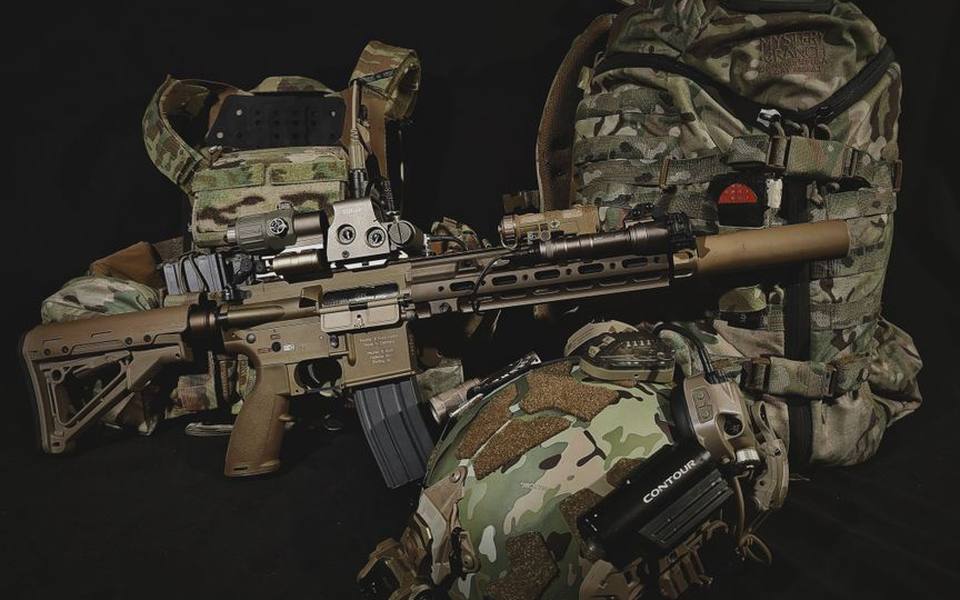
Steel plates, commonly cut from hardened AR500 or AR550 alloys, are popular because they are inexpensive, rugged, and theoretically capable of stopping multiple hits without cracking. However, steel poses a severe hazard known as spalling or bullet fragmentation. When a high-velocity bullet strikes unyielding steel, it shatters into razor-sharp copper and lead fragments that deflect outward at high speed into the wearer's neck, chin, arms, or groin unless a high-quality build-up frag coating is applied.
Pure polyethylene plates offer an ultralight alternative, often weighing under four pounds per plate while stopping standard lead-core rifle rounds. Polyethylene works by friction-melting against the spinning projectile, trapping it within layers of compressed plastic. The limitation of pure polyethylene is its vulnerability to mild steel or hardened penetrators; common rounds like 5.56mm M855 punch clean through pure UHMWPE plates, requiring a hybrid ceramic cap to defeat mixed threats.
Ceramic composites strike the middle ground favored by modern military and law enforcement agencies. While thicker than bare steel and vulnerable to physical cracking if dropped repeatedly on concrete, ceramic plates manage energy exceptionally well and capture bullet fragments within the strike face. When sourcing protective equipment through regional retailers like gun stores in Pennsylvania or nearby sporting dealers, you will find composite ceramics dominating the premium defensive shelf space.
Carrier Selection and Anatomical Plate Placement
A common mistake among first-time armor buyers is selecting plate carriers based on their everyday clothing size. Body armor is not sized to cover your waistline; it is sized exclusively to shield your cardiac box and vital vascular structures. The top of the front plate should sit directly at the sternal notch—the soft dip at the base of your throat—while the bottom edge should rest roughly two to three inches above your belly button when standing.
If a plate sits too low, your aorta and upper lung tissue are left unprotected; if it sits too high or is excessively large, you will be unable to sit down, bend over, or shoulder a defensive long gun cleanly. For the majority of adults, a standard medium SAPI-cut plate measuring roughly 9.5 by 12.5 inches covers the heart, major blood vessels, and pulmonary core without protruding past the pectoral muscles.
Your tactical vest carrier should feature adjustable shoulder straps, a rigid or elastic cummerbund that pulls the plates snug against your ribs, and heavy-duty bar-tack stitching at high-stress tension points. A loose carrier causes the heavy plates to bounce violently while walking or sprinting, throwing off your center of gravity and causing early muscle fatigue.
Tactical Vest Costumes Compared to Functional Load-Bearing Carriers
A confusing point for many casual shoppers searching online is the proliferation of products labeled as tactical vest costume props or novelty gear. At a distance, an airsoft harness, movie costume prop, or budget Halloween vest can visually resemble an authentic load-bearing plate carrier, often sharing similar camouflage patterns, hook-and-loop swatches, and modular webbing loops.
Underneath the appearance, costume vests are fundamentally unsuitable for defensive use. They are manufactured from thin polyester or low-denier nylon with single-needle decorative stitching. When loaded with genuine ballistic plates weighing ten to fifteen pounds, the shoulder seams on a costume vest will tear almost immediately, and the fabric cannot withstand friction, moisture, or real-world field abrasions.
Genuine tactical plate carriers are built using high-tenacity Cordura nylon, reinforced nylon webbing, and heavy-duty mil-spec stitching designed to carry dense weight through active movement. While shopping through secondary outlets or exploring surplus gear at used gun stores, inspecting the thickness of the fabric, the durability of the seams, and the presence of dedicated internal plate retention straps quickly separates functional defensive gear from lightweight costume props.
Navigating Legal Rules and Local In-Store Availability
Under federal law in the United States, law-abiding citizens are generally permitted to purchase and own personal body armor without a federal permit. However, federal statutes strictly prohibit individuals convicted of violent felonies from purchasing or possessing ballistic armor. Beyond federal standards, individual state regulations introduce critical differences that buyers must verify before placing an order or walking into a shop.
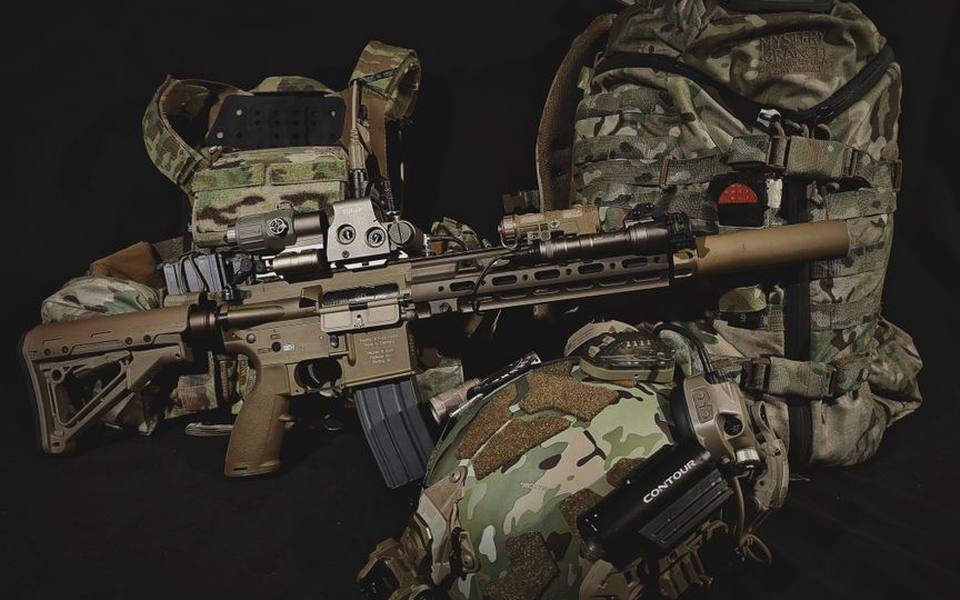
Certain states enforce restrictive purchasing procedures. In New York, for example, state legislation limits the sale of body vest equipment strictly to certified professions, prohibiting retail sales to ordinary private citizens. Other jurisdictions, like Connecticut, mandate that all body armor purchases be completed face-to-face in a physical brick-and-mortar storefront rather than through online shipping.
For residents in states with open purchasing environments, such as visiting gun stores in Texas or shops in nearby southeastern states, buying in person offers a distinct advantage. A local storefront allows you to physically test plate sizes against your chest, evaluate the weight of steel versus ceramic options on your shoulders, and speak with experienced counter staff before investing in personal protective gear.
Storage Conditions, Lifespan, and Surplus Inspection
Ballistic armor does not last indefinitely, although it does not simply expire overnight like food. Most manufacturers provide warranty windows spanning five years for soft armor and ceramic composites, and up to ten or twenty years for steel plates. Over time, exposure to environmental factors like high heat, prolonged moisture, and ultraviolet radiation can degrade the binder materials holding composite fabrics together.
Storing your armor flat in a temperature-controlled closet away from direct sunlight is the best way to maintain its structural integrity. Hanging a heavy carrier loaded with plates on a thin wire hanger is a common mistake that stretches shoulder straps and ruins internal padding. If you must hang your vest, invest in a heavy-duty, reinforced gear hanger rated for fifty pounds or more.
When considering surplus or pre-owned hard plates, proceed with extreme caution. Ceramic plates can develop internal hairline fractures from being dropped on hard surfaces—damage that remains completely invisible from the outside fabric cover. Unless a pre-owned ceramic plate has been verified via non-destructive X-ray inspection, relying on used composite plates carries an inherent gamble that is rarely worth the financial savings.
Published 2026-09-21 · reviewed with each rebuild, last September 2026.
Find gun stores near you
The directory lists 12,328 gun stores by state and city — pick your state or use the “Near me” button in the header.
More guides
-
 Buying
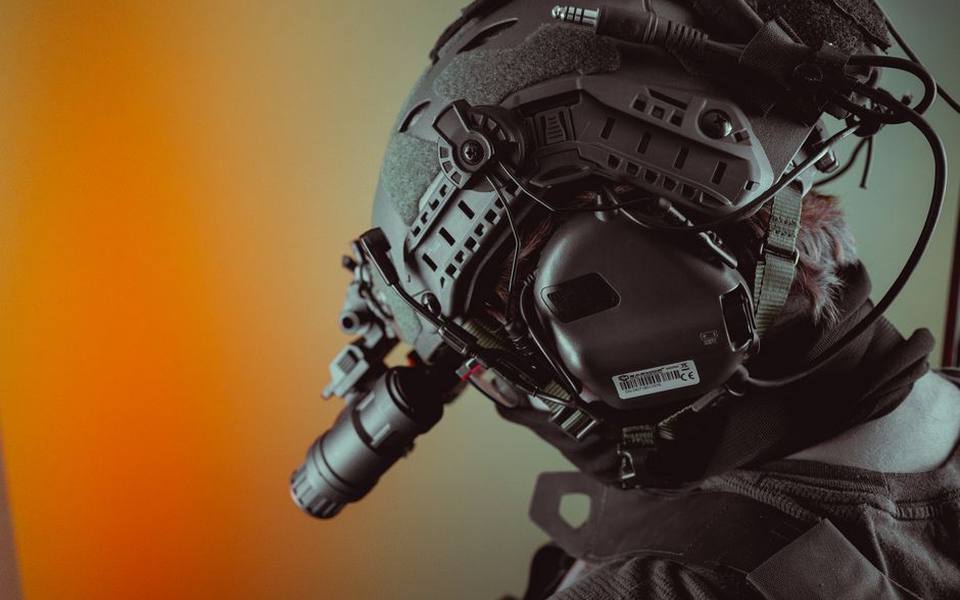
Night Vision, Caliber Choices, and Hearing Protection: The Practical Buyer Guide
-
 Owning
Muzzle Brakes vs Pistol Compensators: Mechanics, Tuning, and Ownership Costs
-
 Owning
Where to Get Fingerprints for Gun Permits, Hearing Gear, and Range Prep
-
 Owning
How to Remove Rust from a Gun Safely Without Damaging the Finish
-
 Buying
Choosing a Skeet Shotgun: Balance, Gauges, and Barrel Specs
-
 Safety
Stun Guns, Tasers, and Protective Range Gear: Practical Buyer's Guide
-
 Buying
Choosing Practical Firearms for Home Defense and Daily Carry
-
 Buying
FFL Transfer Fees and Process Explained: What to Expect at the Counter
-
 Service
Fingerprinting Services, IdentoGO, and FBI Background Checks: The Complete Guide
-
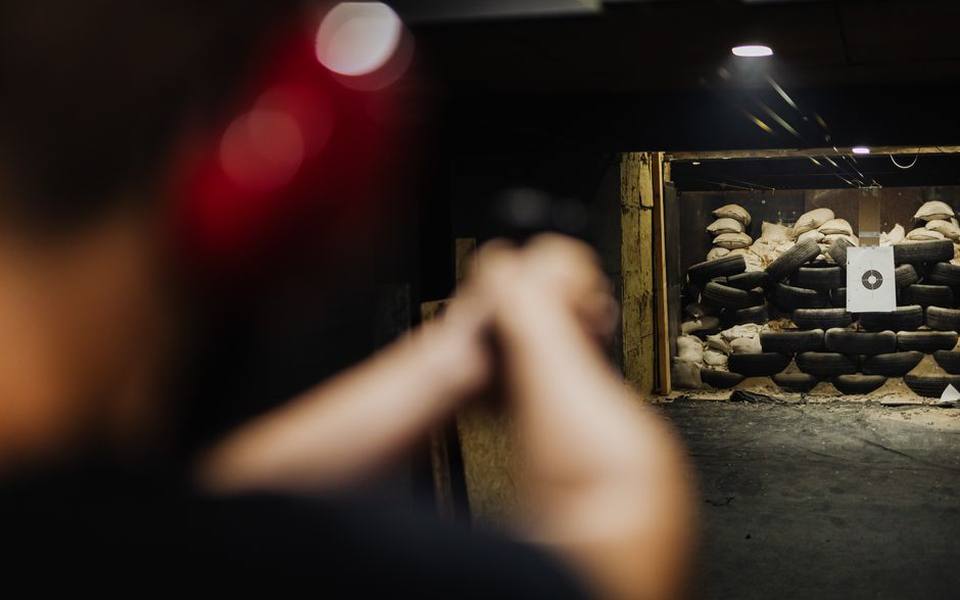 Safety
Indoor and Outdoor Shooting Ranges: Etiquette, Rules, and Memberships
-
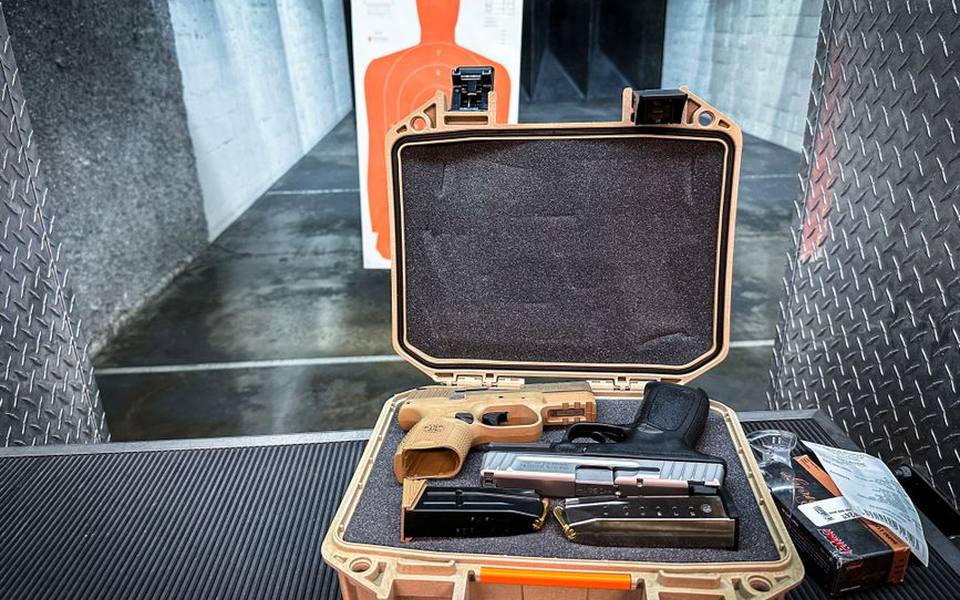 Storage
Gun Safes and Fireproof Storage: Biometric Safes, Cabinets, and Dehumidifiers
-
 Safety
Shooting Hearing Protection: Electronic Earmuffs, Custom Earplugs, and Noise Reduction
-
 Owning
Shooting Targets, Clay Throwers, and Range Rests Guide
-
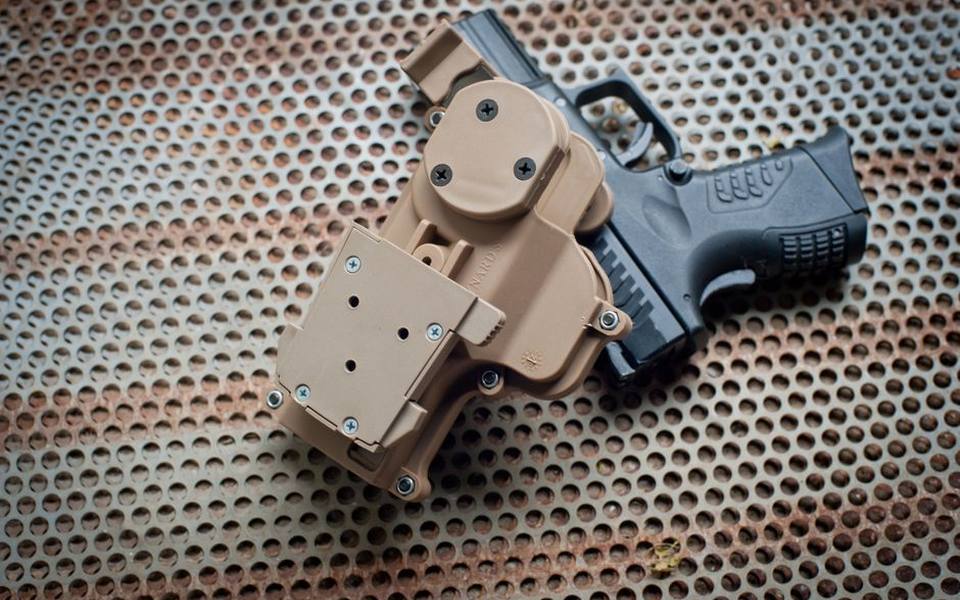 Owning
Concealed Carry Holsters: Kydex, Leather, IWB, OWB, and Specialized Rigs
-
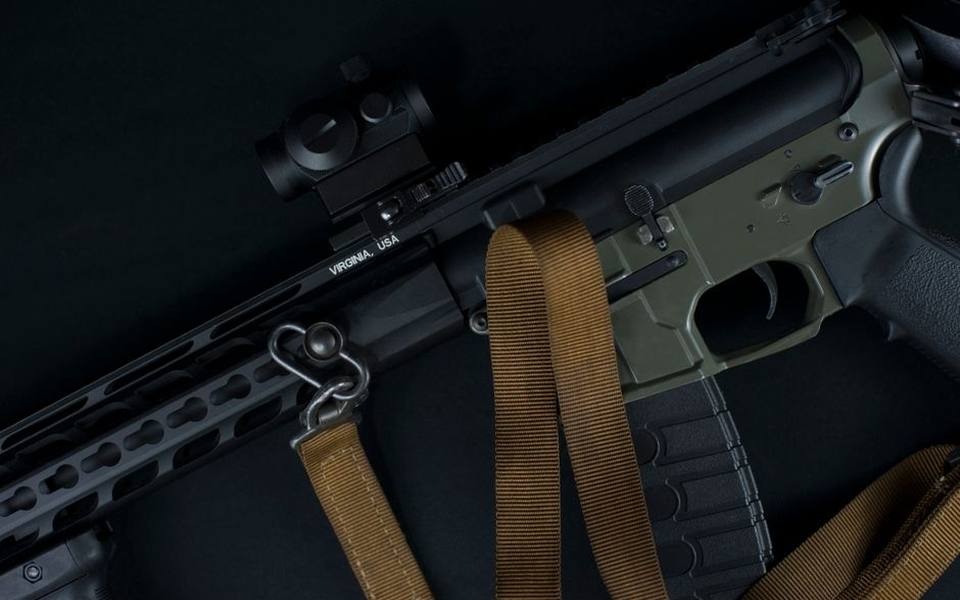 Owning
Rifle and Shotgun Slings: Single-Point, Two-Point, and Mounting Hardware
-
 Owning
Everyday Carry and Tactical Accessories: Range Bags, Gun Locks, and Practical Gear
-
 Owning
Gun Cleaning Kits and Maintenance: Cleaners, Oils, and Solvents
-
Safety
Everyday and Noise Reduction Earplugs: A Practical Comparison Guide
-
 Safety
Firearm Safety Rules, Concealed Carry Courses, and Tactical Shooter Training
-
 Service
Rifle Customization, Caliber Selection, and Bench Work: A Guide to Practical Gunsmithing and Reloading
-
 Safety
Shooting and Hearing Protection: Guide to Earmuffs, Plugs, and Electronic Defenders
-
 Buying
Choosing Spotting Scopes, Binoculars, and Specialized Night Optics
-
 Safety
Active Shooter Response, Tactical Handgun Courses, and Firearm Safety Training Guide
-
 Buying
Night Vision Optics and Spotting Scopes Buyer's Guide
-
 Buying
Firearm Valuation, Appraisal, and Used Buying Guide
-
Safety
Layering Personal Defense: Less-Lethal Tools, Purpose-Built Firearms, and Medical Gear
-
 Buying
Hunting Ammunition, Calibers & Reloading Supplies Guide
-
 Owning
Concealed Carry Reciprocity, Licensing Basics, and Buying Regulations Explained
-
 Service
Custom Gunsmithing, Barrel Modifications, and AR-15 Upgrades Guide
-
 Owning
Target Shooting & Clay Sports Guide: Air Rifles, Ranges & Eye Protection
-
Storage
Essential Firearm Storage, Cases, Recoil Pads, and Rig Systems
-
 Safety
The Ultimate Guide to Shooting Hearing Protection and Electronic Earmuffs
-
 Owning
Dry Fire Training Systems, Timers, and At-Home Practice Routines
-
 Owning
State Firearm Rules, Training Courses, and Range Guidelines
-
Owning
Essential Tactical Gear, EDC Equipment, Shooting Gloves, and Range Bags
-
 Owning
Everyday Carry Holsters and Wearable Gear: A Practical Selection Guide
-
 Owning
Firearm Upgrades and Tuning: Gas Blocks, Sights, and Mounts
-
 Owning
CCW Permits, Licensing Laws, and Background Check Fingerprinting Guide
-
 Storage
Firearm Safes and Secure Storage: Humidity Control, Security Standards, and Storage Solutions