The Role of Biometric Identification in Modern Clearances
Fingerprinting remains the gold standard for identity verification because friction ridges on human fingers offer an enduring, individualized physical record. When agencies need absolute certainty regarding an individual's identity, a simple name search is rarely sufficient. Millions of people share identical first and last names, and clerical errors or deliberate aliases can easily confuse text-based record searches. A biometric fingerprint links an applicant directly to their personal criminal history file, ensuring that background reports reflect the correct individual every time.
Today, fingerprinting service options are required across a wide spectrum of civilian and professional activities. State licensing boards for nurses, teachers, security personnel, and real estate professionals routinely mandate complete biometric vetting before issuing credentials. In the shooting sports community, submitting prints is a standard step for concealed handgun permits in several jurisdictions, as well as for federal filings involving specialized firearms. Whether you are seeking professional licensure or submitting paperwork for regulated sporting equipment, knowing what to expect removes friction from the process.
Over the past two decades, the administrative workflow surrounding finger printing has shifted from a slow, manual paper routine to an efficient digital ecosystem. While paper cards are still accepted by federal bodies for specific petitions, modern automated processing networks handle the vast majority of civilian submissions. Understanding the technologies involved, the major private contractors managing state enrollments, and the distinct types of background checks will help you schedule your appointment with confidence and avoid unnecessary processing delays.
Live Scan Digital Capture Versus Traditional Ink Roll
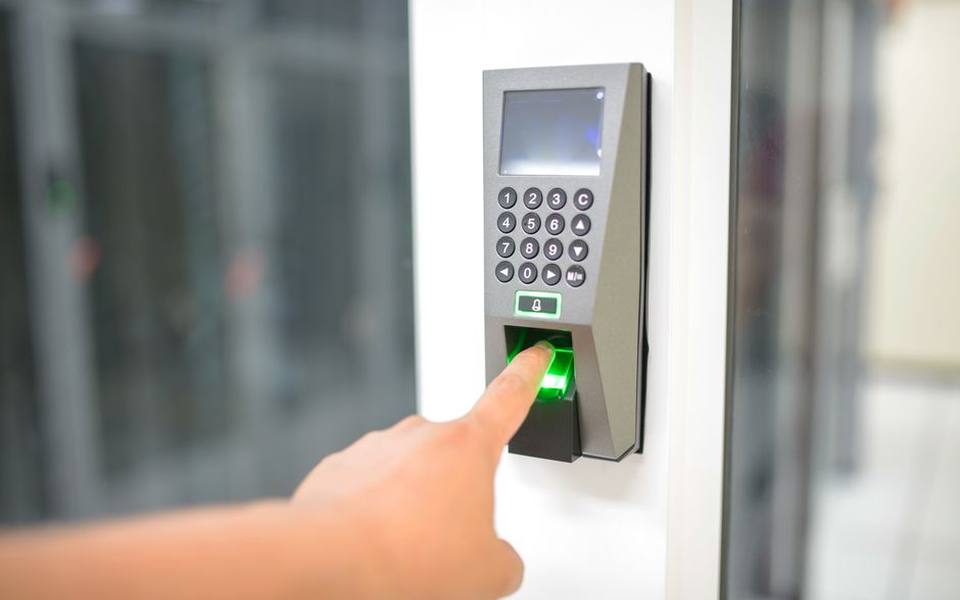
When exploring the primary types of fingerprinting, you will encounter two main techniques: modern optical capture, commonly known as Live Scan, and traditional manual ink rolling. Live Scan captures ridge patterns electronically using an illuminated glass platen and a specialized digital sensor. The technician rolls each finger across the glass surface, and dedicated software evaluates the image quality in real time. If a print appears faint, smudged, or improperly aligned, the operator simply wipes the glass and rescans the finger immediately.
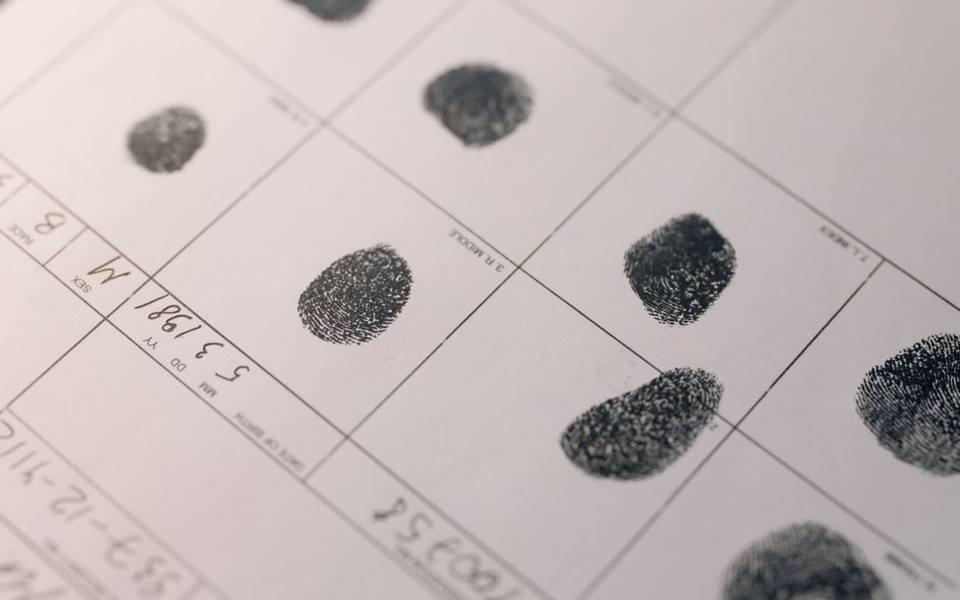
Traditional ink fingerprinting involves spreading a micro-thin layer of specialized printer's black ink across an inking plate or pre-inked pad. The operator rolls your fingers from nail edge to nail edge, transferring the ridge impressions onto an approved heavy cardstock form. While this method requires more tactile skill from the technician, it remains an indispensable option in areas lacking electronic infrastructure or for applicants who must mail physical print packets to out-of-state regulatory bodies that cannot receive direct digital transmissions.
The primary advantage of electronic capture over ink lies in quality control and submission speed. Digital systems instantly measure ridge contrast and identify missing points, minimizing the odds that an agency will reject your submission weeks later due to illegibility. Physical ink prints, by contrast, can be smudged if fingers slide or if the skin is excessively oily. However, when rolled by an experienced technician, traditional ink cards achieve exceptional detail and remain fully valid for state and federal background vetting.
Decoding the Standard Fingerprint Card
The standard medium for physical submissions across the United States is the FBI Form FD-258 fingerprint card. Printed on heavy white cardstock with distinctive blue or black markings, this standardized sheet accommodates individual rolled impressions for all ten digits, along with simultaneous flat impressions known as plain prints. Government agencies, corporate compliance departments, and state licensing boards rely on this exact layout because scanning machinery at state repositories and federal centers is calibrated to read it uniformly.
Filling out an FD-258 card requires meticulous attention to detail in the personal demographic blocks. You must provide full legal identifying data, including complete name, aliases, Social Security number, citizenship, physical descriptors, and specific reason fingerprinted. Mistakes or handwritten corrections in these fields frequently lead to immediate administrative rejection. In most cases, law enforcement personnel or certified technicians must complete their portion of the card, confirming the date and their official credentials alongside your signature.
Firearm enthusiasts frequently encounter the FD-258 when submitting paperwork for items regulated under the National Firearms Act. When dealing with knowledgeable Class 3 / NFA Dealers, customers often complete these physical cards or have their digital prints formatted to match ATF Form 1 or Form 4 requirements. Whether handled manually or printed electronically onto cardstock via certified printers, maintaining crisp ridge definition is essential to keep federal approvals moving forward without interruption.
What Is IdentoGO and How IDEMIA Operates
In many states, individual applicants do not visit a local government building for prints; instead, they are directed to an identogo fingerprinting center. IdentoGO by IDEMIA serves as the primary authorized identity services provider for dozens of state agencies and federal programs. IDEMIA is a global biometric identification corporation, and IdentoGO represents its public-facing brand throughout the United States. Many people inadvertently search for intego fingerprinting due to a common spelling confusion, but IdentoGO is the actual network managing these appointments.
Rather than managing tens of thousands of individual civil applicant visits at municipal police stations, state governments contract with IdentoGO to manage enrollment kiosks inside shipping stores, standalone service offices, and corporate satellite hubs. These locations are equipped with certified hardware connected through encrypted channels directly to state police databases and federal repositories. By centralizing the capture process, the network standardizes quality control and significantly reduces paperwork bottlenecks for civil public services.
When an agency requires identogo by idemia services, they do not accept random print cards mailed from third parties. Instead, the agency requires you to visit an authorized site so that your identity documents can be verified under strict state oversight. Once the certified technician verifies your primary identification documents and captures your digital prints, your biometric file is transmitted electronically to the designated government clearinghouse, ensuring a secure and verifiable chain of custody.
Navigating the UEnroll Portal to Book Appointments
To arrange an appointment through the contracted provider, applicants must use the official online booking engine known as uenroll identogo. The UEnroll system is structured around dedicated Service Codes, which are typically six- to eight-character alphanumeric strings assigned by the requesting agency or employer. Entering the exact Service Code is the most critical step of the registration process; this code tells the software precisely which background check to run, where to bill the fees, and which state board should receive your completed report.
If you register under the wrong Service Code, your prints may be routed to an unrelated state department, such as the Department of Education rather than the Board of Nursing or Real Estate Commission. In nearly all circumstances, government agencies cannot transfer results between disconnected programs, forcing the applicant to pay again and schedule an entirely new appointment. Always confirm the required Service Code directly with your licensing coordinator or employer before accessing the UEnroll webpage.
During the registration workflow, the portal prompts you to select your primary forms of identification, choose a convenient regional location, and select a specific date and arrival time. The system will outline the acceptable documents you must present in person, such as a valid passport or state driver's license. Completing this intake online generates a registration confirmation document containing a barcode that the technician scans upon your arrival, drastically cutting down on in-person waiting times.
The Mechanics of an FBI Background Check
An fbi back ground check, formally known as an Identity History Summary Check, provides a comprehensive national record of an individual's interactions with law enforcement. Maintained by the Criminal Justice Information Services division, commonly called CJIS, this file aggregates arrest data, federal indictments, military court records, and state-level felony or significant misdemeanor dispositions. When agencies run your biometric data, they are comparing your friction ridges against tens of millions of records stored within the federal database.
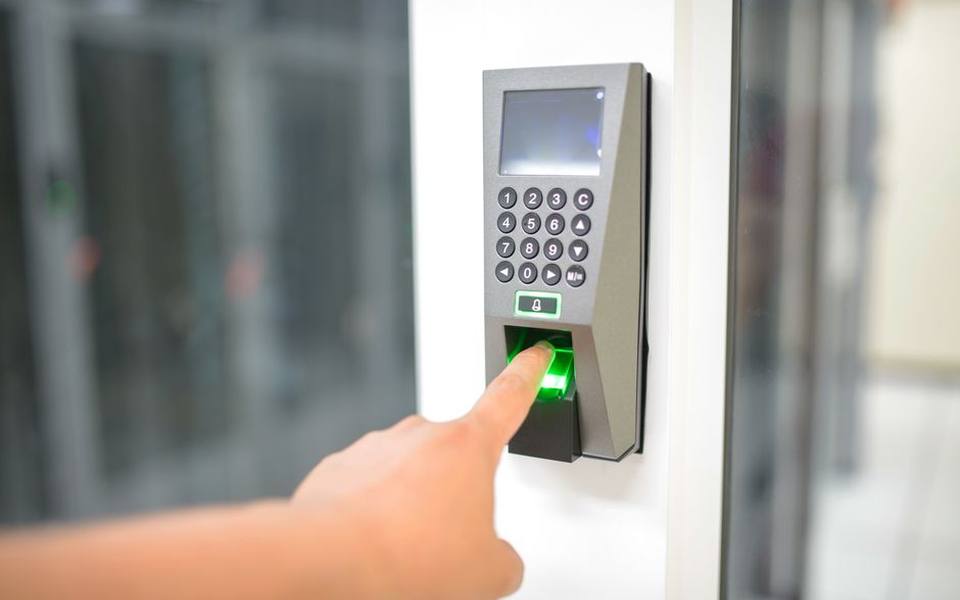
Civilian citizens often request an FBI summary report for personal review, foreign visa applications, international adoption requirements, or to challenge potential inaccuracies on their historical record. Performing an official fbi fingerprinting check as an individual can be completed by submitting an electronic request directly through the CJIS web portal followed by a visit to an approved post office or contractor, or by mailing completed FD-258 cards directly to the CJIS processing facility in West Virginia.
The scope of an FBI check depends largely on the statutory authority under which it is ordered. When mandated by state law for occupational licensing, the check typically combines a state-level repository review with the broader national CJIS index. Turnaround times for electronic submissions processed through authorized channels are generally swift, often delivering digital results within several business days, whereas mailed physical cards typically take several weeks to be manually inspected and logged into the system.
How NICS Differs from Biometric Background Checks
A common point of confusion among gun buyers is the functional difference between an FBI biometric review and the standard background check conducted at a retail gun shop counter. When purchasing a firearm over the counter, the retail dealer initiates a nics background check, which stands for the National Instant Criminal Background Check System. NICS is an electronic, name-based system created under the Brady Handgun Violence Prevention Act to quickly vet buyers against disqualifying federal and state criminal markers.
During standard transactions with licensed retail shops or when handling firearms through FFL Transfer Dealers, you complete the mandatory federal Form 4473. The dealer inputs your name, date of birth, address, and physical descriptors into the NICS portal or an equivalent state point of contact. No physical prints are collected during standard retail rifle, shotgun, or handgun sales in the overwhelming majority of states. The system queries the Interstate Identification Index, the National Crime Information Center, and the NICS Index in real time, generally returning a proceed, delay, or deny status within minutes.
In contrast, fingerprint-based background checks are typically reserved for specialized permits, long-term carry licenses in select states, or federal NFA registrations. A biometric check eliminates the ambiguity that occasionally causes NICS delays when an applicant has a common name shared by a prohibited person. While NICS offers immediate retail convenience for routine counter sales, biometric fingerprint vetting provides the comprehensive, unassailable identity confirmation required for advanced regulatory filings.
Finding Local Fingerprint Providers and Verification Sites
Locating an accessible, reputable fingerprinting provider depends heavily on your geographic area and the specific requirements of your paperwork. If your petition demands electronic submission through an authorized state portal, third-party contractor kiosks located in retail print centers or corporate service shops are usually mandatory. However, if your application calls for hard-copy ink cards, county sheriff offices and local municipal police stations remain a traditional, highly trusted option for local residents.
In vast sporting markets like Texas gun stores or among community retailers across Florida gun stores, several retail gun shops now maintain proprietary electronic fingerprint kiosks. These kiosks specialize in capturing digital biometric profiles specifically formatted for federal firearms trust paperwork and individual eForm submissions. Utilizing a dedicated sporting goods kiosk allows enthusiasts to store their prints digitally, streamlining subsequent paperwork whenever they add equipment to their collection.
Before traveling to any facility, always contact the provider or read their scheduling rules carefully. Many sheriff departments only provide fingerprinting services for county residents, operate during limited weekday hours, or require you to bring your own blank FD-258 cards. Similarly, private fingerprint kiosks often operate strictly by advance appointment, making walk-in visits frustrating or impossible. Verifying policies ahead of time ensures a smooth, uninterrupted visit.
Preparing for Your Appointment and Avoiding Smudges
Securing sharp, readable friction ridge impressions requires basic physical preparation. The natural oils, hydration levels, and surface texture of your skin directly influence how well scanners and ink pads capture ridge clarity. If your hands are excessively dry, cracked, or weathered from manual labor, scanner sensors may register broken ridges, which triggering quality-control software warnings. Applying standard hand lotion regularly for several days leading up to your appointment can significantly improve ridge elasticity.
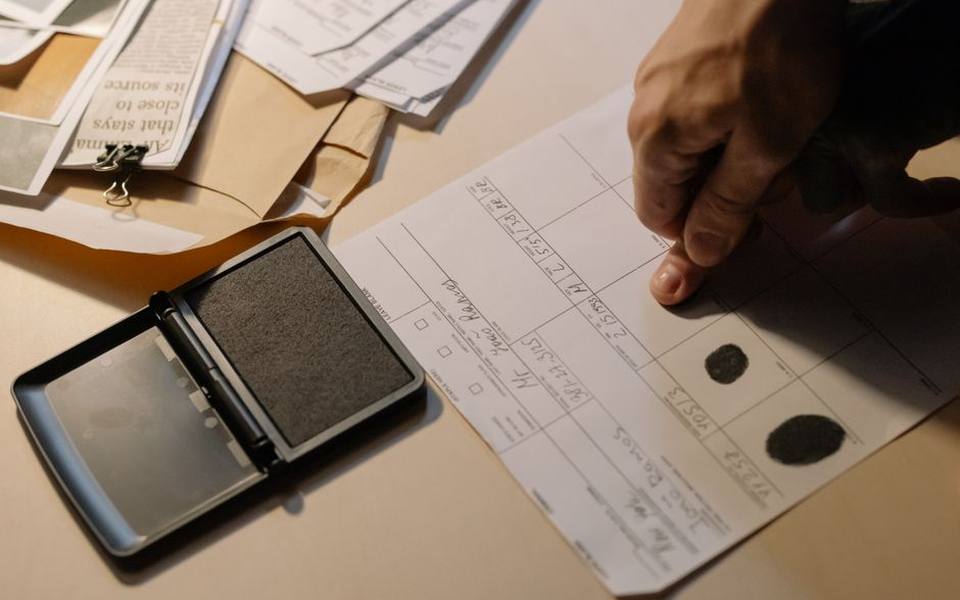
On the day of your appointment, wash your hands thoroughly with mild soap and warm water immediately before sitting down with the technician, but avoid applying greasy hand creams directly before the session. Heavy oily moisturizers can coat the optical glass or cause physical ink to slide, resulting in indistinct, illegible smears. Technicians often keep specialized ridge-enhancing wipes or alcohol swabs on hand to balance surface oils before beginning the rolling process.
Ensure you carry all mandatory identification documents outlined in your registration confirmation. State-issued driver's licenses, military IDs, and U.S. passports must be current and unexpired. If your legal name differs between your registration form and your photo identification due to marriage or court order, you must bring certified documentation, such as a marriage certificate or legal decree, to establish the clear legal continuity of your identity.
Processing Timelines and Handling Unclassifiable Prints
Once your fingerprints are submitted, processing times vary based on the destination agency and the transmission method utilized. Fully electronic submissions sent via direct network pipelines to state repositories or federal databases are typically reviewed within a few business days, though final administrative clearances by specific regulatory boards may take several weeks. Hard-copy cards mailed to agency processing centers require manual intake, physical scanning, and optical evaluation, which routinely extends the waiting period by several weeks.
Occasionally, an applicant receives notice that their prints were rejected as unclassifiable. This does not imply a criminal issue or suspicion of fraud; it simply means the ridge details on one or more digits were too faint, worn, or disrupted for the agency's automated fingerprint identification system to read. Unclassifiable prints occur frequently among elderly individuals, healthcare workers who wash hands continuously, and tradespeople whose fingers endure constant abrasive friction.
When an agency rejects a set of prints for legibility, they will require a reprint session. Most private contractors and law enforcement facilities offer free or discounted reprints if you present the official rejection notice within a designated timeframe. If a secondary submission also fails to produce legible ridges, state and federal agencies usually initiate an administrative name-based manual review to finalize your background investigation without further biometric collection.
Published 2026-09-21 · reviewed with each rebuild, last September 2026.
Find gun stores near you
The directory lists 12,328 gun stores by state and city — pick your state or use the “Near me” button in the header.
More guides
-
 Buying
Night Vision, Caliber Choices, and Hearing Protection: The Practical Buyer Guide
-
 Owning
Muzzle Brakes vs Pistol Compensators: Mechanics, Tuning, and Ownership Costs
-
 Owning
Where to Get Fingerprints for Gun Permits, Hearing Gear, and Range Prep
-
 Owning
How to Remove Rust from a Gun Safely Without Damaging the Finish
-
 Buying
Choosing a Skeet Shotgun: Balance, Gauges, and Barrel Specs
-
 Safety
Stun Guns, Tasers, and Protective Range Gear: Practical Buyer's Guide
-
 Buying
Choosing Practical Firearms for Home Defense and Daily Carry
-
 Buying
FFL Transfer Fees and Process Explained: What to Expect at the Counter
-
 Safety
Indoor and Outdoor Shooting Ranges: Etiquette, Rules, and Memberships
-
 Storage
Gun Safes and Fireproof Storage: Biometric Safes, Cabinets, and Dehumidifiers
-
 Safety
Body Armor and Ballistic Plates: Threat Levels, Plate Materials, and Carrier Sizing
-
 Safety
Shooting Hearing Protection: Electronic Earmuffs, Custom Earplugs, and Noise Reduction
-
 Owning
Shooting Targets, Clay Throwers, and Range Rests Guide
-
 Owning
Concealed Carry Holsters: Kydex, Leather, IWB, OWB, and Specialized Rigs
-
 Owning
Rifle and Shotgun Slings: Single-Point, Two-Point, and Mounting Hardware
-
 Owning
Everyday Carry and Tactical Accessories: Range Bags, Gun Locks, and Practical Gear
-
 Owning
Gun Cleaning Kits and Maintenance: Cleaners, Oils, and Solvents
-
Safety
Everyday and Noise Reduction Earplugs: A Practical Comparison Guide
-
 Safety
Firearm Safety Rules, Concealed Carry Courses, and Tactical Shooter Training
-
 Service
Rifle Customization, Caliber Selection, and Bench Work: A Guide to Practical Gunsmithing and Reloading
-
 Safety
Shooting and Hearing Protection: Guide to Earmuffs, Plugs, and Electronic Defenders
-
 Buying
Choosing Spotting Scopes, Binoculars, and Specialized Night Optics
-
 Safety
Active Shooter Response, Tactical Handgun Courses, and Firearm Safety Training Guide
-
 Buying
Night Vision Optics and Spotting Scopes Buyer's Guide
-
 Buying
Firearm Valuation, Appraisal, and Used Buying Guide
-
Safety
Layering Personal Defense: Less-Lethal Tools, Purpose-Built Firearms, and Medical Gear
-
 Buying
Hunting Ammunition, Calibers & Reloading Supplies Guide
-
 Owning
Concealed Carry Reciprocity, Licensing Basics, and Buying Regulations Explained
-
 Service
Custom Gunsmithing, Barrel Modifications, and AR-15 Upgrades Guide
-
 Owning
Target Shooting & Clay Sports Guide: Air Rifles, Ranges & Eye Protection
-
Storage
Essential Firearm Storage, Cases, Recoil Pads, and Rig Systems
-
 Safety
The Ultimate Guide to Shooting Hearing Protection and Electronic Earmuffs
-
 Owning
Dry Fire Training Systems, Timers, and At-Home Practice Routines
-
 Owning
State Firearm Rules, Training Courses, and Range Guidelines
-
Owning
Essential Tactical Gear, EDC Equipment, Shooting Gloves, and Range Bags
-
 Owning
Everyday Carry Holsters and Wearable Gear: A Practical Selection Guide
-
 Owning
Firearm Upgrades and Tuning: Gas Blocks, Sights, and Mounts
-
 Owning
CCW Permits, Licensing Laws, and Background Check Fingerprinting Guide
-
 Storage
Firearm Safes and Secure Storage: Humidity Control, Security Standards, and Storage Solutions