How Concealed Carry Reciprocity Works Across State Lines
Carrying a concealed defensive firearm legally requires understanding where your state-issued credential remains valid once you cross a municipal or state border. Concealed handgun reciprocity is simply an agreement between two individual states to honor each other's carry permits under specific statutory guidelines. If your home state enters an agreement with a neighboring state, your credential functions there much like your standard driver's license. However, interstate recognition is never permanent or completely uniform across the entire country.
Reviewing an updated concealed carry reciprocity map before departing on any cross-country road trip is critical for responsible firearm owners. While a neighboring state might recognize your permit, you automatically inherit every localized restriction of the jurisdiction in which your feet are planted. Those boundaries govern prohibited carrying zones such as public transit hubs, bars, or government facilities, alongside duty-to-inform requirements when approached by law enforcement officers during standard traffic stops.
A growing number of jurisdictions now operate under permitless or constitutional carry rules, allowing qualifying adults to conceal carry without applying for a state card. Even when passing through such states, retaining a recognized permit provides distinct advantages, including exemptions from certain federal school zone prohibitions and streamlined background checks at local shops. Consulting up-to-date state-level resources remains the only reliable method to verify active interstate privileges.
Keep in mind that reciprocity designations can shift abruptly due to annual legislative updates, changes in state attorney general interpretations, or revised firearm training prerequisites. Relying on outdated maps or casual word of mouth often results in inadvertent felony charges simply by taking an exit ramp into an uncooperative jurisdiction. Always inspect official state portals before traveling with a defensive handgun.
Finding Approved CCW Training Courses Online and Locally
Earning your concealed weapon authorization universally demands completing certified educational instruction tailored toward basic firearm operation, safe handling, and self-defense legal statutes. Today, prospective applicants often explore distance learning through online concealed carry classes that cover classroom components from home. While digital seminars comfortably deliver statutory definitions and firearm mechanics, many licensing agencies demand an in-person live-fire evaluation conducted on an authorized firing range.
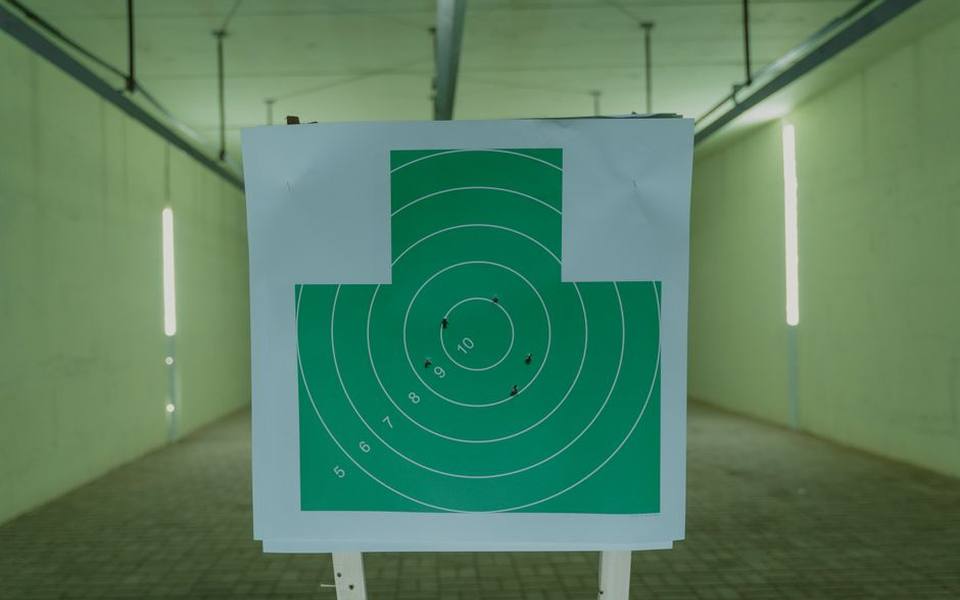
State rules establish strictly whether purely digital coursework suffices or if hybrid instruction is mandatory. For instance, prospective permit holders attending concealed carry classes in Reno generally encounter distinct Nevada state mandates involving structured live qualification courses. Instructors in these regions focus heavily on drawstroke fundamentals, target engagement from varying defensive distances, and local safe storage obligations during mandatory range qualifications.
Conversely, individuals looking into defensive carry training courses in Milwaukee must satisfy Wisconsin qualification frameworks overseen by certified local trainers. Many programs there blend classroom legal briefings covering proportional force with live shooting demonstrations at private clubs or dedicated indoor ranges. In almost every municipal district, finding an instructor credentialed through recognized national organizations ensures your course certificate will pass county sheriff inspection.
Before paying for an online course platform, verify with your local issuing authority whether they accept certificates from distant educational programs. Unaccredited providers frequently advertise universally recognized certificates that county clerks summarily reject during paperwork processing. Investing in reputable local instruction establishes genuine handling proficiency and gives you access to instructors familiar with local court precedents.
Federal Firearms License Types and Transfer Mechanics
Navigating lawful civilian firearm commerce requires passing transactions through federally licensed businesses. The Bureau of Alcohol, Tobacco, Firearms and Explosives classifies these businesses through distinct license categories tailored to specific commercial activities. The most standard retail credential is the Type 01 dealer license, which covers retail storefronts selling handguns, shotguns, and sporting rifles, alongside gunsmithing operations handling modifications.
Collectors and specialized commercial entities utilize alternative classifications depending on their business models. A Type 03 collector license lets enthusiasts acquire historic curios and relics without traveling through traditional retail shops, though it explicitly forbids running a commercial trade. Meanwhile, commercial fabricators utilize Type 07 manufacturer credentials to mill receivers or build custom arms, often combined with an annual Special Occupational Tax status to craft regulated hardware.
When purchasing a firearm from an online vendor or an out-of-state distributor, the hardware cannot ship straight to your residential doorstep. Buyers must arrange a handoff by engaging registered FFL transfer dealers who accept shipment, log the inventory, and conduct the necessary federal background check before handing over the piece. Independent transfer fees vary widely between retailers, typically running between twenty and fifty dollars per serial number.
Locating a nearby shop willing to accept parcels involves calling the merchant beforehand to verify their transfer intake policies and schedule paperwork. Many community businesses also maintain robust pre-owned cases, allowing shoppers to explore quality used guns directly on the showroom floor without waiting for shipping carriers or paying third-party intake handling costs.
Suppressor Regulations and Navigating ATF Form 4 Filings
Hearing protection equipment such as suppressors remains strictly governed under the National Firearms Act of 1934, despite ongoing public debate and proposals for reform. Whenever firearm owners discuss a potential new law on suppressors, they generally point to legislative concepts like the Hearing Protection Act, which aim to remove silencers from NFA registries. However, until federal legislative chambers officially pass such bills, suppressors remain tightly controlled items requiring special federal paperwork and tax stamps.
Acquiring a civilian suppressor requires visiting licensed Class 3 / NFA dealers who maintain the proper special occupational licensing to stock restricted accessories. Customers must purchase the hardware, collect electronic fingerprint cards, take passport-style photographs, and compile a comprehensive registry dossier. The dealer holds the serialized silencer in secure vault inventory until federal authorities approve the customer's transfer paperwork.
The application process takes place through the federal government's digital portal via an ATF eForm 4 submission, dramatically reducing administrative lag compared to legacy paper mailings. Applicants pay a mandatory two-hundred-dollar federal excise tax stamp during submission, submitting information either as an individual applicant or via a specialized legal firearms trust. In recent months, modernized digital processing systems have yielded historically rapid turnarounds for single applicants.
Once the official digital approval notification arrives with its electronic tax stamp attached, the dealer contacts the customer to finish a standard background transfer check. Only after these final state-level requirements are cleared can the buyer take possession of the muzzle device for range use or sound-dampened field hunting.
Mandatory Handgun Waiting Periods and Purchase Timelines
While federal law permits an immediate firearm transfer upon successful clearance through the National Instant Criminal Background Check System, individual states enforce localized cooling-off statutes. A statutory handgun waiting period creates a mandatory pause between the moment a customer pays for a sidearm and the moment they legally claim it from the counter. These legislative cooling-off windows typically span anywhere from three to fourteen calendar days depending on local municipal codes.
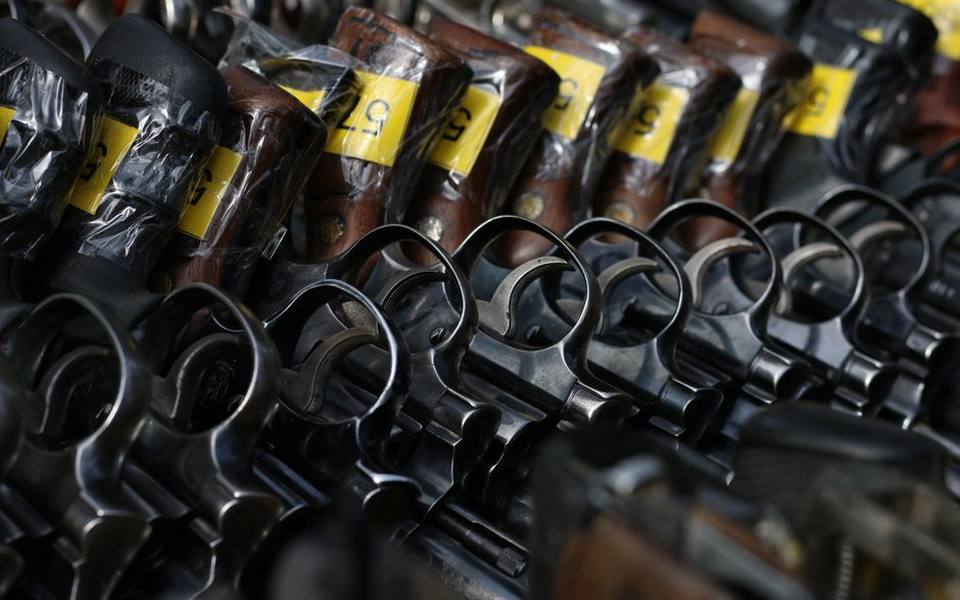
Legislators introduce waiting periods under the theory that enforced delays deter impulsive crimes or sudden self-harm attempts. For lawful handgun buyers, this means you must budget for two separate store visits: one to complete initial purchase agreements and submit background documentation, and a subsequent trip after the statutory waiting window officially elapses. Missing the statutory collection window can sometimes force a retailer to resubmit paperwork entirely.
Some jurisdictions provide exemptions from waiting periods for citizens who have already completed thorough vetting. For example, presenting an active, valid concealed carry credential often waives the delay entirely, because the permit holder has already passed rigorous municipal background audits. Law enforcement officers and individuals holding certain collector licenses frequently enjoy similar statutory exemptions during retail transfers.
Retail stores operating in states with mandatory pauses must carefully log calendar days in strict compliance with state justice department guidelines. Failure to hold the firearm for the full legal duration can cost a retailer their license. Always confirm the exact timeline with your counter clerk so you can plan return trips without unnecessary logistical complications.
Background Checks, Prior DUIs, and Firearm Eligibility
Submitting federal Form 4473 triggers a comprehensive criminal and civil record evaluation through national databases before any gun transfer can conclude. Many individuals wonder how a prior misdemeanor driving under the influence conviction affects their ability to pass this scrutiny. Under standard federal guidelines, a single non-violent misdemeanor DUI does not automatically disqualify an individual from buying or possessing personal defense firearms.
However, eligibility complications emerge when a background check reveals a felony DUI or multiple repeat offenses that carry elevated statutory penalties. Under federal law, any crime punishable by imprisonment for a term exceeding one year constitutes a prohibiting offense, regardless of whether the judge actually imposed jail time. In some states, a third drunk driving infraction elevates to felony status, instantly revoking Second Amendment privileges nationwide.
Furthermore, regional concealed handgun licensing boards hold significantly stricter moral character and public safety thresholds than standard retail transfer baselines. An open charge, active probation, or recurring substance-related citations within three to five years can cause a county sheriff to summarily deny a carry credential. Licensing boards often view repeated vehicular alcohol violations as evidence of hazardous behavior or chemical dependency issues.
If you have historic alcohol-related offenses on your public record, obtaining certified court disposition papers before applying prevents prolonged administrative stalls. In situations where prior convictions raise statutory red flags, consulting an attorney specializing in regional firearm restoration laws offers clear insight into your realistic eligibility pathway.
Defensive Gun Use Realities and Incident Statistics
Evaluating the societal necessity of concealed carry frequently leads researchers and gun owners to defensive gun use statistics. Estimating how often Americans employ firearms to protect life and property yields widely varying figures depending on survey methodologies and reporting frameworks. Academic and government studies typically estimate between fifty thousand and well over one million annual defensive firearm deployments across the nation.
The massive variance between low and high estimates occurs because the vast majority of defensive engagements involve zero fired rounds. Simply brandishing a defensive firearm or issuing verbal warnings from a position of tactical readiness frequently discourages criminal assaults, vehicle hijackings, and home invasions. Because no trigger is pulled and attackers flee the scene, victims often neglect to file formal police reports, omitting the encounters from uniform crime reporting databases.
Empirical research demonstrates that armed citizens confronting violent assailants suffer consistently lower personal injury rates compared to unarmed victims who rely purely on physical struggle. Whether deterring home intruders or halting street robberies, having immediate access to a defensive tool significantly shifts tactical odds in favor of the intended victim. These findings form the core rationale behind permitless carry expansions.
Nevertheless, carrying a firearm for self-defense carries immense personal, ethical, and legal accountability. The moment an armed citizen draws a weapon, their actions fall under intense prosecutorial examination regarding proportional force, imminent threat thresholds, and safe backstops. Ongoing practice alongside thorough legal study remains essential for anybody who carries outside the home.
Concealed Carry Legal Protection and Budgeting Considerations
Even when a defensive shooting is completely justified, the legal aftermath can impose overwhelming financial strain through bail hearings, depositions, and criminal trials. To hedge against catastrophic legal bills, millions of permit holders enroll in specialized self-defense legal protection plans or civil liability programs. These membership organizations provide dedicated emergency hotlines, network attorneys, expert witness retainers, and bail funding immediately following an incident.
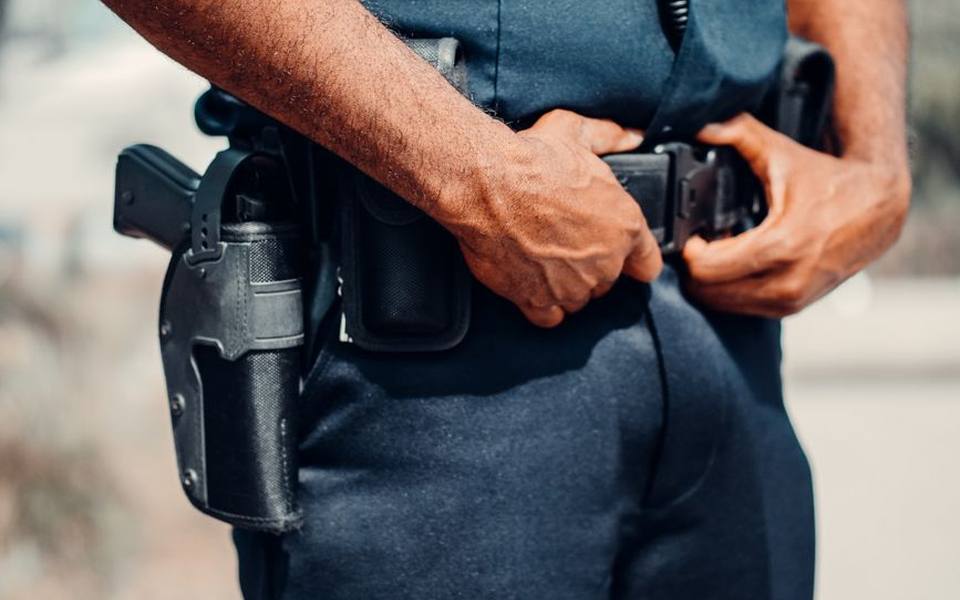
Prospective subscribers frequently look for promotional discounts, such as a promotional ccw safe coupon code, to shave membership dues off introductory enrollment tiers. While saving on annual membership rates is helpful, evaluating coverage limits, appeals funding, and civil damage protection should take precedence over minor upfront price differences. Quality plans provide non-capped defense funds and allow members to select experienced local trial attorneys.
Beyond third-party legal protection, building a practical concealed carry budget involves investing in reliable everyday gear. Quality kydex or leather holsters, heavy-duty belts engineered to support sidearm weight, defensive hollow-point ammunition, and professional instruction quickly add up. Skimping on foundational support hardware often causes new permit holders to leave their handguns at home due to daily discomfort.
Routine firearm maintenance also factors into ongoing ownership costs, requiring solvent supplies, bore brushes, and occasional tune-ups from experienced gunsmiths who inspect internal springs and sight alignments. Balancing quality hardware, consistent training, and sensible legal risk coverage ensures well-rounded personal preparedness.
Connecting with Retailers and Finding Trusted Local Dealers
Whether you are acquiring your first concealed carry handgun, hunting down specific ammunition calibers, or sourcing handloading powders, establishing a relationship with community shops is essential. While internet outlets offer broad inventories, local gun stores provide hands-on ergonomics evaluations, counter advice, and firsthand knowledge of local municipal carrying guidelines. Trying different handgun grip sizes in person is irreplaceable when choosing a defensive firearm.
Enthusiasts who load customized cartridges to cut ammunition costs can source primers, powders, and projectiles directly through regional gun stores with reloading supplies. Counter staff at these specialty retailers often provide practical load data advice and safety guidelines that help novice reloaders avoid dangerous pressure spikes. Supporting these shops ensures vital handloading components remain accessible in your region.
Using reliable directory resources helps you locate reputable transfer agents, certified instructors, and full-service sporting arms counters across your immediate driving radius. From metropolitan hubs to rural sporting outposts, finding an attentive counter crew streamlines background paperwork, transfer intake, and special order coordination. Building familiarity with staff also pays dividends when rare surplus inventory or sought-after factory shipments arrive.
Before making a trip, consider calling ahead to ask about current transfer processing fees, counter hours, and inventory levels for defensive gear. Taking a few moments to confirm store policies ensures a smooth, informative visit that keeps your training and defensive hardware fully aligned with local legal standards.
Published 2026-09-21 · reviewed with each rebuild, last September 2026.
Find gun stores near you
The directory lists 12,328 gun stores by state and city — pick your state or use the “Near me” button in the header.
More guides
-
 Buying
Night Vision, Caliber Choices, and Hearing Protection: The Practical Buyer Guide
-
 Owning
Muzzle Brakes vs Pistol Compensators: Mechanics, Tuning, and Ownership Costs
-
 Owning
Where to Get Fingerprints for Gun Permits, Hearing Gear, and Range Prep
-
 Owning
How to Remove Rust from a Gun Safely Without Damaging the Finish
-
 Buying
Choosing a Skeet Shotgun: Balance, Gauges, and Barrel Specs
-
 Safety
Stun Guns, Tasers, and Protective Range Gear: Practical Buyer's Guide
-
 Buying
Choosing Practical Firearms for Home Defense and Daily Carry
-
 Buying
FFL Transfer Fees and Process Explained: What to Expect at the Counter
-
 Service
Fingerprinting Services, IdentoGO, and FBI Background Checks: The Complete Guide
-
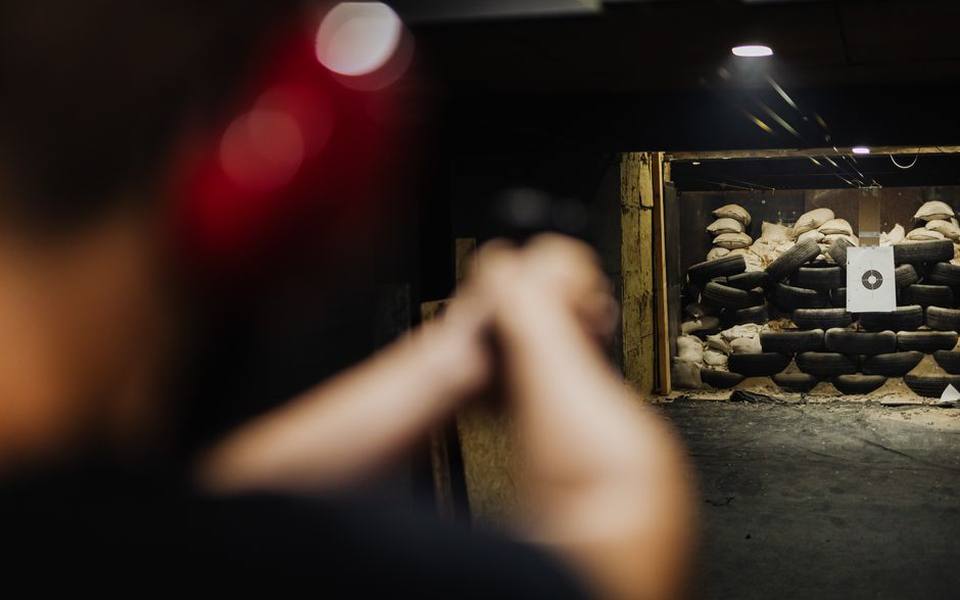 Safety
Indoor and Outdoor Shooting Ranges: Etiquette, Rules, and Memberships
-
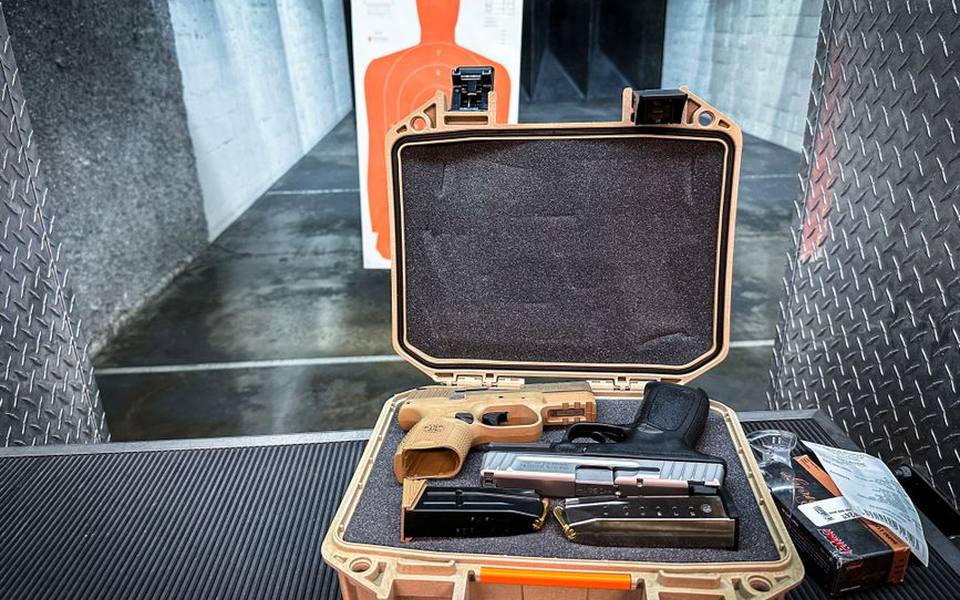 Storage
Gun Safes and Fireproof Storage: Biometric Safes, Cabinets, and Dehumidifiers
-
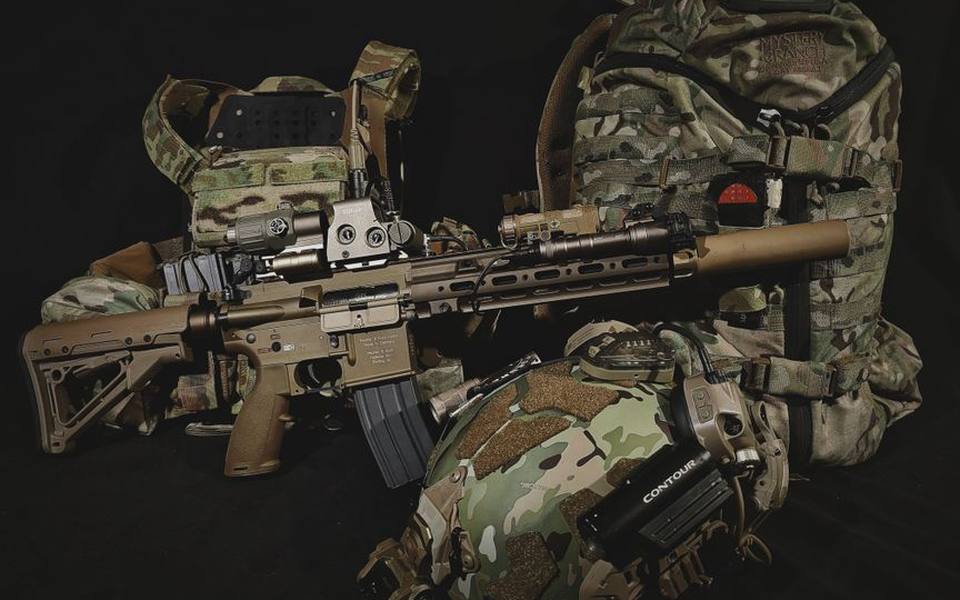 Safety
Body Armor and Ballistic Plates: Threat Levels, Plate Materials, and Carrier Sizing
-
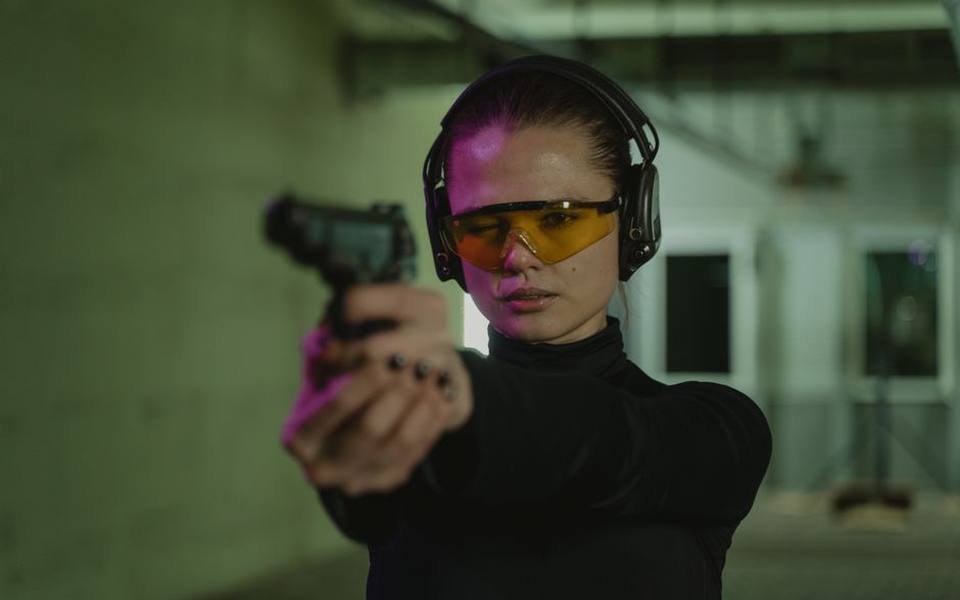 Safety
Shooting Hearing Protection: Electronic Earmuffs, Custom Earplugs, and Noise Reduction
-
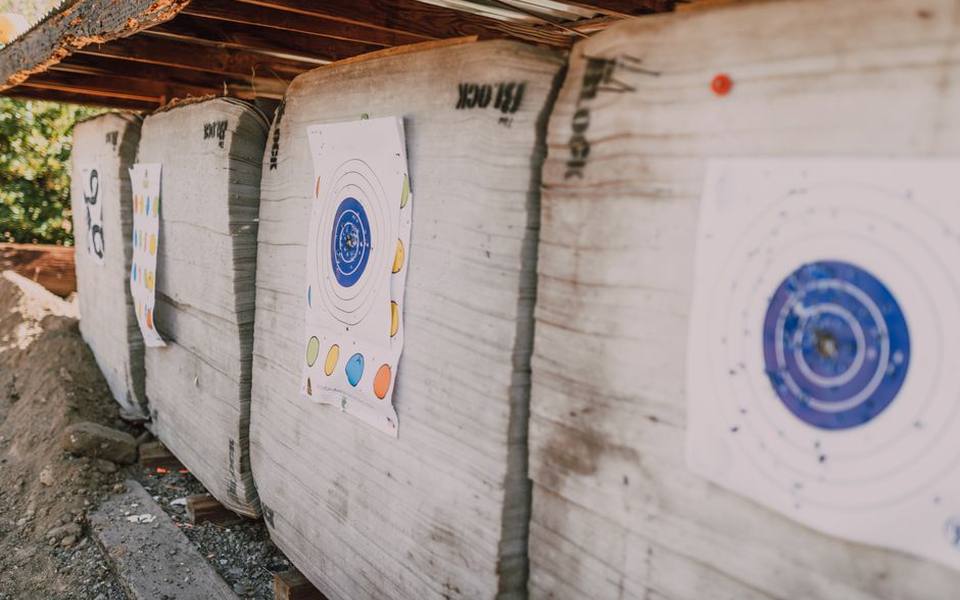 Owning
Shooting Targets, Clay Throwers, and Range Rests Guide
-
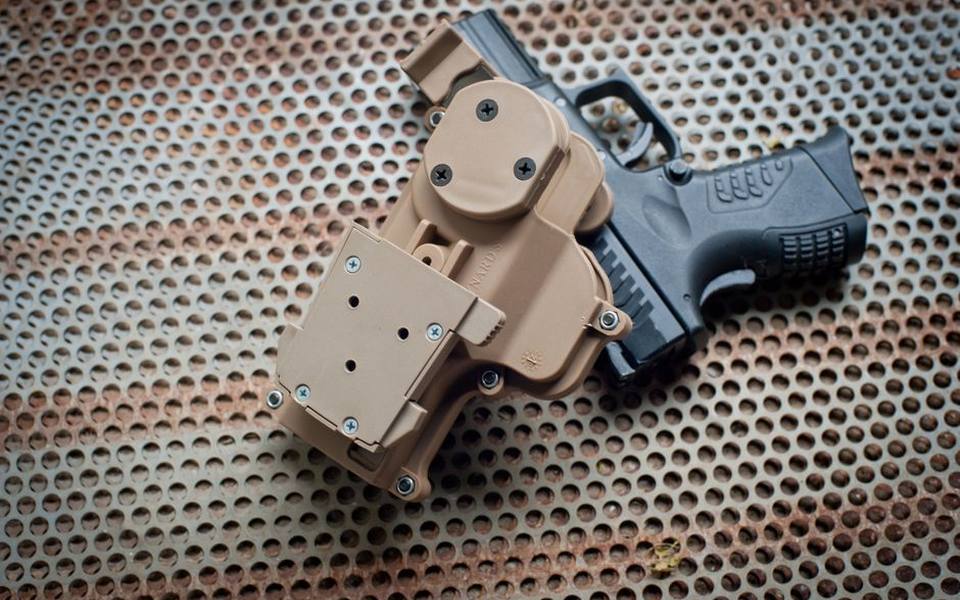 Owning
Concealed Carry Holsters: Kydex, Leather, IWB, OWB, and Specialized Rigs
-
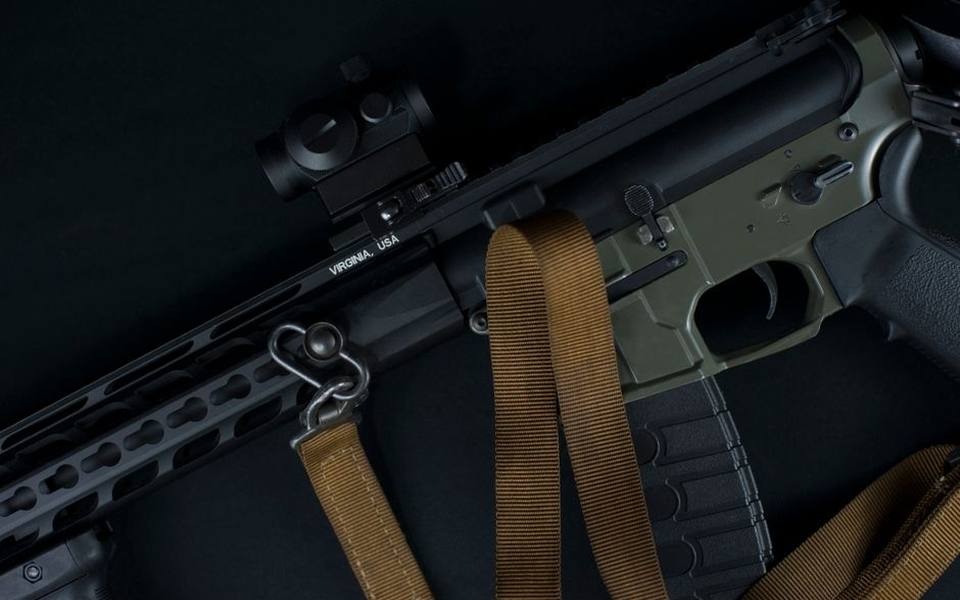 Owning
Rifle and Shotgun Slings: Single-Point, Two-Point, and Mounting Hardware
-
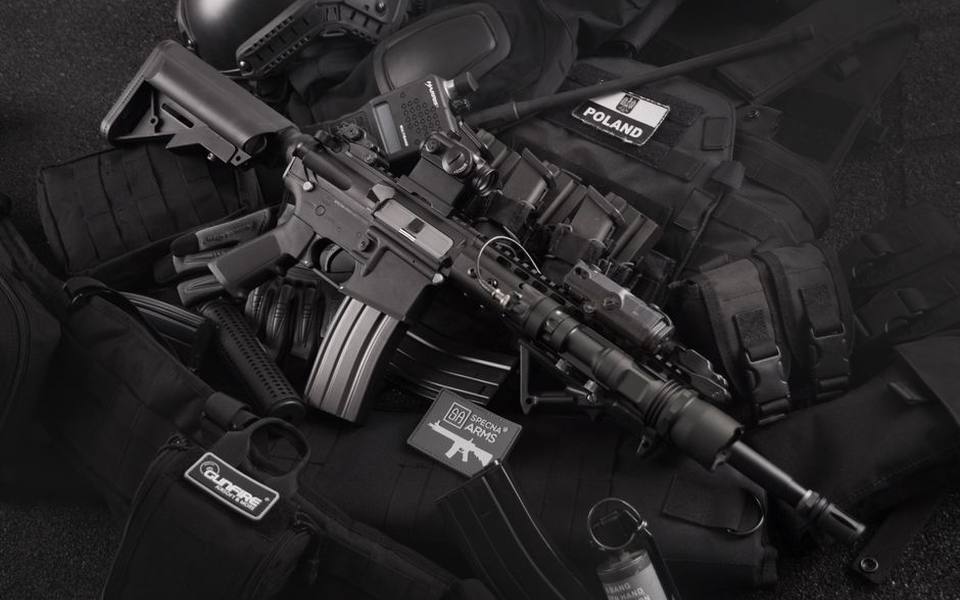 Owning
Everyday Carry and Tactical Accessories: Range Bags, Gun Locks, and Practical Gear
-
 Owning
Gun Cleaning Kits and Maintenance: Cleaners, Oils, and Solvents
-
Safety
Everyday and Noise Reduction Earplugs: A Practical Comparison Guide
-
 Safety
Firearm Safety Rules, Concealed Carry Courses, and Tactical Shooter Training
-
 Service
Rifle Customization, Caliber Selection, and Bench Work: A Guide to Practical Gunsmithing and Reloading
-
 Safety
Shooting and Hearing Protection: Guide to Earmuffs, Plugs, and Electronic Defenders
-
 Buying
Choosing Spotting Scopes, Binoculars, and Specialized Night Optics
-
 Safety
Active Shooter Response, Tactical Handgun Courses, and Firearm Safety Training Guide
-
 Buying
Night Vision Optics and Spotting Scopes Buyer's Guide
-
 Buying
Firearm Valuation, Appraisal, and Used Buying Guide
-
Safety
Layering Personal Defense: Less-Lethal Tools, Purpose-Built Firearms, and Medical Gear
-
 Buying
Hunting Ammunition, Calibers & Reloading Supplies Guide
-
 Service
Custom Gunsmithing, Barrel Modifications, and AR-15 Upgrades Guide
-
 Owning
Target Shooting & Clay Sports Guide: Air Rifles, Ranges & Eye Protection
-
Storage
Essential Firearm Storage, Cases, Recoil Pads, and Rig Systems
-
 Safety
The Ultimate Guide to Shooting Hearing Protection and Electronic Earmuffs
-
 Owning
Dry Fire Training Systems, Timers, and At-Home Practice Routines
-
 Owning
State Firearm Rules, Training Courses, and Range Guidelines
-
Owning
Essential Tactical Gear, EDC Equipment, Shooting Gloves, and Range Bags
-
 Owning
Everyday Carry Holsters and Wearable Gear: A Practical Selection Guide
-
 Owning
Firearm Upgrades and Tuning: Gas Blocks, Sights, and Mounts
-
 Owning
CCW Permits, Licensing Laws, and Background Check Fingerprinting Guide
-
 Storage
Firearm Safes and Secure Storage: Humidity Control, Security Standards, and Storage Solutions