Choosing Between Indoor and Outdoor Facilities
The primary difference between an indoor shooting range and an outdoor rifle range comes down to environmental control, distance capability, and allowable calibers. Indoor facilities typically feature climate-controlled lanes ranging from 15 to 25 yards, making them convenient year-round training venues regardless of rain, heat, or snow. Modern indoor stalls use heavy steel backstops and advanced air filtration systems designed to capture airborne lead particles and powder residue, creating a consistent shooting environment for handguns, pistol-caliber carbines, and select long guns.
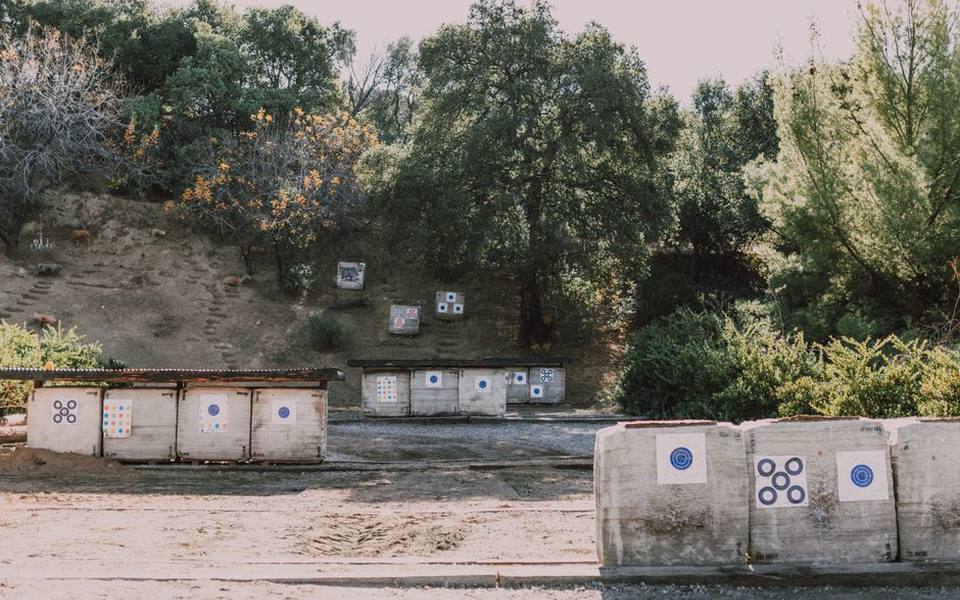
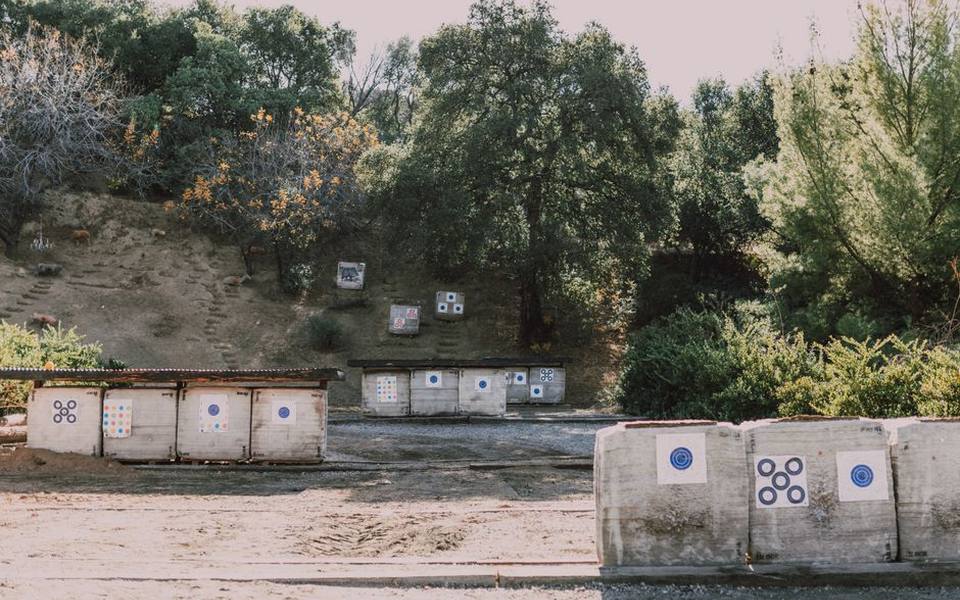
Outdoor ranges offer significantly longer distances, often starting at 50 or 100 yards and stretching past several hundred yards for precision rifle shooting. Because outdoor berms rely on natural earthen mounds, they can absorb high-velocity rifle cartridges that indoor backstops are not built to handle. You trade climate control for open air, natural crosswinds, and realistic ballistic drop conditions, which are essential for zeroing hunting rifles or working on long-range marksmanship.
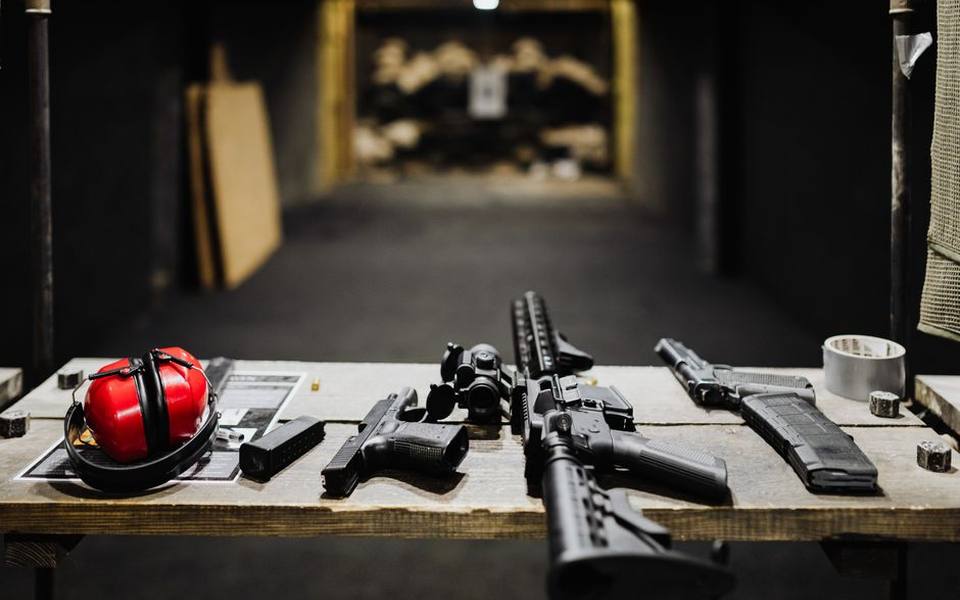
Noise dynamics also differ substantially between the two setups. An indoor facility directs sound pressure waves back off the concrete walls and lane dividers, requiring robust hearing protection such as double-plugging with foam inserts beneath electronic earmuffs. Outdoor facilities allow sound to dissipate upward and outward, offering a somewhat less jarring sonic environment, though quality hearing protection remains mandatory at all times.
Universal Range Rules and Safety Etiquette
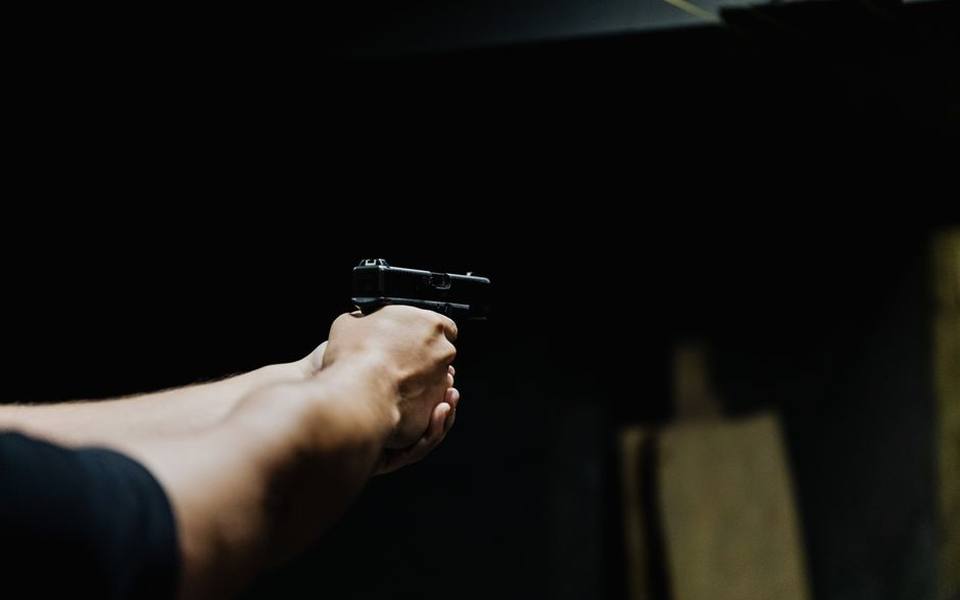
Every established facility enforces baseline firearm safety principles, but range-specific operational commands govern behavior when moving onto the firing line. The most critical command is 'Cease Fire.' Anyone who spots an unsafe condition—such as a shooter stepping forward of the bench or a jammed firearm pointed in an unsafe direction—can call a cease fire immediately. Upon hearing this command, you must immediately stop shooting, remove your finger from the trigger, place your firearm on the bench with the ejection port up, and step back behind the staging line.
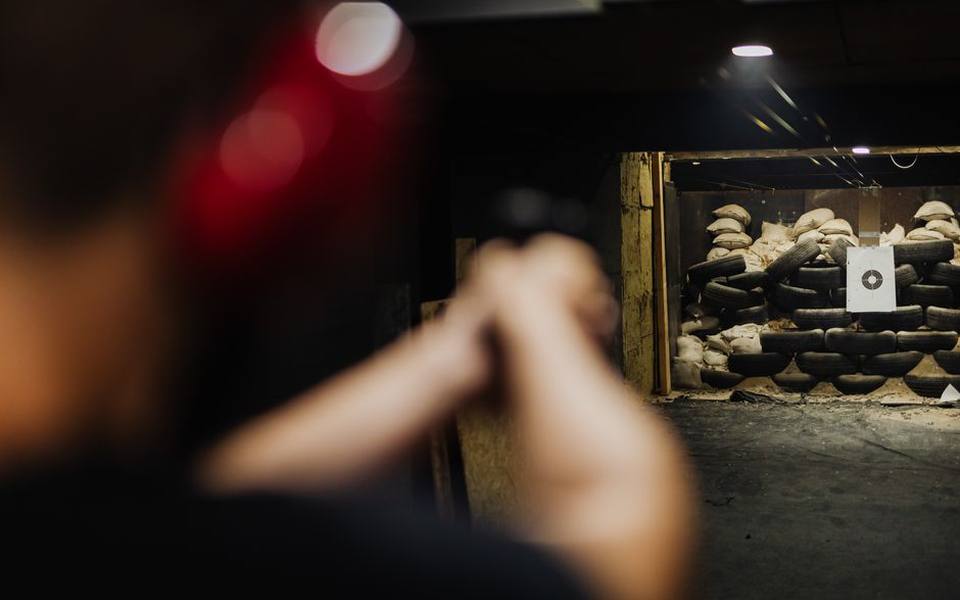
Muzzle discipline remains the bedrock of range etiquette. Your firearm must remain cased until you are fully inside your assigned shooting booth or positioned at your outdoor shooting station. When uncasing the firearm, the muzzle must point downrange at all times, never toward neighboring dividers, the ceiling, or behind you into the staging area. Leaving the firing point requires reversing this process: unload the magazine, clear the chamber, lock the action open, insert an empty chamber flag if available, and case the firearm before turning around.
Range Safety Officers (RSOs) manage the line and verify compliance with house rules. If an RSO approaches you, it is typically to correct a minor safety issue or clarify a rule rather than to reprimand you. Pay close attention to commands regarding 'hot' and 'cold' lines. On an outdoor range during a cold line, absolutely no one is allowed to touch any firearm on the bench while targets are being posted downrange. Even adjusting an optic or clearing a case during a cold line can result in an immediate ejection from the property.
How Firearm Rentals Work at Commercial Ranges
A gun rental program allows customers to test different handguns, shotguns, or rifles before making a purchase decision. Most commercial ranges keep a dedicated rental fleet behind the sales counter, including standard polymer handguns, revolvers, defensive shotguns, and magazine-fed rifles. Trying multiple grip sizes, trigger pulls, and calibers during a single visit helps shooters discover what fits their hand geometry naturally before buying used guns or new firearms from a retail shop.
Rental policies often include specific risk-mitigation rules that surprise first-time visitors. A standard practice nationwide is the 'bring a buddy' rule: solo shooters who do not bring their own personal firearm are often barred from renting a gun. Ranges enforce this policy to prevent individuals experiencing acute mental health crises from using rental firearms on the premises. If you arrive alone, bringing an already owned firearm shows intent as an existing gun owner and usually waives the companion requirement.
When renting, you will almost always be required to purchase the range's own factory ammunition to run through their firearms. Ranges do this to avoid damage from poorly loaded remanufactured cartridges or improperly sized ammunition. Rental fees are typically charged either as a flat fee per firearm or as an unlimited rental pass that lets you swap models at the counter throughout your reserved lane time.
Range Memberships versus Walk-In Lane Fees
Choosing between paying an hourly walk-in lane fee or investing in an annual gun range membership depends entirely on your training frequency. Walk-in rates typically range per half-hour or hour, and popular facilities often introduce waiting lists on weekends. If you visit a range once or twice a year to verify your hunting zero or practice basic marksmanship, paying the standard walk-in lane fee is usually the most cost-effective path.
Memberships generally offer unlimited lane time, priority booking, waived gun rental fees, and guest passes that allow you to bring a shooting partner for free or at a reduced rate. Serious training enthusiasts, competitive shooters, and concealed carry holders who visit the range two or more times a month quickly recoup the annual cost. Many clubs also bundle discounts on ammunition, eye and ear protection, and access to private member lounges or dedicated member-only lanes.
Before joining, look closely at the fine print regarding renewal terms, initiation fees, and guest limitations. Some private outdoor clubs operate as non-profit member organizations requiring volunteer work hours, a background check, and sponsorship from an existing member, whereas commercial indoor centers operate on a straightforward monthly subscription model with minimal onboarding friction.
Big Metro Ranges: Dallas, Denver, and Reno
Shooting venues in large Western and Southwestern metropolitan regions cater to diverse shooting disciplines, offering everything from luxury indoor clubs to vast outdoor spaces. If you visit a shooting range in Dallas, you will encounter some of the largest climate-controlled indoor venues in the country, often featuring 100-yard indoor rifle lanes, full retail floors, and extensive rental counters. The broader market across gun stores in Texas provides access to extensive private clubs and long-distance rifle ranches just beyond the suburban perimeter.
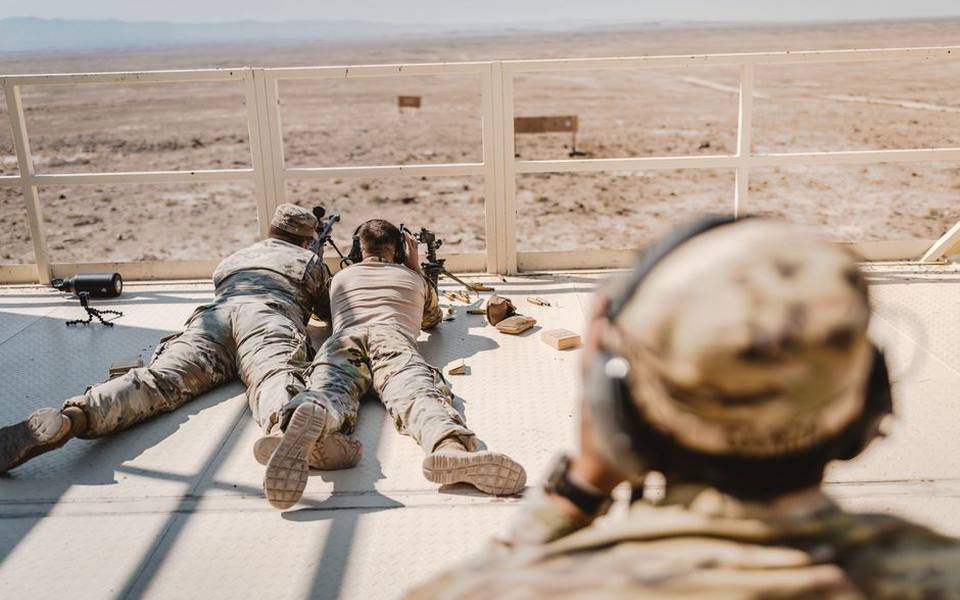
Heading into the Front Range, finding a shooting range in Denver involves balancing urban indoor facilities with high-altitude public outdoor ranges managed by local counties or state wildlife agencies. High elevation changes exterior ballistics slightly, making bullet trajectories flatter over long distances due to thinner air. Indoor facilities in the Denver metro area provide reliable practice options during sudden winter snowstorms when outdoor mountain berms become inaccessible.
Further west, visiting a shooting range in Reno offers proximity to both modern suburban indoor facilities and vast, designated public shooting zones on Bureau of Land Management (BLM) land outside the city. Whether you prefer the structure of a supervised indoor line or the freedom of an outdoor desert backstop, you will find active competitive communities practicing precision pistol and dynamic carbine disciplines throughout northern Nevada.
Mid-Atlantic and East Coast Range Visits
In mid-Atlantic and eastern markets, range culture is shaped by population density and varying state transportation statutes. Locating a shooting range in Richmond VA puts shooters in contact with traditional sportsman clubs as well as modern indoor ranges that emphasize defensive pistol training. Shooters visiting gun stores in Virginia frequently take advantage of indoor ranges equipped with tactical lanes that allow drawing from a holster once a shooter completes a safety evaluation.
Further south, booking a lane at a shooting range in Raleigh NC connects you to a fast-growing firearms training scene. Facilities in the Research Triangle cater to recreational target shooters and competitive athletes alike, with outdoor clubs offering specialized steel challenge pits, 3-gun bays, and multi-tier membership options. These clubs often require new members to attend a dedicated range safety orientation before granting access to unmonitored outdoor bays.
Further north along the eastern seaboard, state statutes require closer attention before heading to the line. Looking for a shooting range in Delaware typically leads to commercial indoor facilities, as open public land for recreational shooting is limited. When seeking out a shooting range in Rhode Island, visitors must remain mindful of strict state transport laws, magazine capacity ceilings, and lane reservation procedures. In these dense coastal states, commercial ranges serve as essential community training hubs where shooters can practice while remaining strictly compliant with local regulations.
Navigating West Coast Ranges in Riverside and Beyond
Operating within California requires understanding state-specific statutory requirements before you step into a shooting stall. Visiting a shooting range in Riverside or anywhere within the Inland Empire requires compliance with stringent ammunition purchasing protocols. If you intend to purchase ammunition at the range counter to use during your session, state law requires a background check unless you bring your own factory-boxed ammunition purchased through licensed gun stores in California.
Ranges in Southern California also operate under rigorous environmental standards regarding air quality, ventilation, and lead containment. Modern facilities in Riverside County invest heavily in advanced HEPA filtration systems and laminar airflow designs, keeping particulate lead moving consistently away from the shooter's breathing zone. Outdoor public ranges in the area feature shaded shooting benches and mandated steel plate distances to minimize fire risk during dry summer conditions.
Transporting your firearms to a California range requires strict adherence to locked container laws. All handguns and registered long guns must remain completely unloaded and stored inside a locked case or vehicle trunk during transit. Arriving at the range counter with an unlocked range bag or loaded magazines stored in the same compartment as the firearm can create legal issues before you even pay for your lane.
Ammunition Limits and Brass Policies
Ranges routinely impose strict ammunition restrictions to preserve their backstops and minimize airborne toxic metals. Indoor ranges frequently ban steel-core, armor-piercing, and bimetal jacketed rounds. RSOs often use a hand magnet at check-in to test the bullet tips of your boxed ammunition; if the magnet adheres to the projectile, the round contains steel that could erode the range's metal trap plates or generate dangerous sparks that ignite unburnt powder on the lane floor.
Shotgun usage is similarly controlled depending on the facility setup. Indoor ranges almost universally prohibit birdshot or target loads because the small pellets can ricochet erratically off target carriers and lane dividers. If an indoor lane permits 12-gauge shotguns, they typically mandate solid lead rifled slugs or heavy buckshot. Outdoor ranges may offer dedicated trap, skeet, or sporting clay courses where birdshot is standard, but they will prohibit slugs on those specific clay fields.
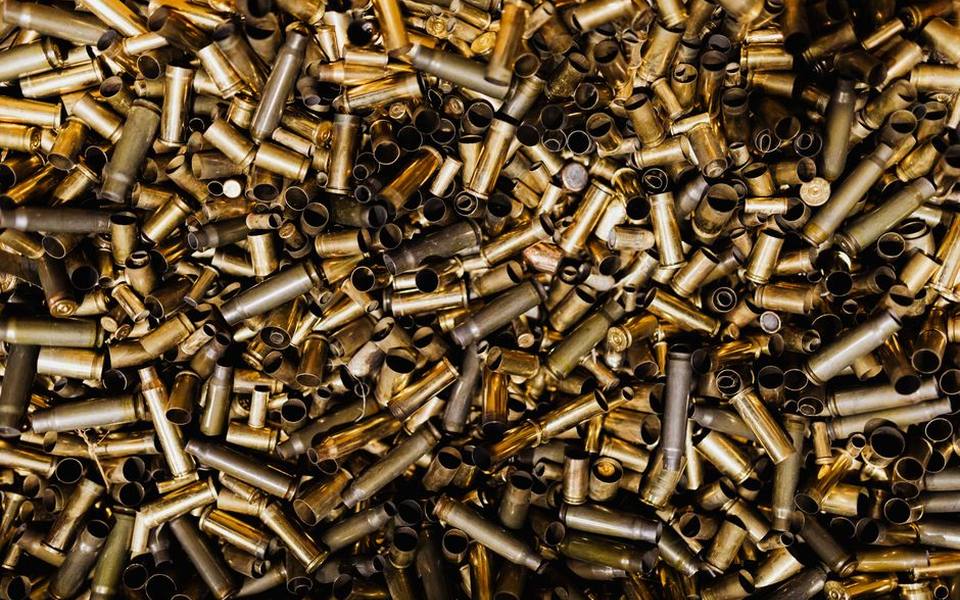
Understanding brass etiquette is another basic aspect of range courtesy. Most facilities operate on a 'clean up your stall' expectation, meaning you should sweep your spent cartridge casings forward of the firing line or into the collection buckets when your session ends. Some ranges enforce a strict 'brass stays here' rule, while others permit shooters to collect their own spent brass for reloading, provided you do not reach across the active firing line to retrieve fallen casings.
Specialty Firearms, Suppressors, and Advanced Drills
If you own or want to shoot NFA-regulated items such as suppressors, short-barreled rifles, or fully automatic firearms, verify range policy before arriving. Many modern commercial ranges welcome suppressed firearms because they dramatically reduce overall decibel levels in the shooting bay. Some indoor centers partnered with licensed Class 3 / NFA dealers even maintain machine guns and suppressed carbines in their rental fleet for experiential shooting packages.
Shooting tempo, specifically rapid fire, is heavily regulated at most commercial establishments. Many facilities enforce a 'one shot per second' rule to ensure shooters maintain positive control of their sights and prevent stray rounds from striking the ceiling baffles or floor tracks. Controlled rapid fire, double-taps, or bill drills are usually restricted to advanced tactical bays or reserved for shooters who have passed a range holster-draw qualification test.
Drawing a handgun from a holster introduces unique safety liabilities. Most standard lanes prohibit drawing from an inside-the-waistband or outside-the-waistband holster due to the risk of an accidental discharge during the draw stroke. If dynamic training is your goal, ask staff if the club offers holster certification courses, which allow vetted members to practice defensive draws during designated low-traffic hours.
First-Timer Preparation and Range Bag Essentials
Proper preparation before heading out ensures your range visit is smooth, comfortable, and safe. Your range bag should contain eye protection that meets ANSI safety ratings and hearing protection with an appropriate Noise Reduction Rating (NRR). Clear lenses work best for indoor shooting, while tinted lenses are practical for bright outdoor berms. Wearing high-collared shirts and closed-toe footwear prevents hot expelled brass casings from causing burns when they eject from neighboring stalls.
Organize your gear so your firearms, magazines, and ammunition can be processed quickly at the check-in desk. Keep all firearms fully unloaded in their cases until you are instructed to place them on the firing bench. Have a valid government-issued photo ID ready for the check-in process, as every range requires adult participants to read and sign an annual liability waiver before assigning a shooting stall.
If you encounter a firearm malfunction while shooting—such as a stovepipe, double feed, or failure to extract—keep the muzzle pointed squarely downrange while working the action to clear the stoppage. If you cannot clear the jam safely, place the firearm on the bench pointing toward the backstop, take your hands off the gun, step back, and raise your hand to signal the Range Safety Officer for assistance.
Published 2026-09-21 · reviewed with each rebuild, last September 2026.
Find gun stores near you
The directory lists 12,328 gun stores by state and city — pick your state or use the “Near me” button in the header.
More guides
-
 Buying
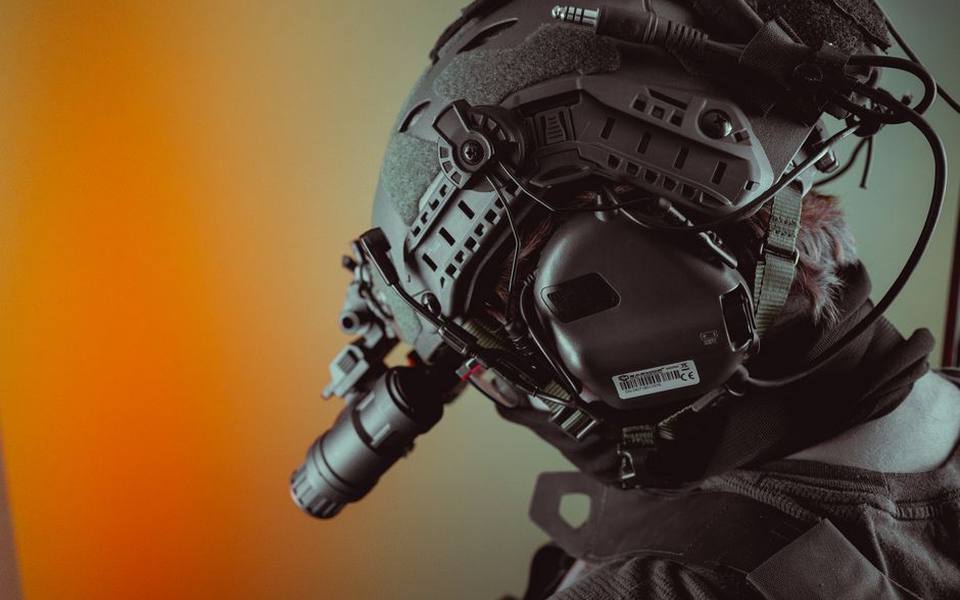
Night Vision, Caliber Choices, and Hearing Protection: The Practical Buyer Guide
-
 Owning
Muzzle Brakes vs Pistol Compensators: Mechanics, Tuning, and Ownership Costs
-
 Owning
Where to Get Fingerprints for Gun Permits, Hearing Gear, and Range Prep
-
 Owning
How to Remove Rust from a Gun Safely Without Damaging the Finish
-
 Buying
Choosing a Skeet Shotgun: Balance, Gauges, and Barrel Specs
-
 Safety
Stun Guns, Tasers, and Protective Range Gear: Practical Buyer's Guide
-
 Buying
Choosing Practical Firearms for Home Defense and Daily Carry
-
 Buying
FFL Transfer Fees and Process Explained: What to Expect at the Counter
-
 Service
Fingerprinting Services, IdentoGO, and FBI Background Checks: The Complete Guide
-
 Storage
Gun Safes and Fireproof Storage: Biometric Safes, Cabinets, and Dehumidifiers
-
 Safety
Body Armor and Ballistic Plates: Threat Levels, Plate Materials, and Carrier Sizing
-
 Safety
Shooting Hearing Protection: Electronic Earmuffs, Custom Earplugs, and Noise Reduction
-
 Owning
Shooting Targets, Clay Throwers, and Range Rests Guide
-
 Owning
Concealed Carry Holsters: Kydex, Leather, IWB, OWB, and Specialized Rigs
-
 Owning
Rifle and Shotgun Slings: Single-Point, Two-Point, and Mounting Hardware
-
 Owning
Everyday Carry and Tactical Accessories: Range Bags, Gun Locks, and Practical Gear
-
 Owning
Gun Cleaning Kits and Maintenance: Cleaners, Oils, and Solvents
-
Safety
Everyday and Noise Reduction Earplugs: A Practical Comparison Guide
-
 Safety
Firearm Safety Rules, Concealed Carry Courses, and Tactical Shooter Training
-
 Service
Rifle Customization, Caliber Selection, and Bench Work: A Guide to Practical Gunsmithing and Reloading
-
 Safety
Shooting and Hearing Protection: Guide to Earmuffs, Plugs, and Electronic Defenders
-
 Buying
Choosing Spotting Scopes, Binoculars, and Specialized Night Optics
-
 Safety
Active Shooter Response, Tactical Handgun Courses, and Firearm Safety Training Guide
-
 Buying
Night Vision Optics and Spotting Scopes Buyer's Guide
-
 Buying
Firearm Valuation, Appraisal, and Used Buying Guide
-
Safety
Layering Personal Defense: Less-Lethal Tools, Purpose-Built Firearms, and Medical Gear
-
 Buying
Hunting Ammunition, Calibers & Reloading Supplies Guide
-
 Owning
Concealed Carry Reciprocity, Licensing Basics, and Buying Regulations Explained
-
 Service
Custom Gunsmithing, Barrel Modifications, and AR-15 Upgrades Guide
-
 Owning
Target Shooting & Clay Sports Guide: Air Rifles, Ranges & Eye Protection
-
Storage
Essential Firearm Storage, Cases, Recoil Pads, and Rig Systems
-
 Safety
The Ultimate Guide to Shooting Hearing Protection and Electronic Earmuffs
-
 Owning
Dry Fire Training Systems, Timers, and At-Home Practice Routines
-
 Owning
State Firearm Rules, Training Courses, and Range Guidelines
-
Owning
Essential Tactical Gear, EDC Equipment, Shooting Gloves, and Range Bags
-
 Owning
Everyday Carry Holsters and Wearable Gear: A Practical Selection Guide
-
 Owning
Firearm Upgrades and Tuning: Gas Blocks, Sights, and Mounts
-
 Owning
CCW Permits, Licensing Laws, and Background Check Fingerprinting Guide
-
 Storage
Firearm Safes and Secure Storage: Humidity Control, Security Standards, and Storage Solutions