How Concealed Carry Licensing and Background Checks Work Together
Applying for a concealed carry gun license involves far more than simply filling out contact details and submitting a photo. While buying a firearm over the counter usually triggers an instant computerized name check, state licensing boards hold applicants to an elevated legal standard. Obtaining a formal carry permit requires issuing authorities to establish positive biometric proof of your identity before confirming your eligibility to legally carry a concealed weapon in public spaces.
The cornerstone of this vetting procedure is fingerprint-based screening. Name-based background reviews can occasionally produce false positives or miss records if an individual shares a common name, changes aliases, or has minor clerical errors in court filings. Capturing physical friction ridge impressions ties an applicant directly to their unalterable criminal history record, providing licensing bodies with an irrefutable audit of past encounters with law enforcement across local, state, and national jurisdictions.
Even as many states adopt permitless or constitutional carry measures, the demand for formal carry credentials remains remarkably robust. Responsible handgun owners regularly seek state-issued permits to take advantage of reciprocal recognition agreements when traveling across state lines, bypass standard dealer waiting periods, or carry in specific sensitive zones where unlicensed carry remains restricted. Understanding how licensing authorities verify your background ensures you can navigate the application pipeline without unnecessary delays.
Navigating State Bureau of Criminal Identification Checks
In several states, particularly in the Intermountain West and parts of the Midwest, firearm permits and background investigations are coordinated through an entity designated as a Bureau of Criminal Identification. Submitting to a BCI check means your identifying data and criminal record profile are run through a centralized state repository that aggregates county arrest records, active warrants, domestic protective orders, and disposition documentation from municipal benches.
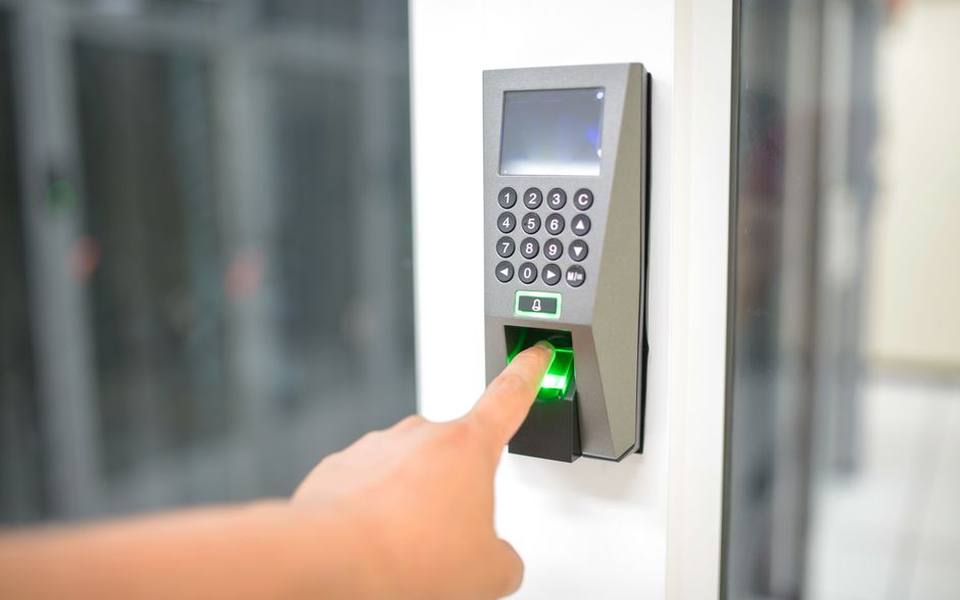
When an applicant completes a BCI fingerprint submission, certified technicians capture rolling impressions either digitally or on standardized hard-copy cards. This biometric record allows analysts to conduct an exhaustive state-level repository audit before forwarding the profile to national clearinghouses. In states like Utah or Ohio, this bureau acts as the operational nerve center for all civilian handgun licensing, ensuring that municipal clerks do not issue credentials without comprehensive state-level clearance.
Navigating bureau guidelines requires close attention to agency-specific submission procedures. Many state identification divisions require applicants to utilize designated third-party electronic capture vendors or visit regional bureau customer service desks in person. Processing timelines through a state identification bureau typically range from a few business days to several weeks, depending heavily on current seasonal volume and whether manual fingerprint classification is necessary due to degraded ridge detail.
Applicants should remember that state identification files frequently contain unadjudicated charges or old arrests where final court dismissals were never properly reported by municipal clerks. If a past administrative encounter appears during your state repository review, the agency may temporarily freeze your application until you furnish certified copies of the final court disposition.
Department of Public Safety Protocols in Southwestern States
Throughout the American Southwest, primary responsibility for concealed weapon permitting frequently rests with a statewide Department of Public Safety. Navigating DPS fingerprinting requirements is a familiar step for residents seeking formalized carry credentials, private security credentials, or specialized state clearance cards. These departments operate specialized licensing units dedicated exclusively to processing firearm applications, verifying instructor credentials, and maintaining ongoing compliance rosters.
In jurisdictions like Arizona, fulfilling the AZ DPS fingerprint requirement involves submitting clear prints taken by an authorized law enforcement agency or an approved commercial electronic vendor. While Arizona residents enjoy constitutional carry within state boundaries, thousands still apply for the state credential annually. A valid state permit provides legal reciprocity with dozens of other states and allows lawful carry in certain state parks and licensed establishments serving food where unlicensed carry is barred.
DPS technicians cross-reference fingerprint packages against both state central repositories and interstate databases. If you are sourcing firearms or testing equipment through local gun stores in Arizona, staff members often point new owners toward the correct DPS packet forms and approved regional fingerprinting locations. Ensuring your paperwork precisely matches the personal information on your fingerprint card avoids administrative rejections that reset statutory processing clocks.
Texas Handgun Licensing and Reciprocity Standards
Obtaining a concealed carry handgun license Texas residents rely on—officially designated as the License to Carry or LTC—remains popular despite the state passing landmark permitless carry legislation. The Texas Department of Public Safety oversees the LTC program, mandating an online application, an approved classroom and proficiency course, and fingerprinting scheduled through the state's contracted digital enrollment vendor. This structured process guarantees that cardholders have demonstrated practical marksmanship and legal understanding.
Qualifying for the license requires range time where applicants demonstrate basic firearm safety and shooting competence at standard target distances. Many prospective permittees visit gun shops with on-site shooting ranges to practice course-of-fire strings, test duty ammunition, and complete the live-fire qualification under the watchful eye of a certified state instructor. Demonstrating proficiency in a controlled environment builds core handling habits that carry forward into daily defensive carry.
For Texans, holding a formal LTC brings significant legal and procedural advantages that permitless carry does not offer. A valid LTC serves as an approved alternative to the federal instant background check when purchasing handguns or long guns at licensed retailers throughout the state. Browsing the extensive selection at gun stores in Texas is noticeably streamlined for permit holders, who can complete federal documentation and transfer their purchases without waiting on computerized queue approvals from federal review centers.
Colorado and Rocky Mountain Regional Bureau Systems
Across the central Rockies, licensing structures balance local sheriff authority with centralized state technical clearinghouses. Fulfilling CBI fingerprinting mandates through the Colorado Bureau of Investigation illustrates how dual-tier licensing operates. In this framework, your local county sheriff serves as the statutory issuing authority who ultimately approves or denies the permit, while the state bureau provides the mandatory biometric background infrastructure.
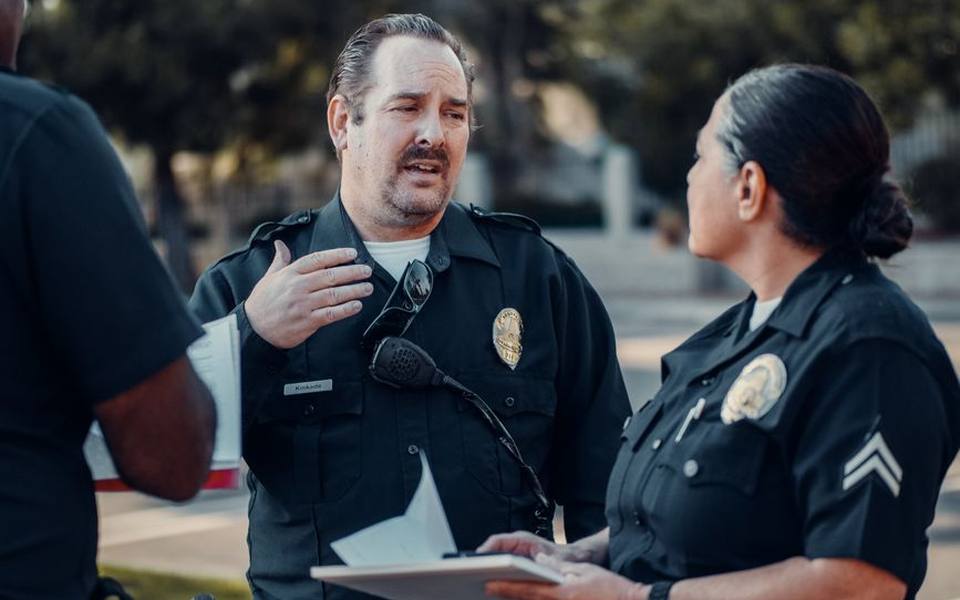
Applicants in this region typically complete their digital fingerprinting through authorized third-party identity networks that interface directly with state law enforcement databases. Once captured, the biometric data feeds directly into bureau databases to search for felony convictions, domestic violence misdemeanor entries, active civil restraining orders, and pending indictments before an automated summary packet is transmitted back to the investigating sheriff's department.
Because county sheriffs retain broad investigative discretion under state statutes, turnaround periods can vary widely from rural mountain counties to bustling metropolitan centers. Applicants should schedule their digital fingerprint capture immediately after lodging paperwork with their county sheriff, as state law generally mandates that statutory review windows only begin once the sheriff receives the completed bureau biometric assessment.
Local Police Departments and County Sheriff Walk-Ins
Depending on the statutory framework of your home state, local police department fingerprinting desks or county sheriff civil divisions may serve as your primary point of intake. In many non-urban counties, visiting the local municipal precinct or county detention lobby remains the standard method for obtaining ink-rolled or electronic fingerprint cards. These sessions are typically supervised by dedicated community service officers, sworn deputies, or civilian records technicians.
Local law enforcement agencies often maintain specific operating windows for non-criminal fingerprinting, often requiring advance appointments through municipal web portals. When arriving for an appointment, you will generally be expected to present valid government identification, pay a modest administrative processing fee, and bring the specific blank applicant cards prescribed by your state licensing board or county clerk.
Working directly with your local police department offers distinct practical benefits. Experienced records technicians understand the precise impression quality standards required by state review boards, drastically lowering the odds of physical rejection. Furthermore, having your cards rolled locally allows administrative personnel to begin verifying residency records, local ordinance checks, and municipal citation logs concurrently with broader state-level screening.
State Police and Highway Patrol Fingerprinting Services
In states where county sheriffs do not handle civilian firearm licensing, the state police or highway patrol barracks frequently manage intake, verification, and fingerprint collection. Choosing state police fingerprinting options often ensures that your biometric files enter the screening system at the highest tier of the state repository, eliminating the transmission lags that can occur when smaller municipal agencies batch and forward paper records.
When utilizing state patrol fingerprinting facilities, applicants are typically routed to regional headquarters, district barracks, or commercial testing hubs authorized to capture prints on behalf of state troopers. These facilities specialize in high-throughput digital capture, using optical flatbed scanners that instantly evaluate ridge clarity, contrast ratios, and pattern completeness against stringent national biometric standards.
State police licensing divisions are also typically tasked with monitoring automated subscription services, often referred to as recurrent vetting systems. Once your prints are logged into the state police repository, the system continuously cross-checks active permit rosters against incoming arrest records. This automated mechanism alerts state regulators immediately if an active license holder is arrested or becomes legally prohibited, maintaining community safety standards without requiring burdensome annual re-application cycles.
The Federal Layer and FBI Identity History Summaries
Regardless of whether your initial paperwork is collected by a local police department, a county sheriff, or a state highway patrol barracks, almost all concealed carry vetting includes an FBI fingerprint check. The Criminal Justice Information Services division of the FBI maintains the Next Generation Identification database, which houses biometric criminal profiles submitted by law enforcement agencies from every state, territory, and federal district.
During this federal review, state licensing officials submit your biometric data electronically to CJIS to surface out-of-state convictions, military dishonorable discharges, federal felony records, immigration violations, and fugitive warrants. Because state repositories do not routinely catalog out-of-state minor offenses or federal convictions unless specifically shared, the federal layer represents the most critical safety net in the carry licensing evaluation.
The federal background sweep operates under stringent statutory timelines, generally returning digital summary reports to state licensing units within twenty-four to forty-eight hours of electronic transmission. However, if your prints match an historical arrest record lacking a recorded final outcome, federal technicians must request updated court documents from the original reporting jurisdiction, which can extend the permit evaluation window considerably.
Live Scan Electronic Submission Versus Traditional Blue Ink Cards
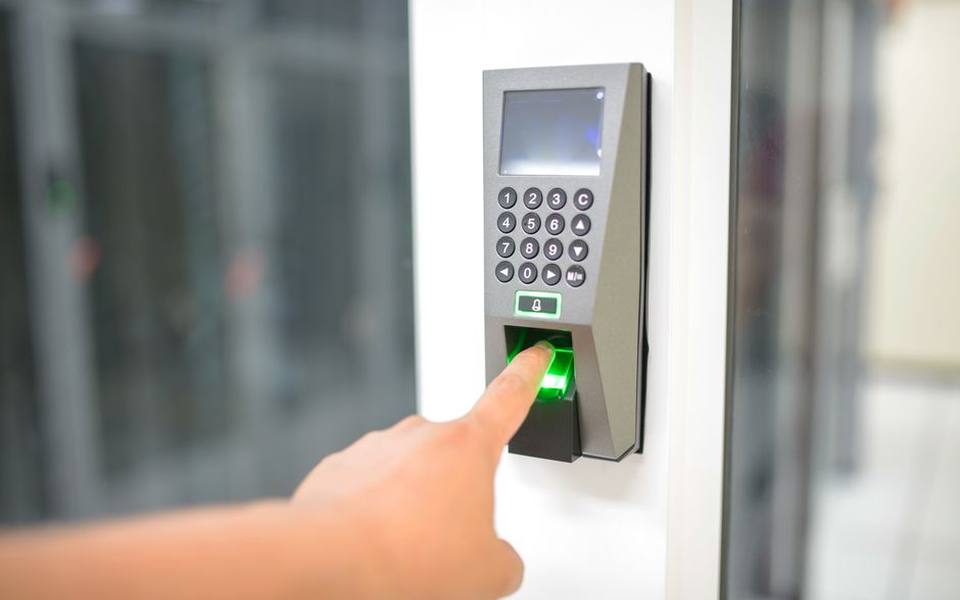
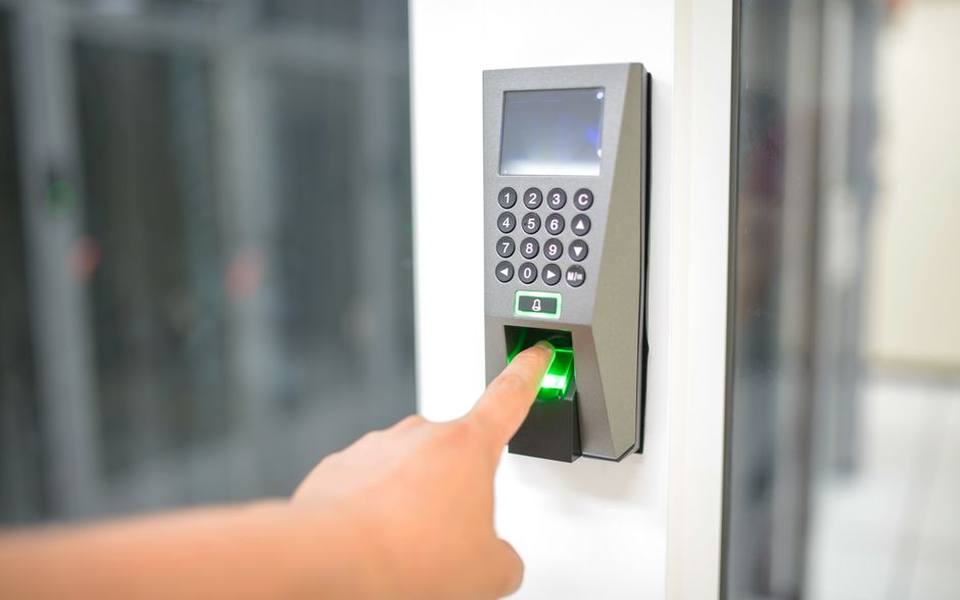
The modern licensing landscape utilizes two primary methods for capturing biometric records: optical Live Scan electronic systems and traditional ink-rolled impressions on blue-lined standard applicant cards, formally designated as standard form FD-258. Live Scan systems use illuminated glass platens to digitally map ridge patterns, providing real-time feedback on impression quality, roll angles, and contrast before any data is sent across secure agency channels.
Despite the widespread adoption of electronic kiosks, physical ink cards remain essential in many scenarios. Applicants applying for non-resident permits in distant states, gun owners living in remote rural communities without certified digital terminals, and individuals purchasing specialized gear through registered FFL transfer service channels often rely on traditional ink cards. When submitting physical forms, print quality is critical; smudges, light spots, or misaligned rolls will prompt the automated optical readers at state clearinghouses to kick the cards back for re-rolling.
To ensure ink cards are accepted on the first attempt, visit an experienced professional who understands proper rolling mechanics. Technicians should thoroughly clean your fingers with alcohol wipes, allow the skin to dry completely, apply an even coat of printer-grade ink, and roll each digit from nail edge to nail edge without sliding or double-striking. Hand moisturizers should be avoided on the morning of fingerprinting, as oily residues can soften epidermal ridges and create blurred impressions on paper stock.
Preparing Your Application Package for a Smooth Approval
Assembling your application requires systematic preparation to prevent bureaucratic holdups. Start by gathering all underlying documentation well before scheduling your fingerprinting appointment. This typically includes your state-approved firearms safety or marksmanship training certificate, a certified copy of your birth certificate or valid U.S. passport, complete residential history spanning the statutory timeframe, and any documented military discharge records.
Pay careful attention to application fee structures and payment methods. While some modern licensing portals allow digital credit card transactions during online intake, many sheriff offices and state identification windows still require exact cash, money orders, or certified cashier checks made payable to specific departmental accounts. Submitting incorrect fee amounts or failing to account for separate local administrative fees will immediately halt processing.
Once your full application and fingerprint packet are submitted, track your status via the agency's dedicated online portal rather than telephoning processing desks. Most state bureaus provide automated status dashboards that illustrate when background checks clear and when physical cards enter the printing queue. Maintaining personal copies of every completed form, fingerprint receipt, and postal tracking number provides peace of mind and an ironclad paper trail should any portion of your file require administrative clarification.
Published 2026-09-21 · reviewed with each rebuild, last September 2026.
Find gun stores near you
The directory lists 12,328 gun stores by state and city — pick your state or use the “Near me” button in the header.
More guides
-
 Buying
Night Vision, Caliber Choices, and Hearing Protection: The Practical Buyer Guide
-
 Owning
Muzzle Brakes vs Pistol Compensators: Mechanics, Tuning, and Ownership Costs
-
 Owning
Where to Get Fingerprints for Gun Permits, Hearing Gear, and Range Prep
-
 Owning
How to Remove Rust from a Gun Safely Without Damaging the Finish
-
 Buying
Choosing a Skeet Shotgun: Balance, Gauges, and Barrel Specs
-
 Safety
Stun Guns, Tasers, and Protective Range Gear: Practical Buyer's Guide
-
 Buying
Choosing Practical Firearms for Home Defense and Daily Carry
-
 Buying
FFL Transfer Fees and Process Explained: What to Expect at the Counter
-
 Service
Fingerprinting Services, IdentoGO, and FBI Background Checks: The Complete Guide
-
 Safety
Indoor and Outdoor Shooting Ranges: Etiquette, Rules, and Memberships
-
 Storage
Gun Safes and Fireproof Storage: Biometric Safes, Cabinets, and Dehumidifiers
-
 Safety
Body Armor and Ballistic Plates: Threat Levels, Plate Materials, and Carrier Sizing
-
 Safety
Shooting Hearing Protection: Electronic Earmuffs, Custom Earplugs, and Noise Reduction
-
 Owning
Shooting Targets, Clay Throwers, and Range Rests Guide
-
 Owning
Concealed Carry Holsters: Kydex, Leather, IWB, OWB, and Specialized Rigs
-
 Owning
Rifle and Shotgun Slings: Single-Point, Two-Point, and Mounting Hardware
-
 Owning
Everyday Carry and Tactical Accessories: Range Bags, Gun Locks, and Practical Gear
-
 Owning
Gun Cleaning Kits and Maintenance: Cleaners, Oils, and Solvents
-
Safety
Everyday and Noise Reduction Earplugs: A Practical Comparison Guide
-
 Safety
Firearm Safety Rules, Concealed Carry Courses, and Tactical Shooter Training
-
 Service
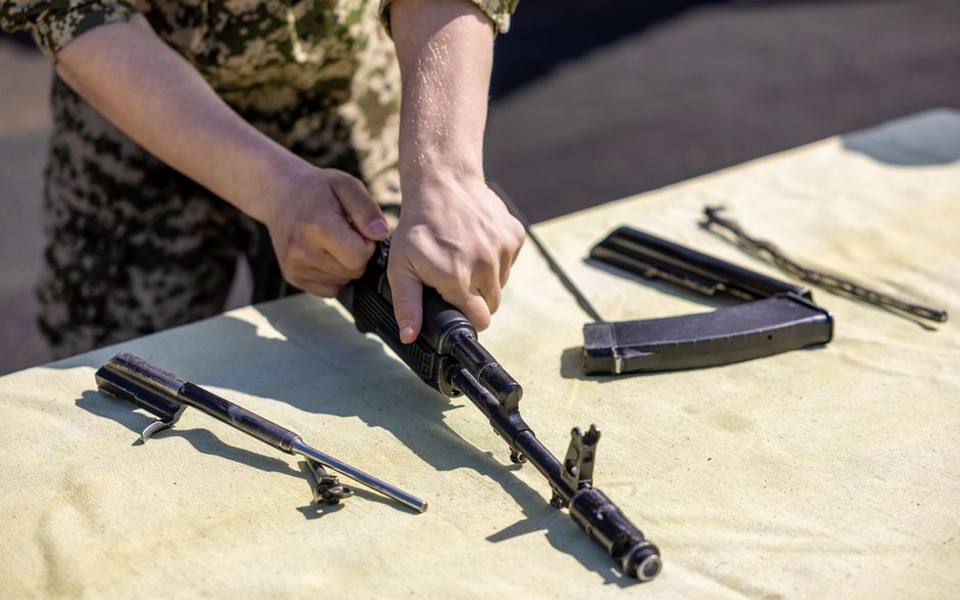
Rifle Customization, Caliber Selection, and Bench Work: A Guide to Practical Gunsmithing and Reloading
-
 Safety
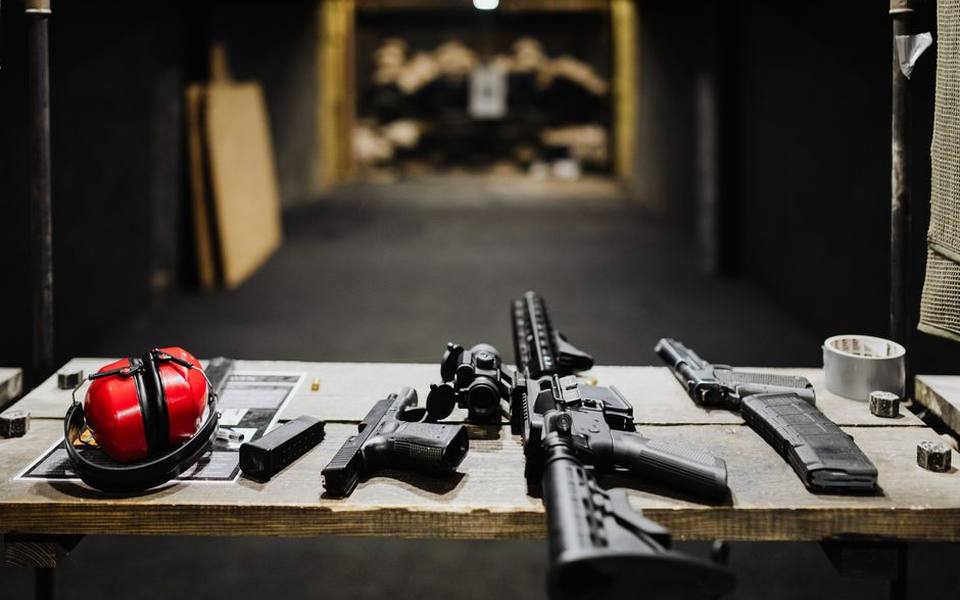
Shooting and Hearing Protection: Guide to Earmuffs, Plugs, and Electronic Defenders
-
 Buying
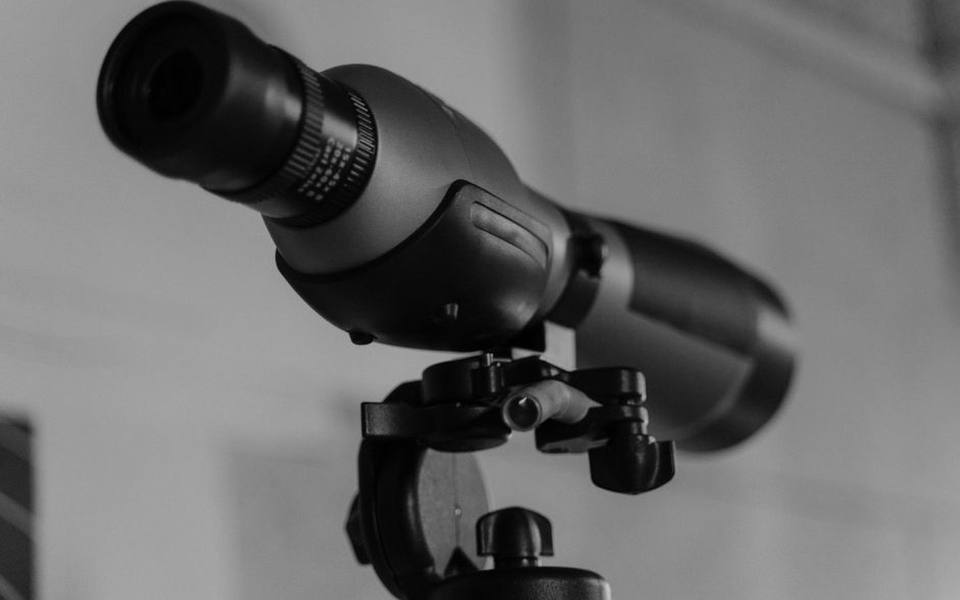
Choosing Spotting Scopes, Binoculars, and Specialized Night Optics
-
 Safety
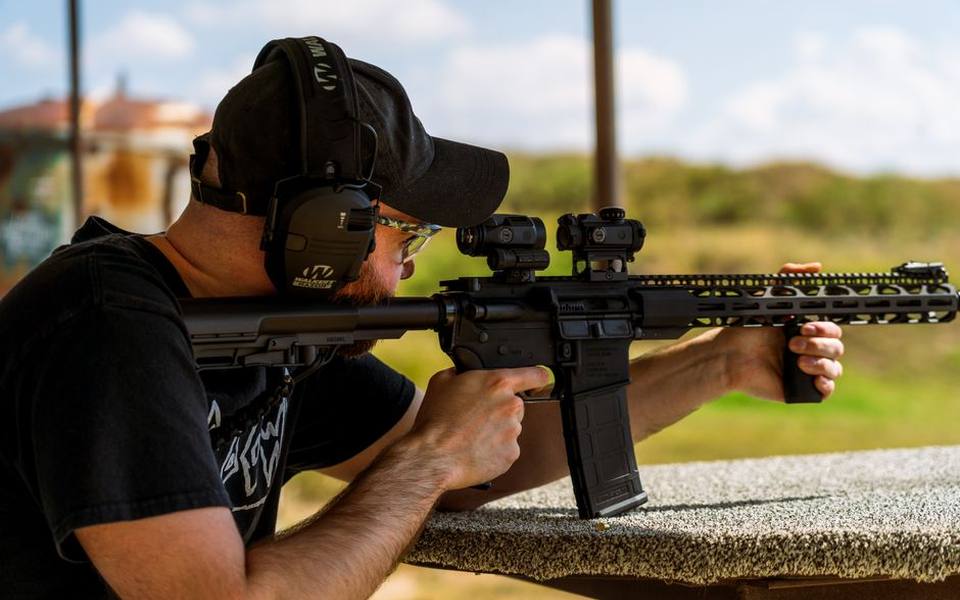
Active Shooter Response, Tactical Handgun Courses, and Firearm Safety Training Guide
-
 Buying
Night Vision Optics and Spotting Scopes Buyer's Guide
-
 Buying
Firearm Valuation, Appraisal, and Used Buying Guide
-
Safety
Layering Personal Defense: Less-Lethal Tools, Purpose-Built Firearms, and Medical Gear
-
 Buying
Hunting Ammunition, Calibers & Reloading Supplies Guide
-
 Owning
Concealed Carry Reciprocity, Licensing Basics, and Buying Regulations Explained
-
 Service
Custom Gunsmithing, Barrel Modifications, and AR-15 Upgrades Guide
-
 Owning
Target Shooting & Clay Sports Guide: Air Rifles, Ranges & Eye Protection
-
Storage
Essential Firearm Storage, Cases, Recoil Pads, and Rig Systems
-
 Safety
The Ultimate Guide to Shooting Hearing Protection and Electronic Earmuffs
-
 Owning
Dry Fire Training Systems, Timers, and At-Home Practice Routines
-
 Owning
State Firearm Rules, Training Courses, and Range Guidelines
-
Owning
Essential Tactical Gear, EDC Equipment, Shooting Gloves, and Range Bags
-
 Owning
Everyday Carry Holsters and Wearable Gear: A Practical Selection Guide
-
 Owning
Firearm Upgrades and Tuning: Gas Blocks, Sights, and Mounts
-
 Storage
Firearm Safes and Secure Storage: Humidity Control, Security Standards, and Storage Solutions