What Makes a Shotgun Excel on the Skeet Field
Finding the best skeet shooting shotgun comes down to how naturally the firearm moves with your upper body rather than raw firepower. Skeet is a game of consistent angles, fixed stations, and predictable target flights, which means a shooter needs a smooth, repeatable mount and an uninterrupted swing. While field guns are built lightweight for long walks upland, dedicated target guns carry more mass to absorb recoil across hundreds of rounds and keep swing momentum steady.
Over-and-under shotguns dominate the discipline because they offer two different choke constrictions, immediate barrel selection, and zero cycling delays. Gas-operated semi-automatics also make a strong case as the best skeet shooting gun for high-volume shooters who want to tame felt recoil. Semi-automatics require more regular cleaning to ensure reliable cycling with light target loads, but their softer impulse lets beginners and seasoned shooters stay comfortable throughout long tournament weekends.
Before settling on a purchase, prospective buyers benefit greatly from handling several platform styles at local shops or visiting gun shops with on-site shooting ranges. Feeling how a gun comes to the shoulder reveals whether the stock drops naturally into your pocket or forces your cheek into an awkward weld. A shotgun that fits your posture will always break more clays than an expensive model that fights your natural line of sight.
Choosing the Right Gauge for Skeet
The 12-gauge remains the standard benchmark for American skeet, providing dense, forgiving patterns that reliably disintegrate clays from station one through station eight. Standard target loads typically fire one-ounce or one-and-one-eighth-ounce shot payloads, delivering ample pellet counts without excessive chamber pressure. However, the accumulated recoil of multiple 100-target rounds can cause fatigue, which makes the 20-gauge an increasingly popular alternative for club shooters seeking a milder shooting experience.
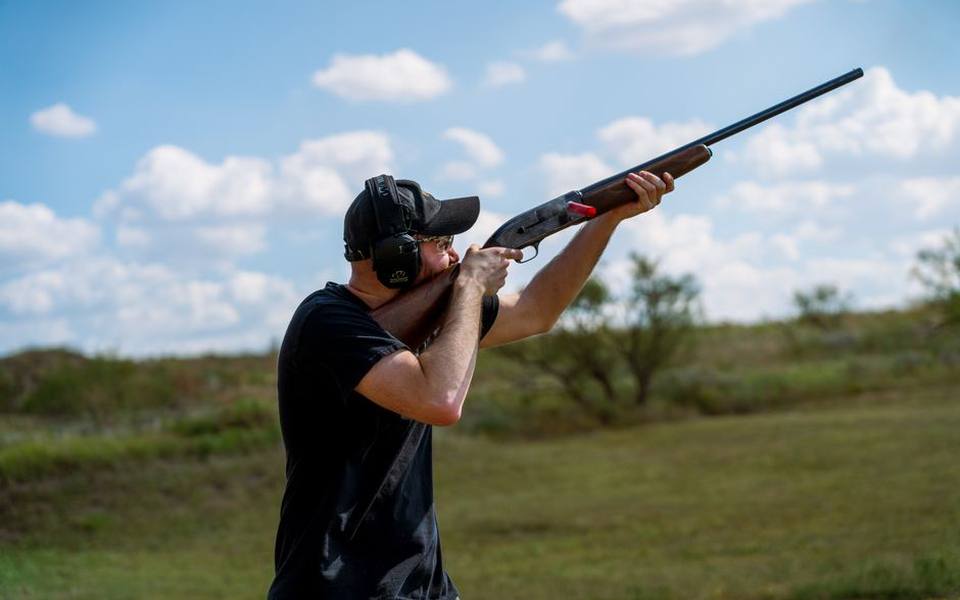
Sub-gauge skeet introduces 28-gauge and .410 bore into competitive circuits, demanding far tighter swing discipline and precision lead. The 28-gauge is widely celebrated for its remarkably efficient ballistics, throwing clean, uniform patterns with negligible recoil that make it an absolute pleasure on the range. The .410 bore, by contrast, challenges even expert shooters due to its slender shot string and sparse pattern density at crossing distances.
Ammunition cost and availability also influence gauge selection. While 12-gauge and 20-gauge target loads are stocked in virtually every sporting goods retailer, sub-gauge factory boxes typically command higher prices. Shooters who spend heavy seasons running 28-gauge or .410 platforms frequently frequent shops carrying reloading supplies to press their own target hulls, significantly reducing their per-box ammunition expenses over time.
Barrel Length, Balance Point, and Swing Dynamics
Modern skeet has trended away from the ultra-short barrels common decades ago, shifting firmly toward 30-inch and 32-inch configurations on over-and-under platforms. While 26-inch and 28-inch barrels point quickly, their low forward mass makes them prone to erratic, jerky movements and premature stopping on crossing shots. Longer barrels lengthen the sighting plane, smooth out the acceleration of your swing, and help maintain continuous follow-through after the trigger pull.
Balance is defined by where the center of mass rests along the receiver. On a well-tuned skeet gun, the balance point typically sits right on or slightly ahead of the hinge pin, creating neutral handling that neither dives toward the dirt nor drags rearward into your shoulder. A muzzle-heavy gun tires the lead arm and slows target acquisition on rapid doubles, while a receiver-heavy layout feels excessively whippy.
Because semi-automatic shotguns feature longer receivers than break-action designs, a 28-inch semi-auto often shares the same overall length and forward reach as a 30-inch over-and-under. Shooters should consider total gun length rather than barrel measurement alone when comparing different action types. Adding small barrel weights or weighted stock caps is a common way competitors fine-tune their personal balance preferences.
Stock Fit, Comb Height, and Choke Selection
Because a shotgun is pointed rather than aimed, your eye serves as the rear sight, making correct stock dimensions critical. Length of pull (LOP) dictates where your trigger finger sits and prevents your thumb from bumping your nose under recoil. Drop at comb and drop at heel determine vertical eye alignment over the rib; if the comb is too low, you see the back of the receiver, and if it is too high, you shoot over targets.
Cast describes the lateral bend in the stock to accommodate the contour of your chest and cheek. Right-handed shooters typically need a slight cast-off, while left-handed shooters require cast-on to place their dominant eye dead center down the rib. Consulting qualified gunsmiths to install an adjustable comb or shave down high wood can transform an ill-fitting firearm into a natural extension of your vision.
Choke constrictions for skeet are deliberately open because shots are taken between 15 and 22 yards. Dedicated skeet chokes (roughly .005 inches of constriction) or cylinder chokes allow the shot column to blossom rapidly into a wide, uniform pattern. Screwing in tight modified or full chokes handicaps the shooter with tiny margins of error, while appropriate skeet chokes provide roughly a thirty-inch pattern at break point distance.
Ribs, Sighting Beads, and Picatinny Rails Explained
Traditional clay shotguns feature a ventilated rib running along the top of the barrel, fitted with a front bead and occasionally a smaller mid-bead. The rib dissipates heat mirage during rapid shooting and offers a flat reference plane for peripheral vision. Shooters focus intently on the clay target itself rather than staring at the bead, trusting their eye alignment to track where the muzzle is pointing.
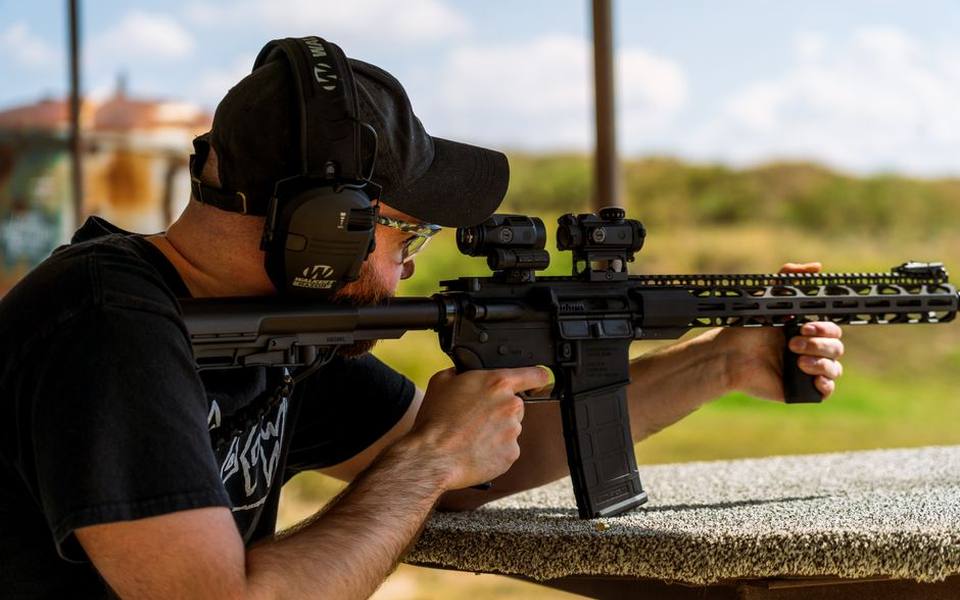
Shooters exploring different shooting platforms often ask what is a picatinny mount and whether it has a place on a clay gun. A Picatinny rail (standardized as MIL-STD-1913) is a bracket system characterized by recurring transverse slots with a flat top, designed to clamp optics, flashlights, and lasers onto tactical firearms and modern sporting rifles. The rail provides consistent spacing that allows accessories to be detached and remounted with minimal point-of-impact shift.
While Picatinny rails are standard equipment on defensive shotguns and hunting carbines, they are almost never installed on dedicated skeet shotguns. Adding a rail and an electronic optic raises the sighting plane substantially, disrupting the cheek weld and obscuring the wide, unobstructed field of view required to track crossing clays. Traditional flat or slightly stepped ribs remain the superior choice for tracking aerial targets.
Thermal Optics and Field Legality in Daylight
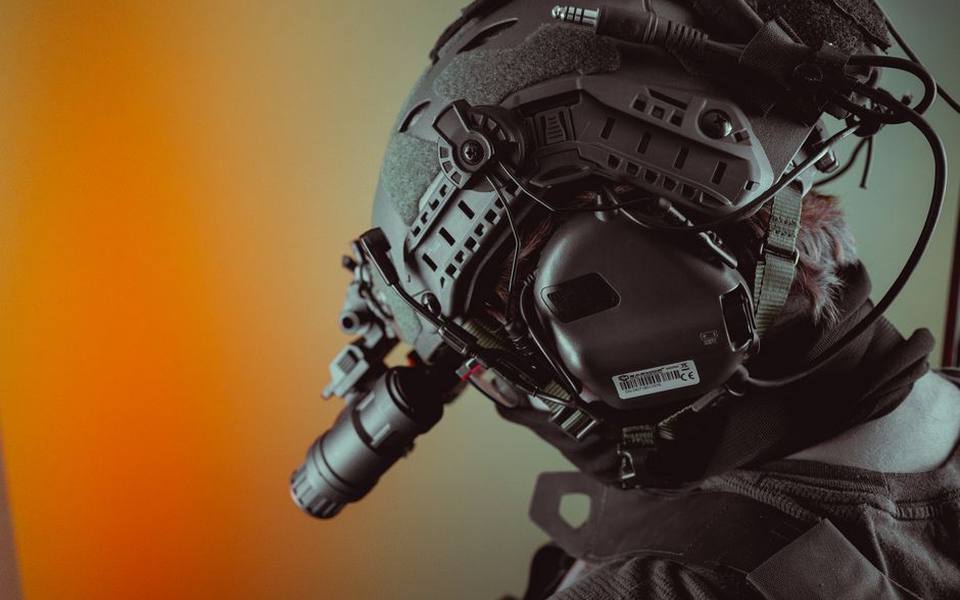
Many shotgunners who also hunt non-clay game frequently ask: can you hunt with a thermal scope during the day? The short answer is yes, modern thermal scopes function perfectly well in full daylight because they rely entirely on infrared heat signatures rather than light amplification. Unlike traditional night vision tubes that burn out when exposed to sunlight, thermal sensors detect minute temperature differences between living bodies and their surroundings regardless of the hour.
Daytime thermal hunting has grown particularly popular for locating feral hogs and invasive predators hidden in thick brush or standing crops where standard glass optics struggle to pierce camouflage. Sun-warmed rocks and reflective foliage can sometimes create visual clutter on thermal displays during midday heat, but adjusting gain and contrast settings allows hunters to pick out bedded game with remarkable clarity.
Hunters must always confirm local wildlife regulations before mounting thermal optics for game animals. In most states, thermal gear is permitted strictly for non-game, invasive species, or predator management, while state game codes generally prohibit thermal sights for taking regulated game species like white-tailed deer or migratory waterfowl. Responsible sportsmen verify current Department of Natural Resources rules before carrying thermal devices into the field.
NFA Paperwork, Suppressors, and Gun Trust Costs
Clays enthusiasts who want to minimize muzzle report or explore short-barreled field shotguns often enter the realm of the National Firearms Act (NFA). Items such as suppressors and short-barreled shotguns (SBS) require federal registration, fingerprint submission, and approval from the Bureau of Alcohol, Tobacco, Firearms and Explosives. Understanding the regulatory pathway helps buyers navigate these specialized purchases without legal missteps.
When purchasing NFA firearms, many owners establish a legal entity known as an NFA gun trust instead of filing as an individual. A gun trust provides flexibility by allowing multiple trustees to legally possess, transport, and use the registered equipment without the primary owner present. It also establishes clear estate succession instructions, ensuring firearms pass to designated beneficiaries without probate delays.
A common question among buyers is the typical nfa gun trust cost. In most states, basic standardized trust templates cost under one hundred dollars through retail kiosk services, while comprehensive, attorney-drafted trusts tailored to complex estates typically run several hundred dollars. Working with licensed Class 3 dealers streamlines the entire documentation workflow and electronic fingerprint submission.
Essential Hearing Protection at the Clay Range
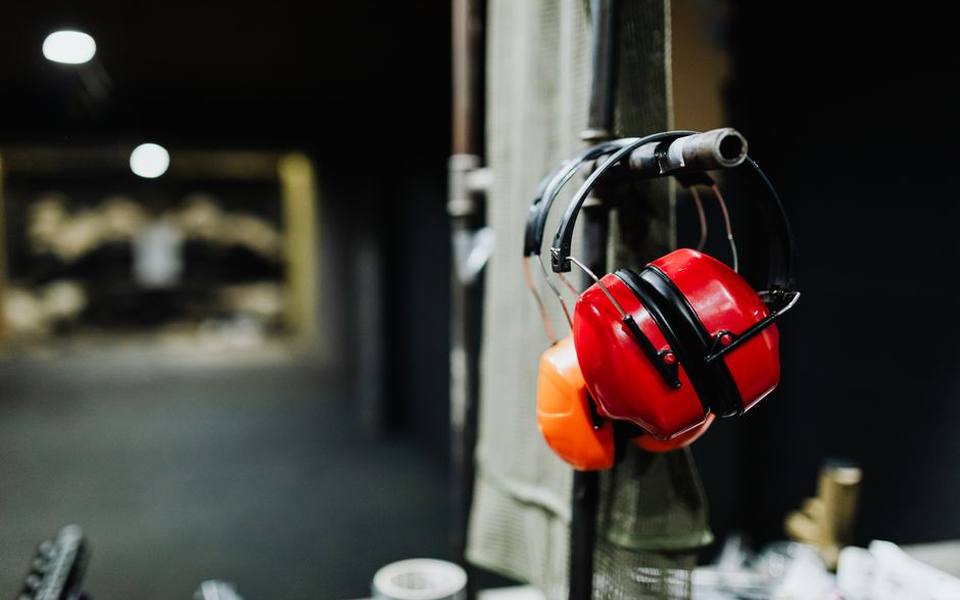
A single 12-gauge shotgun blast typically registers around 150 to 160 decibels, a concussive impulse capable of causing permanent, irreversible cochlear damage in milliseconds. Because a round of skeet exposes participants to dozens of nearby discharges from adjacent stations, investing in the best shooting ear pro is non-negotiable. Quality hearing protection preserves long-term auditory health while keeping shooters calm and focused during tournament squads.
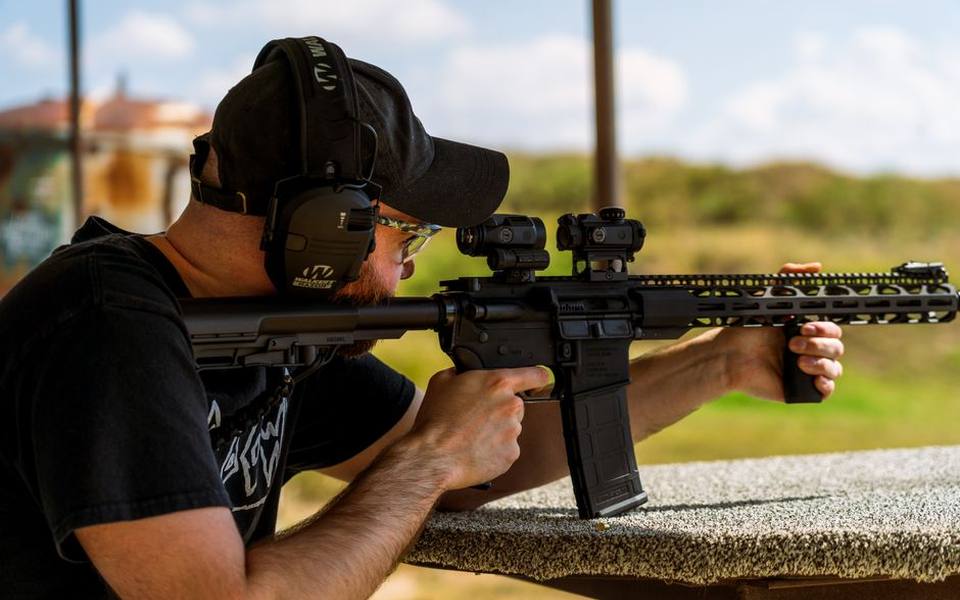
Determining the best range hearing protection depends largely on whether you prefer over-the-ear muffs or in-ear protection. While large passive muffs offer high decibel reduction, their bulky cups often collide with the shotgun comb during a rapid shoulder mount, breaking the acoustic seal and disturbing your aim. For shotgun sports, low-profile muffs with tapered lower contours or dedicated in-ear plugs are almost universally preferred.
Modern electronic range muffs and earbuds feature sound-activated compression circuits that amplify low-level ambient sounds—like the puller calling targets or squad safety instructions—while instantly suppressing concussive muzzle reports above 85 decibels. This situational awareness makes electronic hearing protection exceptionally convenient on busy clay ranges, eliminating the constant need to pull earplugs in and out between shooting stations.
Foam Earplugs, Reusable Options, and Noise Reduction
For budget-conscious shooters, the best foam ear plugs for shooting provide surprisingly high attenuation when inserted properly. Disposable polyurethane foam plugs expand slowly inside the ear canal, forming an airtight barrier with Noise Reduction Ratings (NRR) often reaching into the low thirties. However, their protective value drops drastically if users merely pinch them into the outer ear opening without rolling them tightly and pulling the outer ear up and back during insertion.

Shooters who practice regularly often graduate to the best reusable earplugs made of soft medical-grade silicone or thermoplastic elastomers. These multi-flanged designs slip in quickly, rinse clean under running water, and offer durable protection over months of range visits. High-quality reusable pairs frequently come with a pocket carrying case or neck cord to prevent them from dropping onto muddy shooting stands.
When seeking the best ear plugs for noise reduction across varied applications, fit and acoustic seal always take precedence over marketing claims. An expensive custom-molded plug or premium triple-flange plug with an inferior seal will let sound leak past, whereas an inexpensive plug properly seated provides total acoustic coverage. For indoor ranges or shooting beneath covered pavilions, doubling up with foam plugs under electronic muffs provides maximum peace of mind.
Tailored Protection: Range Plugs vs Musicians and Motorcyclists
Noise protection is not one-size-fits-all across different hobbies, and hearing gear engineered for concussive gunfire behaves very differently from the best ear plugs for musicians. Musicians require acoustic attenuation filters that drop volume evenly across all frequencies—bass, mids, and treble—without muddying the audio spectrum. In contrast, shooting plugs focus primarily on dampening high-amplitude, high-frequency shockwaves, which sounds muffled and unnatural during a musical performance.
Similarly, riders searching for the best ear plugs for motorcycle use face specific aerodynamic challenges. Highway riding creates low-frequency wind turbulence inside a helmet that can exceed 100 decibels, yet riders still need to hear traffic horns, emergency sirens, and intercom comms. Motorcycle earplugs feature ultra-flush stems that sit completely inside the ear canal so helmet padding does not press painfully against the ear cartilage during long touring rides.
Using motorcycle or acoustic musician plugs at a skeet range is not recommended because their open-channel acoustic filters are not engineered to stop the sudden peak pressure waves generated by heavy shotguns. Range protection must be rated specifically for impulse gunfire noise to prevent acoustic trauma. Keeping task-specific hearing protection in your range bag, instrument case, and bike jacket ensures optimal safety for every environment.
Evaluating Pre-Owned Shotguns at Local Retailers
Finding an exceptional skeet firearm does not require buying straight from the factory floor. Many dedicated clays enthusiasts upgrade platforms frequently, making reputable used gun stores prime locations to discover well-maintained over-and-under shotguns at realistic prices. Because competition guns are built for heavy round counts, a gently used mid-tier target shotgun often outperforms an entry-level field gun right out of the gate.
When examining a pre-owned break-action shotgun, remove the forend and attempt to wiggle the barrels laterally while the action is closed. Any wobble indicates hinge pin or locking lug wear that requires gunsmithing attention. Additionally, inspect the top opening lever; on a gun with plenty of service life remaining, the lever should sit cleanly to the right of center when locked, proving the locking block still has room to seat as parts wear.
Check the barrel bores with a bore light for pitting or heavy plastic wad buildup, inspect the condition of the ejectors, and examine the stock tang behind the receiver for hairline cracks caused by loose stock bolts. Taking the time to evaluate mechanical integrity ensures you invest in a reliable platform ready to crush thousands of clay targets for seasons to come.
Published 2026-09-20 · reviewed with each rebuild, last September 2026.
Find gun stores near you
The directory lists 12,328 gun stores by state and city — pick your state or use the “Near me” button in the header.
More guides
-
 Buying
Night Vision, Caliber Choices, and Hearing Protection: The Practical Buyer Guide
-
 Owning
Muzzle Brakes vs Pistol Compensators: Mechanics, Tuning, and Ownership Costs
-
 Owning
Where to Get Fingerprints for Gun Permits, Hearing Gear, and Range Prep
-
 Owning
How to Remove Rust from a Gun Safely Without Damaging the Finish
-
 Safety
Stun Guns, Tasers, and Protective Range Gear: Practical Buyer's Guide
-
 Buying
Choosing Practical Firearms for Home Defense and Daily Carry
-
 Buying
FFL Transfer Fees and Process Explained: What to Expect at the Counter
-
 Service
Fingerprinting Services, IdentoGO, and FBI Background Checks: The Complete Guide
-
 Safety
Indoor and Outdoor Shooting Ranges: Etiquette, Rules, and Memberships
-
 Storage
Gun Safes and Fireproof Storage: Biometric Safes, Cabinets, and Dehumidifiers
-
 Safety
Body Armor and Ballistic Plates: Threat Levels, Plate Materials, and Carrier Sizing
-
 Safety
Shooting Hearing Protection: Electronic Earmuffs, Custom Earplugs, and Noise Reduction
-
 Owning
Shooting Targets, Clay Throwers, and Range Rests Guide
-
 Owning
Concealed Carry Holsters: Kydex, Leather, IWB, OWB, and Specialized Rigs
-
 Owning
Rifle and Shotgun Slings: Single-Point, Two-Point, and Mounting Hardware
-
 Owning
Everyday Carry and Tactical Accessories: Range Bags, Gun Locks, and Practical Gear
-
 Owning
Gun Cleaning Kits and Maintenance: Cleaners, Oils, and Solvents
-
Safety
Everyday and Noise Reduction Earplugs: A Practical Comparison Guide
-
 Safety
Firearm Safety Rules, Concealed Carry Courses, and Tactical Shooter Training
-
 Service
Rifle Customization, Caliber Selection, and Bench Work: A Guide to Practical Gunsmithing and Reloading
-
 Safety
Shooting and Hearing Protection: Guide to Earmuffs, Plugs, and Electronic Defenders
-
 Buying
Choosing Spotting Scopes, Binoculars, and Specialized Night Optics
-
 Safety
Active Shooter Response, Tactical Handgun Courses, and Firearm Safety Training Guide
-
 Buying
Night Vision Optics and Spotting Scopes Buyer's Guide
-
 Buying
Firearm Valuation, Appraisal, and Used Buying Guide
-
Safety
Layering Personal Defense: Less-Lethal Tools, Purpose-Built Firearms, and Medical Gear
-
 Buying
Hunting Ammunition, Calibers & Reloading Supplies Guide
-
 Owning
Concealed Carry Reciprocity, Licensing Basics, and Buying Regulations Explained
-
 Service
Custom Gunsmithing, Barrel Modifications, and AR-15 Upgrades Guide
-
 Owning
Target Shooting & Clay Sports Guide: Air Rifles, Ranges & Eye Protection
-
Storage
Essential Firearm Storage, Cases, Recoil Pads, and Rig Systems
-
 Safety
The Ultimate Guide to Shooting Hearing Protection and Electronic Earmuffs
-
 Owning
Dry Fire Training Systems, Timers, and At-Home Practice Routines
-
 Owning
State Firearm Rules, Training Courses, and Range Guidelines
-
Owning
Essential Tactical Gear, EDC Equipment, Shooting Gloves, and Range Bags
-
 Owning
Everyday Carry Holsters and Wearable Gear: A Practical Selection Guide
-
 Owning
Firearm Upgrades and Tuning: Gas Blocks, Sights, and Mounts
-
 Owning
CCW Permits, Licensing Laws, and Background Check Fingerprinting Guide
-
 Storage
Firearm Safes and Secure Storage: Humidity Control, Security Standards, and Storage Solutions