Selecting the Right Caliber for Deer Hunting Across Different Landscapes
Choosing an effective caliber for deer hunting comes down to balancing terminal ballistics, typical shooting distances, and manageable felt recoil. Across North American timberland and open farmland, cartridges like the .308 Winchester and the venerable .30-06 Springfield remain benchmark options because hunting ammunition is readily stocked on shelf displays in virtually every region. These cartridges push medium-weight projectiles with enough retained energy to deliver clean harvests without destroying excessive amounts of meat at standard woods ranges.
For hunters pursuing whitetail or mule deer across open country where shots frequently stretch past two hundred yards, lighter-recoiling flat-shooting cartridges have gained immense popularity. Modern rounds like the 6.5 Creedmoor and .270 Winchester deliver exceptional external ballistics and minimal wind drift while keeping recoil light enough to prevent shooters from flinching during trigger pull. Smaller options such as the .243 Winchester also serve effectively in open brush, especially for youths or recoil-sensitive shooters who prioritize shot placement over raw projectile mass.
Before settling on a chambering, consider regional hunting regulations and terrain restrictions, as some public properties or states restrict centerfire rifle ammunition to straight-wall designs or specific minimum bore diameters. Talking with local outfitters or browsing selections at nearby shops helps clarify which loads are consistently available in your area. Regardless of the specific caliber chosen, ethical deer harvesting always relies far more on consistent practice and bullet construction suited to game weight than sheer velocity numbers on a paper chart.
Cold Hammer Forged Barrels and What They Bring to High-Round-Count Rifles
Rifle builders frequently debate barrel manufacturing techniques, with cold hammer forged barrels occupying a distinct position for duty rifles and high-volume target platforms. The forging process involves inserting a hardened carbide mandrel ground with reverse rifling into a bored barrel blank, after which heavy mechanical hammers pound the rotating steel blank from the outside. This immense radial pressure forces the barrel steel into intimate contact with the mandrel, imparting the bore dimensions, lands, and grooves directly into the compressed molecular structure of the steel.
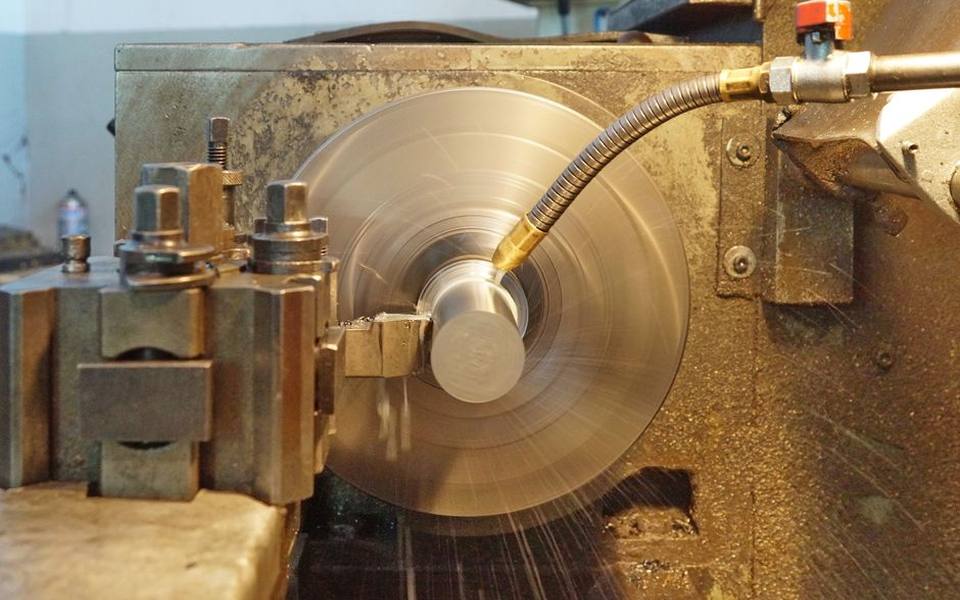
The primary practical benefit of hammer forging is exceptional structural longevity and work-hardened resistance to bore erosion caused by intense heat and throat friction. Because the crystalline structure of the metal is compacted rather than cut with carbide buttons or single-point cutting hooks, hammer forged barrels typically withstand sustained firing strings and aggressive firing schedules better than conventionally machined alternatives. For carbines that see hard practical drills or rapid courses of fire, this durability translates to an extended operational lifespan before grouping degrades noticeably.
While cut-rifled barrels remain the dominant choice for ultimate benchrest precision due to minimal internal stress, a quality cold hammer forged barrel offers accuracy that easily surpasses what most field shooters and practical competitors can exploit. Many military-contract rifles and rugged patrol carbines standardize on this profile specifically for its resistance to environmental fatigue. When shopping among rack-grade carbines or consulting used gun stores for a durable rifle, checking whether the barrel profile is hammer forged helps establish how much hard service life remains in the bore.
Managing Recoil Through Barrel Porting and Modern Sorbothane Butt Pads
Excessive recoil slows down target re-acquisition and creates sub-conscious flinching habits that degrade accuracy over time, especially during extended range sessions or competition stages. Shooters dealing with heavy-recoiling hunting magnums or high-pressure defensive platforms often look to barrel porting as a permanent mechanical solution. Porting involves precision EDM or CNC drilling of angled vents directly into the top of the barrel near the muzzle crown, venting high-pressure propellant gases upward to actively counteract muzzle climb.
While barrel porting substantially dampens upward jump and keeps the sights flatter through recoil, it alters muzzle blast dynamics by redirecting acoustic shock and debris toward the sides and rear of the gun. Because of this added concussive report, porting requires diligent hearing protection and may be uncomfortable for firing partners shooting directly adjacent under covered firing lines. When custom work is planned, asking qualified gunsmiths to handle the machining ensures the ports do not leave internal burrs that could strip projectile jackets or ruin bore consistency.
For shooters wanting noticeable recoil mitigation without altering metalwork or increasing muzzle blast, replacing a stiff factory buttplate with a specialized recoil pad made from modern damping elastomers like Kick-Eez provides an immediate upgrade. Unlike traditional closed-cell foams that break down or stiffen in cold weather, viscoelastic materials absorb and dissipate shock wave energy across the shoulder pocket rather than bouncing it back into the shooter. Combining a compliant aftermarket pad with proper shoulder mount technique typically reduces perceived punch by a wide margin on both shotguns and heavy hunting rifles.
Improving Accuracy and Modularity with Free-Float Handguards
One of the single most influential upgrades for an AR-15 or modern tactical chassis is replacing a traditional handguard with a free-float handguard system. Factory drop-in handguards typically snap between a delta ring assembly and a handguard cap pinned behind the front sight base, transferring hand pressure, sling tension, or bipod load directly into the barrel. This physical contact flexes the barrel ever so slightly during shooting, shifting the zero position downrange depending on how hard the rifle is driven into a barricade or rested on a bench.
A free-float tube completely decouples the barrel from external handling forces by securing solely to an extended proprietary barrel nut fastened directly to the upper receiver. The handguard extends forward without touching the barrel journal or gas block at any point along its length. Because the barrel floats freely inside the tube, internal barrel harmonics oscillate naturally from shot to shot, resulting in tighter group dispersion and absolute zero retention whether you rest the rifle on a sandbag, tension a sling around your support arm, or mount a heavy forward bipod.
Beyond mechanical accuracy improvements, modern free-float rails offer continuous mounting slots using standardized interfaces like M-LOK across multiple rail facets. This modularity allows clean attachment of weapon lights, barrier stops, sling swivels, and thermal clip-on units without adding bulk or excessive forward weight. Installing one requires dedicated tools like receiver vice blocks, an armorer wrench, and a torque wrench to ensure the barrel nut is torqued into the correct foot-pound specification without galling receiver threads.
Refining Lower Receiver Function: Buffer Tube Kits and Extended Controls
A rifle's lower receiver provides the foundation for shooter interface and internal cycling dynamics, making ergonomic and mechanical adjustments here immediately apparent on the firing line. Replacing standard lower receiver small parts with an extended magazine release button allows shooters with smaller hands or those wearing cold-weather winter gloves to drop magazines effortlessly without breaking their primary firing grip. These extended paddles or textured button extensions increase leverage, making magazine exchanges faster and reducing fumbling during fast reload drills.
Alongside ergonomic controls, the recoil assembly enclosed within the stock assembly determines how smoothly the action cycles and feeds rounds. A complete buffer tube kit typically includes the receiver extension tube, internal recoil spring, castle nut, receiver end plate, and weighted buffer. Tuning this assembly requires selecting the proper buffer weight—ranging from standard carbine weight up through H1, H2, or H3 configurations—to balance bolt velocity, gas port pressure, and ammunition variety without inducing short-stroking or bolt bounce.
Matching the correct buffer mass and spring rate helps minimize mechanical battering against the receiver extension while flattening out the recoil impulse felt in the shoulder pocket. Installing these components properly demands setting the castle nut to standard torque values and staking the end plate metal into the castle nut notches with a sharp center punch. This crucial staking step prevents the buffer tube from loosening under steady cycling vibrations, guaranteeing the stock remains rock-solid through thousands of live rounds.
The Art and Protection of Traditional Color Case Hardening
Color case hardening represents one of the most celebrated metal finishing methods in classical gunsmithing, dating back centuries to the era when firearms frames were manufactured from low-carbon wrought iron or soft mild steel. Because low-carbon metals lacked sufficient carbon content to harden through heat treating alone, smiths packed completed receiver components into sealed crucibles filled with charred organic matter like bone charcoal and leather chips. Heating this sealed vessel in a furnace for several hours allowed carbon to diffuse into the outer skin of the steel.
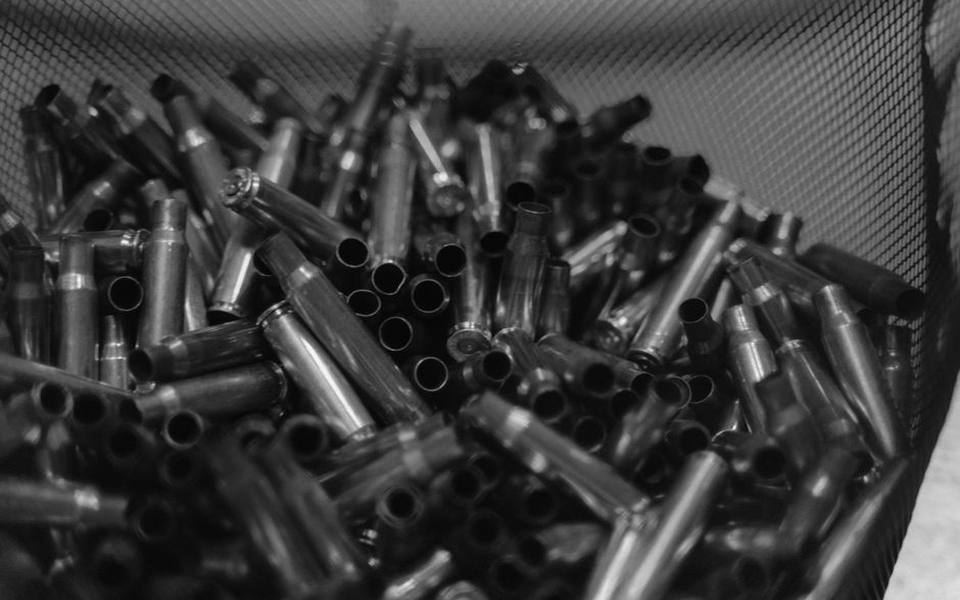
Once the steel soaked in sufficient carbon depth, the crucible was dumped directly into an aerated water quench tank without exposing the red-hot metal to ambient air. The rapid cooling formed a thin, wear-resistant high-carbon surface case over a ductile, shock-absorbing interior core that could withstand repeated firing pressures without cracking. Simultaneously, the unpredictable interplay of temperature variations, carbon compounds, and oxygen bubbling through the quench created rich, marbled patterns of iridescent blues, fiery ambers, and mottled straw yellows.
While modern chrome-moly and alloy steels no longer require carburizing for structural integrity, genuine bone-charcoal color case hardening remains highly prized on heirloom lever-action rifles, single-action revolvers, and bespoke double-barrel shotguns. Maintaining these finishes demands careful attention, as direct sunlight and aggressive solvent chemicals can fade the delicate surface colors over time. Applying high-quality microcrystalline wax or clean mineral oil protects the thin outer oxide layer, preserving both historical authenticity and visual depth for generations.
Reloading Basics: Primer Selection and Safe Bench Setup
Assembling precision ammunition at home gives shooters absolute control over cartridge consistency while dampening the financial sting of high-volume target shooting. Among the core components of any cartridge, bullet primers play the vital role of initiating the chemical reaction that converts propellant powder into pressurized gas. A primer contains a minute quantity of shock-sensitive primary explosive compound held inside a brass or nickel cup, backed by a metal anvil that crushes the mix when struck by the firing pin.
Primers are categorized broadly into small and large sizes across both pistol and rifle classifications, alongside magnum and match varieties designed for specific applications. Rifle primers feature significantly thicker cup walls than handgun primers to withstand higher internal chamber pressures without rupturing or cratering around the firing pin pocket. Magnum primers utilize a hotter or longer-lasting ignition flash intended to cleanly ignite heavy charges of slow-burning ball powders or to ensure reliable cartridge ignition in sub-zero hunting conditions.
Sourcing consistent ignition components is a top priority for precision loaders, and local shops stocking reloading supplies are the go-to resource for powders, dies, and primers. Handloaders must never substitute pistol primers into high-pressure centerfire rifle cases, as thin pistol cups can pierce under rifle pressures and vent scorching gases back through the bolt face. Storing primers safely in their original packaging away from moisture, vibration, and extreme temperature swings preserves shelf life and ensures uniform velocities across every finished batch.
Percussion Caps and Traditional Muzzleloading Ignition Systems
Shooting traditional black powder side-lock rifles and cap-and-ball revolvers connects marksmen directly to early nineteenth-century firearms engineering. Unlike modern centerfire cartridges containing integrated self-contained primers, caplock muzzleloaders rely on external percussion caps seated over a threaded steel nipple that directs ignition flash into the powder chamber. When the external hammer falls, it crushes the explosive priming compound packed in the crown of the cap against the nipple cone, projecting a spark down through the flash channel.
Selecting the proper cap size is essential for reliable ignition, with percussion caps 11 representing the standard dimensional size for modern reproduction rifles, hawkens, and black powder revolvers. A correctly fitted cap should seat fully down against the nipple shoulder with modest finger pressure or via an inline capper tool. If a cap fits too loosely, it can jar loose under the recoil of adjacent cylinders in a revolver or drop off while stalking game in thick brush, leading to frustrating misfires or hangfires.
Nipples wear down through thousands of hammer strikes, developing peened crowns, gas-eroded flash holes, and shortened dimensions that can cause light strikes or loose cap retention. If you experience inconsistent ignition despite using fresh dry caps and black powder, inspect the nipple orifice for carbon crusting or physical deformation. Replacing an aged nipple with a fresh stainless steel or hardened ampco bronze replacement generally restores positive, instantaneous ignition on traditional hunting muzzleloaders.
Marksmanship Fundamentals Through Precision Air Rifle Practice
Building elite marksmanship skills does not always require burning expensive centerfire cartridges or driving out to distant outdoor ranges. Dedicated target shooting with air rifle platforms has become a cornerstone training regimen for precision rifle competitors, biathletes, and casual target shooters alike. Modern precision airguns eliminate the substantial blast noise, heavy recoil, and cost barriers of centerfire rifles while providing ballistically demanding trigger time right in a suburban garage or backyard backstop.
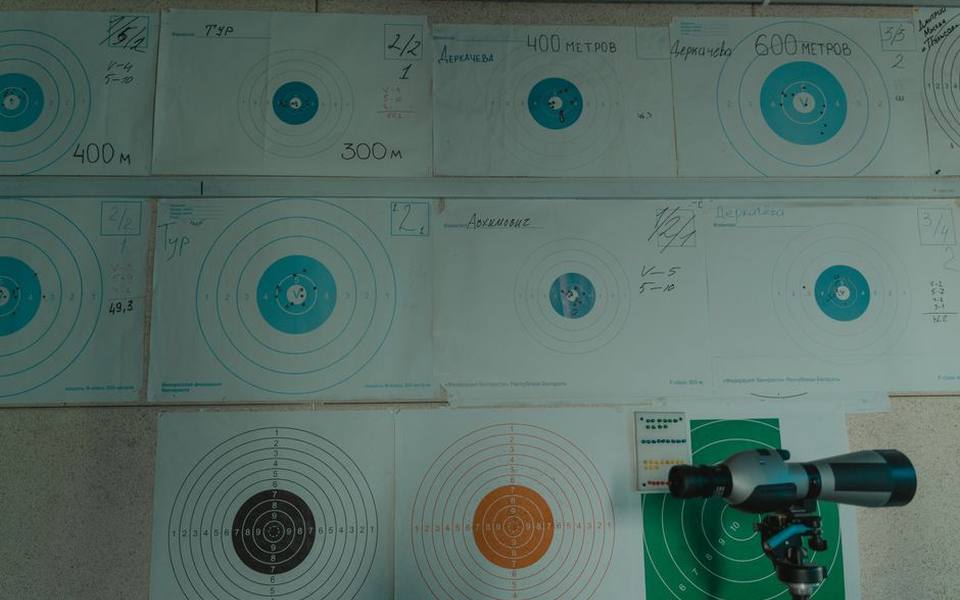
Quality air rifles for target shooting come in several mechanical formats, ranging from classic spring-piston designs to sophisticated pre-charged pneumatic (PCP) systems. Pre-charged pneumatic rifles utilize an onboard compressed air cylinder charged to several thousand pounds per square inch, delivering recoilless, match-grade consistency across long shot strings. Because PCP rifles feature zero recoil surge before pellet exit, they allow shooters to diagnose minor flaws in their natural point of aim, trigger follow-through, and breath control without dealing with recoil anticipation.
The light weight and slower flight velocities of target pellets mean that wind reading and sight picture discipline are exaggerated at relatively close ranges like ten meters to fifty yards. Shooters learning to read gentle crosswinds with precision .177 or .22 caliber pellets quickly build intuitive wind-calling skills that translate seamlessly to long-range rimfire and centerfire shooting disciplines. Incorporating airgun sessions into your weekly routine is one of the most cost-effective methods to keep muscle memory and trigger discipline razor-sharp year-round.
Collaborating with a Gunsmith for Customization and Maintenance
While many modular rifle parts can be swapped at a home workbench with basic hand tools, precision barreling, action truing, chamber reaming, and custom trigger tuning demand specialized machinery and decades of manual experience. Developing a relationship with local professional smiths ensures that custom projects meet tight headspace tolerances and structural safety standards. Experienced professionals catch subtle headspacing issues, worn locking lugs, or improper chamber depths that amateur builders might overlook.
Before delivering a project gun into a shop, outline your intended shooting discipline, bullet preferences, and operational budget clearly so the smith can guide part choices effectively. Whether you are blueprinting a bolt-action hunting rifle for cross-canyon performance or assembling a custom competition carbine from scratch, professional fitting guarantees that individual components work harmoniously as a unified system rather than fighting each other under field conditions.
Regular professional inspections also pay dividends for routine maintenance, particularly for older family heirlooms or heavily used competition rifles showing signs of throat erosion and bolt wear. Taking advantage of the skilled technicians listed across directories like GunStoreAtlas helps you locate experienced armorers and craftsmen in your area who specialize in everything from historical restorations to modern precision builds, ensuring your equipment operates safely and reliably for years to come.
Published 2026-09-21 · reviewed with each rebuild, last September 2026.
Find gun stores near you
The directory lists 12,328 gun stores by state and city — pick your state or use the “Near me” button in the header.
More guides
-
 Buying
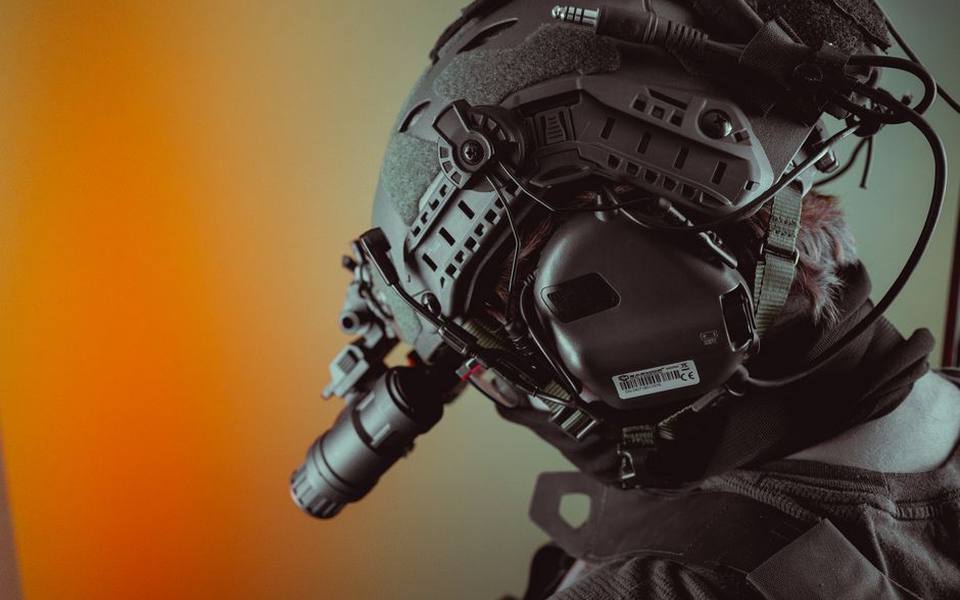
Night Vision, Caliber Choices, and Hearing Protection: The Practical Buyer Guide
-
 Owning
Muzzle Brakes vs Pistol Compensators: Mechanics, Tuning, and Ownership Costs
-
 Owning
Where to Get Fingerprints for Gun Permits, Hearing Gear, and Range Prep
-
 Owning
How to Remove Rust from a Gun Safely Without Damaging the Finish
-
 Buying
Choosing a Skeet Shotgun: Balance, Gauges, and Barrel Specs
-
 Safety
Stun Guns, Tasers, and Protective Range Gear: Practical Buyer's Guide
-
 Buying
Choosing Practical Firearms for Home Defense and Daily Carry
-
 Buying
FFL Transfer Fees and Process Explained: What to Expect at the Counter
-
 Service
Fingerprinting Services, IdentoGO, and FBI Background Checks: The Complete Guide
-
 Safety
Indoor and Outdoor Shooting Ranges: Etiquette, Rules, and Memberships
-
 Storage
Gun Safes and Fireproof Storage: Biometric Safes, Cabinets, and Dehumidifiers
-
 Safety
Body Armor and Ballistic Plates: Threat Levels, Plate Materials, and Carrier Sizing
-
 Safety
Shooting Hearing Protection: Electronic Earmuffs, Custom Earplugs, and Noise Reduction
-
 Owning
Shooting Targets, Clay Throwers, and Range Rests Guide
-
 Owning
Concealed Carry Holsters: Kydex, Leather, IWB, OWB, and Specialized Rigs
-
 Owning
Rifle and Shotgun Slings: Single-Point, Two-Point, and Mounting Hardware
-
 Owning
Everyday Carry and Tactical Accessories: Range Bags, Gun Locks, and Practical Gear
-
 Owning
Gun Cleaning Kits and Maintenance: Cleaners, Oils, and Solvents
-
Safety
Everyday and Noise Reduction Earplugs: A Practical Comparison Guide
-
 Safety
Firearm Safety Rules, Concealed Carry Courses, and Tactical Shooter Training
-
 Safety
Shooting and Hearing Protection: Guide to Earmuffs, Plugs, and Electronic Defenders
-
 Buying
Choosing Spotting Scopes, Binoculars, and Specialized Night Optics
-
 Safety
Active Shooter Response, Tactical Handgun Courses, and Firearm Safety Training Guide
-
 Buying
Night Vision Optics and Spotting Scopes Buyer's Guide
-
 Buying
Firearm Valuation, Appraisal, and Used Buying Guide
-
Safety
Layering Personal Defense: Less-Lethal Tools, Purpose-Built Firearms, and Medical Gear
-
 Buying
Hunting Ammunition, Calibers & Reloading Supplies Guide
-
 Owning
Concealed Carry Reciprocity, Licensing Basics, and Buying Regulations Explained
-
 Service
Custom Gunsmithing, Barrel Modifications, and AR-15 Upgrades Guide
-
 Owning
Target Shooting & Clay Sports Guide: Air Rifles, Ranges & Eye Protection
-
Storage
Essential Firearm Storage, Cases, Recoil Pads, and Rig Systems
-
 Safety
The Ultimate Guide to Shooting Hearing Protection and Electronic Earmuffs
-
 Owning
Dry Fire Training Systems, Timers, and At-Home Practice Routines
-
 Owning
State Firearm Rules, Training Courses, and Range Guidelines
-
Owning
Essential Tactical Gear, EDC Equipment, Shooting Gloves, and Range Bags
-
 Owning
Everyday Carry Holsters and Wearable Gear: A Practical Selection Guide
-
 Owning
Firearm Upgrades and Tuning: Gas Blocks, Sights, and Mounts
-
 Owning
CCW Permits, Licensing Laws, and Background Check Fingerprinting Guide
-
 Storage
Firearm Safes and Secure Storage: Humidity Control, Security Standards, and Storage Solutions