Understanding How Used Firearms Are Priced
Determining what a pre-owned firearm is worth comes down to three intersecting factors: mechanical condition, collector demand, and current retail market availability. Unlike automobiles, which depreciate consistently with mileage, firearms can hold steady, drop slightly, or significantly appreciate over decades depending on their make, production era, and caliber. Printed valuation references and digital price guides provide a baseline, but the actual cash value is ultimately dictated by what buyers in your local area are actively paying for similar models.
When browsing the inventory at dedicated used gun stores, you will notice that retail price tags reflect both the dealer acquisition cost and shop overhead. Standard production handguns and utility hunting rifles generally enter the market at a predictable discount compared to factory-new inventory. However, discontinued configurations, pre-ban variants, or sought-after military surplus arms often trade above their original retail prices simply because supply is permanently fixed while interest remains steady.
Reference guides such as the Blue Book series categorize values across standardized percentage tiers, ranging from mint condition down to fair or poor. While these guides are indispensable for establishing a starting point, they track historical secondary-market transactions that may lag behind sudden market shifts. A knowledgeable dealer or buyer uses printed values as a guideline rather than an ironclad quote, adjusting for regional hunting traditions, caliber popularity, and local demand.
The Art of Grading Condition Accurately
Accurate grading is the most critical skill when evaluating any used firearm, as a five percent difference in finish retention can dramatically alter price. Industry condition scales evaluate the percentage of original factory finish remaining on the metal, the integrity of the wood or polymer furniture, and the sharpness of the manufacturer roll marks. A firearm rated at ninety-eight percent condition should exhibit only faint handling marks or microscopic holster wear at the muzzle, with zero rust or mechanical degradation.
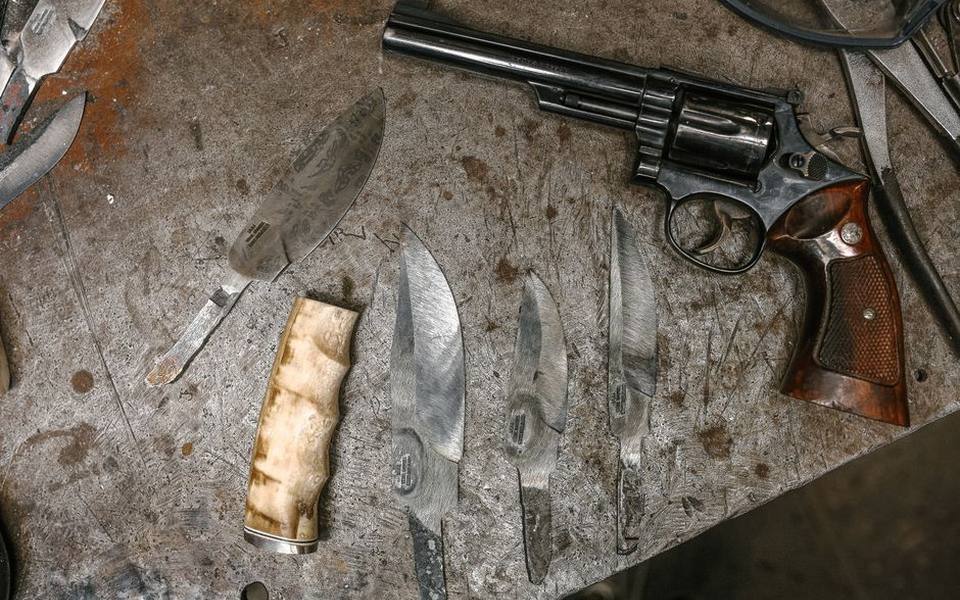
Mechanical wear requires equal scrutiny alongside cosmetic appearance. A pistol may have spotless exterior bluing but show heavy battering on the locking lugs, a worn extractor, or erosion along the rifling lands from thousands of rounds. Bore condition is especially vital: dark pitting from corrosive surplus ammunition or improper storage can reduce a collector piece to a budget shooter. Always use a dedicated bore light to inspect the chamber and lands before settling on a valuation.
Original accessories substantially increase the realized value of pre-owned firearms. Having the factory cardboard or hard case, original matching serial-numbered paperwork, test targets, and factory magazines can add a noticeable premium to the final number. Conversely, permanent modifications like drilled receiver holes for optic mounts, cut-down barrels, or amateur trigger jobs typically diminish collector value, even if the work was completed skillfully.
Appraising Vintage Firearms and Collector Antiques
Vintage firearms require a specialized appraisal approach that differs fundamentally from modern utility handguns and rifles. When an antique gun buyer inspects a nineteenth-century lever action or an early twentieth-century service revolver, originality takes precedence over pristine cosmetics. An original firearm with honest, untouched patina is almost universally worth more to collectors than a piece that has been reblued, polished, or fitted with reproduction wood, regardless of how clean the refinished metal appears.
Establishing provenance and matching serial numbers is another essential phase of collector valuation. Military surplus arms, for example, often had parts interchanged during post-war arsenal reconditioning programs. An arsenal-reworked rifle remains a functional piece of history, but an all-matching survivor from the original factory run commands a significantly higher appraisal. Verifying assembly numbers, proof stamps, and cartouches requires specialized reference material and careful patience.
For rare or heirloom pieces, obtaining a formal written appraisal is worth the investment. Written appraisals are typically prepared for insurance coverage, estate settlements, or equitable asset division among family members. A professional appraiser will document the complete serial number, measure barrel length, note all factory markings, assess percentage grade, and cite recent auction results to defend the valuation figure for your records.
Why Mechanical Inspections Protect Your Investment
Before finalizing the purchase of any pre-owned firearm, performing a methodical mechanical safety check is essential. Cycle the action multiple times to confirm smooth feeding, positive extraction, and clean ejection. For revolvers, check the cylinder timing to verify that each chamber locks squarely in line with the forcing cone before the hammer drops, and inspect the cylinder face for excessive flame cutting or endshake play.
Headspace and sear engagement are critical safety parameters that cannot be judged by eye alone. Excessive headspace can cause case ruptures upon firing, while worn trigger sears may lead to accidental discharges if the weapon is bumped or jarred. If you have doubts about an older firearm or an estate acquisition, having seasoned gunsmiths perform a chamber gauge check and complete tear-down inspection is cheap insurance against hidden mechanical flaws.
Inspect the internal components for signs of amateur gunsmithing or kitchen-table tuning. Lightened hammer springs, clipped striker springs, and polished sear surfaces can make a firearm unreliable or unsafe for defensive use. A trustworthy seller will allow you to inspect the bolt face, inspect the slide rails, and dry fire the piece with snap caps or permission to verify that the disconnector and manual safeties function properly.
How Counter Trade-Ins and Cash Buyouts Function
Trading in an unwanted firearm at a brick-and-mortar gun shop is the fastest and simplest way to fund your next acquisition. However, sellers must understand the business mathematics behind shop offers. Because retail stores assume the overhead of stocking, displaying, warranting, and carrying inventory risk, trade-in valuations typically sit below private-party market rates, often reflecting a wholesale percentage of anticipated retail resale value.
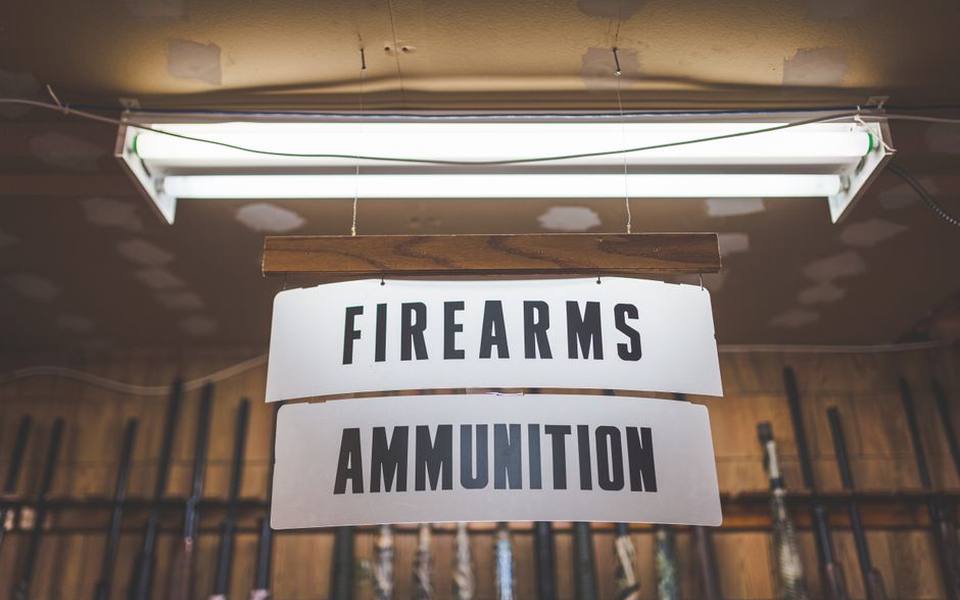
When you opt for an outright cash buyout, shops typically offer a slightly lower figure than they would for in-store credit. In-store trade credit allows the dealer to keep revenue circulating within their business, giving them leeway to offer you a more favorable number toward your new purchase. Furthermore, in many states, trading in a firearm reduces the taxable total of the new gun purchase by the value of your trade, creating immediate sales tax savings.
To maximize your trade-in return, present the firearm clean and organized. Bring the factory box, original magazines, lock, and accessories neatly packed. Clean off dust and light grease so the appraiser behind the counter does not have to guess what lies beneath surface grime. While you will net more money selling directly to a private individual, the trade-in process eliminates listing hassles, meetups with strangers, and legal vetting responsibilities.
Navigating Store Layaway and Financing Programs
Many independent gun dealers offer layaway plans that allow customers to secure an uncommon or higher-tier firearm without paying the full balance upfront. A standard store layaway program typically requires an initial cash deposit, followed by scheduled bi-weekly or monthly payments spread across thirty to ninety days. The shop retains the firearm in their secure vault until the final installment and required background paperwork are completed.
Before entering a layaway agreement, always ask the staff for the specific terms regarding cancellations, missed payments, and restocking fees. If you change your mind halfway through a layaway contract, shops commonly withhold a percentage of deposited funds to cover their administrative time and the opportunity cost of holding merchandise off the sales floor. Clear communication guarantees a smooth experience for both sides.
Retail financing through point-of-sale consumer lenders has also become prevalent in the firearms industry. These financing options allow qualified buyers to take immediate possession of their purchase after background clearance, paying the balance over extended terms. Be sure to review the interest rates, origination fees, and repayment schedules carefully, as promotional zero-interest periods often carry steep deferred interest rates if the balance is not fully satisfied on time.
Documenting Private Transfers with a Bill of Sale
Selling or purchasing a firearm directly through a private party requires diligent record-keeping to protect both parties legally and financially. A structured firearm bill of sale serves as binding proof of transfer and establishes the exact date and time ownership was surrendered. In the event that a previously owned firearm is later recovered by law enforcement in connection with an incident, your bill of sale proves you were no longer the custodian.
A thorough bill of sale must capture essential identifying details for both buyer and seller, including full legal names, physical addresses, and driver's license or state carry permit numbers. It should comprehensively describe the firearm by recording the manufacturer, model, frame serial number, caliber, and any included accessories or optics. Both parties should sign and date duplicate copies, retaining them securely with personal records.
Beyond documentation, private sellers must remain strictly observant of federal, state, and municipal regulations governing direct sales. Under federal law, private sellers cannot knowingly transfer a firearm to a prohibited person, such as a convicted felon or an individual subject to a domestic restraining order. Many states now mandate that all private transactions pass through a licensed dealer, rendering informal handshakes non-compliant without licensed background verification.
Handling Transfers Through Licensed Dealers
Whenever a firearm transaction crosses state lines or occurs between parties in jurisdictions requiring universal background checks, licensed FFL transfer dealers must facilitate the legal transfer. Federal law strictly prohibits private citizens from shipping firearms directly to non-licensed buyers residing in different states. The seller ships the piece to an FFL located in the buyer's home state, where the buyer completes standard background screening.
Transfer fees for private purchases typically vary widely from dealer to dealer, making it wise to compare rates before choosing your receiving shop. Across our comprehensive independent gun dealer directory, shops assess processing fees that reflect local paperwork burdens and state background check systems. Contact the receiving dealer in advance to confirm they accept shipments from private individuals, as some retailers only accept incoming shipments originating from other licensed dealers.
When your shipment arrives at the transferring dealer, take time to inspect the firearm thoroughly before filling out the official transfer paperwork. Once the background check is processed and you walk out the door, the dealer is no longer an intermediary; any unresolved defects, shipping damages, or cosmetic discrepancies become your personal responsibility to settle with the original out-of-state seller.
A Hands-On Checklist for the Used Gun Rack
Standing at the gun counter with a used piece in hand, you should follow a disciplined checklist before making an offer. First, check the muzzle crown for dents, nicks, or uneven wear that could disrupt bullet stabilization upon exit. Examine the screw heads on revolvers and classic rifles; chewed or rounded screw slots signal that an untrained hobbyist has disassembled the firearm using incorrect, non-hollow-ground screwdrivers.
Next, inspect the frame and slide for hairline stress fractures, particularly around the ejection port, slide rails, and high-stress pin holes. Check the magazine well and feed ramp for rough tooling or improper polishing that could induce feeding malfunctions. On semi-automatic rifles and shotguns, examine the gas block and piston system for stubborn carbon fouling, rust pitting, or cracked gas rings that indicate severe neglect by the previous owner.
Confirm that all controls operate with positive, tactile feedback. The magazine release should drop magazines cleanly, the safety lever should click firmly into safe and fire positions without slop, and the slide stop should hold the action open reliably on an empty magazine follower. If any mechanical action feels spongy, gritty, or binding, factor the cost of professional remediation into your final valuation assessment.
Negotiating Fairly and Finalizing the Deal
Negotiating on pre-owned inventory is standard practice in many gun stores, but approaching the conversation with realistic expectations produces the best outcomes. Brand-new firearms carry slim retail margins, leaving very little room for price flexibility. Used firearms, on the other hand, carry wider margins because acquisition costs vary, giving counter staff reasonable leeway to work with courteous, informed customers.
Base your counteroffers on verifiable facts rather than arbitrary haggling. Pointing out that a firearm is missing its spare magazine, needs replacement grip panels, or exhibits visible holster wear provides a legitimate justification for a polite price reduction. If the shop is firm on its tagged price, ask if they can bundle extra magazines, a cleaning kit, or a box of practice ammunition to bridge the gap and close the sale.
Once you agree on a price, the paperwork process follows standard retail regulations. You will present government identification, complete federal documentation, and submit to the requisite background screening or present a qualifying state permit where recognized. Paying with cash can occasionally yield small merchant discounts, as dealers appreciate avoiding credit card processing fees on pre-owned inventory transactions.
Published 2026-09-21 · reviewed with each rebuild, last September 2026.
Find gun stores near you
The directory lists 12,328 gun stores by state and city — pick your state or use the “Near me” button in the header.
More guides
-
 Buying
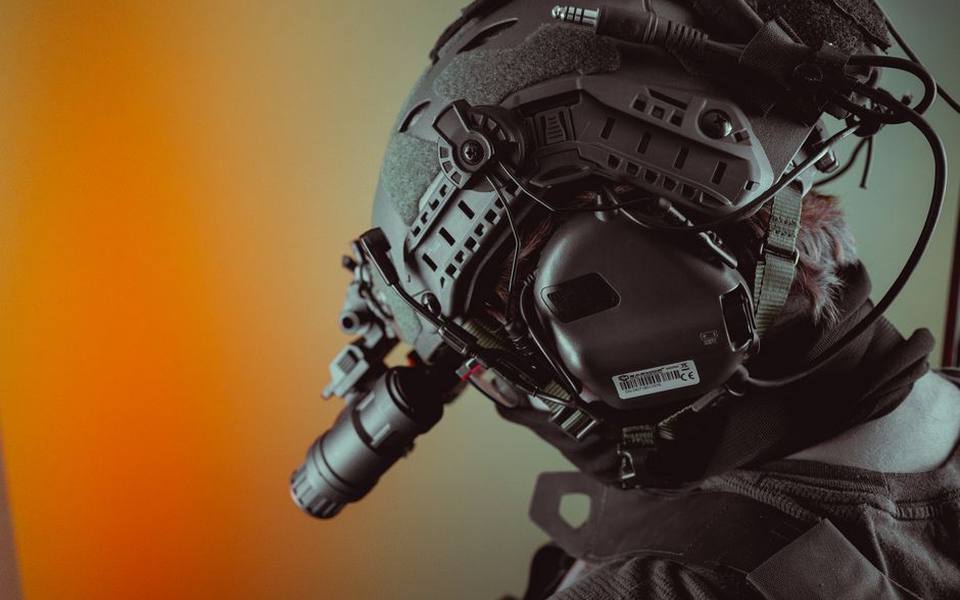
Night Vision, Caliber Choices, and Hearing Protection: The Practical Buyer Guide
-
 Owning
Muzzle Brakes vs Pistol Compensators: Mechanics, Tuning, and Ownership Costs
-
 Owning
Where to Get Fingerprints for Gun Permits, Hearing Gear, and Range Prep
-
 Owning
How to Remove Rust from a Gun Safely Without Damaging the Finish
-
 Buying
Choosing a Skeet Shotgun: Balance, Gauges, and Barrel Specs
-
 Safety
Stun Guns, Tasers, and Protective Range Gear: Practical Buyer's Guide
-
 Buying
Choosing Practical Firearms for Home Defense and Daily Carry
-
 Buying
FFL Transfer Fees and Process Explained: What to Expect at the Counter
-
 Service
Fingerprinting Services, IdentoGO, and FBI Background Checks: The Complete Guide
-
 Safety
Indoor and Outdoor Shooting Ranges: Etiquette, Rules, and Memberships
-
 Storage
Gun Safes and Fireproof Storage: Biometric Safes, Cabinets, and Dehumidifiers
-
 Safety
Body Armor and Ballistic Plates: Threat Levels, Plate Materials, and Carrier Sizing
-
 Safety
Shooting Hearing Protection: Electronic Earmuffs, Custom Earplugs, and Noise Reduction
-
 Owning
Shooting Targets, Clay Throwers, and Range Rests Guide
-
 Owning
Concealed Carry Holsters: Kydex, Leather, IWB, OWB, and Specialized Rigs
-
 Owning
Rifle and Shotgun Slings: Single-Point, Two-Point, and Mounting Hardware
-
 Owning
Everyday Carry and Tactical Accessories: Range Bags, Gun Locks, and Practical Gear
-
 Owning
Gun Cleaning Kits and Maintenance: Cleaners, Oils, and Solvents
-
Safety
Everyday and Noise Reduction Earplugs: A Practical Comparison Guide
-
 Safety
Firearm Safety Rules, Concealed Carry Courses, and Tactical Shooter Training
-
 Service
Rifle Customization, Caliber Selection, and Bench Work: A Guide to Practical Gunsmithing and Reloading
-
 Safety
Shooting and Hearing Protection: Guide to Earmuffs, Plugs, and Electronic Defenders
-
 Buying
Choosing Spotting Scopes, Binoculars, and Specialized Night Optics
-
 Safety
Active Shooter Response, Tactical Handgun Courses, and Firearm Safety Training Guide
-
 Buying
Night Vision Optics and Spotting Scopes Buyer's Guide
-
Safety
Layering Personal Defense: Less-Lethal Tools, Purpose-Built Firearms, and Medical Gear
-
 Buying
Hunting Ammunition, Calibers & Reloading Supplies Guide
-
 Owning
Concealed Carry Reciprocity, Licensing Basics, and Buying Regulations Explained
-
 Service
Custom Gunsmithing, Barrel Modifications, and AR-15 Upgrades Guide
-
 Owning
Target Shooting & Clay Sports Guide: Air Rifles, Ranges & Eye Protection
-
Storage
Essential Firearm Storage, Cases, Recoil Pads, and Rig Systems
-
 Safety
The Ultimate Guide to Shooting Hearing Protection and Electronic Earmuffs
-
 Owning
Dry Fire Training Systems, Timers, and At-Home Practice Routines
-
 Owning
State Firearm Rules, Training Courses, and Range Guidelines
-
Owning
Essential Tactical Gear, EDC Equipment, Shooting Gloves, and Range Bags
-
 Owning
Everyday Carry Holsters and Wearable Gear: A Practical Selection Guide
-
 Owning
Firearm Upgrades and Tuning: Gas Blocks, Sights, and Mounts
-
 Owning
CCW Permits, Licensing Laws, and Background Check Fingerprinting Guide
-
 Storage
Firearm Safes and Secure Storage: Humidity Control, Security Standards, and Storage Solutions