Managing Felt Recoil on Long Guns and Carbines
Upgrading the buttstock pad is one of the quickest ways to tame heavy muzzle jump and shoulder fatigue on hard-hitting hunting shotguns and lightweight tactical rifles. Factory buttplates on traditional wood stocks often feature hard rubber or plastic that does very little to disperse kinetic energy across your collarbone. Modern aftermarket recoil options built from proprietary sorbothane or dense viscoelastic elastomers, like those popular in trap and sporting clays circles, absorb shock by spreading pressure evenly across the entire pocket of your shoulder.
Choosing between a slip-on pad and a permanent grind-to-fit unit depends on your specific stock geometry and how much length-of-pull adjustment you can tolerate. Slip-on rubber sleeves are simple to swap across multiple long guns, but they tend to shift during rapid fire and add roughly an inch to overall trigger reach. For a clean, factory-grade profile on prized sporting arms, many shooters prefer oversized blanks shaped precisely on a disc sander, a job frequently handled by experienced technicians at local gunsmiths.
On tactical platforms, an AR-15 carbine buttpad serves a slightly different role than a bulky shotgun cushion. Standard mil-spec polymer stocks are notorious for slipping against nylon plate carriers, jackets, or slick rain gear during rapid strings. A slim, ribbed buttpad clipped directly onto collapsible stock rails adds just enough tactile traction to anchor the rifle firmly in the pocket without catching on sling straps or interfering with rapid cheek welds.
Configuring Universal and Tactical Shoulder Rigs
Shoulder holsters remain a dependable carry method for drivers, hunters sitting in blinds, and anyone who spends long hours seated where traditional waistband holsters dig into the hips. A universal shoulder harness relies on adjustable webbing and modular shell stitching designed to accept a wide variety of mid-sized and full-sized semi-automatics or revolvers. While universal models eliminate the need to purchase a unique harness for every sidearm in your collection, they require careful strap tensioning so the pistol stays anchored comfortably beneath the armpit.
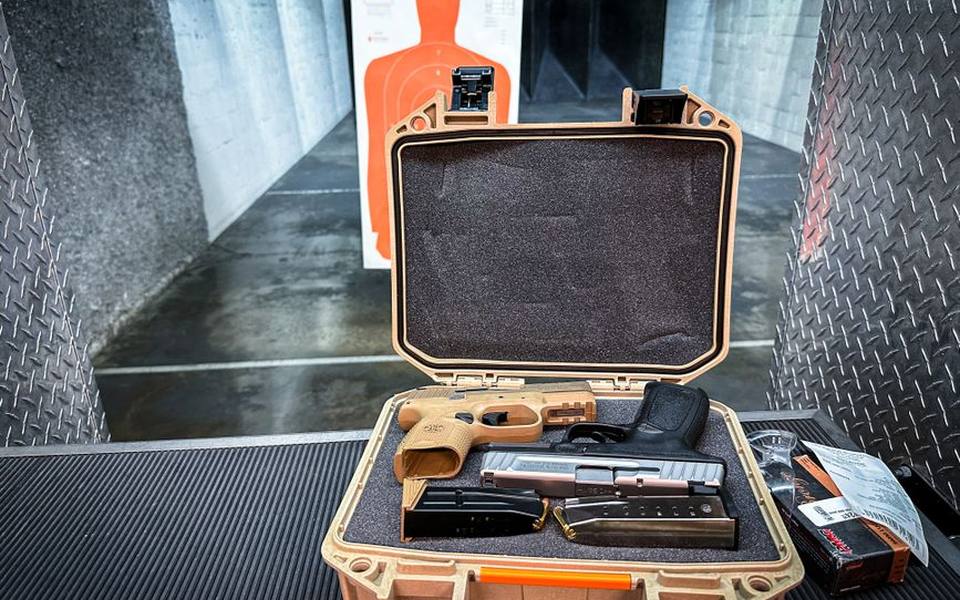
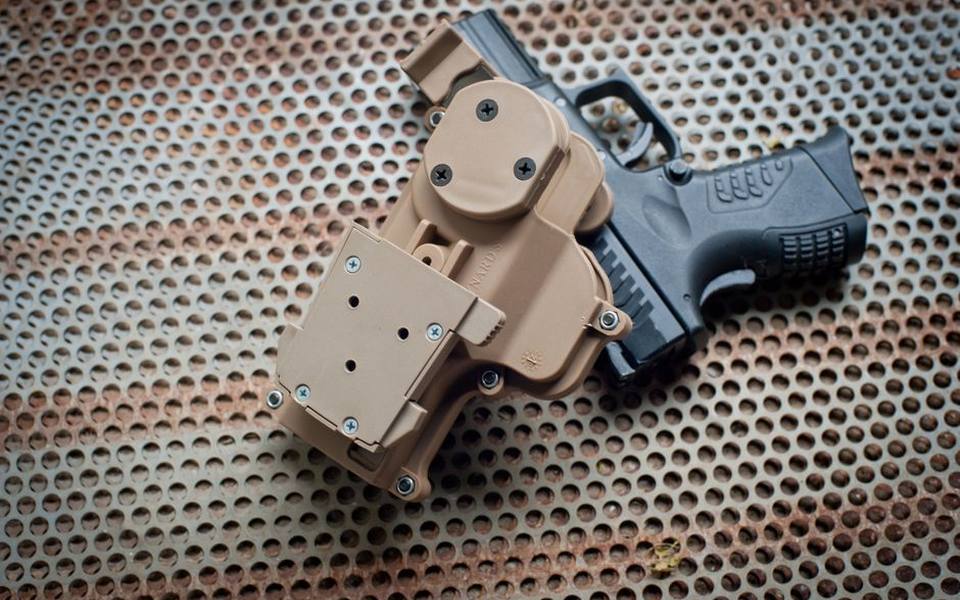
Tactical shoulder systems elevate the concept with rigid, reinforced harness yokes, heavy-duty thumb breaks, and integrated tie-down straps that fasten directly to your trouser belt. These belt tie-downs prevent the holster from swinging forward when you bend over or sprint across uneven terrain. Modern tactical designs also emphasize horizontal versus vertical carry geometry, allowing shooters to pick a vertical hang for long-barreled hunting handguns or a horizontal cant for quicker draws under jackets.
Before wearing any shoulder rig in public, practice draws with an unloaded weapon to build safe muscle memory and avoid sweeping your own support arm. Balancing the weight of the firearm is equally critical; an unweighted harness pulls hard toward the holster side, causing persistent neck strain. Most shooters offset this imbalance by mounting double magazine pouches or utility accessories directly opposite the primary holster.
Carrying Documents and Daily Essentials on Harness Systems
A specialized variation of the classic shoulder harness integrates personal storage directly into the off-side modular platform. Instead of carrying spare ammunition pouches, these travel-oriented configurations feature a dedicated holster-mounted wallet, card organizer, or passport pouch. This setup is popular among cross-country motorists, pilots, and field personnel who need sensitive identification and essential travel funds resting securely under a jacket alongside their defensive sidearm.
Weight distribution remains the greatest functional advantage of a combination sidearm and wallet rig. A loaded steel-framed pistol easily weighs two to three pounds, which creates uneven tension across your trapezius muscles throughout a long shift. Counterbalancing that dead weight with an organized carrier holding credentials, a small flashlight, and emergency cash keeps the center harness centered between your shoulder blades without riding up.
When setting up a document-bearing harness, pay close attention to material breathability and moisture resistance. Leather harnesses mold to the body over time but can transfer perspiration to paper documents or leather wallets during warm-weather travel. Synthetic nylon and breathable mesh backplates provide better airflow, protecting both your concealed sidearm and personal paperwork from humidity buildup during continuous all-day carry.
Dedicated Foam and Hard Cases for Spare Magazines
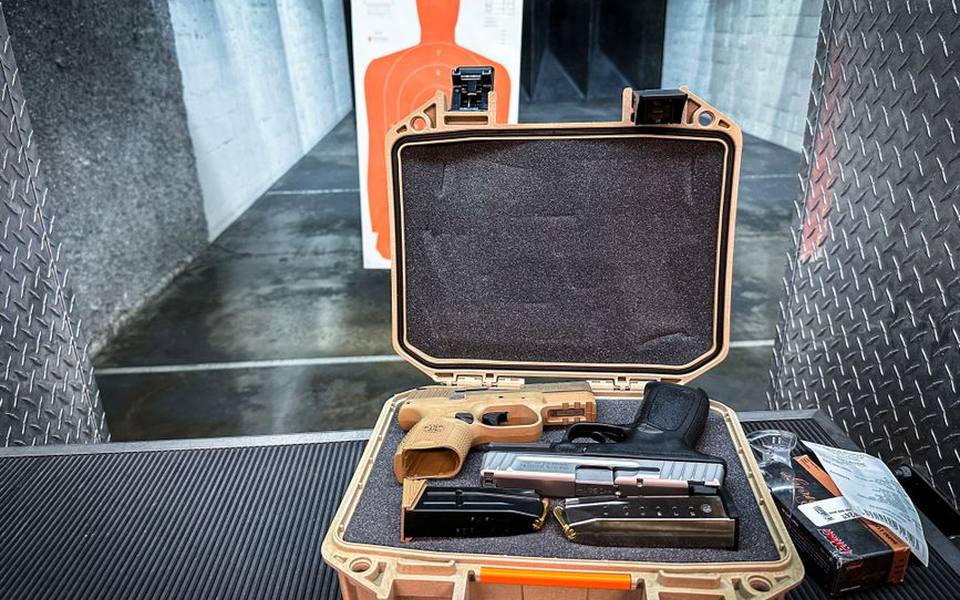
Throwing loaded magazines loosely into a range bag frequently leads to bent feed lips, chipped floorplates, and grit accumulating inside the spring housing. A dedicated magazine storage case prevents these reliability headaches by keeping pistol and rifle magazines isolated in dense, closed-cell foam cutouts. Whether you are transporting duty mags for training drills or archiving extra rifle mags for emergencies, rigid organizers shield vital feeding mechanisms from impact damage.
Hard-sided magazine cases typically use reinforced polymer shells with integrated rubber O-rings to seal out moisture, dust, and range grime. High-capacity variants feature deep, vertical slots that accommodate both standard thirty-round carbine magazines and extended pistol sticks side-by-side. Keeping spare feeding devices organized in uniform rows also makes pre-trip inventory checks effortless, ensuring you never show up to shooting courses short on pre-loaded rounds.
For long-term magazine archiving, consider pairing closed-cell foam with a light vapor-corrosion inhibitor inside the case lid. Steel magazine bodies are particularly prone to surface oxidation when stored in humid garages or damp basements. Spending an afternoon organizing your surplus magazines keeps springs clean and allows you to test gear reliably during range trips or while evaluating used guns at your local dealer.
Rugged Gun Scabbards and Mounting Systems for ATVs
Transporting a long gun over rocky trails, brush, and mud on an all-terrain vehicle demands specialized protection far beyond standard canvas slips. A dedicated ATV rifle scabbard encases the firearm in a rigid, weather-resistant plastic boot that shields delicate optics from flying gravel and branches. These heavy-duty transport shells usually incorporate plush internal padding or removable soft cases that cradle the firearm against violent engine vibrations.
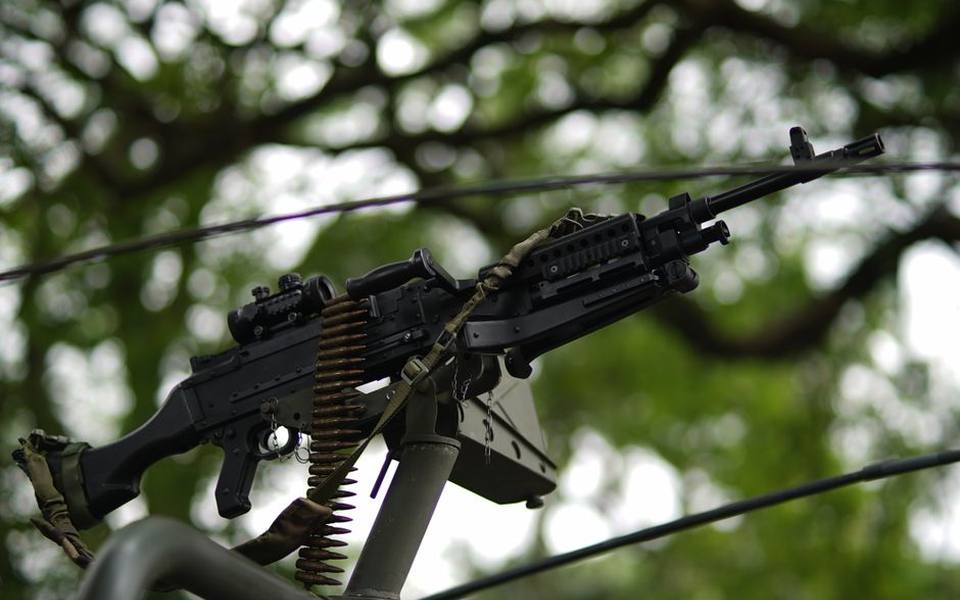
Mounting brackets make or break an ATV transport setup. Rigid bracket systems fasten directly to front cargo racks, rear composite decks, or side roll bars using heavy U-bolts and vibration-dampening rubber shims. A loose mounting plate will rattle constantly and can even bend the scabbard housing over washboard roads, potentially knocking your rifle's scope out of zero before you reach your hunting camp or target location.
Always confirm your local jurisdiction's wildlife and transportation regulations regarding firearms on off-road vehicles. In most states, transport rules require long guns carried on public recreation land or state trails to remain fully unloaded and completely enclosed inside a fastened case. Investing in an ATV scabbard with integrated padlock tabs ensures you comply with transit laws while keeping dust and moisture out of your chamber.
Quick-Access Shotgun Wall Brackets for Home Security
For home defense, a tactical shotgun is only useful if it can be retrieved rapidly without compromising basic household safety. Traditional long-gun safes provide superior fire and burglary protection, but unlocking a heavy combination safe in an emergency takes valuable time. A dedicated wall-mounted shotgun retention bracket solves this dilemma by securing the long gun directly against bedroom closet walls or behind interior doors in a ready-to-deploy vertical orientation.
Modern wall brackets usually clamp over the shotgun's receiver, completely enclosing the trigger guard to eliminate the chance of an accidental discharge while mounted. Locking mechanisms range from rapid mechanical push-button combinations and keypads to biometric fingerprint sensors that pop the spring-loaded retention bar open in seconds. Look for brackets lined with thick rubber pads to avoid gouging the finish on your receiver during aggressive practice unholstering drills.
Proper installation into structural framing is vital when anchoring defensive wall racks. Never rely solely on drywall anchors, as the weight of a loaded twelve-gauge combined with an adrenaline-fueled grab can rip sheetrock straight out of the wall. Drive heavy lag bolts directly into the center of a wall stud to ensure the bracket remains rock-solid, even if an unauthorized person attempts to wrench the locked firearm loose.
Concealed Shelves with Magnetic Locking Hardware
Hidden concealment shelves offer an elegant blend of everyday home decor and clandestine firearm readiness. From the outside, these units appear as handsome crown-molded floating shelves holding family photographs, decorative candles, or small books. Beneath the surface, a drop-down compartment lined with customizable foam swings open to reveal a handgun, extra magazines, and a handheld flashlight within arm's reach of common living spaces.
The security of a concealment shelf relies on an internal magnetic latching mechanism hidden completely out of sight. Opening the compartment requires placing a high-strength magnetic key or an RFID device over a specific, unmarked spot along the top molding. Because there are no visible keyholes, seams, or digital keypads to draw suspicion, casual guests and curious children remain entirely unaware that a firearm is stored inside the fixture.
When installing a drop-down concealment shelf, always test the hinge dampener and magnetic clearance before securing your loaded firearm inside. Hydraulic struts or pneumatic arms should gently lower the bottom tray rather than letting it crash open, which could cause loose gear to spill onto the floor. For homeowners seeking local hardware advice or safety accessories, browsing community shops via the GunStoreAtlas directory is a great starting point.
Moisture Control Using Electric Safe Dehumidifier Rods
A heavy steel safe keeps firearms secure from theft, but enclosed metal cabinets naturally trap ambient humidity, creating an ideal breeding ground for rust and mildew. When room temperatures fluctuate, moisture in the trapped air condenses on cold steel barrels and wood stocks. Installing an electric dehumidifier rod at the bottom of your safe is widely considered the most reliable, hands-off defense against internal corrosion.
Unlike disposable silica gel packs that saturate quickly and require frequent oven baking to recharge, an electric warming rod works continuously through convection. The rod warms the air inside the lower section of the cabinet, causing it to rise gently and circulate throughout the entire interior. This constant, mild air movement elevates the internal temperature slightly above the ambient dew point, effectively preventing condensation from forming on metal parts.
Sizing the rod correctly depends on the cubic volume of your gun safe and the ambient climate where it resides. In humid southern regions, a longer rod or a pair of heating units may be necessary to maintain safe relative humidity levels between forty and fifty percent. Pairing your heating rod with a small digital hygrometer lets you monitor moisture levels year-round, ensuring valuable finishes remain pristine without any guesswork.
Evaluating Cleaners, Lubricants, and Protectants
Selecting the right chemical maintenance supplies often sparks intense debate among seasoned shooters, but understanding the core chemistry clears up the confusion. Firearm lubricants generally fall into three distinct classes: traditional all-in-one cleaners, lubricants, and protectants (CLP), dedicated synthetic oils, and high-tack greases. Evaluating which formula suits your collection depends on your firearm operating system, local climate, and typical firing volume.

All-in-one CLP products are convenient for routine maintenance because they break down light carbon fouling while leaving a thin lubricating film behind. However, for hard-running semi-automatics subjected to long days at local shooting ranges, dedicated synthetic gun oils deliver superior shear strength under high heat. Synthetic oils resist burning off during sustained strings and stay fluid in sub-freezing hunting environments where conventional petroleum oils turn into gummy sludge.
On high-friction contact rails—such as the slide ways on steel pistols or the locking lugs of bolt-action rifles—a premium firearm grease is often the smartest choice. Grease stays where you apply it rather than migrating into magazine bodies or running down the grip frame. When evaluating lubricants, look for independent salt-spray corrosion tests and friction-wear ratings rather than relying solely on flashy brand packaging.
Desktop Racks and Showcase Stands for Handguns
Whether you are organizing an overcrowded gun safe, setting up a dedicated cleaning bench, or showcasing a historic sidearm, handgun display stands offer practical utility. Leaving handguns stacked flat on carpeted safe shelves often results in accidental cosmetic scratching against metal sights and cylinder edges. Elevated display stands hold each handgun upright, maximizing shelf real estate while making every grip immediately accessible.
Display stands come in several formats, ranging from minimalist clear acrylic risers to coated wire stands that insert gently into the barrel muzzle. Clear acrylic stands hold the sidearm by the magazine well or trigger guard, creating a striking profile that lets collectors admire fine checkering and custom bluing from any angle. When using barrel-rod stands, always verify that the metal prongs are completely coated in thick vinyl to protect your bore rifling.
For home workbenches, hardwood and high-density foam stands keep your pistol securely upright while you install optics, swap grips, or apply lubricants. Keeping the firearm stabilized prevents small pins and springs from rolling off the table during field stripping. By pairing smart display solutions with dedicated safe moisture management and secure transit gear, you can ensure your entire collection stays protected, organized, and ready for use.
Published 2026-09-21 · reviewed with each rebuild, last September 2026.
Find gun stores near you
The directory lists 12,328 gun stores by state and city — pick your state or use the “Near me” button in the header.
More guides
-
 Buying
Night Vision, Caliber Choices, and Hearing Protection: The Practical Buyer Guide
-
 Owning
Muzzle Brakes vs Pistol Compensators: Mechanics, Tuning, and Ownership Costs
-
 Owning
Where to Get Fingerprints for Gun Permits, Hearing Gear, and Range Prep
-
 Owning
How to Remove Rust from a Gun Safely Without Damaging the Finish
-
 Buying
Choosing a Skeet Shotgun: Balance, Gauges, and Barrel Specs
-
 Safety
Stun Guns, Tasers, and Protective Range Gear: Practical Buyer's Guide
-
 Buying
Choosing Practical Firearms for Home Defense and Daily Carry
-
 Buying
FFL Transfer Fees and Process Explained: What to Expect at the Counter
-
 Service
Fingerprinting Services, IdentoGO, and FBI Background Checks: The Complete Guide
-
 Safety
Indoor and Outdoor Shooting Ranges: Etiquette, Rules, and Memberships
-
 Storage
Gun Safes and Fireproof Storage: Biometric Safes, Cabinets, and Dehumidifiers
-
 Safety
Body Armor and Ballistic Plates: Threat Levels, Plate Materials, and Carrier Sizing
-
 Safety
Shooting Hearing Protection: Electronic Earmuffs, Custom Earplugs, and Noise Reduction
-
 Owning
Shooting Targets, Clay Throwers, and Range Rests Guide
-
 Owning
Concealed Carry Holsters: Kydex, Leather, IWB, OWB, and Specialized Rigs
-
 Owning
Rifle and Shotgun Slings: Single-Point, Two-Point, and Mounting Hardware
-
 Owning
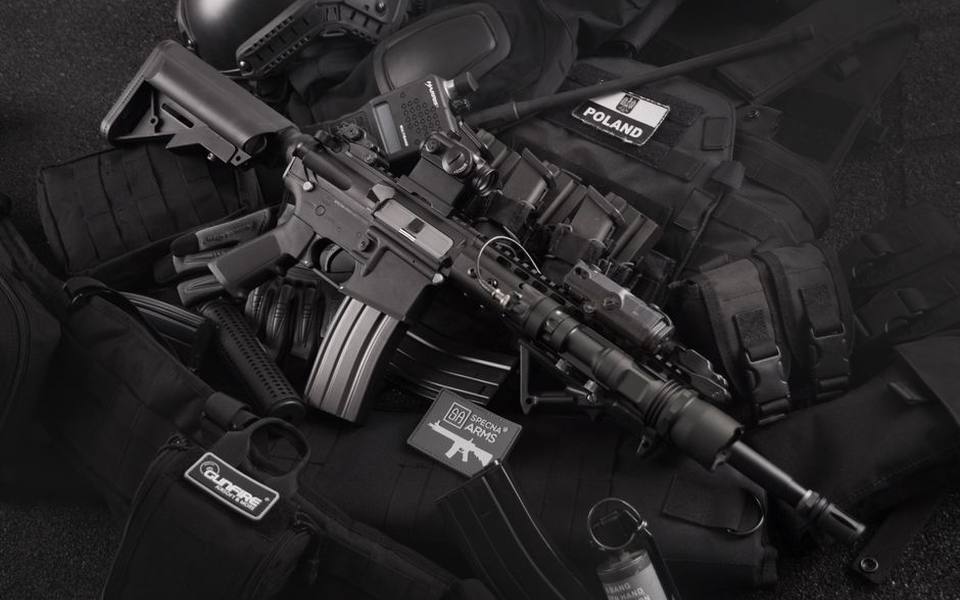
Everyday Carry and Tactical Accessories: Range Bags, Gun Locks, and Practical Gear
-
 Owning
Gun Cleaning Kits and Maintenance: Cleaners, Oils, and Solvents
-
Safety
Everyday and Noise Reduction Earplugs: A Practical Comparison Guide
-
 Safety
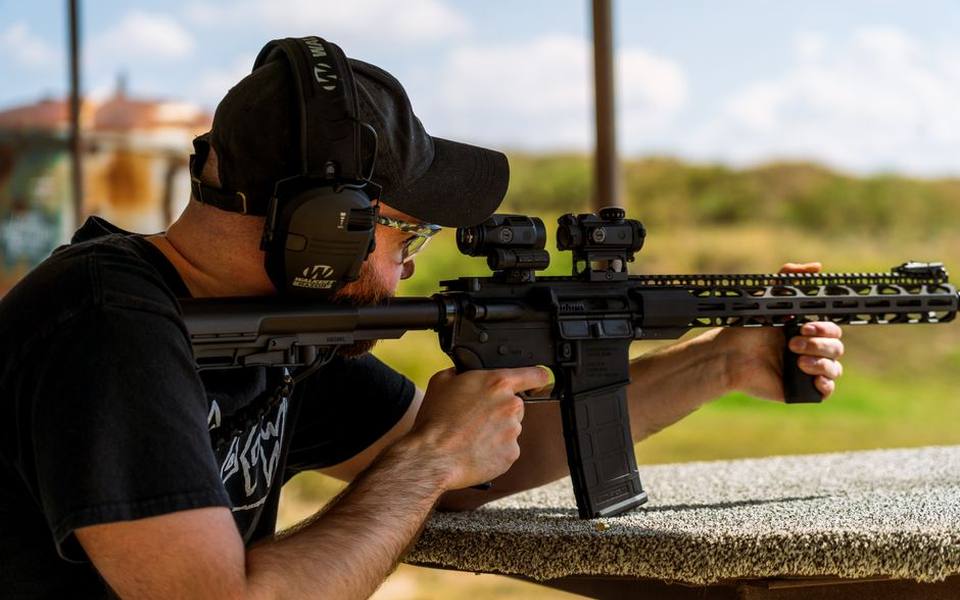
Firearm Safety Rules, Concealed Carry Courses, and Tactical Shooter Training
-
 Service
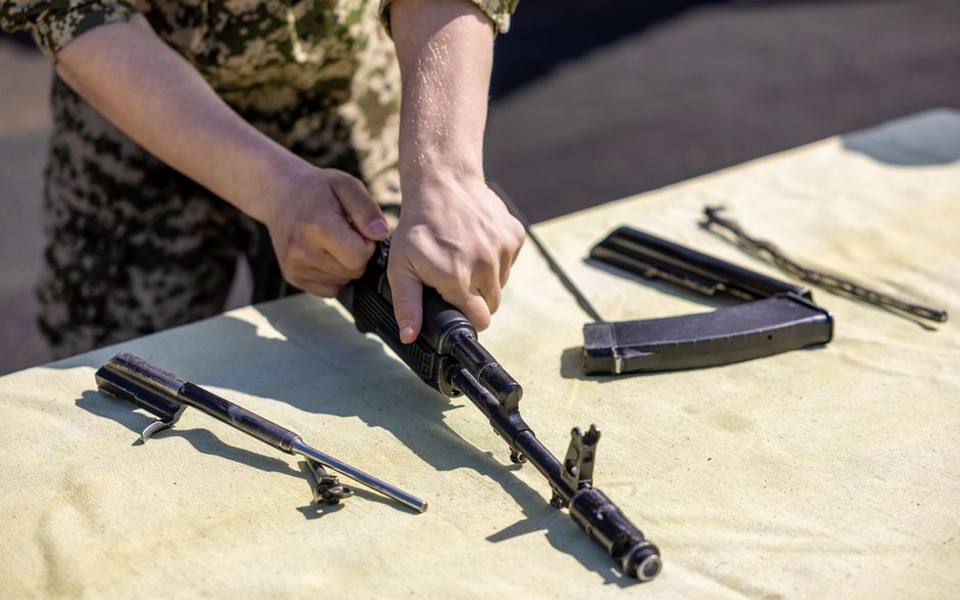
Rifle Customization, Caliber Selection, and Bench Work: A Guide to Practical Gunsmithing and Reloading
-
 Safety
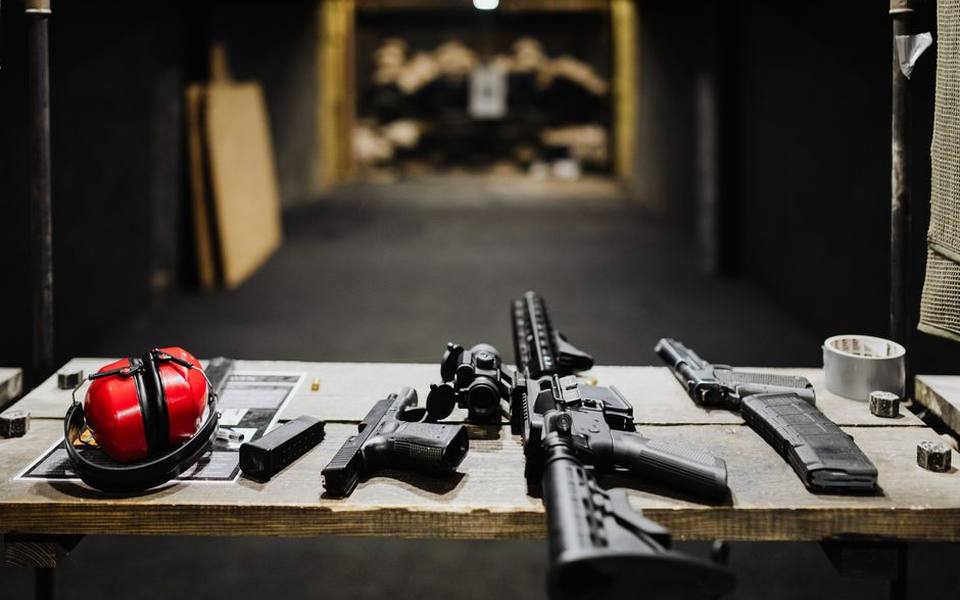
Shooting and Hearing Protection: Guide to Earmuffs, Plugs, and Electronic Defenders
-
 Buying
Choosing Spotting Scopes, Binoculars, and Specialized Night Optics
-
 Safety
Active Shooter Response, Tactical Handgun Courses, and Firearm Safety Training Guide
-
 Buying
Night Vision Optics and Spotting Scopes Buyer's Guide
-
 Buying
Firearm Valuation, Appraisal, and Used Buying Guide
-
Safety
Layering Personal Defense: Less-Lethal Tools, Purpose-Built Firearms, and Medical Gear
-
 Buying
Hunting Ammunition, Calibers & Reloading Supplies Guide
-
 Owning
Concealed Carry Reciprocity, Licensing Basics, and Buying Regulations Explained
-
 Service
Custom Gunsmithing, Barrel Modifications, and AR-15 Upgrades Guide
-
 Owning
Target Shooting & Clay Sports Guide: Air Rifles, Ranges & Eye Protection
-
 Safety
The Ultimate Guide to Shooting Hearing Protection and Electronic Earmuffs
-
 Owning
Dry Fire Training Systems, Timers, and At-Home Practice Routines
-
 Owning
State Firearm Rules, Training Courses, and Range Guidelines
-
Owning
Essential Tactical Gear, EDC Equipment, Shooting Gloves, and Range Bags
-
 Owning
Everyday Carry Holsters and Wearable Gear: A Practical Selection Guide
-
 Owning
Firearm Upgrades and Tuning: Gas Blocks, Sights, and Mounts
-
 Owning
CCW Permits, Licensing Laws, and Background Check Fingerprinting Guide
-
 Storage
Firearm Safes and Secure Storage: Humidity Control, Security Standards, and Storage Solutions