Building a Practical Defense Plan Beyond Conventional Firearms
A practical personal defense strategy rarely relies on a single tool. Many homeowners and everyday citizens find themselves weighing the boundary between less-lethal deterrents and traditional firearms, looking for solutions that fit their comfort level, physical capabilities, and home layout. Rather than viewing non-lethal equipment and defensive firearms as opposing philosophies, experienced instructors usually treat them as complementary layers along a broader spectrum of personal safety.
Choosing defense equipment begins with an honest assessment of your living environment and everyday routines. Those living in shared apartments, multi-generational homes, or densely packed suburban developments often have different concerns regarding bystander safety and liability than rural homeowners. Knowing when a chemical deterrent is appropriate versus when a firearm is necessary allows you to make deliberate, measured decisions under stress without hesitating over equipment capability.
Before investing in any defensive gear, it helps to handle equipment in person and speak with staff at a trusted local store found through a nationwide directory of local gun shops. Hands-on experience helps you evaluate grip size, trigger reach, activation switches, and holster designs. A tool that feels awkward or intimidating on a retail counter will likely remain unused in a bedside drawer or vehicle console when seconds count.
Evaluating Bear Sprays for Personal Street Defense
Outdoor enthusiasts frequently wonder whether canisters formulated to deter large predators can double as day-to-day self-defense tools on neighborhood streets. While both wildlife deterrents and personal pepper sprays rely on capsaicinoids derived from chili peppers, their delivery mechanisms, legal classifications, and operating specifications differ dramatically. Understanding these mechanical variations is critical before deciding what to carry on an evening walk.
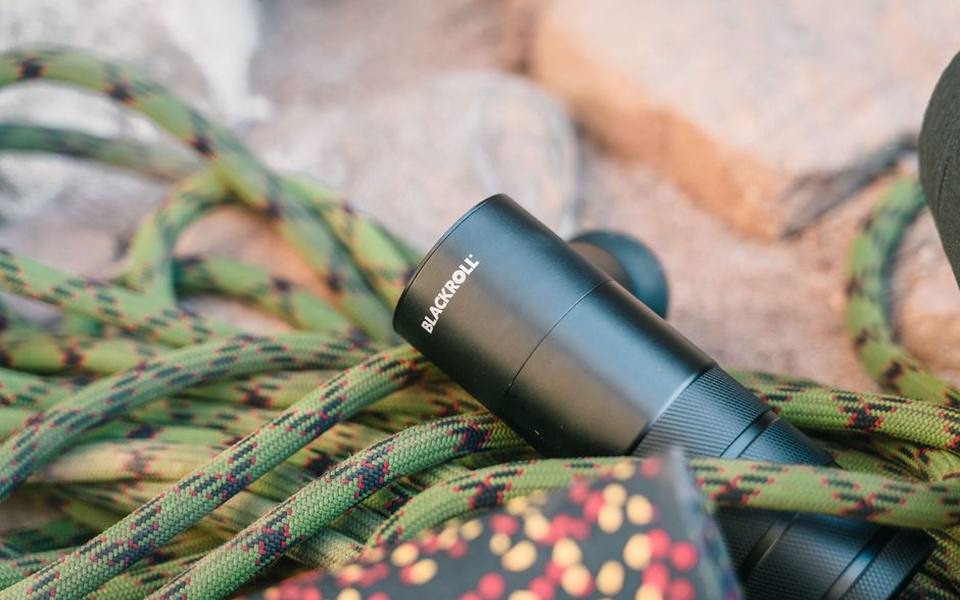
Predator deterrent canisters are engineered to dispense a massive, high-volume fog cloud over distances typically exceeding thirty feet. This cloud creates an immediate chemical barrier designed to halt an approaching animal's charge in open terrain. However, using that same wide-dispersion fog in an urban setting or on a windy sidewalk presents severe tactical hazards, because an environmental breeze can easily push the heavy mist directly back into your own face.
Dedicated defensive pepper sprays for human threats generally employ focused ballistic streams or sticky gel patterns rather than broad fog clouds. These targeted patterns minimize airborne blowback, allow accurate application against a specific aggressor, and typically operate within seven to fifteen feet. Carrying outdoor predator sprays on public streets may also violate municipal ordinances or EPA labeling restrictions in several jurisdictions, making standard defensive pepper spray a much cleaner option legally.
The Unintended Consequences of Discharging Wildlife Deterrents Indoors
Using outdoor predator foggers inside a home or apartment creates immediate collateral consequences that most people do not anticipate. Because these canisters are pressurized to empty large volumes of airborne particulates rapidly, discharging one inside an enclosed hallway or bedroom instantly contaminates the entire indoor air volume. The active capsaicinoids hang in the atmosphere, causing involuntary coughing, burning lungs, and severe temporary vision loss for everyone present.
Once a high-volume chemical fog enters your residential heating, ventilation, and air conditioning system, it circulates into every attached room within seconds. This rapid dispersion can incapacitate children, pets, and innocent family members who are nowhere near the original confrontation. In many instances, the homeowner discharging the canister becomes just as disabled by the drifting aerosol as the intruder, stripping away any physical advantage during the encounter.
Remediating a home after an indoor discharge typically requires professional environmental cleaning, deep duct sanitization, and the replacement of porous furniture fabrics. Homeowners seeking non-lethal room defense are far better served by tactical pepper gels engineered specifically for structural interiors. Gel formulas stick directly to the target on impact, generate virtually zero ambient atomization, and significantly reduce the likelihood of cross-contaminating your family's living space.
Demystifying Stun Gun Voltage and Electrical Output
Shopping for electronic defense items often exposes buyers to sensational marketing claims, especially regarding advertised power ratings. Many handheld contact units prominently advertise figures ranging from several hundred thousand to tens of millions of volts. In electrical reality, these astronomical voltage ratings are largely marketing exaggerations designed to capture consumer attention rather than accurate measurements of practical stopping power.
Voltage is simply the electrical pressure required to bridge an air gap or penetrate through thick denim and winter jackets. What actually produces muscular contraction and temporary physical discomfort is current, measured in microcoulombs or fractions of an ampere. Legally manufactured consumer stun units operate at very low amperage levels, typically just a few milliamperes, ensuring that the electrical charge remains non-lethal while still delivering sufficient discomfort to induce pain compliance.
Direct-contact stun units require you to hold the exposed metal probes firmly against an attacker's torso or extremities for several seconds while maintaining physical proximity. They do not override the central nervous system the way law enforcement projectile probes do; instead, they rely on pain and localized muscle fatigue. Understanding this distinction prevents homeowners from developing an unrealistic sense of absolute security when carrying a compact electric tool.
Buying Electronic Defense Tools from E-Commerce and Big-Box Retailers
Many individuals first encounter electronic self-defense devices while browsing popular online marketplaces or strolling the sporting goods aisles of major department stores. Large e-commerce platforms offer thousands of generic, direct-import shock devices, frequently bundled with built-in flashlights, keychain clips, and rechargeable cords. While convenience and low price points make these items tempting, evaluating their build quality requires a skeptical eye.

Inexpensive electronic tools sourced from third-party online vendors often suffer from inconsistent quality control, fragile housing plastics, and unreliable internal battery cells. A defensive device that loses its charge after sitting in a glove box for three weeks provides zero practical protection during an emergency. If you choose to purchase an electronic defense tool from big-box retailers, stick with established security brands that publish detailed electrical specifications and offer clear customer warranties.
Shipping regulations also create friction when ordering electronic defense gear online. Even if an e-commerce platform displays a product in search results, automated checkout systems frequently block shipments to addresses in states or municipalities with strict local ordinances. Visiting a local merchant or consulting with staff who handle reputable used gun dealers and personal security gear ensures that what you buy complies with state transportation codes.
Navigating City Codes and Restrictive Local Jurisdictions
The legal status of non-lethal electronic weapons varies considerably across the United States. While federal courts have gradually pushed back against blanket municipal prohibitions, local statutes in major metropolitan areas remain complex and actively enforced. What is completely unrestricted across rural counties may require a permit, carry restrictions, or outright registration inside dense urban centers.
A clear example involves historical and modern regulations in dense urban regions like New York City. For decades, local codes prohibited the possession and sale of electronic stun tools entirely. While federal court rulings struck down total bans as unconstitutional infringements on self-defense, local administrative codes and public transit rules still impose strict boundaries on where and how these items may be transported, possessed, or openly carried.
Carrying an electronic weapon into government buildings, educational institutions, or public transit hubs frequently leads to confiscation, fines, or misdemeanor citations depending on the local administrative framework. Before purchasing or traveling with any electronic defensive device, review the specific municipal code of the city you are visiting. Assuming a tool is universally legal simply because it is marketed as non-lethal is one of the most common legal errors citizens make.
Selecting Practical Defense Handguns for Female Shooters
For decades, the firearms industry attempted to market personal defense handguns to women by simply coloring polymer frames pink or offering ultra-lightweight snub-nosed revolvers. In reality, these small, featherweight handguns often produce punishing felt recoil and have heavy double-action triggers that make consistent, accurate shooting exceptionally difficult. Female shooters evaluating defense firearms need platforms chosen for ergonomic fit, manageable recoil, and functional control rather than novelty styling.
Hand size and finger reach directly dictate how effectively an individual can control a semi-automatic handgun during rapid strings of fire. Modern handguns featuring interchangeable grip backstraps allow users to tailor the frame circumference to their natural grip, ensuring the index finger rests squarely on the trigger face without twisting the wrist. Calibers like standard nine-millimeter provide an optimal balance, delivering effective terminal performance while keeping recoil impulse predictable and easy to manage.
Manipulating the slide to chamber a round or clear a malfunction is another critical consideration for shooters with less upper-body leverage. Several modern manufacturers now produce handguns specifically engineered with lighter recoil spring assemblies, deeply scalloped slide serrations, and raised cocking tabs. Before completing a purchase through a licensed FFL transfer dealer, spend time at a rental range test-firing different frame sizes to identify what feels naturally controllable in your hands.
Defensive Shotgun Configurations Suited for Senior Citizens
A traditional twelve-gauge pump shotgun has long been regarded as an iconic home defense platform, but its physical demands can make it difficult for older homeowners to manage. Heavy recoil, substantial overall weight, and the physical force required to cycle a stiff manual slide under adrenaline can become serious hurdles for individuals managing arthritis, reduced joint mobility, or shoulder sensitivity. Fortunately, thoughtful equipment selection can retain the shotgun's defensive strengths while minimizing physical strain.
Transitioning from a standard twelve-gauge to a twenty-gauge platform significantly reduces felt recoil while still delivering formidable defensive capability at indoor distances. A twenty-gauge shell loaded with standard buckshot offers ample kinetic energy without the violent backward snap that can bruise aging shoulders or induce flinching. Modern semi-automatic gas-operated shotguns further absorb recoil energy by utilizing expanding combustion gases to cycle the action, resulting in a noticeably softer shooting experience than manual pump designs.
Stock length and overall balance also deserve close attention when outfitting a defensive long gun for older adults. Standard factory buttstocks are often cut too long for comfortable indoor maneuvering, forcing the shooter into an overextended, fatiguing stance. Consulting qualified local gunsmiths to shorten the stock or install a quality recoil-absorbing pad transforms an intimidating firearm into an intuitive, accessible home defense tool that any family member can shoulder smoothly.
Integrating Trauma Medical Gear and Modern Tourniquets
Any comprehensive personal protection plan must recognize a fundamental reality: if a defensive scenario involves violent contact or projectile weapons, traumatic bleeding is a very real possibility. While many people spend hundreds of hours researching defensive tools, holsters, and weapon lights, they frequently neglect the medical equipment required to treat severe injuries after an encounter concludes. Preparing to stop severe hemorrhage is just as vital as preparing to defend your physical perimeter.
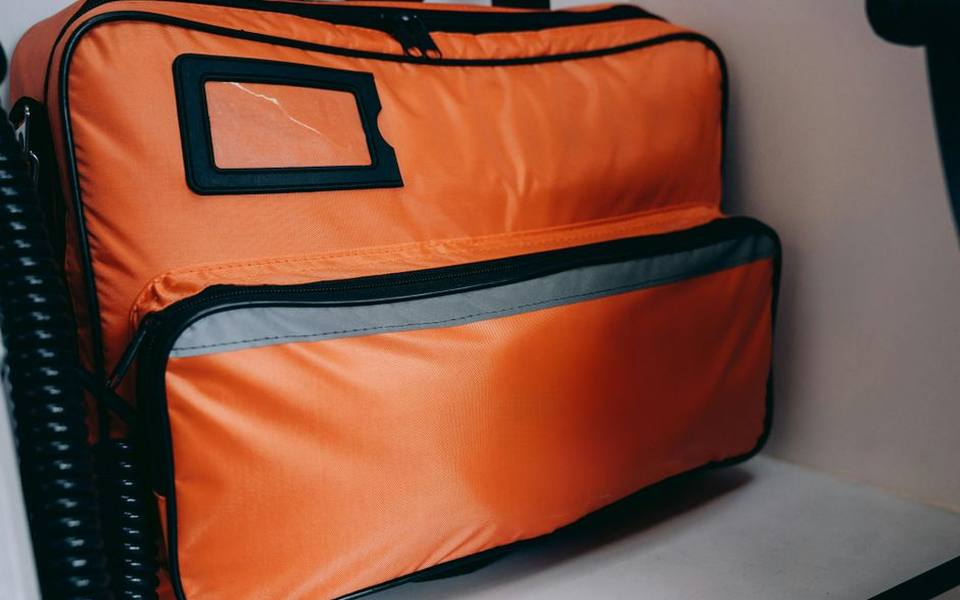
Dedicated arterial tourniquets developed for military trauma care have revolutionized civilian bleeding control over the last two decades. Modern windlass and ratcheting tourniquets allow a single injured individual to apply life-saving pressure to their own arm or leg within seconds, occluding major arterial blood flow before emergency medical responders arrive on scene. Carrying or staging a genuine, proven tourniquet next to your home defense setup bridges the dangerous gap between an incident and professional medical care.
Avoid purchasing low-cost knockoff medical gear sold by unverified storefronts on major e-commerce platforms. Cheap counterfeit tourniquets frequently suffer catastrophic structural failure, with plastic windlass rods snapping or hook-and-loop seams tearing apart under the high mechanical tension needed to stop arterial bleeding. Purchase medical supplies from verified medical supply houses or reputable local retailers, and verify that the design is recommended by the Committee on Tactical Combat Casualty Care.
Staging trauma gear properly is just as important as owning it. A tourniquet should be kept fully removed from its protective plastic packaging, with the windlass retained in an open, ready-to-apply configuration so it can be deployed with one hand in total darkness. Combining a dedicated tourniquet with compressed wound-packing gauze, an elastic pressure bandage, and medical gloves creates a streamlined trauma kit that fits neatly inside a vehicle glove box, daypack, or bedside drawer.
Training, Storing, and Maintaining Your Defensive Systems
Acquiring defensive hardware is merely the preliminary step in building family safety; true security depends entirely on realistic training, systematic maintenance, and responsible storage. Whether your defensive setup consists of non-lethal pepper gel, a compact stun device, a dedicated home defense long gun, or a trauma kit, each piece of gear requires regular inspection to ensure operational readiness when emergencies unfold.
Chemical canisters and electronic tools carry finite operational lifespans that require active tracking. Pepper sprays and gels gradually lose canister propellant over two to four years, meaning an expired canister may deliver an erratic sputter instead of a continuous stream when triggered. Similarly, rechargeable electronic stun items and weapon-mounted lights suffer gradual parasitic battery drain over time, necessitating a scheduled monthly recharge or battery replacement cycle.
Storage practices must carefully balance rapid emergency access against complete unauthorized access, particularly in homes with curious children or frequent visitors. Quick-access biometric or mechanical push-button lockboxes offer secure staging for handguns and medical gear without the time penalty of traditional combination dials. Integrating regular family safety discussions with periodic equipment rehearsals ensures that every household member knows exactly how each defensive layer functions.
Published 2026-09-21 · reviewed with each rebuild, last September 2026.
Find gun stores near you
The directory lists 12,328 gun stores by state and city — pick your state or use the “Near me” button in the header.
More guides
-
 Buying
Night Vision, Caliber Choices, and Hearing Protection: The Practical Buyer Guide
-
 Owning
Muzzle Brakes vs Pistol Compensators: Mechanics, Tuning, and Ownership Costs
-
 Owning
Where to Get Fingerprints for Gun Permits, Hearing Gear, and Range Prep
-
 Owning
How to Remove Rust from a Gun Safely Without Damaging the Finish
-
 Buying
Choosing a Skeet Shotgun: Balance, Gauges, and Barrel Specs
-
 Safety
Stun Guns, Tasers, and Protective Range Gear: Practical Buyer's Guide
-
 Buying
Choosing Practical Firearms for Home Defense and Daily Carry
-
 Buying
FFL Transfer Fees and Process Explained: What to Expect at the Counter
-
 Service
Fingerprinting Services, IdentoGO, and FBI Background Checks: The Complete Guide
-
 Safety
Indoor and Outdoor Shooting Ranges: Etiquette, Rules, and Memberships
-
 Storage
Gun Safes and Fireproof Storage: Biometric Safes, Cabinets, and Dehumidifiers
-
 Safety
Body Armor and Ballistic Plates: Threat Levels, Plate Materials, and Carrier Sizing
-
 Safety
Shooting Hearing Protection: Electronic Earmuffs, Custom Earplugs, and Noise Reduction
-
 Owning
Shooting Targets, Clay Throwers, and Range Rests Guide
-
 Owning
Concealed Carry Holsters: Kydex, Leather, IWB, OWB, and Specialized Rigs
-
 Owning
Rifle and Shotgun Slings: Single-Point, Two-Point, and Mounting Hardware
-
 Owning
Everyday Carry and Tactical Accessories: Range Bags, Gun Locks, and Practical Gear
-
 Owning
Gun Cleaning Kits and Maintenance: Cleaners, Oils, and Solvents
-
Safety
Everyday and Noise Reduction Earplugs: A Practical Comparison Guide
-
 Safety
Firearm Safety Rules, Concealed Carry Courses, and Tactical Shooter Training
-
 Service
Rifle Customization, Caliber Selection, and Bench Work: A Guide to Practical Gunsmithing and Reloading
-
 Safety
Shooting and Hearing Protection: Guide to Earmuffs, Plugs, and Electronic Defenders
-
 Buying
Choosing Spotting Scopes, Binoculars, and Specialized Night Optics
-
 Safety
Active Shooter Response, Tactical Handgun Courses, and Firearm Safety Training Guide
-
 Buying
Night Vision Optics and Spotting Scopes Buyer's Guide
-
 Buying
Firearm Valuation, Appraisal, and Used Buying Guide
-
 Buying
Hunting Ammunition, Calibers & Reloading Supplies Guide
-
 Owning
Concealed Carry Reciprocity, Licensing Basics, and Buying Regulations Explained
-
 Service
Custom Gunsmithing, Barrel Modifications, and AR-15 Upgrades Guide
-
 Owning
Target Shooting & Clay Sports Guide: Air Rifles, Ranges & Eye Protection
-
Storage
Essential Firearm Storage, Cases, Recoil Pads, and Rig Systems
-
 Safety
The Ultimate Guide to Shooting Hearing Protection and Electronic Earmuffs
-
 Owning
Dry Fire Training Systems, Timers, and At-Home Practice Routines
-
 Owning
State Firearm Rules, Training Courses, and Range Guidelines
-
Owning
Essential Tactical Gear, EDC Equipment, Shooting Gloves, and Range Bags
-
 Owning
Everyday Carry Holsters and Wearable Gear: A Practical Selection Guide
-
 Owning
Firearm Upgrades and Tuning: Gas Blocks, Sights, and Mounts
-
 Owning
CCW Permits, Licensing Laws, and Background Check Fingerprinting Guide
-
 Storage
Firearm Safes and Secure Storage: Humidity Control, Security Standards, and Storage Solutions