Understanding Sound Levels and Why Decibels Demand Respect
Every gunshot produces an immediate shockwave that exceeds safe auditory thresholds, often registering between one hundred forty and one hundred sixty-five decibels depending on barrel length, caliber, and surroundings. Exposure to unsuppressed gunfire causes instantaneous, irreversible nerve damage inside the inner ear. Quality sound deadening ear muffs serve as the frontline defense against this acoustic trauma, absorbing concussive energy before pressure waves breach the ear canal.
Noise Reduction Ratings, commonly labeled as NRR on packaging across the United States, provide an estimate of how much noise a device diminishes in laboratory testing. To determine practical decibel reduction, safety specialists typically subtract seven from the published NRR and divide that remainder by two. A muff rated at thirty NRR provides roughly eleven to twelve decibels of real-world suppression, underscoring why proper fitment is critical when handling loud calibers.
Indoor ranges amplify muzzle blast significantly compared to open outdoor pastures because concrete walls and steel baffles reflect sound directly back toward the shooter. If you spend time observing drills or testing fresh handloads with gear from gun stores with reloading supplies, passive protection alone may leave your ears ringing unless your seals fit tightly against your temples and jawline.
Hearing damage accumulates quietly over decades, initially robbing individuals of higher frequency sounds before degrading conversational clarity. Tinnitus, characterized by persistent ringing or buzzing in the ears, frequently stems from sporadic shooting sessions without adequate hearing defenders. Equipping yourself with dependable protective gear every time you cross the firing line prevents permanent auditory decline.
Passive Earmuffs versus Electronic Sound Defenders
Traditional passive earmuffs rely entirely on dense acoustic foam, rigid outer shells, and tight headband clamping force to physically mute ambient noise. They operate without batteries, survive damp range bags without electrical malfunction, and generally cost less than active alternatives. For casual range trips or bench shooting with predictable firing rhythms, a rugged pair of passive cups offers dependable, uncompromised sound attenuation.
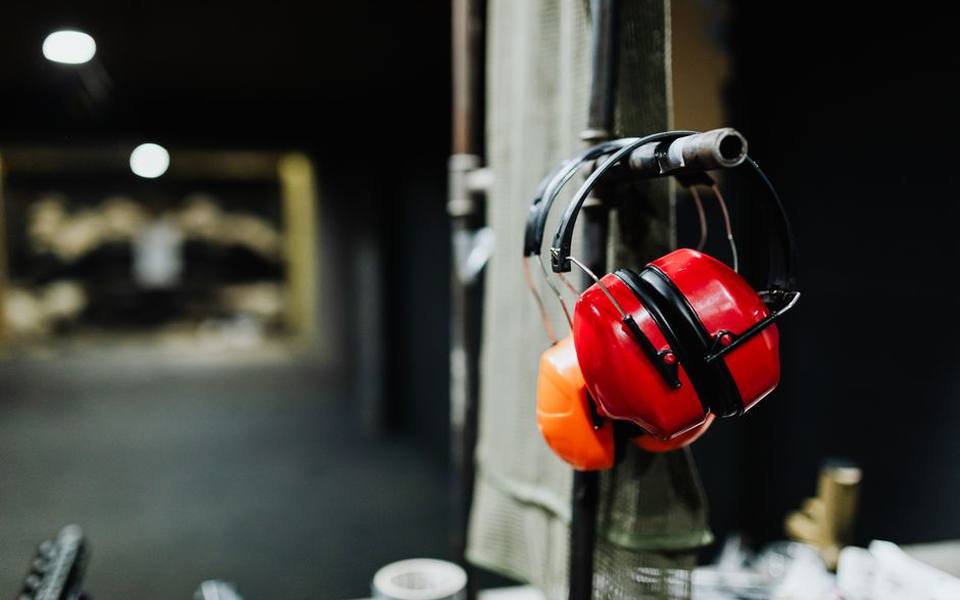
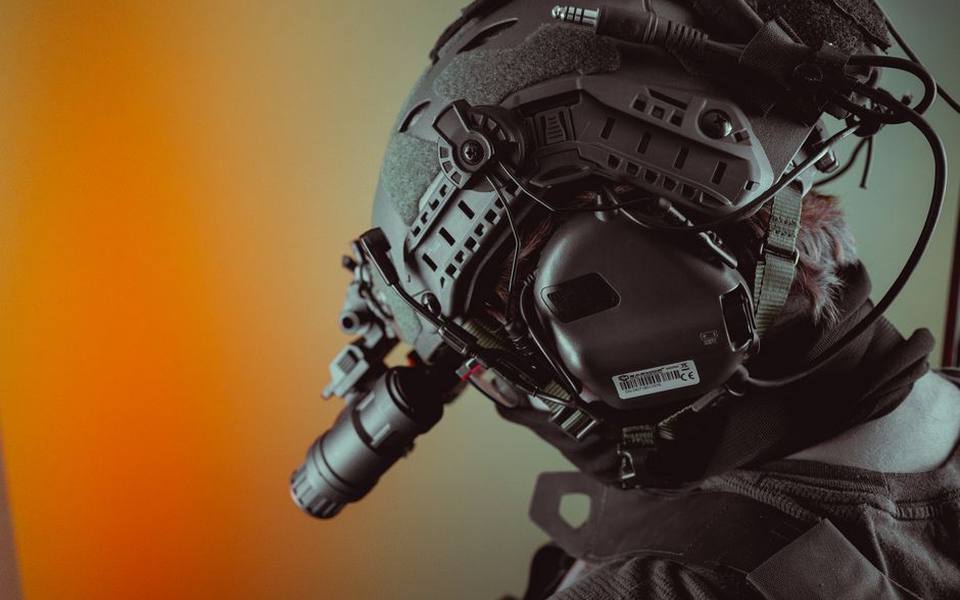
Electronic hearing defenders incorporate exterior directional microphones paired with internal speakers that actively monitor your surrounding environment. Integrated digital microchips compress or cut off incoming audio above eighty-two decibels within milliseconds while simultaneously amplifying quiet ambient sounds like range officer commands or wilderness footfalls. This dual capability drastically improves overall situational awareness during dynamic tactical training or group hunts in thick timber.
Choosing between passive and electronic models largely depends on how much communication your activity demands. Instructors and squad leaders almost universally prefer electronic defenders because clear speech avoids misunderstandings during firing exercises. Conversely, bench shooters firing high-powered magnums in close stalls often reach for thick, high-rated passive muffs to maximize pure noise barrier volume.
Before purchasing, verify the response time of the digital circuitry, often measured in fractions of a millisecond. Budget electronic designs may clip sounds abruptly, producing a distracting buzzing or stuttering effect whenever someone fires nearby, whereas advanced digital compression smooths volume spikes into manageable background thuds without disrupting surrounding voices.
Work Headsets and Audio Entertainment on the Range
Modern headphone earmuffs bridge the gap between heavy industrial safety and consumer audio entertainment, appealing to mechanics, landscapers, and range visitors alike. Built-in Bluetooth receivers, integrated FM tuners, and auxiliary ports allow wearers to stream podcasts or take phone calls while maintaining dependable hearing defense. Popular work tunes models illustrate how ear protection has evolved into an everyday workplace companion across workshops and acreage maintenance.
When using audio-capable earmuffs around firearms, caution remains mandatory to prevent audio distractions from masking range commands or structural warnings. Dedicated shooting earmuffs with auxiliary ports prioritize sound attenuation over deep bass response, keeping safe sound pressure levels capped beneath eighty-five decibels inside the ear cup regardless of volume settings.
Shooters who reload ammunition often spend hours sorting brass and operating presses alongside case tumblers and trimming tools. Wearing entertainment-enabled protective earmuffs keeps repetitive workshop hours enjoyable while dampening steady motor drone. When selecting equipment from regional retailers like gun stores in Pennsylvania, check whether the headset retains ambient awareness pass-through during audio playback.
Battery longevity is another vital consideration when choosing connected headsets for long days on the farm or range. Lithium rechargeable designs eliminate ongoing battery purchases, but standard alkaline battery compartments make it simpler to swap cells in the field when you lack access to an electrical outlet.
Protecting Infants and Young Children from Loud Noise
Infant ears are significantly more delicate than adult auditory structures because cranial bones remain thin, ear canals are narrower, and eardrums sit closer to the surface. Taking babies to sporting events, outdoor air shows, fireworks displays, or active hunting properties requires specialized newborn ear muffs designed specifically for early developmental anatomy. Standard adult or youth muffs exert excessive clamping pressure on unformed infant skulls.
True infant ear muffs feature broad, ultra-soft cushions and wide elastic headbands that disperse tension across the crown without pressing on soft spots. These newborn ear muffs for noise reduction focus on steady passive attenuation, smoothing sudden concussive thuds down to gentle background rumbles. Ensuring a gapless seal around tiny ears without shifting requires constant monitoring, especially as babies turn their heads in car seats or carriers.
Parents should never use disposable foam inserts or custom plugs for babies, as loose earplugs present an immediate choking hazard and can damage tiny ear canals if inserted incorrectly. High-profile infant muff designs keep hands and small fingers away from the interior cushions while providing reliable noise barriers during noisy family travel.
If you plan to introduce youngsters to shooting sports, wait until they can express physical discomfort and articulate whether their gear feels tight or loose. Transitioning older toddlers into dedicated youth earmuffs builds reliable safety discipline long before they ever handle an entry-level rimfire rifle.
Foam Earplugs and Custom Molded Ear Protection
Disposable foam earplugs represent the most common and economical noise defense found at shooting counters and job sites. When rolled tightly, inserted deep into the canal, and allowed to expand fully, high-quality foam plugs frequently deliver NRR ratings exceeding thirty decibels. Unfortunately, many shooters simply push them loosely into the outer ear opening, cutting effective protection in half and leaving their ears vulnerable.
A custom molded earplug provides an exact, anatomical match to the individual curves of your inner and outer ear canal. Users can purchase do-it-yourself silicone mold kits or visit an audiologist to have medical-grade silicone impressions formed. These personalized plugs eliminate pressure hot spots, resist backing out during active movement, and provide repeatable, daily acoustic isolation without the waste of disposable foam.
Molded silicone plugs clean easily with warm water and mild soap, lasting through years of hard shooting or commercial operation. Some molded variants feature acoustic filters that let conversational speech pass through freely while hardening instantly against acoustic shockwaves created by high-velocity centerfire rounds.
Hunters often prefer custom plugs over bulky earmuffs because plugs do not interfere with gun mounts against the stock. When shoulder-mounting a shotgun for clay pigeons or waterfowl, broad ear cups can strike the comb and break the acoustic seal right when the trigger breaks, making low-profile molded inserts vastly superior.
Earplugs for Live Music, Concerts, and Indoor Stages
Musicians, venue staff, and concertgoers face prolonged exposure to high-volume sound systems that can rival small-caliber firearm blasts in total cumulative energy. Standard foam plugs tend to muffle sound unevenly, muddying guitar riffs and vocal tracks by deadening high frequencies far more than bass tones. Specially tuned earplugs for loud music utilize acoustic acoustic filters to lower the entire frequency spectrum evenly.
This flat-attenuation design ensures that music sounds natural and balanced, merely shifted down to a harmless volume level between seventy-five and eighty-five decibels. Venue visitors avoid the disorienting, hollow sensation known as the occlusion effect, enabling them to converse comfortably between stage performances without repeatedly pulling plugs from their ears.
Many sport shooters who also appreciate live performances carry filtered plugs in their everyday gear bags for multi-purpose protection. Whether standing near amplified stage stacks, running loud lawn equipment, or watching a drag race, high-fidelity acoustic plugs preserve sound nuance while keeping sound pressure waves away from sensitive sensory hair cells.
When browsing local inventories at gun stores in Texas, you can often find compact aluminum travel canisters designed to carry filtered plugs on a keychain, ensuring protection is always within reach whenever noise levels spike unexpectedly.
Heavy Machinery and Forestry Grade Hearing Defenders
Chainsaws, brush cutters, wood chippers, and industrial log splitters generate persistent, screaming two-stroke motor noise that quickly causes operator exhaustion and ear damage. Purpose-built stihl ear muffs and comparable forestry defenders feature dense outer shells and vibration-dampening brackets engineered specifically to handle continuous engine RPM frequencies. These heavy-duty defenders emphasize secure skull clamping to prevent slippage during active outdoor chores.
Unlike lightweight range muffs that focus on sharp acoustic spikes, stihl ear defenders must combat persistent medium-frequency mechanical roar over six to eight hours of continuous clearing work. Their bright, high-visibility orange or yellow colorways serve a vital safety purpose, keeping tree trimmers and groundskeepers easily identifiable in dense brush or low-light logging woods.
Forestry hearing units frequently integrate fine stainless steel mesh visors or polycarbonate face shields directly into the headband framework. This comprehensive setup protects the eyes and face from high-speed flying wood debris, thorny briars, and thrown sawdust without sacrificing steady hearing defense across the workday.
Ground maintenance crews frequently pair these tough forestry muffs with inner earplugs when operating commercial brush saws or cutting large hardwood stumps. Adding reliable noise protection reduces whole-body fatigue at the end of the day, allowing workers to maintain sharper cognitive focus and avoid costly equipment mistakes.
Hard Hat Earmuffs and Industrial Noise Safety
Construction environments, surface mines, and heavy fabrication shops mandate structural head protection alongside hearing defense. Traditional over-the-head earmuff bands cannot sit comfortably under a standard safety helmet without breaking the suspension geometry and pinching the scalp. Dedicated hard hat ear muffs solve this dilemma by mounting directly into the accessory slots found on universal safety helmets.
These spring-tensioned arms allow workers to pop the ear cups outward into a standby rest position away from the head when operating in quiet zones. When heavy machinery fires up or structural demolition begins, the wearer simply snaps the cups inward against the ears, locking in firm perimeter pressure around the temples without disturbing the hard hat's placement.
Selecting helmet-mounted muffs requires verifying slot compatibility with your specific brand of safety cap, as mount geometries vary between slotted and full-brim styles. High-quality industrial brackets utilize steel arms that resist cracking when brushed against scaffolding, branches, or structural steel beams on demanding commercial sites.
Gun club range builders, trap house technicians, and backstop maintenance personnel routinely rely on hard hat mounted defenders during range expansion projects. Technicians working alongside gunsmiths testing custom platforms in adjacent sound booths appreciate how seamlessly cap-mounted muffs integrate into broader personal protective ensembles.
Maintaining Headset Seals, Hygiene, and Replacing Ear Pads
The effectiveness of any earmuff relies almost entirely on the supple barrier created by its perimeter cushions. Over months of range trips and outdoor labor, facial oils, sunscreens, and sweat steadily harden factory foam cushions, transforming flexible seals into rigid plastic rims. Worn ear pads develop micro-gaps around temple arms and jawlines, leaking high-pressure noise straight into the ear canal.
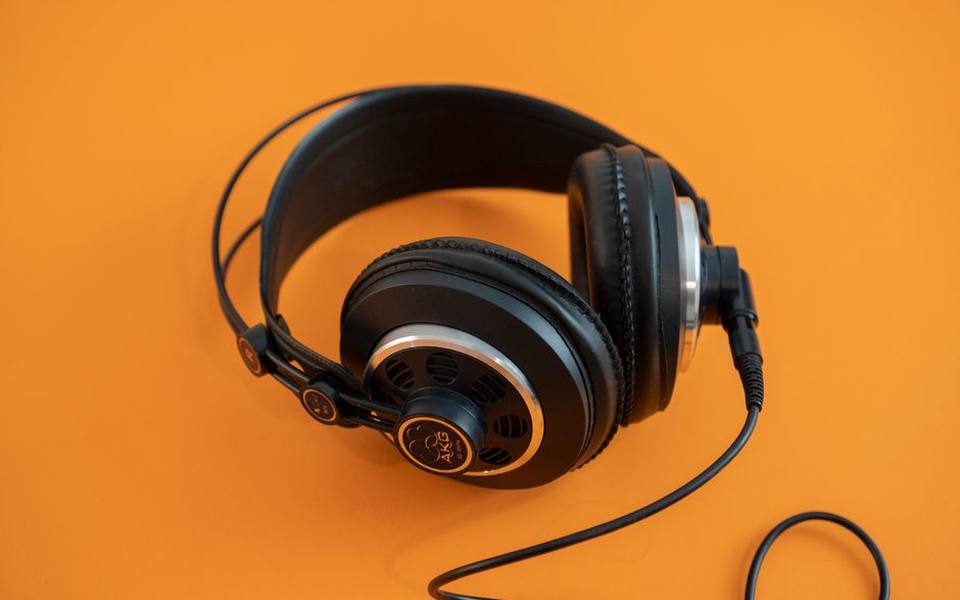
Manufacturers offer hygiene replacement kits that include fresh foam liners and pliable snap-in cushions to refresh worn headsets without requiring an entirely new purchase. Swapping out cushions annually restores acoustic performance and eliminates rancid sweat smells that accumulate inside damp storage cases.
Many experienced shooters upgrade standard factory vinyl pads with aftermarket cooling gel cups filled with high-density silicone fluid. Gel seals contour effortlessly around eyewear frames, eliminating the uncomfortable pinching that typically occurs when thick spectacle arms break the acoustic seal during long afternoon range sessions.
Cleaning your muffs requires gentle handling; never submerge headsets in water, especially electronic models housing sensitive digital boards. Wipe the outer cups, headband, and soft cushions with a damp microfiber cloth lightly treated with mild dish detergent, then allow components to dry fully before sealing them in range totes.
Layering Hearing Protection and Suppressor Considerations
When firing high-recoil rifles indoors or standing beside short-barreled carbines equipped with muzzle brakes, single-layer hearing defense is rarely sufficient. Professional marksmen routinely double up by inserting deep foam or custom plugs beneath broad passive or electronic earmuffs. Combining plugs and muffs typically adds an extra four to eight decibels of protection beyond the highest single rating, providing a critical buffer against concussion.
When doubling up, electronic muffs prove exceptionally useful because you can raise their ambient microphone volume to hear range commands clearly through your inner earplugs. Meanwhile, the outer shell and inner foam work in tandem to deaden sudden blast spikes from surrounding lanes, protecting your inner ear from concussive waves.
Firearm suppressors represent another substantial leap in auditory safety by containing expanding muzzle gasses at the barrel crown. Suppressors moderate acoustic spikes at the source rather than attempting to filter sound solely at the shooter's head, making ranges quieter for everyone present. Shooters curious about adding suppressors to their gear can locate qualified professionals through directories of Class 3 / NFA dealers across the country.
Whether you are shooting sporting clays, cutting winter firewood, introducing an infant to outdoor festivals, or operating industrial drills, choosing the right hearing defender is non-negotiable. Inspect your equipment regularly, replace worn seals before they fail, and always ensure a secure fit before stepping into noisy environments.
Published 2026-09-21 · reviewed with each rebuild, last September 2026.
Find gun stores near you
The directory lists 12,328 gun stores by state and city — pick your state or use the “Near me” button in the header.
More guides
-
 Buying
Night Vision, Caliber Choices, and Hearing Protection: The Practical Buyer Guide
-
 Owning
Muzzle Brakes vs Pistol Compensators: Mechanics, Tuning, and Ownership Costs
-
 Owning
Where to Get Fingerprints for Gun Permits, Hearing Gear, and Range Prep
-
 Owning
How to Remove Rust from a Gun Safely Without Damaging the Finish
-
 Buying
Choosing a Skeet Shotgun: Balance, Gauges, and Barrel Specs
-
 Safety
Stun Guns, Tasers, and Protective Range Gear: Practical Buyer's Guide
-
 Buying
Choosing Practical Firearms for Home Defense and Daily Carry
-
 Buying
FFL Transfer Fees and Process Explained: What to Expect at the Counter
-
 Service
Fingerprinting Services, IdentoGO, and FBI Background Checks: The Complete Guide
-
 Safety
Indoor and Outdoor Shooting Ranges: Etiquette, Rules, and Memberships
-
 Storage
Gun Safes and Fireproof Storage: Biometric Safes, Cabinets, and Dehumidifiers
-
 Safety
Body Armor and Ballistic Plates: Threat Levels, Plate Materials, and Carrier Sizing
-
 Safety
Shooting Hearing Protection: Electronic Earmuffs, Custom Earplugs, and Noise Reduction
-
 Owning
Shooting Targets, Clay Throwers, and Range Rests Guide
-
 Owning
Concealed Carry Holsters: Kydex, Leather, IWB, OWB, and Specialized Rigs
-
 Owning
Rifle and Shotgun Slings: Single-Point, Two-Point, and Mounting Hardware
-
 Owning
Everyday Carry and Tactical Accessories: Range Bags, Gun Locks, and Practical Gear
-
 Owning
Gun Cleaning Kits and Maintenance: Cleaners, Oils, and Solvents
-
Safety
Everyday and Noise Reduction Earplugs: A Practical Comparison Guide
-
 Safety
Firearm Safety Rules, Concealed Carry Courses, and Tactical Shooter Training
-
 Service
Rifle Customization, Caliber Selection, and Bench Work: A Guide to Practical Gunsmithing and Reloading
-
 Buying
Choosing Spotting Scopes, Binoculars, and Specialized Night Optics
-
 Safety
Active Shooter Response, Tactical Handgun Courses, and Firearm Safety Training Guide
-
 Buying
Night Vision Optics and Spotting Scopes Buyer's Guide
-
 Buying
Firearm Valuation, Appraisal, and Used Buying Guide
-
Safety
Layering Personal Defense: Less-Lethal Tools, Purpose-Built Firearms, and Medical Gear
-
 Buying
Hunting Ammunition, Calibers & Reloading Supplies Guide
-
 Owning
Concealed Carry Reciprocity, Licensing Basics, and Buying Regulations Explained
-
 Service
Custom Gunsmithing, Barrel Modifications, and AR-15 Upgrades Guide
-
 Owning
Target Shooting & Clay Sports Guide: Air Rifles, Ranges & Eye Protection
-
Storage
Essential Firearm Storage, Cases, Recoil Pads, and Rig Systems
-
 Safety
The Ultimate Guide to Shooting Hearing Protection and Electronic Earmuffs
-
 Owning
Dry Fire Training Systems, Timers, and At-Home Practice Routines
-
 Owning
State Firearm Rules, Training Courses, and Range Guidelines
-
Owning
Essential Tactical Gear, EDC Equipment, Shooting Gloves, and Range Bags
-
 Owning
Everyday Carry Holsters and Wearable Gear: A Practical Selection Guide
-
 Owning
Firearm Upgrades and Tuning: Gas Blocks, Sights, and Mounts
-
 Owning
CCW Permits, Licensing Laws, and Background Check Fingerprinting Guide
-
 Storage
Firearm Safes and Secure Storage: Humidity Control, Security Standards, and Storage Solutions