Selecting the Right Caliber for Deer and Medium Game
Choosing an appropriate deer caliber comes down to balancing terminal energy, shot distance, and manageable recoil. While personal preferences vary widely across hunting camps, the general standard for clean white-tailed deer harvests is roughly one thousand foot-pounds of energy delivered on target. Popular standbys like .308 Winchester, 6.5 Creedmoor, .270 Winchester, and the venerable .30-06 Springfield hold their ground because they reliably produce this energy without overwhelming the shooter. Each option carries distinct ballistic traits, yet all of them have dropped game cleanly across North America for decades.
Smaller centerfire rounds, including .243 Winchester, deliver flat trajectories and light felt recoil, making them approachable for newer hunters or individuals sensitive to heavy shoulder impact. However, bullet construction becomes far more critical with lighter grain weights. A heavy-for-caliber expanding bullet is essential to penetrate vital tissue consistently rather than fragmenting prematurely on shoulder bone. In timbered terrain with heavy brush where shots rarely exceed eighty yards, moderate-velocity rounds with blunt profiles, such as .30-30 Winchester, continue to fill freezers without destroying unnecessary amounts of venison.
Before settling on a rifle chambering, consider regional terrain and local hunting regulations. Several midwestern states mandate straight-wall cartridges like the .350 Legend or .450 Bushmaster on public parcels, which naturally restricts standard bottleneck options. If you are browsing the racks at used gun stores, inspect bore wear and verify that factory ammunition for that specific caliber remains widely available on local retail shelves rather than requiring special online orders.
Your bullet choice matters just as much as the brass case driving it. Bonded lead cores, copper monolithics, and partition-style designs are engineered to retain weight as they punch through dense muscle and rib structures. Rapidly expanding cup-and-core varmint bullets should never be substituted for dedicated big-game hunting rounds, as they lack the controlled expansion necessary for ethical, rapid harvesting.
Understanding Rifle Cartridge Types and Geometries
Cartridges are primarily distinguished by their case geometry, rim architecture, and action length requirements. Bottleneck rounds represent the vast majority of modern hunting ammunition, featuring a wider case body that tapers abruptly to hold a smaller-diameter projectile. This design maximizes propellant powder volume behind the bullet while maintaining manageable chamber dimensions. In contrast, straight-wall casings lack this shoulder taper entirely, which limits their working chamber pressures and maximum effective distance but keeps them legal in restrictive hunting zones.
Rim configurations further classify how a cartridge seats and extracts within the firearm's chamber. Rimless cases rely on the case mouth or the shoulder angle for headspace, sitting flush against a bolt-action bolt face for smooth magazine feeding. Rimmed cases have a pronounced lip protruding beyond the case diameter, which serves as a positive stop inside the barrel; these remain standard in break-action rifles and vintage lever-action designs. Belted magnum cases incorporate an extra raised ring just ahead of the extractor groove, an artifact originally engineered to establish headspace on steep, sloping dangerous-game cartridges.
Comparing popular cartridges requires examining ballistic coefficient, sectional density, and case capacity side by side. A modern high-BC cartridge preserves velocity downrange, resisting wind drift far better than older, blunt-profile rounds of identical caliber. However, within typical woodland hunting distances under one hundred and fifty yards, these aerodynamic advantages provide negligible real-world difference. Evaluating factory ballistic charts helps match your hunting ground's average shot distance against the cartridge's trajectory profile.
If you encounter erratic grouping or difficult chambering with factory ammunition, a knowledgeable professional can evaluate headspacing and throat erosion. Consulting qualified gunsmiths ensures that chamber dimensions match manufacturer tolerances before you invest in hundreds of rounds or custom loading dies.
The Reality of Cycling Subsonic 5.56 Rounds in Semi-Automatics
Many shooters explore subsonic ammunition for suppressed target practice or discreet pest management, but running quiet loads through a standard semi-automatic 5.56 NATO rifle presents steep mechanical hurdles. Standard 5.56 projectiles are exceptionally light, typically weighing fifty-five to seventy-seven grains. Slowing these light bullets down below the speed of sound—roughly 1,050 feet per second—drastically reduces the volume of powder gas produced during combustion. Without adequate gas volume and chamber pressure, the direct-impingement system cannot generate sufficient force to cycle the bolt carrier group rearward.
As a result, most off-the-shelf subsonic 5.56 rounds function essentially like straight-pull single shots in standard AR-style rifles. The shooter must manually pull the charging handle to eject the spent hull and strip a fresh round off the feed lips. Attempting to force cycling through extra-heavy projectiles creates stabilization problems, as conventional barrel twist rates like 1:9 or 1:7 inches may not stabilize ninety-grain subsonic bullets, introducing the real risk of baffle strikes inside a suppressor.
Achieving reliable semi-automatic cycling with subsonic rounds typically requires stepping away from the 5.56 case entirely and moving toward cartridges engineered specifically for low-pressure suppression, such as .300 AAC Blackout. These platforms launch heavy two-hundred-grain projectiles with powder charges tuned directly for short-barrel dwell time. If you run dedicated suppressed systems, connecting with licensed Class 3 / NFA dealers can help clarify which host calibers and gas configurations yield quiet performance without persistent feed jams.
Evaluating Shotgun Shell Brands and Hull Designs
Shotgun shells may look interchangeable from the exterior, but internal construction varies substantially between manufacturers. Target-grade ammunition often uses softer chilled shot and economical plastic hulls, designed purely for breaking clay targets at moderate distances. In contrast, premium hunting loads utilize hardened high-antimony lead, bismuth, or tungsten alloys loaded inside dense, one-piece wads that protect barrel steel while holding tight patterns at forty yards.
Hull construction is an essential detail for hunters who also plan to reload their spent hulls. Traditional one-piece compression-formed hulls hold their shape across multiple firings and offer uniform internal volume, making them favorites on handloading benches. Two-piece hulls with separate plastic basewads are prevalent among budget game loads; while perfectly safe for single factory firings, they require distinct load data and can loosen after repeated crimping cycles.
Pattern consistency on paper remains the ultimate test of any shotgun shell brand. A shell that groups cleanly through a modified choke in one over-under shotgun may throw erratic, hole-ridden patterns in a semi-automatic with different bore back-boring. Before heading afield for turkey, waterfowl, or upland birds, spend an afternoon patterning diverse payload weights and pellet sizes against cardboard to verify your setup's point of impact and density.
Black Powder Substitutes and Modern Muzzleloading Charges
Traditional black powder has powered muzzleloaders for centuries, but modern substitutes now dominate most sporting goods shelves. Formulations based on synthetic compounds, ascorbic acid, or modified nitrocellulose offer distinct advantages, including reduced fouling, non-hazardous shipping status, and lower hygroscopic corrosion rates. These modern propellants mimic black powder pressure curves while burning noticeably cleaner inside inline and traditional barrels.
When handling modern muzzleloader propellants, understanding volumetric measurement is vital. Black powder substitutes are engineered to be measured by volume rather than absolute scale weight. Pouring a substitute powder into a brass volumetric measure set to one hundred grains delivers the pressure equivalent of one hundred grains of genuine black powder, even though its true physical weight on a digital powder scale may be significantly lower. Conflating weight with volume can cause hazardous chamber overpressure.
Propellant shelf life depends strictly on environmental storage conditions. Synthetic propellants absorb ambient moisture rapidly if containers are left unsealed during damp hunting mornings. Keep factory jugs closed tight, store them in climate-controlled spaces, and never mix different powder brands or grain granulations within the same charging flask or powder horn.
Percussion Caps and Traditional Ignition Hardware
Percussion caps provide the spark necessary to ignite propellant charges in traditional side-lock and modern muzzleloaders. Sizing is critical for both reliable ignition and physical safety; an improperly fitted cap can drop off the nipple during a stalk or fail to seat deep enough for the hammer to strike cleanly. The two most common standard consumer sizes are number eleven caps and musket caps, each intended for distinct nipple geometries.

Number 11 percussion caps are the standard choice for the vast majority of traditional civilian hunting rifles, single-shot pistols, and cap-and-ball revolvers. Within this designation, standard and magnum variations exist; magnum versions contain a slightly hotter priming compound designed to reliably torch off slower-burning black powder substitutes. Musket caps, originally developed for military longarms, are noticeably larger and feature a flanged, top-hat design that makes them much easier to grasp with cold, gloved hunting fingers.
Inline muzzleloaders frequently bypass traditional percussion caps altogether, employing modern 209 shotgun primers via specialized breech plugs for hotter, weather-resistant ignition. If your rifle still utilizes a traditional nipple, inspect the orifice regularly for erosion, carbon buildup, or peening from repeated dry fire. A clogged or battered nipple will cause frustrating hangfires or complete misfires regardless of the cap quality used.
Inspecting and Prepping Brass Casings for the Bench
The brass casing is the most expensive single component of a centerfire round, and handloading relies on re-using that case through multiple pressure cycles. Before cleaning or sizing, every spent hull should undergo a thorough visual and tactile inspection. Look for telltale warning signs of high pressure: cratered or flattened primers, heavy ejector marks on the case head, and localized bright rings near the base that signal incipient case head separation.
Once casings are cleaned via dry tumbling in walnut media or wet tumbling with stainless pins, uniform case length becomes the next priority. Each time brass is fired and full-length resized, copper-zinc alloy flows forward into the case neck, causing the hull to grow longer. Trimming cases back to manufacturer-specified trim-to lengths prevents the mouth from crimping hard against the chamber throat, which can cause dangerous pressure spikes upon firing.
Managing primer pockets is another foundational prep task, especially when processing once-fired military brass. Military specifications commonly mandate a circular crimp or stake around the primer to prevent displacement in combat weapons. This crimp must be swaged or reamed out before a fresh primer can seat smoothly without crushing its cup. Establishing a disciplined inspection routine weeds out compromised brass long before it touches a die.
Selecting and Seating Modern Bullet Primers Safely
Primers are the sensitive explosive heart of any centerfire cartridge, containing a shock-sensitive lead styphnate compound held inside a brass or nickel-plated cup. Primers fall into four fundamental categories: small rifle, large rifle, small pistol, and large pistol, alongside magnum and benchrest variants. Rifle cups feature significantly thicker metal walls than pistol cups to withstand the elevated chamber pressures typical of rifle calibers without puncturing or flowing back into the firing pin channel.
Magnum primers contain a larger, hotter, and longer-duration flame designed specifically to ignite dense charges of slow-burning ball propellants or large powder columns in oversized magnum cases. Substituting a magnum primer into a published standard load recipe without reducing powder charges can dramatically raise chamber pressure. Always reference verified loading manuals from bullet or powder manufacturers before deviating from tested primer specifications.
Proper seating depth is essential for both mechanical reliability and ignition consistency. A primer must be seated fully to the bottom of the primer pocket, typically resting between two and five thousandths of an inch below flush with the case head. A high primer can cause slam-fires in semi-automatic rifles or prevent revolvers from advancing their cylinders, while a crushed primer compromises the internal anvil and leads to weak ignition.
Always purchase primers through dedicated, reputable supply chains. Browsing gun stores with reloading supplies lets you check lot numbers, confirm physical box condition, and avoid damaged stock that may have suffered humidity exposure during transit.
Metering Propellant Accurately on the Handloading Bench
Consistently throwing identical propellant charges across dozens or hundreds of casings is the cornerstone of accurate, safe handloading. Volumetric powder measures, such as rotary drum dispensers mounted directly to a bench or die station, allow loaders to drop charges swiftly without weighing every individual round. These mechanical tools rely on an adjustable internal cavity that fills with powder and dumps it into the waiting case funnel upon cycling the handle.

The physical geometry of the gunpowder dictates how smoothly a volumetric measure functions. Fine spherical ball powders flow through volumetric dispensers like liquid, producing exceptionally consistent charge weights from drop to drop. Conversely, extruded stick powders consist of small cylinders that can hang up in the measure's wiper or shear across the drum edge, causing minor charge variances that require careful monitoring on a calibrated scale.
To achieve maximum precision with difficult powders, many reloaders combine a volumetric measure with a mechanical powder trickler. The measure is dialed to drop a charge slightly below target weight into a scale pan, after which the trickler drops individual powder kernels until the balance beam aligns perfectly. Comparing volumetric drops against a verified balance beam or digital scale every ten rounds ensures your dispenser has not shifted during production runs.
Navigating Supplies, Storage, and Counter Discussions
Walking into a retail store to purchase powder, primers, or projectiles can occasionally feel overwhelming given fluctuating inventories and strict transport rules. Hazmat shipping fees make buying small quantities of powder and primers online uneconomical for casual loaders, meaning neighborhood retail counters remain the primary resource for keeping your bench stocked. Establishing a good rapport with counter staff often provides early insights into when wholesale distributor deliveries arrive.
When purchasing propellants, stick strictly to unopened factory containers. Never buy powder that has been transferred into unmarked plastic jars or secondary containers, regardless of the price discount, because visual identification of smokeless powders is virtually impossible. Keep detailed records in a bench logbook documenting lot numbers, component recipes, and group sizes achieved during range sessions to streamline future component purchases.
Store all propellants and priming mixtures in their original packaging inside cool, dry locations away from direct sunlight, thermal swings, and electrical heating sources. Local fire codes frequently dictate the maximum allowable weight of smokeless powder and number of primers stored within residential dwellings. Storing supplies in a sturdy wooden cabinet rather than a heavy, sealed airtight steel safe allows pressure to vent safely in the rare event of a house fire.
Published 2026-09-21 · reviewed with each rebuild, last September 2026.
Find gun stores near you
The directory lists 12,328 gun stores by state and city — pick your state or use the “Near me” button in the header.
More guides
-
 Buying
Night Vision, Caliber Choices, and Hearing Protection: The Practical Buyer Guide
-
 Owning
Muzzle Brakes vs Pistol Compensators: Mechanics, Tuning, and Ownership Costs
-
 Owning
Where to Get Fingerprints for Gun Permits, Hearing Gear, and Range Prep
-
 Owning
How to Remove Rust from a Gun Safely Without Damaging the Finish
-
 Buying
Choosing a Skeet Shotgun: Balance, Gauges, and Barrel Specs
-
 Safety
Stun Guns, Tasers, and Protective Range Gear: Practical Buyer's Guide
-
 Buying
Choosing Practical Firearms for Home Defense and Daily Carry
-
 Buying
FFL Transfer Fees and Process Explained: What to Expect at the Counter
-
 Service
Fingerprinting Services, IdentoGO, and FBI Background Checks: The Complete Guide
-
 Safety
Indoor and Outdoor Shooting Ranges: Etiquette, Rules, and Memberships
-
 Storage
Gun Safes and Fireproof Storage: Biometric Safes, Cabinets, and Dehumidifiers
-
 Safety
Body Armor and Ballistic Plates: Threat Levels, Plate Materials, and Carrier Sizing
-
 Safety
Shooting Hearing Protection: Electronic Earmuffs, Custom Earplugs, and Noise Reduction
-
 Owning
Shooting Targets, Clay Throwers, and Range Rests Guide
-
 Owning
Concealed Carry Holsters: Kydex, Leather, IWB, OWB, and Specialized Rigs
-
 Owning
Rifle and Shotgun Slings: Single-Point, Two-Point, and Mounting Hardware
-
 Owning
Everyday Carry and Tactical Accessories: Range Bags, Gun Locks, and Practical Gear
-
 Owning
Gun Cleaning Kits and Maintenance: Cleaners, Oils, and Solvents
-
Safety
Everyday and Noise Reduction Earplugs: A Practical Comparison Guide
-
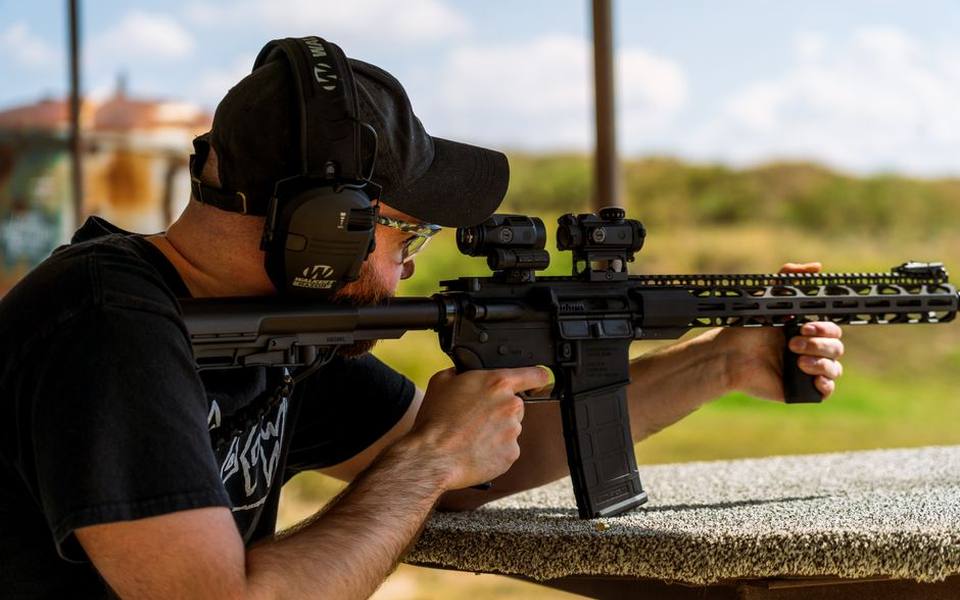 Safety
Firearm Safety Rules, Concealed Carry Courses, and Tactical Shooter Training
-
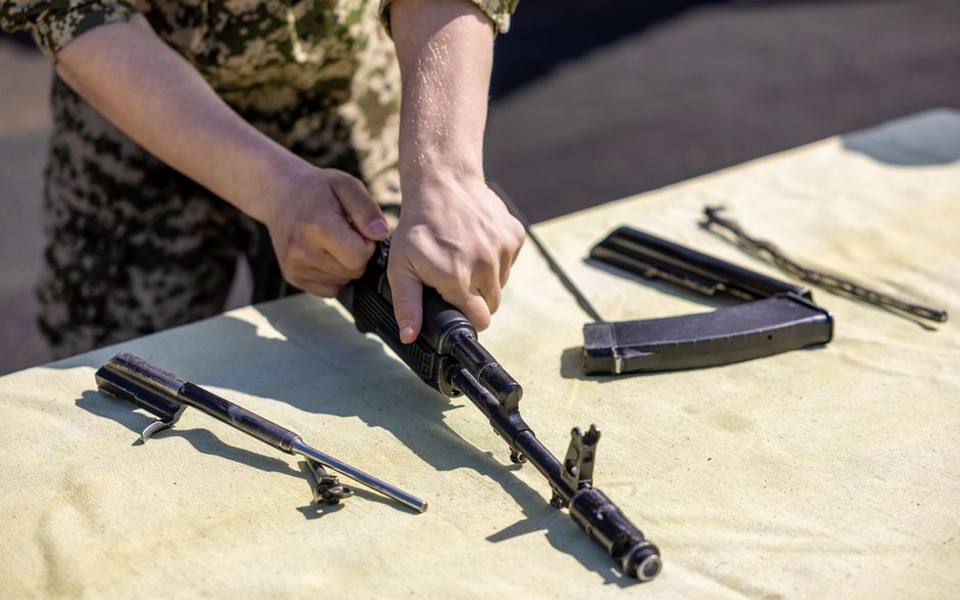 Service
Rifle Customization, Caliber Selection, and Bench Work: A Guide to Practical Gunsmithing and Reloading
-
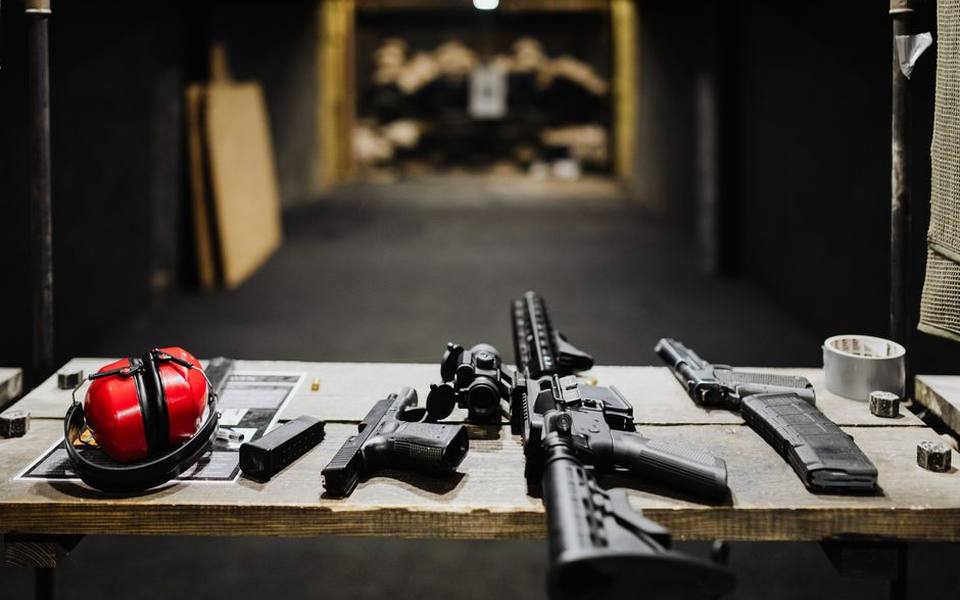 Safety
Shooting and Hearing Protection: Guide to Earmuffs, Plugs, and Electronic Defenders
-
 Buying
Choosing Spotting Scopes, Binoculars, and Specialized Night Optics
-
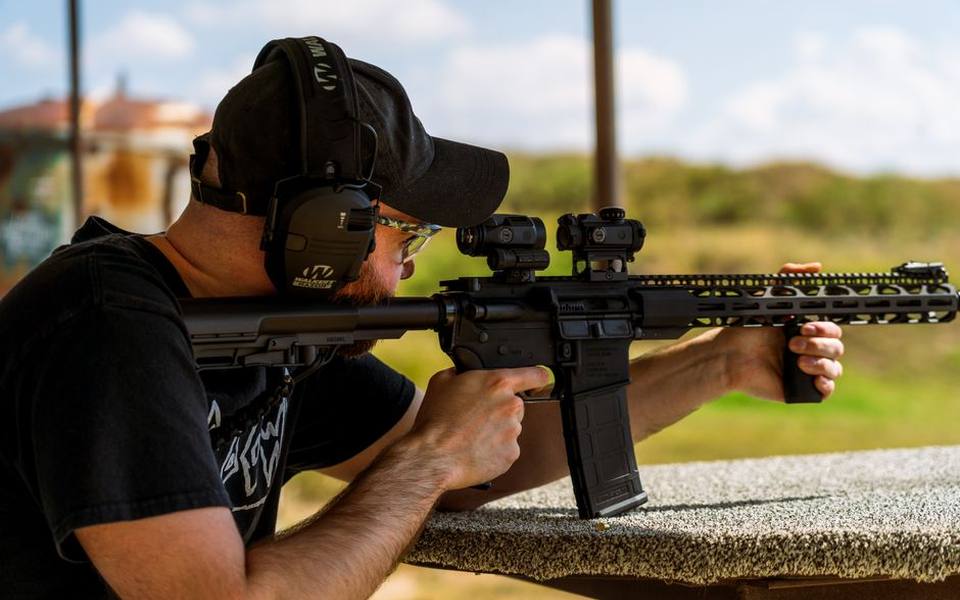 Safety
Active Shooter Response, Tactical Handgun Courses, and Firearm Safety Training Guide
-
 Buying
Night Vision Optics and Spotting Scopes Buyer's Guide
-
 Buying
Firearm Valuation, Appraisal, and Used Buying Guide
-
Safety
Layering Personal Defense: Less-Lethal Tools, Purpose-Built Firearms, and Medical Gear
-
 Owning
Concealed Carry Reciprocity, Licensing Basics, and Buying Regulations Explained
-
 Service
Custom Gunsmithing, Barrel Modifications, and AR-15 Upgrades Guide
-
 Owning
Target Shooting & Clay Sports Guide: Air Rifles, Ranges & Eye Protection
-
Storage
Essential Firearm Storage, Cases, Recoil Pads, and Rig Systems
-
 Safety
The Ultimate Guide to Shooting Hearing Protection and Electronic Earmuffs
-
 Owning
Dry Fire Training Systems, Timers, and At-Home Practice Routines
-
 Owning
State Firearm Rules, Training Courses, and Range Guidelines
-
Owning
Essential Tactical Gear, EDC Equipment, Shooting Gloves, and Range Bags
-
 Owning
Everyday Carry Holsters and Wearable Gear: A Practical Selection Guide
-
 Owning
Firearm Upgrades and Tuning: Gas Blocks, Sights, and Mounts
-
 Owning
CCW Permits, Licensing Laws, and Background Check Fingerprinting Guide
-
 Storage
Firearm Safes and Secure Storage: Humidity Control, Security Standards, and Storage Solutions