The Core Rules of Firearm Handling
Every credible firearms curriculum begins with four universal safety rules that never change regardless of your experience level. First, treat every firearm as if it were loaded, even immediately after you have personally checked the chamber. Second, never let the muzzle point at anything you are not willing to destroy, maintaining strict control of where the barrel faces at all times. Third, keep your finger off the trigger and outside the trigger guard until your sights are on the target and you have made a conscious decision to shoot. Fourth, be certain of your target, what is beyond it, and what stands in front of it.
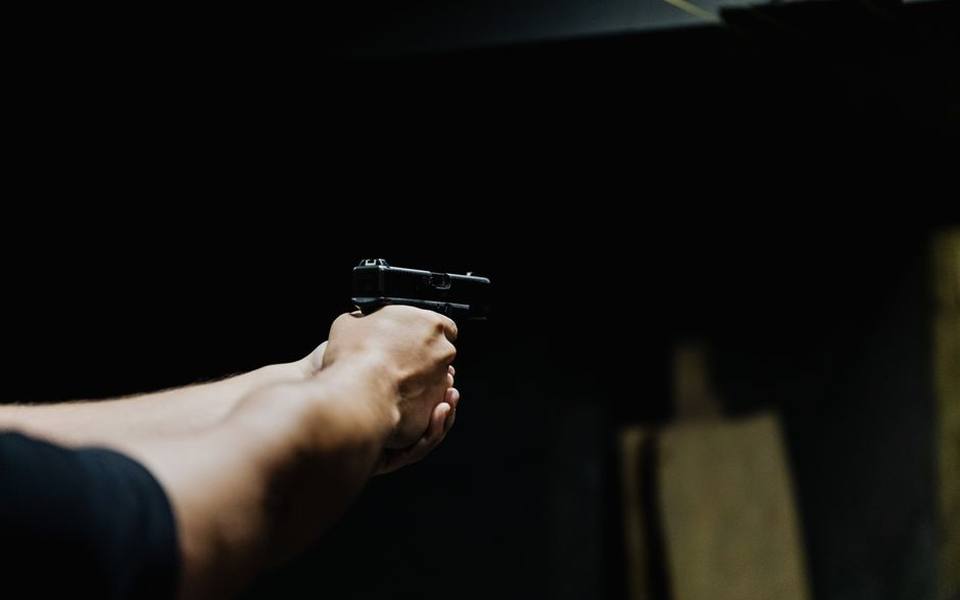
Violating a single safety rule rarely produces an injury on its own, but catastrophic accidental discharges occur when two or more of these principles break down simultaneously. On a crowded firing line or in a private residence, momentary distractions represent the most common cause of muzzle sweeps. Developing an automatic reflex to register the barrel orientation requires repetitive practice before live ammunition is ever introduced. Experienced instructors emphasize building deliberate muscle memory so that keeping your index finger indexed high along the frame becomes second nature the instant your hand grips a pistol.
Mechanical safeties on modern handguns are mechanical devices capable of failure or improper engagement, meaning they can never substitute for disciplined handling. Striker-fired pistols often lack manual external levers, relying instead on internal drop safeties and trigger bar safeties that disengage only when the shoe is pressed. When staging gear or unpacking range bags, deliberate administrative handling prevents snagging clothing or foreign objects inside the holster mouth. Establishing a designated safe direction in your home—often against an exterior concrete wall or a sand-filled bucket—gives you a secure backstop during any chamber clearance routine.
Tools for Safe Dry Practice at Home
Building reliable handling skills does not require burning through hundreds of rounds of live ammunition during every single practice session. Structured dry practice allows shooters to master grip pressure, trigger press, sight tracking, and holster presentations without recoil or noise masking technical errors. However, bringing live ammunition into a dry-fire staging area remains one of the leading causes of preventable home discharges. Establishing strict separation protocols ensures that no live rounds, loaded magazines, or carry ammunition exist in the same physical room where manipulation drills take place.
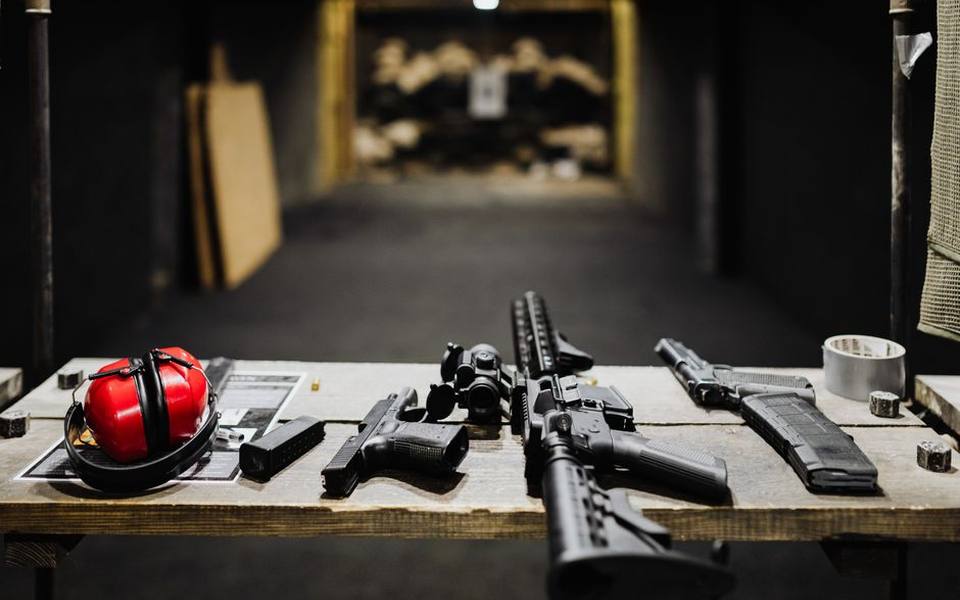
To maximize safety during weapon retention, disarming, and room clearing exercises, many academies mandate the use of dedicated inert gear. A weighted blue training pistol replicates the exact dimensions, weight distribution, and holster fit of an operational duty sidearm while remaining mechanically incapable of chambering a live cartridge. These molded polyurethane tools allow students and partners to practice close-quarters contact drills, defensive retention, and muzzle discipline without introducing any risk of mechanical confusion. They also enable safe holster draw practice before transitioning to an unloaded live firearm.
When you transition back to working with your actual firearm for trigger control drills, inert snap caps provide cushioning for internal firing pins while permitting realistic malfunction clearing. Before beginning any dry session, physically and visually inspect the chamber, magazine well, and bolt face twice, then secure all live ammunition in a completely separate storage container. Announce the beginning of the dry session aloud to anchor your focus, and when finished, announce that dry practice has concluded before reloading your defensive gear to avoid mental lapses.
Concealed Carry Preparation and Online Coursework
Navigating the legal and practical pathways toward carrying a concealed weapon requires understanding your local statutory requirements before spending money on instructional programs. In recent years, remote learning platforms have expanded rapidly, offering state-approved classroom modules that cover legal use of force, prohibited carry locations, and interstate reciprocity. Taking an accredited online carry program can save substantial time by allowing you to study state statutes, situational awareness fundamentals, and conflict avoidance strategies at your own pace from a home computer.
While digital instruction handles statutory concepts efficiently, carrying a defensive firearm demands practical mechanical competence that no screen can verify. Many jurisdictions that accept web-based coursework still mandate an in-person live-fire qualification before issuing a permit, typically requiring you to demonstrate safe loading, firing a passing group at set distances, and clearing basic stoppages. Even in regions with permitless carry frameworks, professional instruction remains critical for understanding the civil liabilities, criminal thresholds, and defensive mechanics surrounding deadly force incidents. You can locate dedicated instructional facilities by exploring gun shops with on-site shooting ranges that host certified defensive classes.
Prospective permit holders should also recognize that state reciprocity maps change regularly as legislatures modify reciprocal agreements. Carrying across state borders without verifying current recognition can expose an otherwise lawful citizen to severe felony charges. A sound carry curriculum teaches students how to verify state attorney general websites directly rather than relying on hearsay or third-party forum advice. Responsible ownership involves treating the issuance of a carry license as the starting point of your operational education rather than the final milestone.
Civilian Active Threat Response Models
Traditional lockdown drills designed decades ago emphasized passive sheltering, turning off lights, and waiting behind locked classroom or office doors until law enforcement arrived. While basic barricading remains appropriate under certain conditions, modern threat analyses demonstrate that static targets suffer higher casualty rates when an aggressor breaches the perimeter. As a result, educational institutions, commercial offices, and municipal agencies have overwhelmingly shifted toward proactive multi-option response protocols that empower individuals to make immediate survival choices based on evolving situational information.
One widely adopted methodology developed by the ALICE Training Institute centers on five flexible principles: Alert, Lockdown, Inform, Counter, and Evacuate. These concepts are non-sequential, meaning participants evaluate their environment to execute whichever action best fits their immediate circumstance. Alert focuses on recognizing early warning signs or danger sounds without delay. Enhanced lockdown involves dynamically barricading entry points with furniture or straps rather than simply hiding. Inform encourages real-time continuous communication over public address or messaging systems so occupants track the intruder's movement.
The Counter and Evacuate phases emphasize decisive physical intervention when safe flight is unavailable. Countering does not mean traditional hand-to-hand fighting; instead, it utilizes sensory overload, throwing objects, creating chaotic movement, and coordinating physical swarming to disrupt the shooter's aim and control the weapon. Whenever an unobstructed exit path exists, evacuation remains the top priority. Running away in a dispersed, zig-zag pattern drastically reduces an assailant's hit probability compared to huddling motionless in an enclosed room.
Public and Multi-Agency Active Shooter Frameworks
Standardizing threat response across civilians, corporate security, and emergency personnel requires unified tactical vocabulary and mutual expectations. Research conducted by Texas State University through the Advanced Law Enforcement Rapid Response Training center has set the national standard for active shooter mitigation. Known broadly as ALERRT training, these dynamic curricula provide first responders with standardized room entry techniques, solo-officer rapid deployment drills, and unified incident command integration to eliminate active violent threats as rapidly as possible.
Because patrol officers typically arrive minutes before specialized tactical units, ALERRT also authored civilian-focused modules tailored for ordinary citizens caught in hostile incidents. The Civilian Response to Active Shooter Events curriculum, commonly called CRASE, translates tactical realities into a simple operational baseline: Avoid, Deny, Defend. Avoid prioritizes maintaining situational awareness to escape danger zones before becoming trapped. Deny involves hardening structures by securing access doors, turning off lighting, and eliminating visual contact from public hallways.
When avoidance and denial fail, Defend requires an immediate, total commitment to neutralizing the aggressor using any available improvised tools or lawful defensive equipment. In major training corridors like gun stores in Texas, local departments frequently partner with civilian ranges to sponsor these safety briefings. Understanding how arriving law enforcement teams deploy—weapons drawn, clearing rooms rapidly, and bypassing wounded individuals to stop the shooter—helps civilians react safely by showing open, empty hands and obeying immediate verbal commands.
Developing Security Teams for Houses of Worship
Places of worship face a distinct security paradox: maintaining an open, welcoming environment for spiritual seekers while establishing robust safeguards against targeted hostility. Religious institutions rely heavily on volunteer greeters, ushers, and staff who are often hesitant to adopt visibly militarized postures. Modern safety planning bridges this divide by developing trained volunteer safety teams who blend gentle hospitality with vigilant observational discipline, ensuring that early indicators of emotional distress or predatory surveillance are noticed long before an incident escalates.
Effective ministry protection begins at the exterior perimeter rather than inside the sanctuary. Dedicated team members monitor parking structures, approach walkways, and primary vestibules, looking for anomalies such as unseasonable heavy clothing, erratic pacing, concealed bulk, or aggressive posturing. Ushers should receive instruction in verbal de-escalation, conflict diversion, and establishing unobtrusive radio contact with security coordinators. Positioning designated responders near entry portals allows rapid physical intervention while congregation members remain insulated from immediate danger during routine services.
When an armed team component is authorized by institutional leadership and state law, training must extend far beyond standard concealed carry qualifications. Armed volunteer members require continuous qualification in crowded-room target discrimination, safe backstops, team movement protocols, and trauma casualty care. Regular coordination with municipal police departments ensures that responding patrol units know which congregants are authorized to carry gear, drastically reducing the risk of deadly blue-on-blue misidentification during high-stress chaos.
Defensive Shooting Dynamics vs. Basic Marksmanship
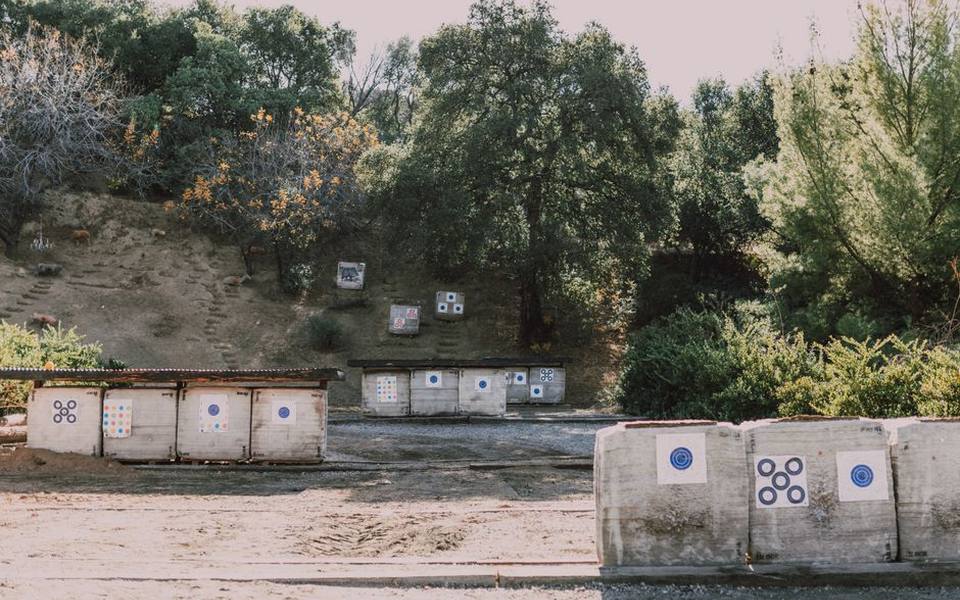
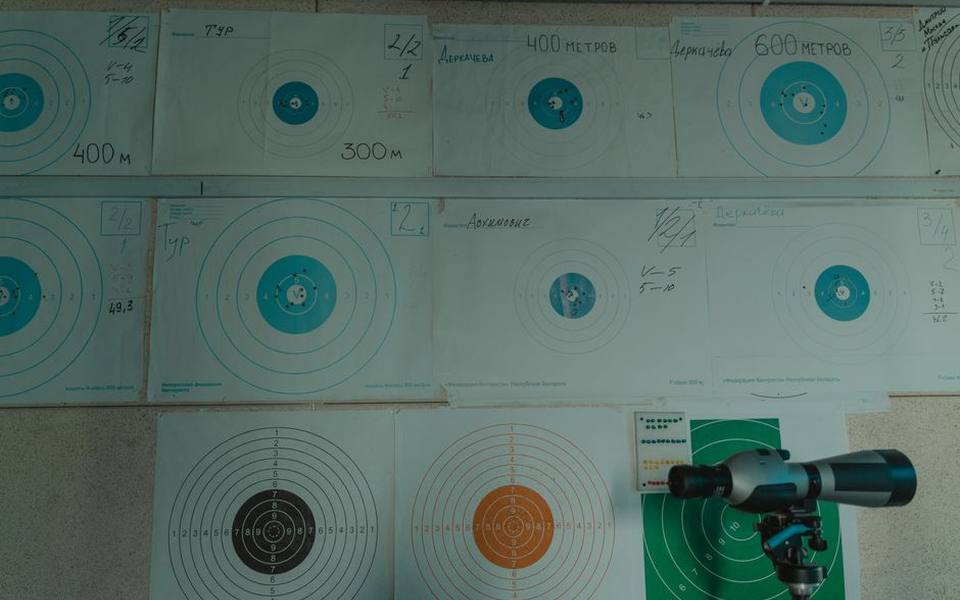
There is a profound operational difference between shooting tight bullseye clusters on a quiet, brightly lit target range and prevailing in a dynamic defensive engagement. Basic marksmanship teaches steady breathing, light trigger prep, and refined sight alignment against motionless paper across fixed distances. In contrast, defensive pistol application involves chaotic sensory input, rapid physiological spikes, compressed reaction windows, and targets that move unpredictably while attempting to inflict serious bodily harm.
Under extreme survival stress, peripheral vision contracts, auditory exclusion sets in, and fine motor skills degrade rapidly due to vasoconstriction. High-level defensive training conditions the practitioner to manage these physiological effects by focusing on gross motor movements and flash sight pictures. Shooters learn to rely on intuitive kinesthetic alignment—indexing the firearm directly toward the thoracic cavity through consistent structural body presentation rather than waiting for microscopic front-sight clarity.
Furthermore, defensive coursework trains participants to shoot while scanning their surroundings, breaking the tunnel-vision habit that leads individuals to stare fixated on their target. After any string of defensive fire, students learn to lower the weapon slightly, assess the immediate threat condition, check their 360-degree environment, and index their trigger finger high along the receiver. Many students refine their mechanical systems by working with qualified specialists through gunsmiths to ensure smooth trigger pulls, high-visibility duty sights, and reliable feeding.
Tactical Handgun and Movement Coursework
Once a shooter demonstrates flawless baseline safety and solid static marksmanship, advancing into specialized tactical handgun training unlocks critical operational capabilities. A professional defensive pistol curriculum forces students out of static shooting stalls and introduces real-world mechanics: drawing safely from a concealed holster, shooting while advancing or retreating, using barricades for cover versus concealment, and engaging multiple targets across non-standard angles. These courses demand high physical stamina and complete emotional discipline under direct instructor supervision.
Malfunction management under time pressure forms an essential pillar of any intermediate or advanced handgun syllabus. Students learn immediate-action drills to clear type-one failures (failure to fire from an unseated magazine) via tap-rack-bang protocols. They also drill remedial actions for complex type-three double-feed stoppages, which require locking the slide, stripping the magazine, cycling the action repeatedly to clear the chamber, and seating fresh ammunition. Practicing these sequences blindly ensures that mechanical stoppages do not leave a defender paralyzed during an engagement.
Movement fundamentals taught in advanced courses emphasize footwork that keeps the center of gravity stable, avoiding crossed feet or abrupt heel strikes that disrupt sight tracking. Firing from behind vertical barriers, vehicles, or low structural obstacles teaches students the critical difference between cover, which stops incoming rounds, and concealment, which merely hides visual presence. Students frequently acquire dependable secondary or duty firearms through reputable used gun stores, testing their setups across hundreds of rounds in tactical environments to ensure total mechanical reliability.
Gear Selection and Range Day Equipment
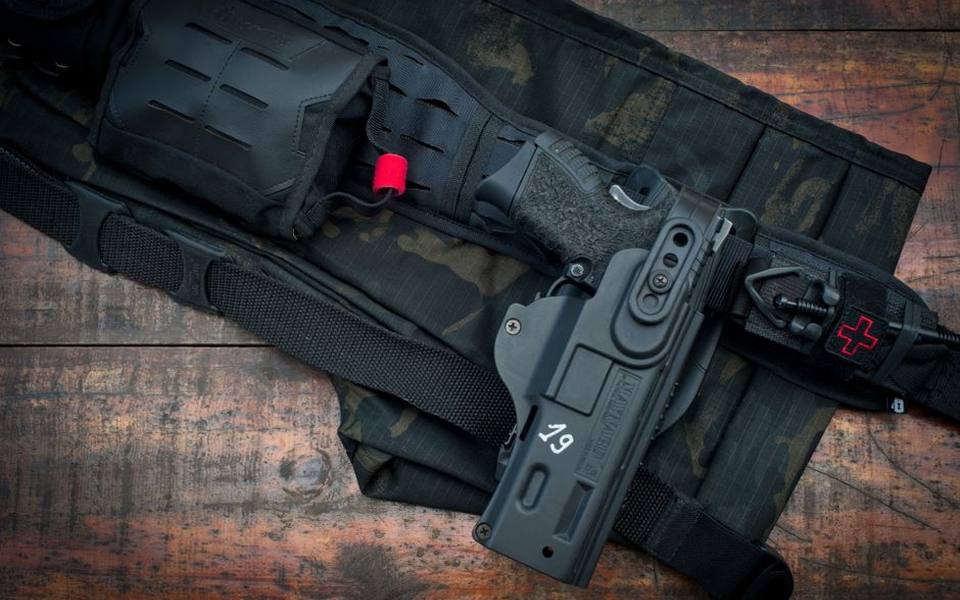
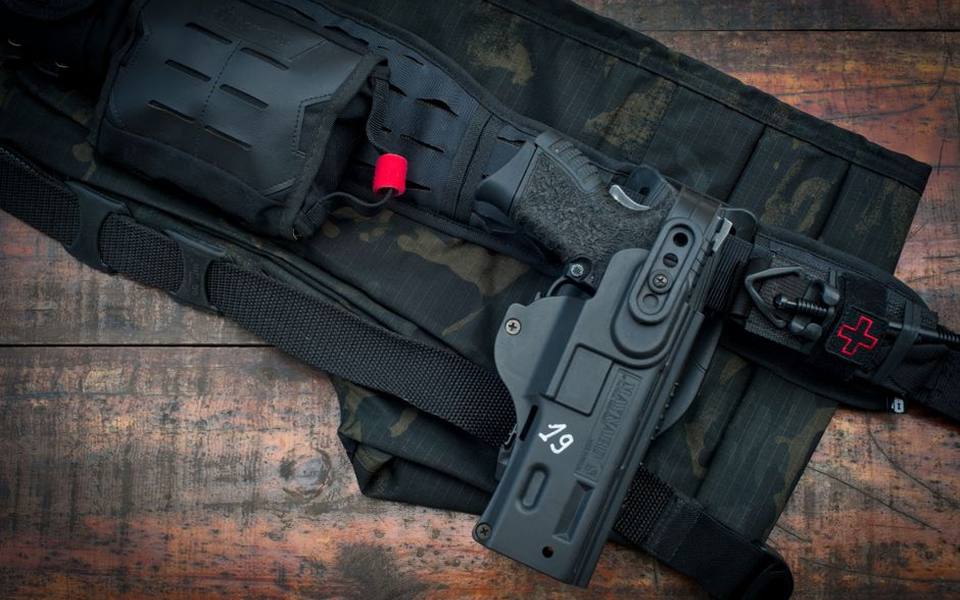
Attending a fast-paced defensive shooting course requires gear built for functional durability rather than convenience or aesthetic appeal. The foundation of any practical range setup is a rigid, purpose-built gun belt capable of supporting the combined weight of a holster, loaded magazines, medical supplies, and personal tools without sagging or twisting outward. Thin dress belts or elastic casual webbing allow the holster to shift along the waistline, resulting in inconsistent draw strokes and dangerous re-holstering mechanics.
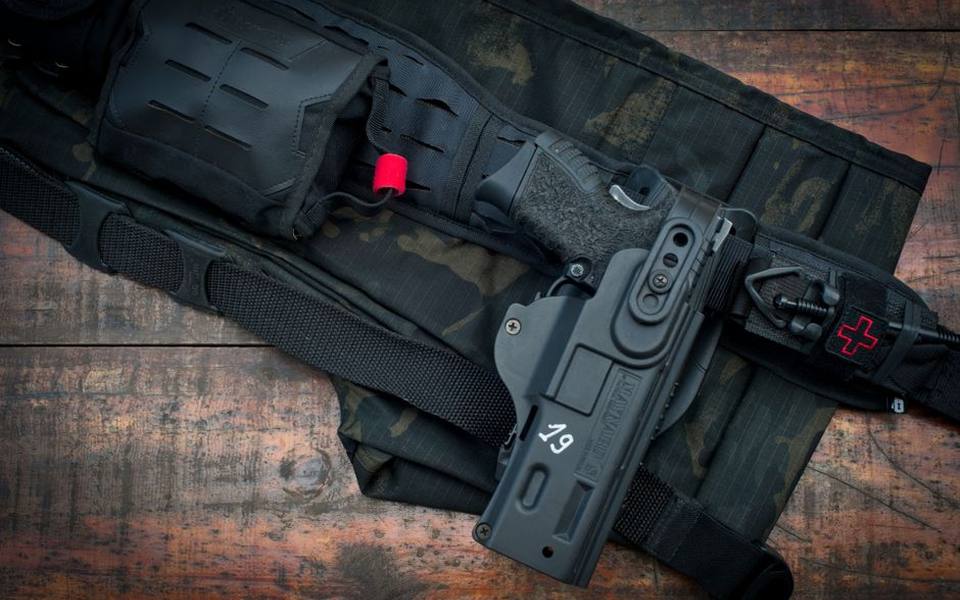
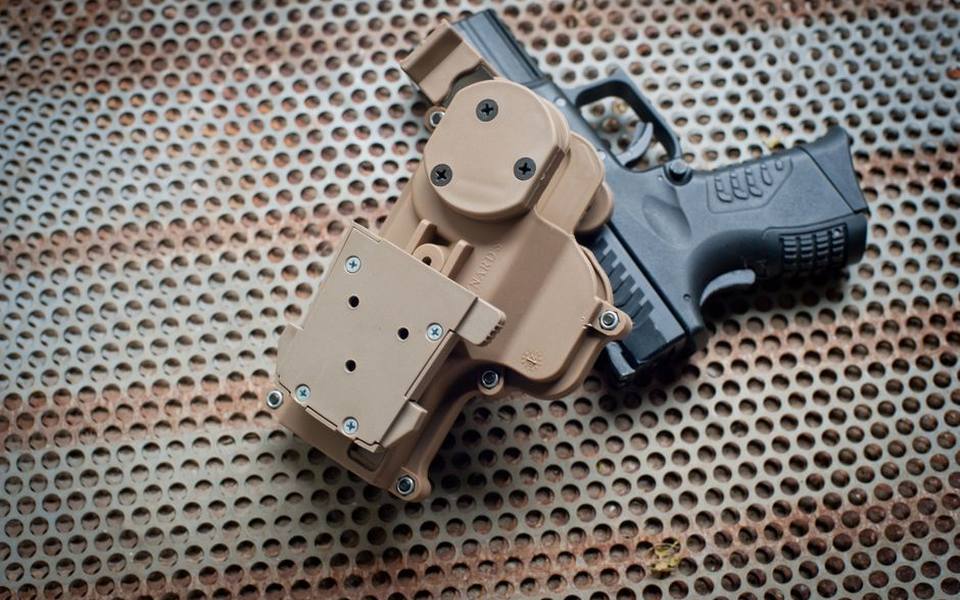
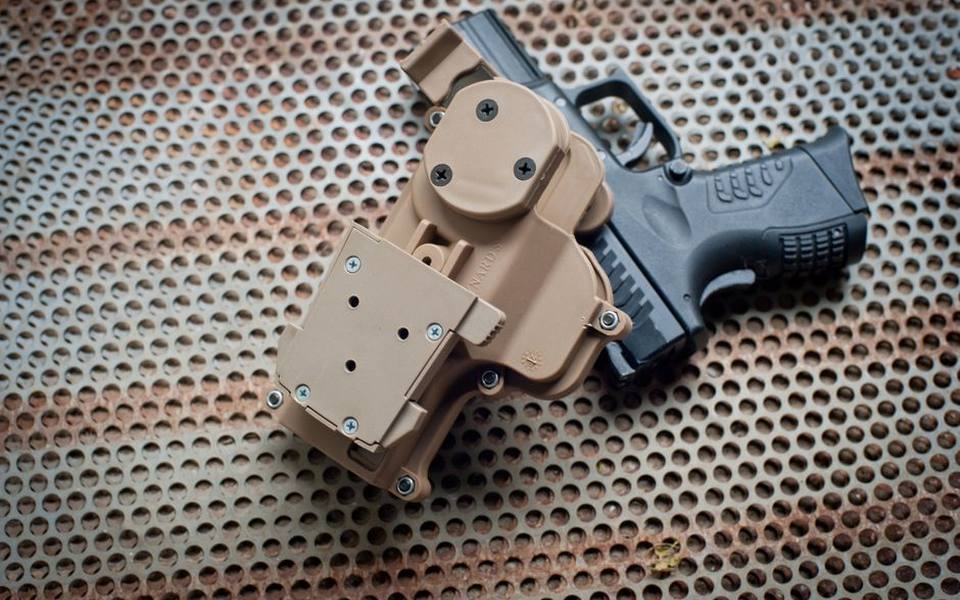
Your holster must be rigidly molded to your specific pistol model—typically constructed from Kydex, reinforced polymer, or heavy treated leather—and must completely cover the trigger guard. Soft, collapsing nylon holsters that deform when the pistol is drawn present severe safety hazards, as the collapsing lip can catch the trigger when you attempt to re-insert the gun one-handed. Quality defensive holsters provide distinct mechanical retention or adjustable friction screws, ensuring the weapon stays firmly anchored even during vigorous movement, climbing, or ground recovery drills.
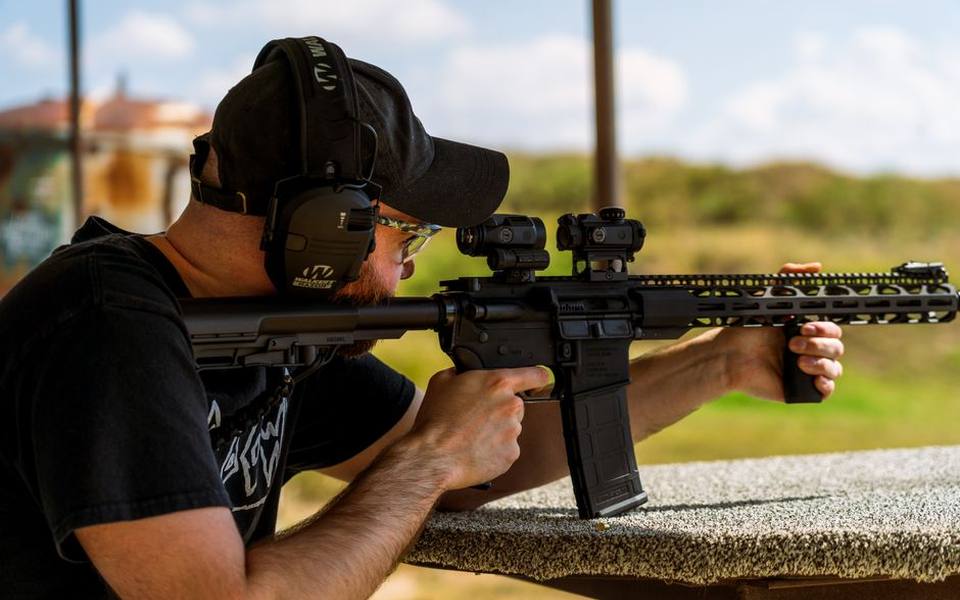
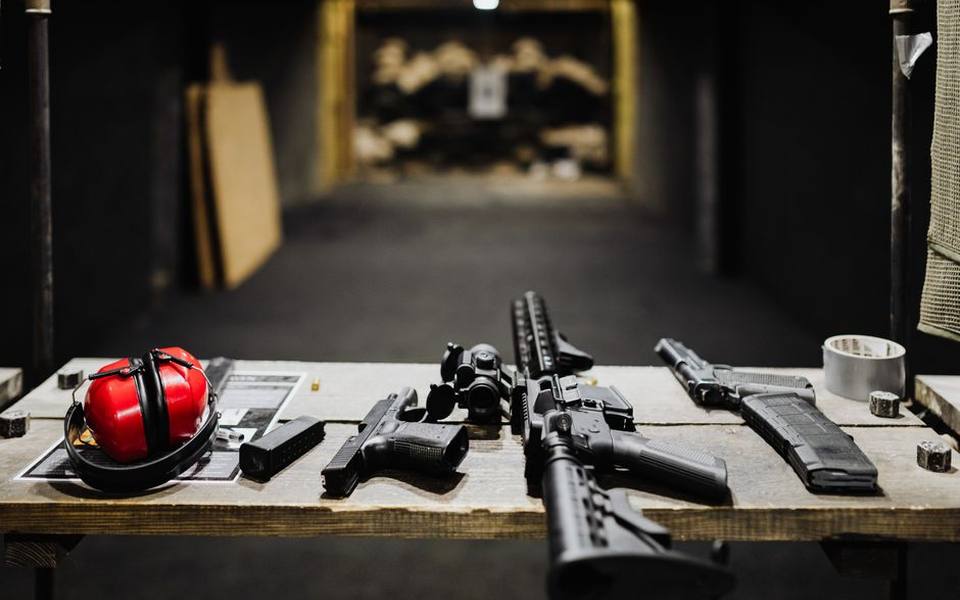
Beyond the firearm and holster, students should bring high-grade electronic hearing protection, which amplifies range safety commands and conversation while instantly dampening high-decibel gunfire. Wrap-around ballistic eye protection, durable range footwear, a brimmed hat to deflect hot ejected brass, and a compact trauma kit containing an authentic windlass tourniquet complete your range kit. Arriving with three to five factory magazines and durable magazine pouches allows you to keep pace with instructional cadences without interrupting class to reload.
Maintaining Proficiency and Continuous Education
Firearm handling competence is a perishable physical and mental discipline that deteriorates quickly without regular, structured reinforcement. Attending a single introductory concealed carry class does not build enduring proficiency; real defensive readiness demands consistent diagnostic evaluation over years of ownership. Setting aside dedicated range sessions every four to six weeks enables you to evaluate baseline split times, draw-to-first-shot speed, and recoil management under measurable standards rather than casual plinking.
Supplementing live range time with structured dry-fire practice at home bridges the gap between range trips while dramatically reducing training ammunition expenses. Ten minutes of focused trigger press drills, magazine change mechanics, and holster presentation work three times a week builds sharper neural pathways than a long, unfocused live-fire session once a year. Keeping a written training log where you record split times, target distances, and mechanical errors helps you identify weaknesses and track measurable progress over time.
Continuous personal defense education should also encompass physical fitness, verbal conflict de-escalation, and comprehensive emergency trauma medicine. Enrolling in accredited Stop the Bleed or tactical emergency casualty care courses provides lifesaving medical skills that are statistically far more likely to be utilized in everyday life than drawing a sidearm. Committing to a lifelong mindset of quiet vigilance, humble learning, and disciplined preparation ensures that you remain an asset to your family and your community.
Published 2026-09-21 · reviewed with each rebuild, last September 2026.
Find gun stores near you
The directory lists 12,328 gun stores by state and city — pick your state or use the “Near me” button in the header.
More guides
-
 Buying
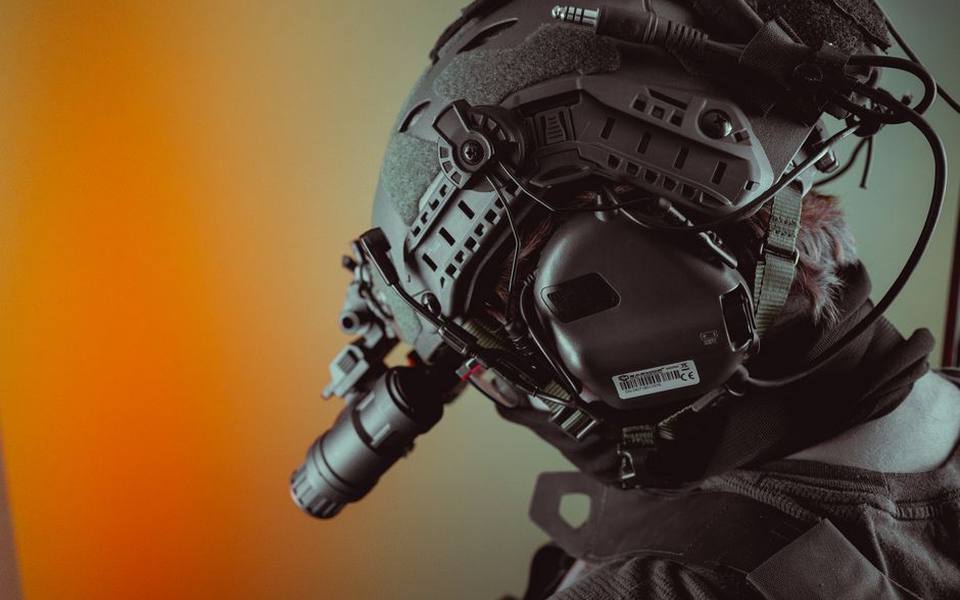
Night Vision, Caliber Choices, and Hearing Protection: The Practical Buyer Guide
-
 Owning
Muzzle Brakes vs Pistol Compensators: Mechanics, Tuning, and Ownership Costs
-
 Owning
Where to Get Fingerprints for Gun Permits, Hearing Gear, and Range Prep
-
 Owning
How to Remove Rust from a Gun Safely Without Damaging the Finish
-
 Buying
Choosing a Skeet Shotgun: Balance, Gauges, and Barrel Specs
-
 Safety
Stun Guns, Tasers, and Protective Range Gear: Practical Buyer's Guide
-
 Buying
Choosing Practical Firearms for Home Defense and Daily Carry
-
 Buying
FFL Transfer Fees and Process Explained: What to Expect at the Counter
-
 Service
Fingerprinting Services, IdentoGO, and FBI Background Checks: The Complete Guide
-
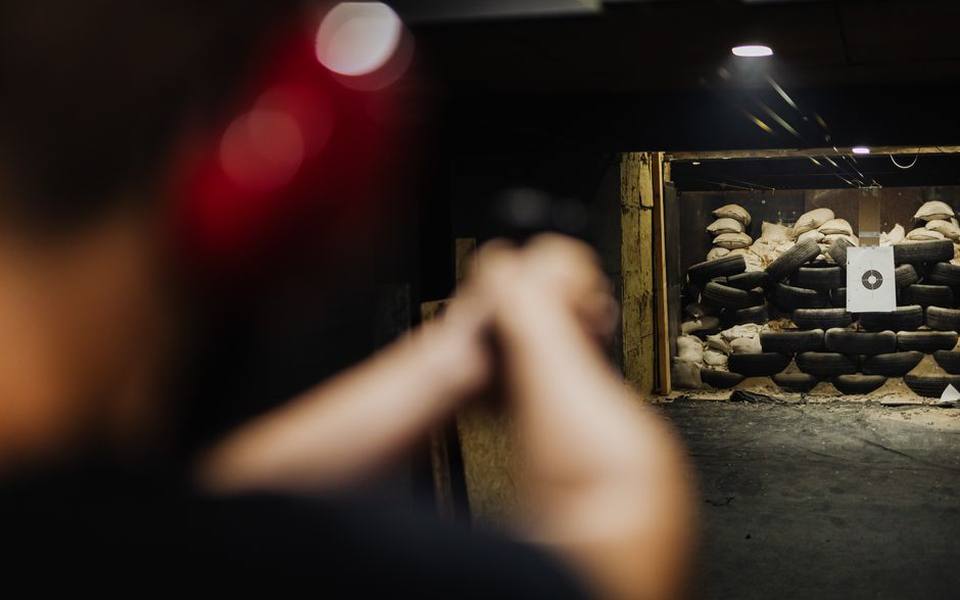 Safety
Indoor and Outdoor Shooting Ranges: Etiquette, Rules, and Memberships
-
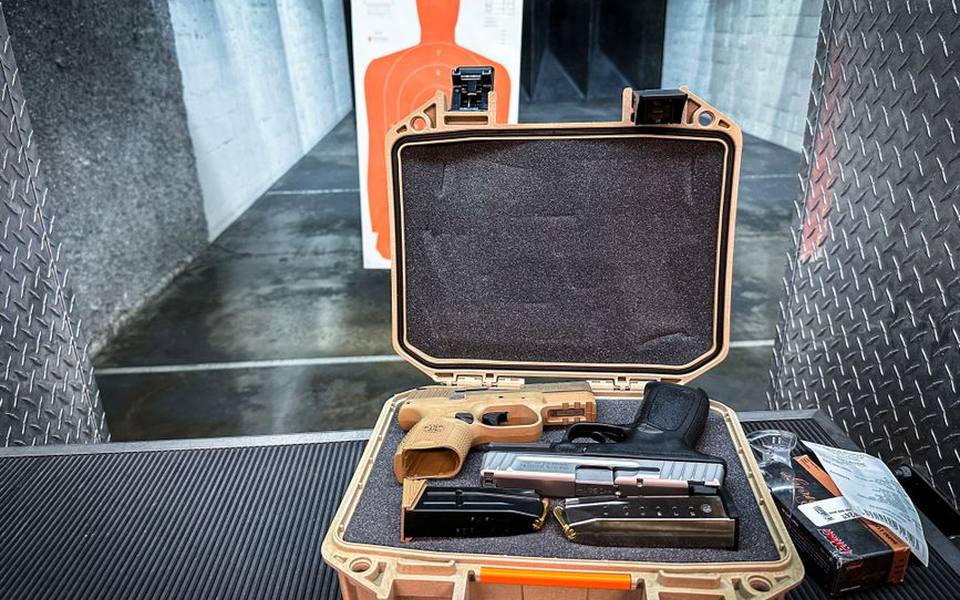 Storage
Gun Safes and Fireproof Storage: Biometric Safes, Cabinets, and Dehumidifiers
-
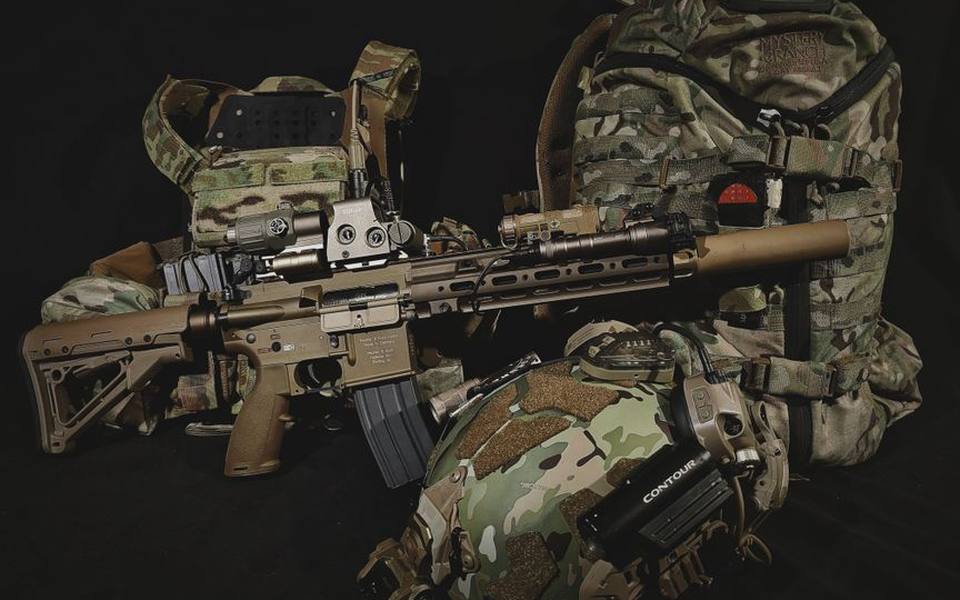 Safety
Body Armor and Ballistic Plates: Threat Levels, Plate Materials, and Carrier Sizing
-
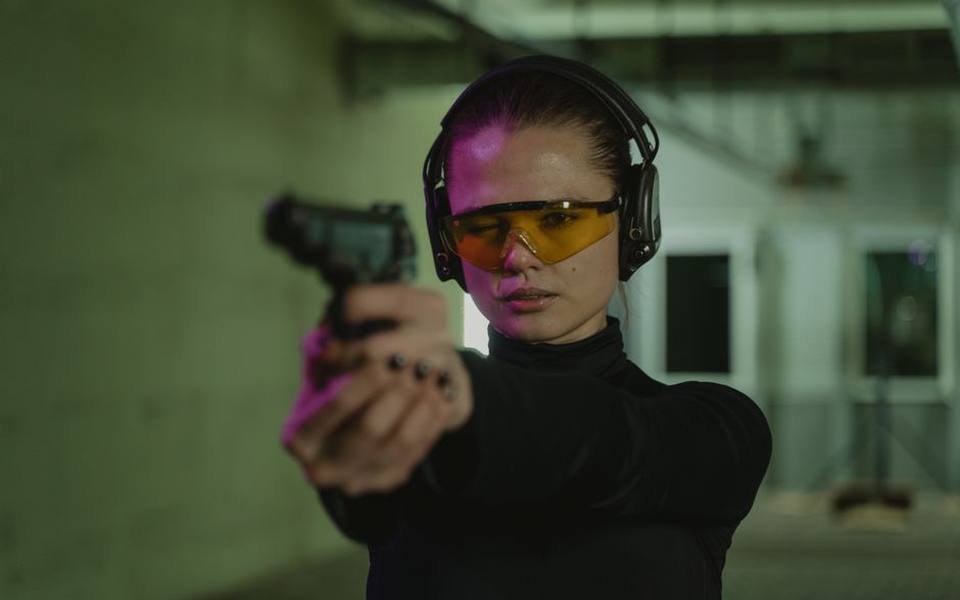 Safety
Shooting Hearing Protection: Electronic Earmuffs, Custom Earplugs, and Noise Reduction
-
 Owning
Shooting Targets, Clay Throwers, and Range Rests Guide
-
 Owning
Concealed Carry Holsters: Kydex, Leather, IWB, OWB, and Specialized Rigs
-
 Owning
Rifle and Shotgun Slings: Single-Point, Two-Point, and Mounting Hardware
-
 Owning
Everyday Carry and Tactical Accessories: Range Bags, Gun Locks, and Practical Gear
-
 Owning
Gun Cleaning Kits and Maintenance: Cleaners, Oils, and Solvents
-
Safety
Everyday and Noise Reduction Earplugs: A Practical Comparison Guide
-
 Service
Rifle Customization, Caliber Selection, and Bench Work: A Guide to Practical Gunsmithing and Reloading
-
 Safety
Shooting and Hearing Protection: Guide to Earmuffs, Plugs, and Electronic Defenders
-
 Buying
Choosing Spotting Scopes, Binoculars, and Specialized Night Optics
-
 Safety
Active Shooter Response, Tactical Handgun Courses, and Firearm Safety Training Guide
-
 Buying
Night Vision Optics and Spotting Scopes Buyer's Guide
-
 Buying
Firearm Valuation, Appraisal, and Used Buying Guide
-
Safety
Layering Personal Defense: Less-Lethal Tools, Purpose-Built Firearms, and Medical Gear
-
 Buying
Hunting Ammunition, Calibers & Reloading Supplies Guide
-
 Owning
Concealed Carry Reciprocity, Licensing Basics, and Buying Regulations Explained
-
 Service
Custom Gunsmithing, Barrel Modifications, and AR-15 Upgrades Guide
-
 Owning
Target Shooting & Clay Sports Guide: Air Rifles, Ranges & Eye Protection
-
Storage
Essential Firearm Storage, Cases, Recoil Pads, and Rig Systems
-
 Safety
The Ultimate Guide to Shooting Hearing Protection and Electronic Earmuffs
-
 Owning
Dry Fire Training Systems, Timers, and At-Home Practice Routines
-
 Owning
State Firearm Rules, Training Courses, and Range Guidelines
-
Owning
Essential Tactical Gear, EDC Equipment, Shooting Gloves, and Range Bags
-
 Owning
Everyday Carry Holsters and Wearable Gear: A Practical Selection Guide
-
 Owning
Firearm Upgrades and Tuning: Gas Blocks, Sights, and Mounts
-
 Owning
CCW Permits, Licensing Laws, and Background Check Fingerprinting Guide
-
 Storage
Firearm Safes and Secure Storage: Humidity Control, Security Standards, and Storage Solutions