Choosing the Right Storage Setup for Your Collection
Selecting a reliable firearm safe begins with honest assessment of your immediate security needs, your available floor space, and the actual makeup of your collection. A compact lockbox engineered for a single defensive handgun requires completely different mechanical standards than a half-ton vault built to preserve valuable heirlooms against residential fires and organized burglary. Most firearm owners eventually find that a hybrid setup—pairing quick-access bedroom vaults with a heavy centralized cabinet—provides the ideal balance between emergency preparedness and long-term asset security.
The market divides generally into thin-gauge sheet metal storage lockers, heavy-gauge residential security containers, and true commercial composite safes. While light steel cabinets prevent casual curiosity from children and household guests, they yield quickly to common pry bars, power drills, and determined burglary attempts. Heavier composite units utilize solid plate steel, internal relockers, and multiple active locking bolts, offering meaningful physical defense that forces intruders to bring heavy specialized cutting gear and spend considerable time on site.
Before measuring your floor space or shopping online catalogs, consider how frequently you need to reach inside the unit. If the goal is securing everyday carry gear alongside emergency medical supplies, electronic or biometric authentication serves you far better than a slow mechanical combination dial. For seasonal hunting gear, collector firearms, or bulk ammunition, mechanical simplicity and robust structural barriers take priority over rapid access times.
Fire Ratings and Fireproof Construction Realities
Fireproof claims on consumer gun safes often cause confusion because no residential safe is completely impervious to extreme structural fires. Most standard fire-resistant containers rely on multiple layers of gypsum drywall sandwiched between inner and outer steel sheets, paired with an expanding intumescent door gasket. Under elevated temperatures, moisture trapped within the drywall board vaporizes, absorbing heat and maintaining an interior temperature below the critical char threshold of paper and wood stocks.
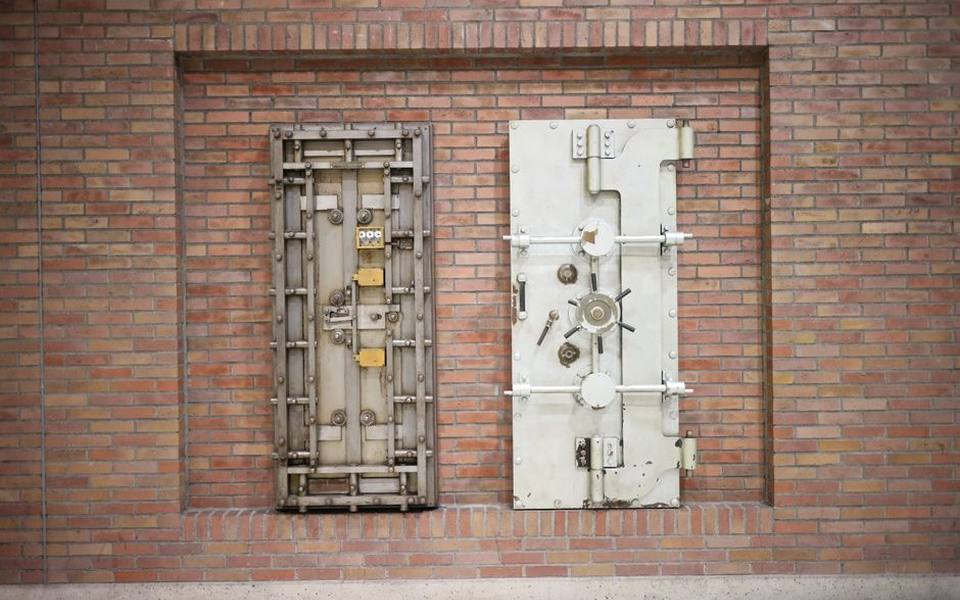
When reviewing independent laboratory certifications, pay close attention to both the internal peak temperature and the duration of exposure. A typical rating of twelve hundred degrees Fahrenheit for thirty to sixty minutes reflects average municipal fire response times, but rural properties often face longer burn times before water is applied. If you store sensitive digital media, paper documents, or vintage paper cartridges, remember that standard firearm fire ratings allow internal temperatures to climb past three hundred degrees, which safely protects steel barrels but may destroy digital hardware.
The door seal represents one of the most critical fire-defense components on any long-gun enclosure. Premium units incorporate palusol or graphite-based seals that expand several times their original thickness when exposed to extreme heat, sealing the door perimeter against smoke, superheated gases, and water runoff from fire hoses. Inspecting the door jamb for consistent seal coverage and verifying steel thickness around the door edge ensures you get genuine thermal performance rather than cosmetic insulation.
Biometric Authentication and Quick-Access Handgun Vaults
Biometric pistol vaults have matured significantly over the past decade, shifting from temperamental optical scanners to reliable capacitive semiconductor sensors. Capacitive sensors read the electrical properties of human skin ridges rather than relying on reflected light, delivering near-instantaneous recognition even in total darkness. For a defensive handgun kept within reach during sleeping hours, having a sensor that wakes immediately upon touch eliminates the fine motor struggle of typing tactile codes under high stress.
Every biometric device should incorporate redundant mechanical entry options, typically an anti-pick barrel or dimple key. Electronic locking solenoids depend entirely on internal battery power, and while modern low-energy circuitry allows alkaline cells to operate for well over twelve months, batteries eventually degrade. Selecting a model with external micro-USB jump ports or low-battery audio warnings ensures you never face a lockout during an unexpected battery drain.
Programming your prints requires deliberate technique to prevent high-stress failure rates at night. Seasoned defensive instructors recommend registering your primary thumb and index fingers at multiple angles, including awkward positions that simulate reaching from beneath bedsheets. Adding your non-dominant hand into the digital registry guarantees access should an injury or room obstacle restrict your preferred grip, a common detail that owners discover only after hands-on training.
Bedside and Under-Bed Security Options
Bedside safes bridge the gap between household child safety and instant nighttime readiness, taking forms that range from drop-down drawer boxes to slim vertical sleeves mounted directly to nightstands. A quality bedside enclosure features gas-strut doors that open silently without alerting an intruder across the hallway. Interior soft foam lining or custom molded inserts prevent metal-on-metal rattling while shielding weapon finishes from accidental holster scuffs during routine draws.
Under-bed long-gun containers offer a clever solution for apartment residents, renters, or master bedrooms with limited vertical closet footprint. Fabricated as long, low-profile sliding drawers, these units tuck completely out of sight beneath standard bed frames while accommodating multiple tactical shotguns or scoped rifles. Heavy ball-bearing slides allow the tray to glide forward smoothly with the touch of a digital keypad, providing rapid access to primary defensive arms without walking across the room.
Securing low-profile horizontal safes requires dedicated hardware, as an unsecured sliding box can simply be dragged out of the room by an intruder. Many homeowners tether bedside boxes to floor joists or bed frames using braided steel aircraft cables, but structural lag bolts driven directly into wall studs or floor timbers offer superior leverage resistance. Inspecting local listings through gun store directories across all states often connects you with shops carrying heavy installation brackets tailored for residential bedrooms.
Full-Size Cabinets and Managing Long-Gun Capacity
Stated rifle capacity on full-size gun cabinets rarely matches real-world storage realities once scoped bolt guns, tactical forends, and extended magazines enter the picture. Safe manufacturers typically calculate capacity using slim, un-scoped sporting shotguns positioned alternately barrel-up and barrel-down. When outfitting a vault with modern optics, bipods, and pistol-grip platforms, real-world capacity drops by roughly forty to fifty percent, meaning a thirty-gun rated safe usually accommodates fifteen to eighteen modern sporting rifles comfortably.
Modular interior layouts offer the adaptability necessary to accommodate growing collections over time. Adjustable barrel rests, plush carpeted shelf dividers, and heavy-duty fabric door organizers maximize vertical volume that would otherwise sit vacant. Hanging handguns in dedicated door pockets frees up main shelf capacity for valuable parts, optics cases, and specialty accessories sourced through local used gun dealers without crowding your primary long-gun barrel racks.
Interior height clearance also demands careful attention, particularly if you own long-barrel waterfowl shotguns, precision rifles equipped with muzzle brakes, or suppressed barrels. Movable interior half-shelves allow tall muzzle profiles to pass unhindered through one side of the vault while preserving layered horizontal compartments on the opposite side. Planning your barrel spacing avoids accidental contact between metal finishes, preventing surface bluing wear and cosmetic damage.
Safe Dehumidifiers and Climate Control Strategies
Sealing firearms inside an airtight steel cabinet without active climate control creates an ideal microclimate for catastrophic surface corrosion. Daily temperature fluctuations in basements, garages, or drafty closets cause interior air to reach its dew point, resulting in microscopic condensation on cold steel barrels and precision action parts. Maintaining safe interior relative humidity between forty and fifty percent preserves steel, prevents bore pitting, and protects fine walnut stocks from drying out or swelling.
Electric heating rods, often referred to as warming bars, provide the most dependable protection for permanent installations near electrical wall outlets. By maintaining a gentle, consistent surface heat along the safe floor, these rods warm the interior air by a few degrees, driving natural convection currents that circulate dry air upward and prevent damp stagnation. Because they run continuously on minimal wattage without moving parts, electric rods require virtually zero maintenance once installed through the safe rear pass-through grommet.
For locations lacking electrical access, rechargeable desiccant containers and silica gel canisters offer an effective cordless alternative. These enclosed units utilize engineered silica beads impregnated with moisture indicators that change color from orange or blue to pink as humidity is absorbed from the air. When saturated, the canister simply plugs into an external wall outlet to bake out trapped moisture, resetting the desiccant for another cycle without chemical mess or waste.
Discreet In-Home Placement and Hidden Storage Concepts
Tactical placement within your home reduces the odds of a safe ever being targeted during a rapid residential break-in. Burglars typically head directly to the primary master bedroom closet, making that standard location the first place examined during search sweeps. Locating your main heavy safe in a finished basement corner, an unassuming laundry room, or an insulated spare room closet disguises its presence and buys critical time.
Concealed architectural enclosures and hidden furniture pieces have gained widespread popularity for staging defensive arms in living spaces. Wall frames, floating display shelves, and custom coat racks equipped with magnetic release latches or RFID keyfobs allow rapid access while appearing completely mundane to visitors. These compartments keep secondary defensive tools instantly available across main living areas without presenting an obvious metal safe silhouette to guests or service technicians.
When planning concealed cutouts inside existing drywalled walls between standard sixteen-inch on-center studs, always inspect interior cavities for wiring and plumbing lines before cutting. Recessed between-stud cabinets sit flush against the sheetrock surface, easily obscured behind large mirrors or framed family art. These slim enclosures secure compact gear, magazines, and secondary accessories without consuming an inch of usable residential square footage.
In-Vehicle Lockboxes and Mobile Travel Security
Leaving a firearm unattended in an automobile represents one of the highest theft risks facing gun owners today, requiring mechanical safeguards far beyond an ordinary glovebox. Factory console latches and glove compartments consist of lightweight plastic clips easily shattered with a simple screwdriver pry in under ten seconds. Dedicated automotive safes utilize heavy-gauge formed steel, continuous internal hinges, and tamper-resistant cylinder locks engineered specifically to fit inside center consoles or under vehicle seats.
Console-specific vaults are custom-formed to bolt directly into the vehicle steel floor pan using existing factory seat or console bolt points. This direct mechanical attachment eliminates the need for drilling while making removal virtually impossible without unlocking the vault lid first. For owners driving multiple vehicles or renting cars while traveling, portable lockboxes tethered to seat riser frames using heavy braided steel cables provide dependable mobile protection.
Temperature extremes inside a vehicle cabin also demand specific handling considerations, as summer sun can heat an interior past one hundred and forty degrees. Selecting a lockbox with dense, closed-cell foam prevents petroleum oils on the firearm from degrading the lining over hot summer months. If your travel includes hunting trips or carrying regulated items registered through regional Class 3 NFA dealers, verified vehicle lockboxes remain an absolute legal and practical necessity.
Retail Options: Farm Supply Outlets and Independent Dealers
Sourcing a gun safe gives buyers the choice between large regional farm supply chains, sporting goods retailers, and specialized independent safe distributors. Farm and fleet chains, such as Rural King or Tractor Supply, regularly stock expansive inventories of budget-friendly to mid-tier heavy cabinets on their showroom floors. These retail chains offer convenient drive-up loading docks, making it straightforward for truck owners to transport a crated three-hundred-pound safe home immediately without freight delays.

Independent safe specialty shops and full-service firearm retailers, by contrast, carry heavier commercial-grade inventory equipped with thicker plate doors, certified UL residential security container ratings, and custom mechanical locking packages. Specialty dealers also provide dedicated white-glove delivery teams who handle difficult stairs, narrow basement entries, and structural floor reinforcement with commercial rigging equipment, sparing you the physical hazards of moving heavy steel yourself.
Whether you purchase from a large rural supply outfit or an independent gun shop, inspect the floor model closely for door play, hinge smoothness, and lock finish quality before completing checkout. Local shops often coordinate with licensed professionals registered through established gunsmithing directories who can assist with anchor installation or lock servicing down the road, ensuring dependable support throughout the lifespan of the vault.
Bolting Down, Floor Loading, and Routine Maintenance
Regardless of how much a safe weighs, an unanchored safe remains vulnerable to tipping attacks, hand-truck transport, and pry-bar leverage. Burglars routinely tip freestanding safes onto their backs to gain immense mechanical leverage with full-size wrecking bars, easily overcoming door seals that resist upright attacks. Securing the safe floor to solid concrete using heavy wedge anchors or into structural subfloor joists with lag bolts prevents tipping and neutralizes lever attacks entirely.
Before setting a thousand-pound vault in an upstairs bedroom or over an open floor span, calculate the structural load limits of your home joists. Positioning the unit across multiple perpendicular load-bearing floor joists near exterior foundation walls distributes weight safely without risking ceiling sag in the rooms below. Spreading the load further with a three-quarter-inch sheet of finished marine plywood beneath the safe footprint protects hardwood flooring and stabilizes contact points.
Long-term safe ownership requires minimal but regular preventative care to guarantee smooth locking operation over decades. Lubricating the active locking bolts with high-grade synthetic grease every couple of years reduces friction on internal cam mechanisms. Electronic keypads should receive fresh, brand-name alkaline batteries annually, while mechanical dials benefit from smooth, deliberate rotations that preserve tight tumbler clearances.
Published 2026-09-21 · reviewed with each rebuild, last September 2026.
Find gun stores near you
The directory lists 12,328 gun stores by state and city — pick your state or use the “Near me” button in the header.
More guides
-
 Buying
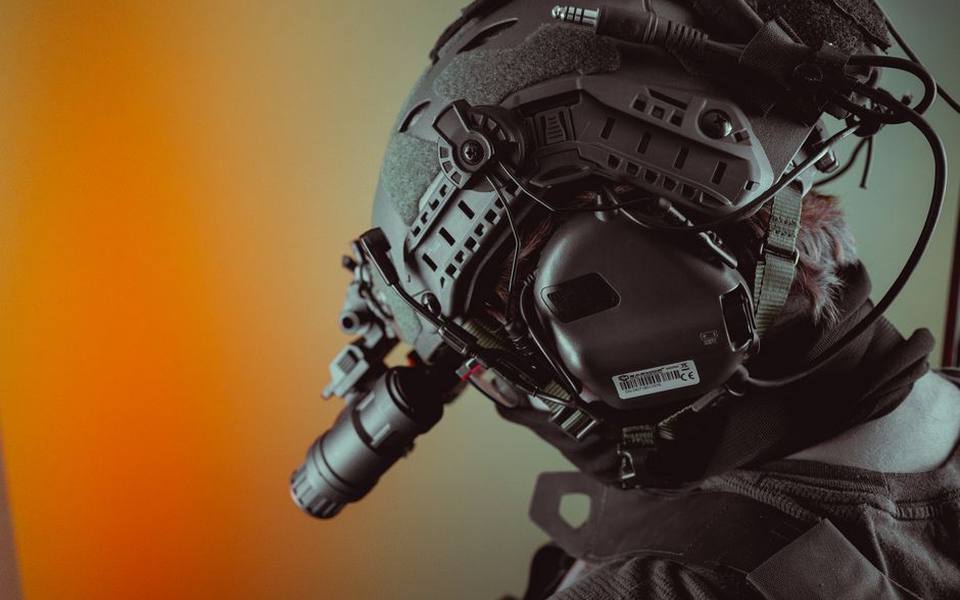
Night Vision, Caliber Choices, and Hearing Protection: The Practical Buyer Guide
-
 Owning
Muzzle Brakes vs Pistol Compensators: Mechanics, Tuning, and Ownership Costs
-
 Owning
Where to Get Fingerprints for Gun Permits, Hearing Gear, and Range Prep
-
 Owning
How to Remove Rust from a Gun Safely Without Damaging the Finish
-
 Buying
Choosing a Skeet Shotgun: Balance, Gauges, and Barrel Specs
-
 Safety
Stun Guns, Tasers, and Protective Range Gear: Practical Buyer's Guide
-
 Buying
Choosing Practical Firearms for Home Defense and Daily Carry
-
 Buying
FFL Transfer Fees and Process Explained: What to Expect at the Counter
-
 Service
Fingerprinting Services, IdentoGO, and FBI Background Checks: The Complete Guide
-
 Safety
Indoor and Outdoor Shooting Ranges: Etiquette, Rules, and Memberships
-
 Safety
Body Armor and Ballistic Plates: Threat Levels, Plate Materials, and Carrier Sizing
-
 Safety
Shooting Hearing Protection: Electronic Earmuffs, Custom Earplugs, and Noise Reduction
-
 Owning
Shooting Targets, Clay Throwers, and Range Rests Guide
-
 Owning
Concealed Carry Holsters: Kydex, Leather, IWB, OWB, and Specialized Rigs
-
 Owning
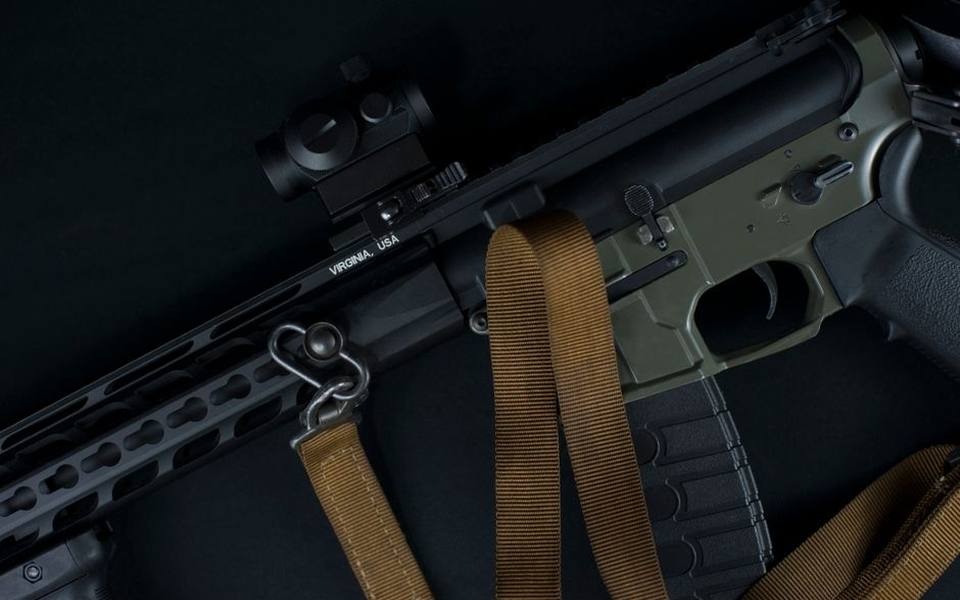
Rifle and Shotgun Slings: Single-Point, Two-Point, and Mounting Hardware
-
 Owning
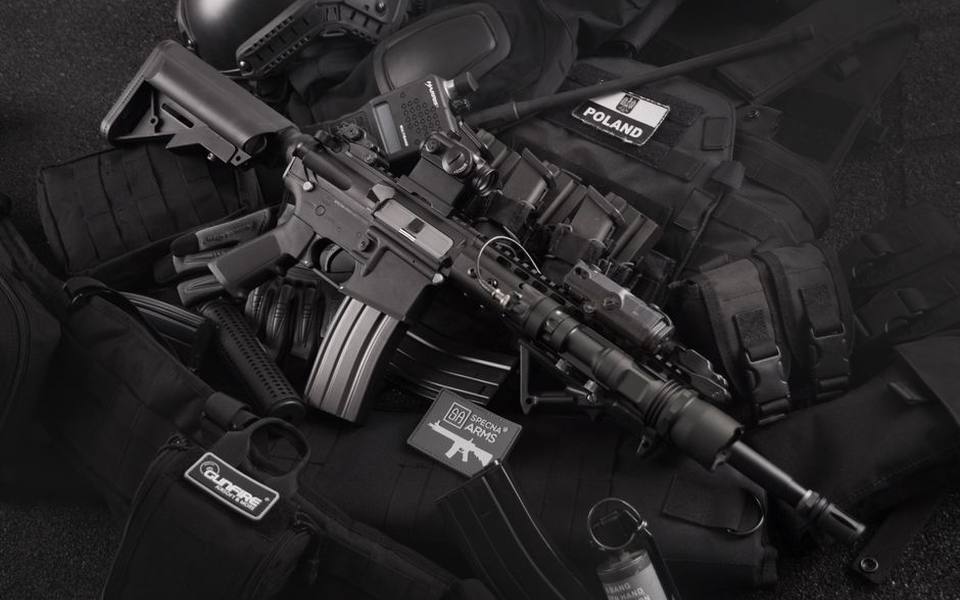
Everyday Carry and Tactical Accessories: Range Bags, Gun Locks, and Practical Gear
-
 Owning
Gun Cleaning Kits and Maintenance: Cleaners, Oils, and Solvents
-
Safety
Everyday and Noise Reduction Earplugs: A Practical Comparison Guide
-
 Safety
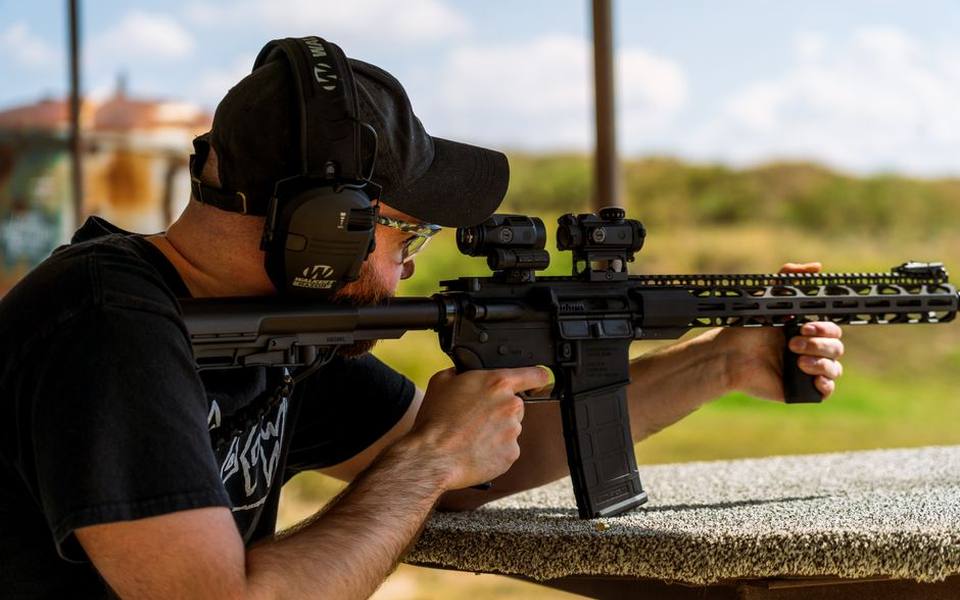
Firearm Safety Rules, Concealed Carry Courses, and Tactical Shooter Training
-
 Service
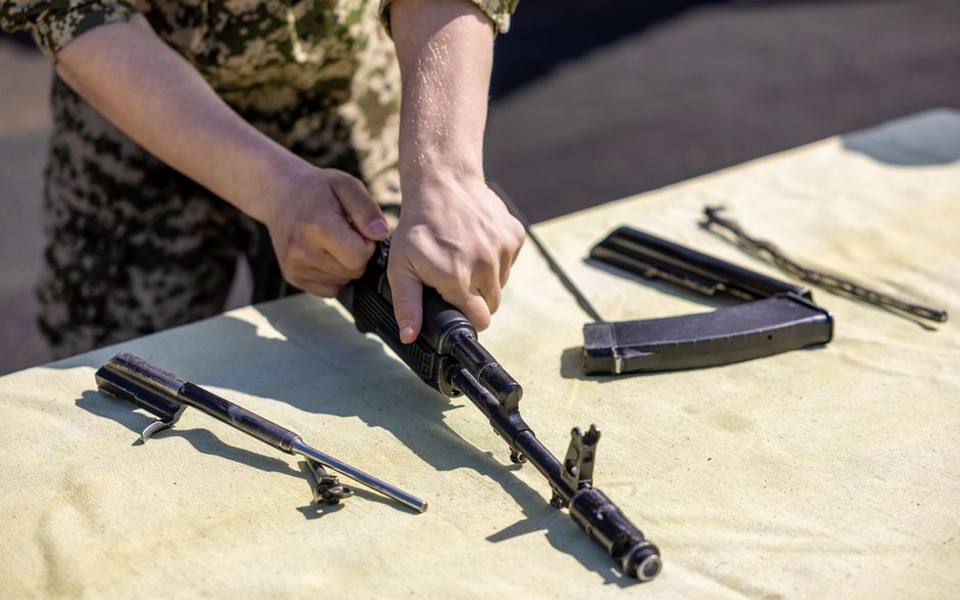
Rifle Customization, Caliber Selection, and Bench Work: A Guide to Practical Gunsmithing and Reloading
-
 Safety
Shooting and Hearing Protection: Guide to Earmuffs, Plugs, and Electronic Defenders
-
 Buying
Choosing Spotting Scopes, Binoculars, and Specialized Night Optics
-
 Safety
Active Shooter Response, Tactical Handgun Courses, and Firearm Safety Training Guide
-
 Buying
Night Vision Optics and Spotting Scopes Buyer's Guide
-
 Buying
Firearm Valuation, Appraisal, and Used Buying Guide
-
Safety
Layering Personal Defense: Less-Lethal Tools, Purpose-Built Firearms, and Medical Gear
-
 Buying
Hunting Ammunition, Calibers & Reloading Supplies Guide
-
 Owning
Concealed Carry Reciprocity, Licensing Basics, and Buying Regulations Explained
-
 Service
Custom Gunsmithing, Barrel Modifications, and AR-15 Upgrades Guide
-
 Owning
Target Shooting & Clay Sports Guide: Air Rifles, Ranges & Eye Protection
-
Storage
Essential Firearm Storage, Cases, Recoil Pads, and Rig Systems
-
 Safety
The Ultimate Guide to Shooting Hearing Protection and Electronic Earmuffs
-
 Owning
Dry Fire Training Systems, Timers, and At-Home Practice Routines
-
 Owning
State Firearm Rules, Training Courses, and Range Guidelines
-
Owning
Essential Tactical Gear, EDC Equipment, Shooting Gloves, and Range Bags
-
 Owning
Everyday Carry Holsters and Wearable Gear: A Practical Selection Guide
-
 Owning
Firearm Upgrades and Tuning: Gas Blocks, Sights, and Mounts
-
 Owning
CCW Permits, Licensing Laws, and Background Check Fingerprinting Guide
-
 Storage
Firearm Safes and Secure Storage: Humidity Control, Security Standards, and Storage Solutions